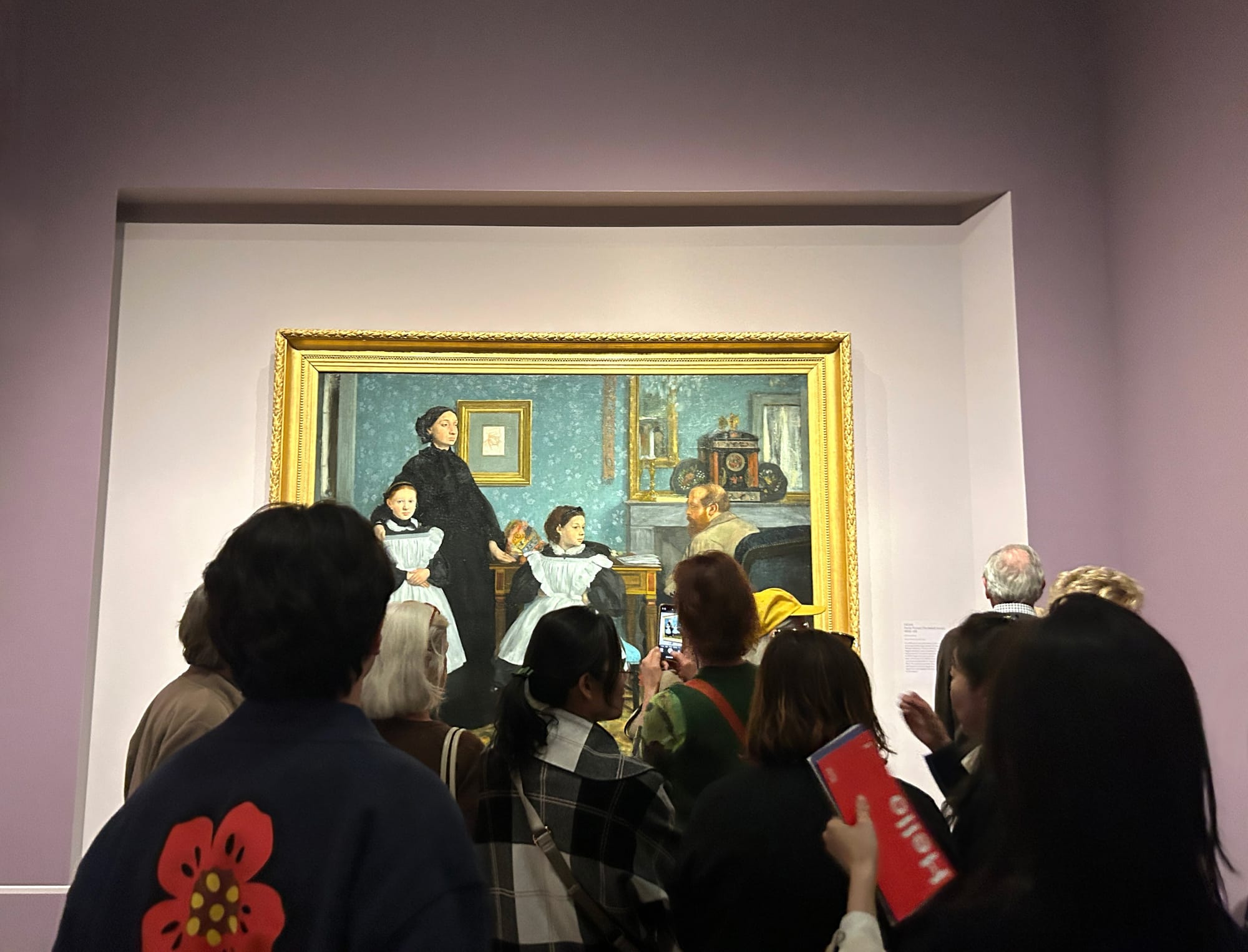
Taking photographs, perusing cultural heritage sites, and visiting art museums could slow aging, according to a new study published earlier this month in the journal Innovation in Aging.
Led by psychobiologist and epidemiologist Daisy Fancourt and a group of researchers at University College London, the study claims to provide the first-ever evidence that engaging with arts and culture can decelerate biological aging or even have anti-aging effects.
“These findings contribute to growing evidence that arts engagement, alongside exercise, diet, sleep, and nature, is a fundamental pillar of health,” Fancourt told Hyperallergic.
UK Research and Innovation, a public funder, supported the research alongside the University of Florida’s EpiArts Lab. The study is part of an ongoing collaboration between the Florida school and University College London to investigate the impact of the arts on human health, Fancourt said.
The study analyzed the arts and cultural activities of 3,556 adults in the United Kingdom, measuring their relationship to seven “epigenetic clocks,” or markers of biological age, found in participants’ blood samples between 2010 and 2012. The researchers also studied the impact of physical exercise on the same epigenetic markers, finding that both arts engagement and movement yielded age-defying results.
Participants who engaged monthly in cultural activities, defined as both participating in performing or visual arts and observing them as spectators, were 1.02 biological years younger than those who only interacted with the arts once or twice annually. The study also found that making or observing art is associated with slower aging in biological categories linked to disease morbidity and mortality.
“We are essentially all born with our set of DNA, but our lifestyles can affect which parts of our DNA get read out. A bit like a recipe book, the recipes are all there when the book is printed, but we only choose to make some of them,” Fancourt explained.
She also said she is hopeful that as the global population ages, these results could contribute to interventions that would help increase individuals’ “healthspan,” or the time they spend “free from diseases, physically fit and functioning.”
The new findings build upon a body of scientific evidence suggesting that interacting with art can positively impact human physiology, including by reducing cortisol levels and alleviating symptoms of depression.