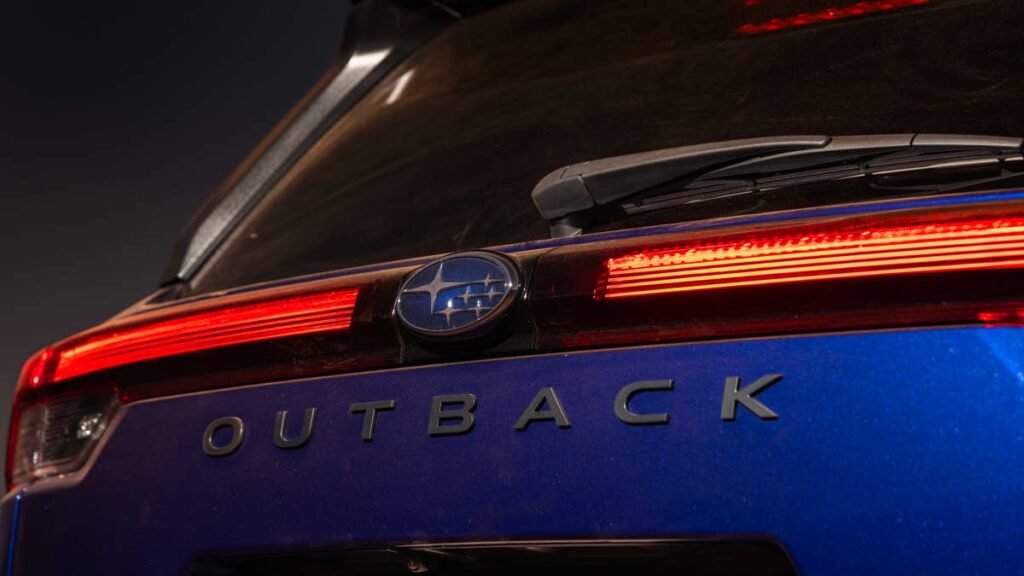
Subaru has introduced a new production strategy that it may also launch in the U.S., building combustion cars, hybrids, and EVs all on the same line for the first time. It’s calling the move “ultra-efficient production,” and it will start with its Yajima assembly plant near Tokyo, Japan, in August. The two-line plant is currently responsible for the Trailseeker and the Toyota bZ4X Touring/bZ Woodland EVs on one line and the Forester and Outback on the other. Now, it will add the Forester hybrid to its portfolio after retooling took place last August. The idea is to save production costs, but also to make Subaru more flexible in light of shifting demand and geopolitical factors like war and tariffs.
Subaru Wants to Make More Factories “Ultra-Efficient”
Adam Lynton/Autoblog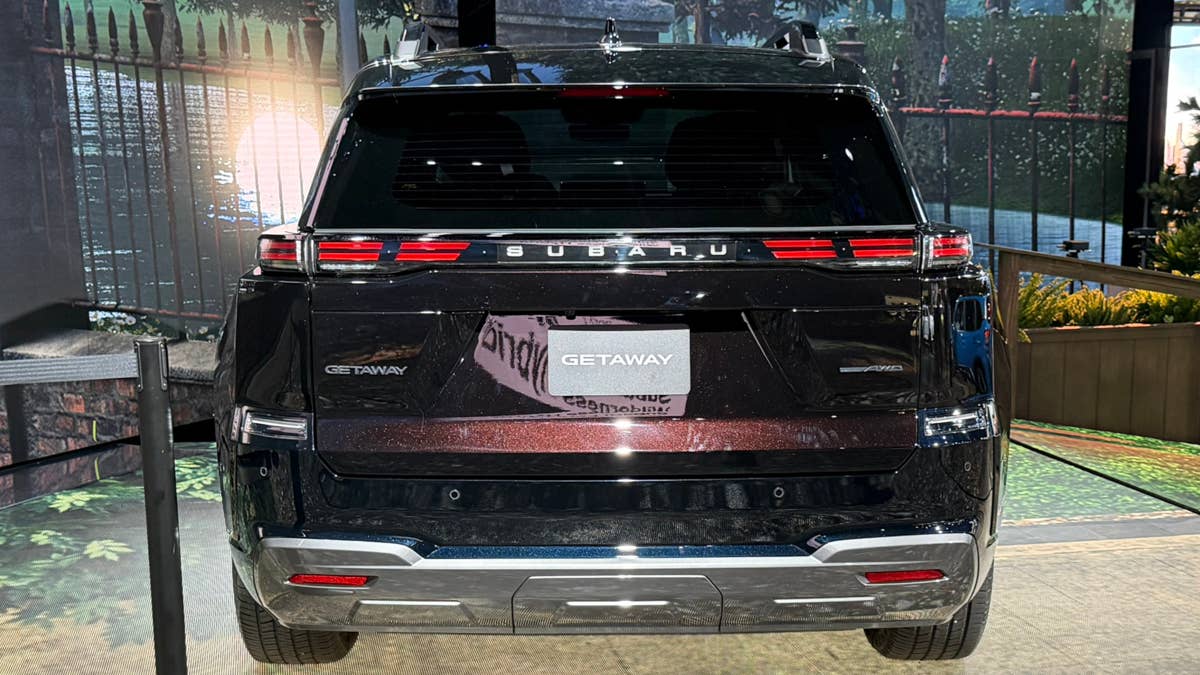
This is the first time Subaru has produced vehicles with three different powertrains in mixed output, reports Automotive News, and it plans to expand the strategy to its Indiana plant before applying it to the new Oizumi plant currently under construction, scheduled to be ready in 2028. Having the ability to produce gas, hybrid, and EV powertrains and the vehicles they go into on either side of the Pacific means that Subaru will be less vulnerable, not only to tariffs and changes in buyer demand at home and in the U.S., but also to fluctuating exchange rates. “We will be able to adapt to changes,” said Managing Executive Officer Ikuo Watanabe. Recent changes include taking a $362 million charge last month to delay production of Subaru’s first independently developed EV, leaving the automaker’s EV lineup to rely on the products it developed with Toyota‘s help – the Solterra (Toyota bZ), Uncharted (Toyota C-HR), Getaway (Toyota Highlander), and Trailseeker (Toyota bZ Woodland/bZ4X Touring).
Related: Subaru’s Quickest Production Car Is Staying Under $40,000 For 2027
“Demand trends are uncertain and we cannot predict which powertrain, battery electric, hybrid, or internal combustion engine will sell well and when,” said Watanabe. “Making an investment decision on one specific technology poses the greatest risk.” This is the same argument Toyota has been making since the turn of the decade, when many automakers were betting big on EV growth. Greenpeace may not like the strategy, but these are businesses that can’t survive offering only EVs.
Subaru Wants to Save Money and Make Fun Cars
Jacob Oliva/Autoblog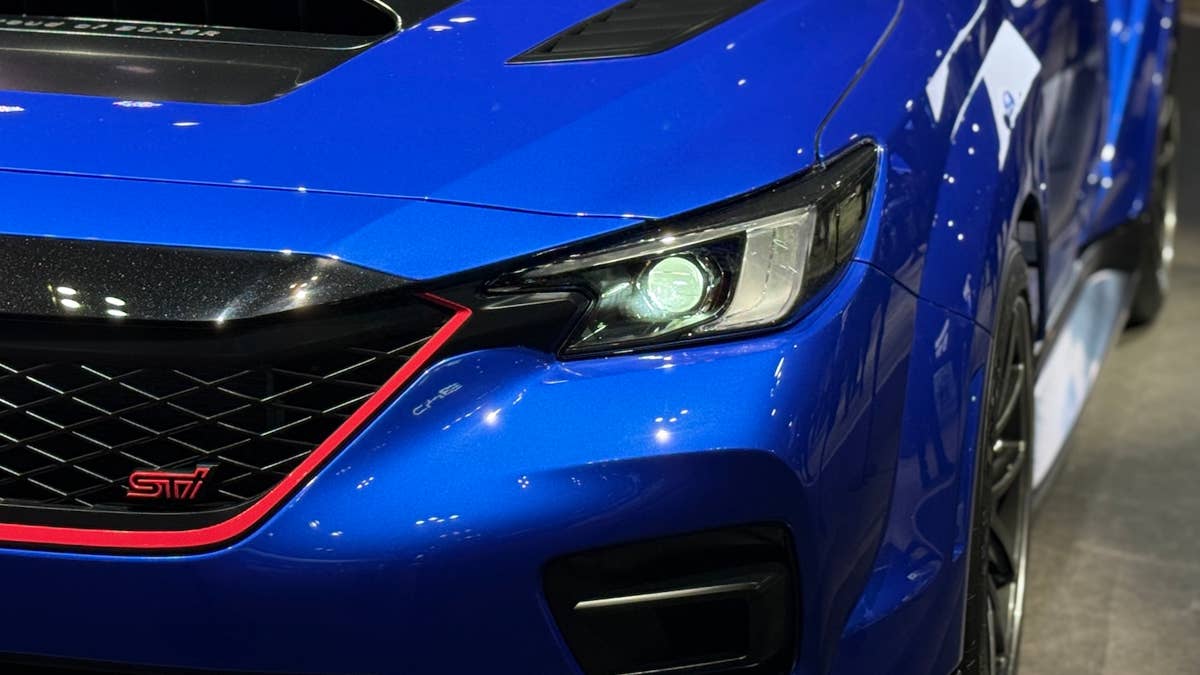
With the new production plan, Subaru intends to cut production processes by half as it aims to reduce costs by 200 billion yen ($1.2 billion) by 2030, and that should help make the automaker more competitive, giving it more leeway to build exciting new performance cars without compromising on its core lineup. But on the other hand, cutting production costs can sometimes lead to reliability and quality issues. We’ll just have to wait for the fruits of the factories to reach dealer floors to see if there are drawbacks to this flexibility.