After leaving a job at Apple, where he led the design of the Apple Watch, Julian Hoenig wasn’t planning to start an EV company. But a chance conversation with a friend revealed a gap in the market.
His friend owned a resort and couldn’t find a good option for transportation for guests. Golf carts, the usual choice, weren’t designed for the job. They discussed the idea of an electric buggy, and Hoenig saw another potential use case: as a neighborhood vehicle in cities.
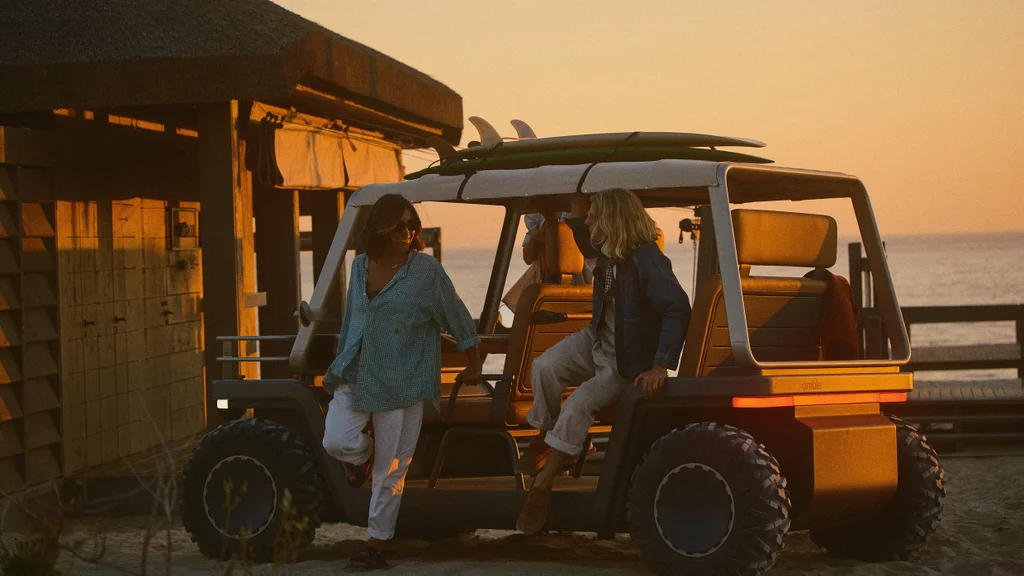
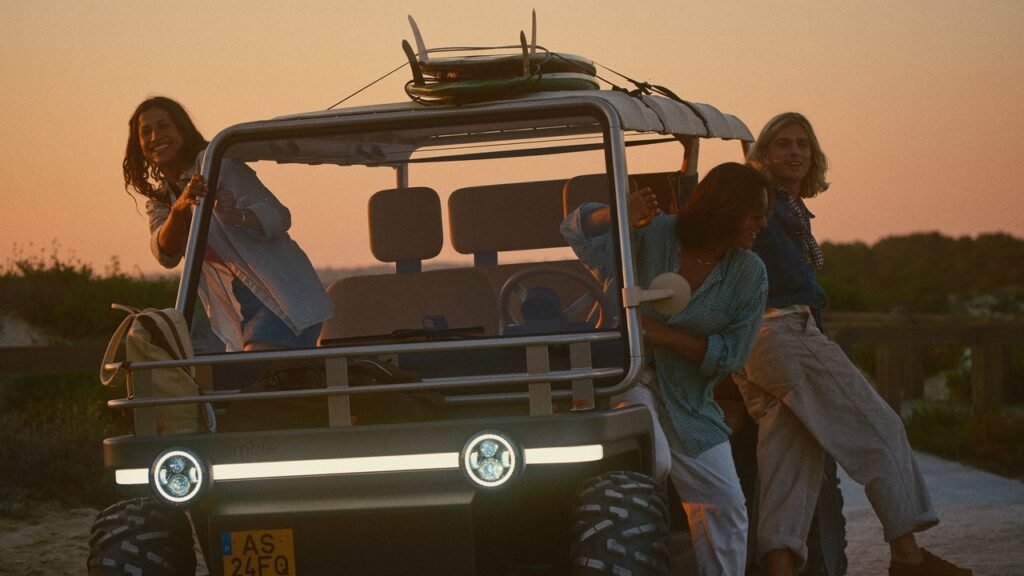
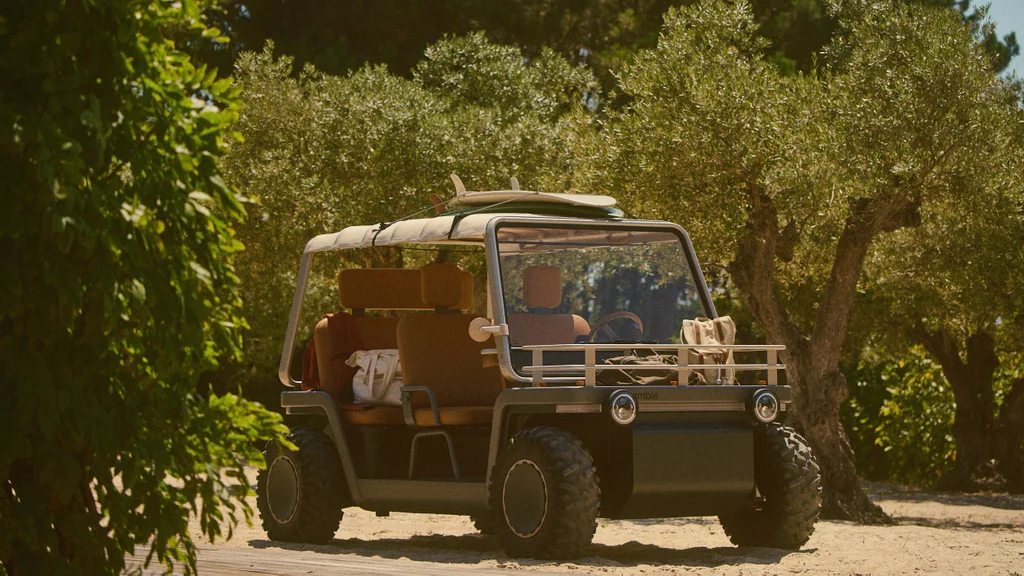
Amble, a startup he cofounded with three others to bring a new electric buggy to market, launched today. The first vehicle, the Amble One, takes aesthetic inspiration partly from the 1960s lunar rover.
“The goal is to keep it simple, but recognizable,” says Hoenig, who now leads design for the startup. While the Amble One will launch first at resorts when it comes to market next year, the company is opening up a waitlist today for everyone else, including customers who want to use it in cities as an alternative on trips that might otherwise use a car.
The EV is $25,000—affordable enough in comparison to conventional EVs that it could interest consumers who’ve considered other low-speed alternative vehicles like tiny Japanese kei trucks. After deliveries to resorts in 2027, consumer deliveries will begin in 2028.
The Amble team started by thinking about the design of a small car, and how much could be stripped away if the vehicle is used only for short journeys. Like a typical EV, the new vehicle has a skateboard-style battery at the bottom. The open frame makes it easy for guests to jump on and off at a resort.
In a city, the exposed design means it might not be ideal for everyday use in all climates. But the designers argue that like riding a bike, it’s a better way to experience your neighborhood.

“The openness means you are more connected to your environment,” says cofounder Michael Tropper, who previously worked on Ford’s advanced design team and founded the creative agency Forpeople.
“You’re more likely to talk to your neighbors. You’re more engaged with what’s going on around you,” Tropper says. “We do think there’s a behavioral difference whether you are in a cocoon in a completely closed-off vehicle, or if you’re in something open.”
The simple dashboard doesn’t have big displays, partly to nudge users to have a better connection with their surroundings. “We want people to enjoy a way of life that’s going slower and connecting to each other and connecting to nature,” he says. The maximum speed is limited to around 40 mph.

In cities, they envision people using the buggies to run local errands or drop kids off at school. Like the new Slate EV, it has a modular design that lets owners later add more features; eventually, that might mean accessories like a cargo box to convert it for deliveries.
With a minimal design, Amble focused on materials. The steering wheel is made from cork; the roof is canvas. Everything is designed to be easy to repair. As Hoenig says, “The longevity in the product use was also baked in from the beginning.”