The BMW i8 was never a conventional supercar. That was true when it launched, and it remains true in 2026. But with early coupes now trading below $50,000, the i8 has become something arguably more interesting: a genuinely exotic-looking BMW that costs about the same as a well-optioned new 3 Series. It does not have a V10 (although the car has some S85 V10 origins), a screaming flat-plane V8, or a famous Italian badge. What it does have is carbon-fiber construction, butterfly doors, plug-in hybrid tech, mid-engine proportions, and enough presence to still stop people in their tracks.
Recap: What the BMW i8 Is

Taking a minute to examine the BMW i8 is important. Because even in-period, the car was misunderstood by nearly everyone. The i8 arrived as BMW’s plug-in hybrid sports car for the future, pairing a turbocharged 1.5-liter three-cylinder engine with an electric motor and all-wheel drive. That might sound more like an efficiency experiment than an exotic. In reality, the powertrain offered modest thrills, with 357 horsepower at launch, later rising to 369 horsepower, with instant electric torque helping it sprint from 0 to 60 mph in the low-four-second range.
Those numbers are not shocking in 2026. A modern M340i xDrive is quicker, and plenty of EVs can embarrass the i8 in a straight line. But key to the i8 is where, exactly, the engine rests: behind the driver. Combined with lightweight construction (carbon fiber tub) and a low center of gravity (the battery), the misunderstood mid-engine was never confused for a 3 Series once behind the wheel. Of course, you wouldn’t confuse it for a 3 Series curbside, either. After all, the car’s “exotic” bona fides really start and end with how the thing looks.
The BMW i8’s Role as a Discount Supercar
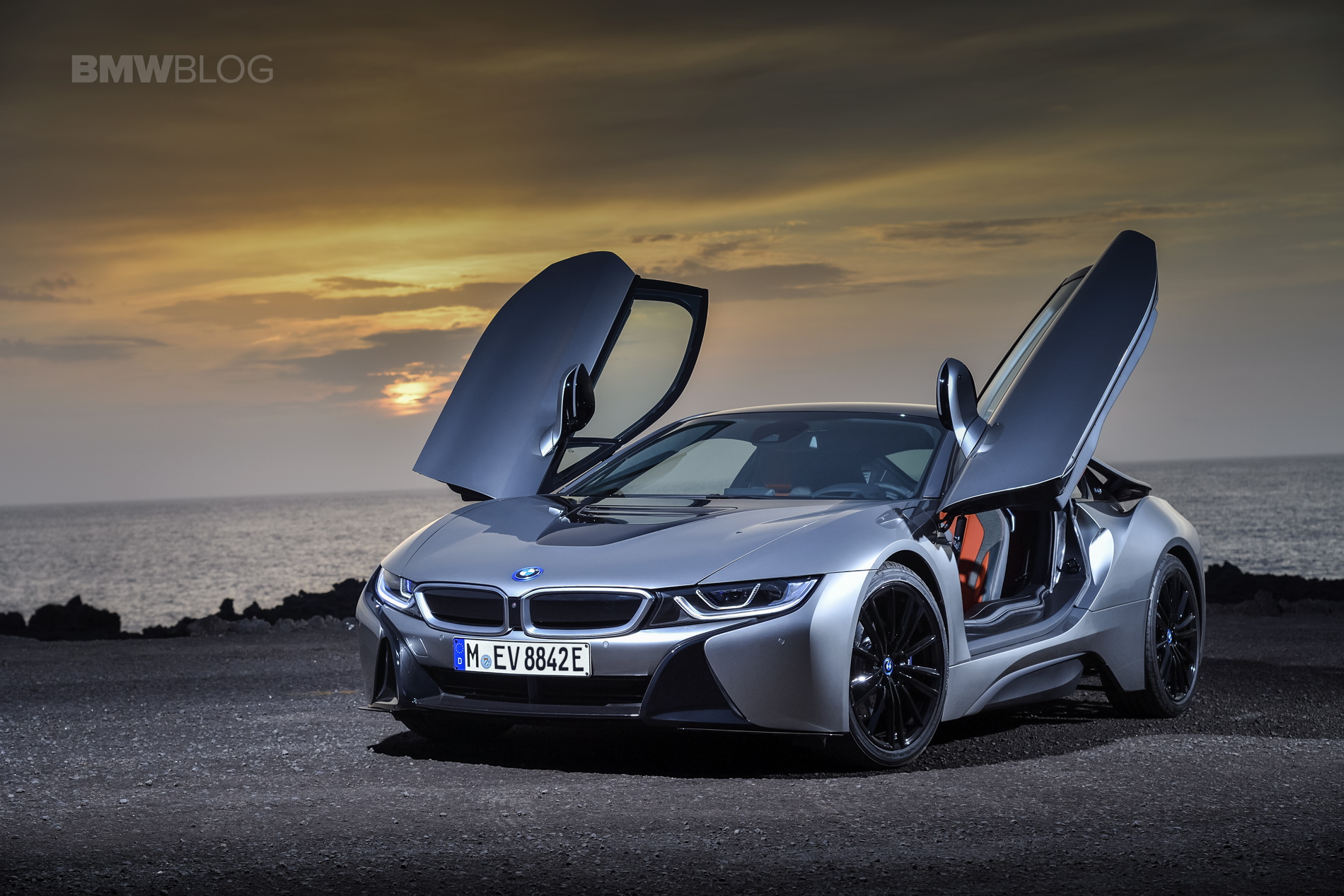
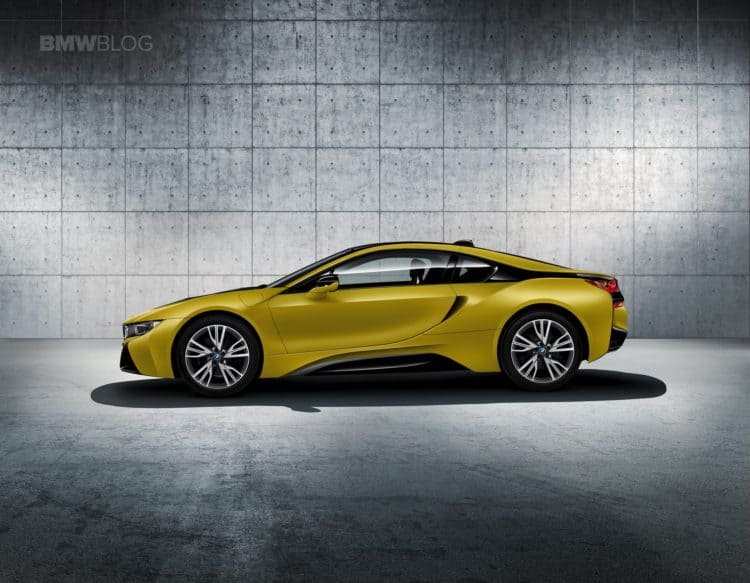
And how the car looks is exactly where its discount supercar reputation comes from. Park one next to an M4, a Cayman, or a Corvette and the i8 still looks like the concept car of the group. The surfacing, flying buttresses, low roofline, and wide stance make it feel expensive before you ever start it. To say nothing of the car’s “butterfly doors,” a singular design feature functioning as a service entrance, if you will, into to the “doors-go-up” club. That alone gives the i8 an exotic quality most used performance cars simply cannot match.
Then there is the efficiency side. The i8 can run on electricity for short trips, and even when the battery is depleted, it is far more economical than a traditional supercar. That matters if you want the look and experience of something exotic without the fuel bills that usually come with it. It is not a full EV, and its electric range is modest by modern standards, but the plug-in hybrid setup makes getting around more affordable. It furthers the i8’s positioning as a value buy, especially in this arena.
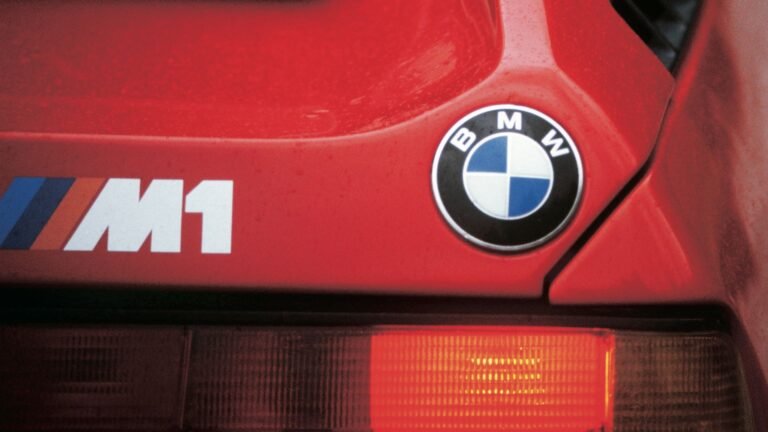
The layout helps, too. The i8 is not a true mid-engine supercar in the Ferrari or Lamborghini sense, but its mid-mounted gasoline engine and low-slung carbon structure give it a legitimate connection to BMW’s most famous wedge-shaped icon: the M1. Plus, there are real dynamic payoffs to piloting a vehicle with an engine midship. No, the i8 is not an M1 successor. But in spirit, it is one of the only modern BMWs with comparable proportions and genuine exotic-car architecture. For a brand built mostly around front-engine sedans, coupes, and SUVs, the i8 is special.
What You Don’t Get With the BMW i8
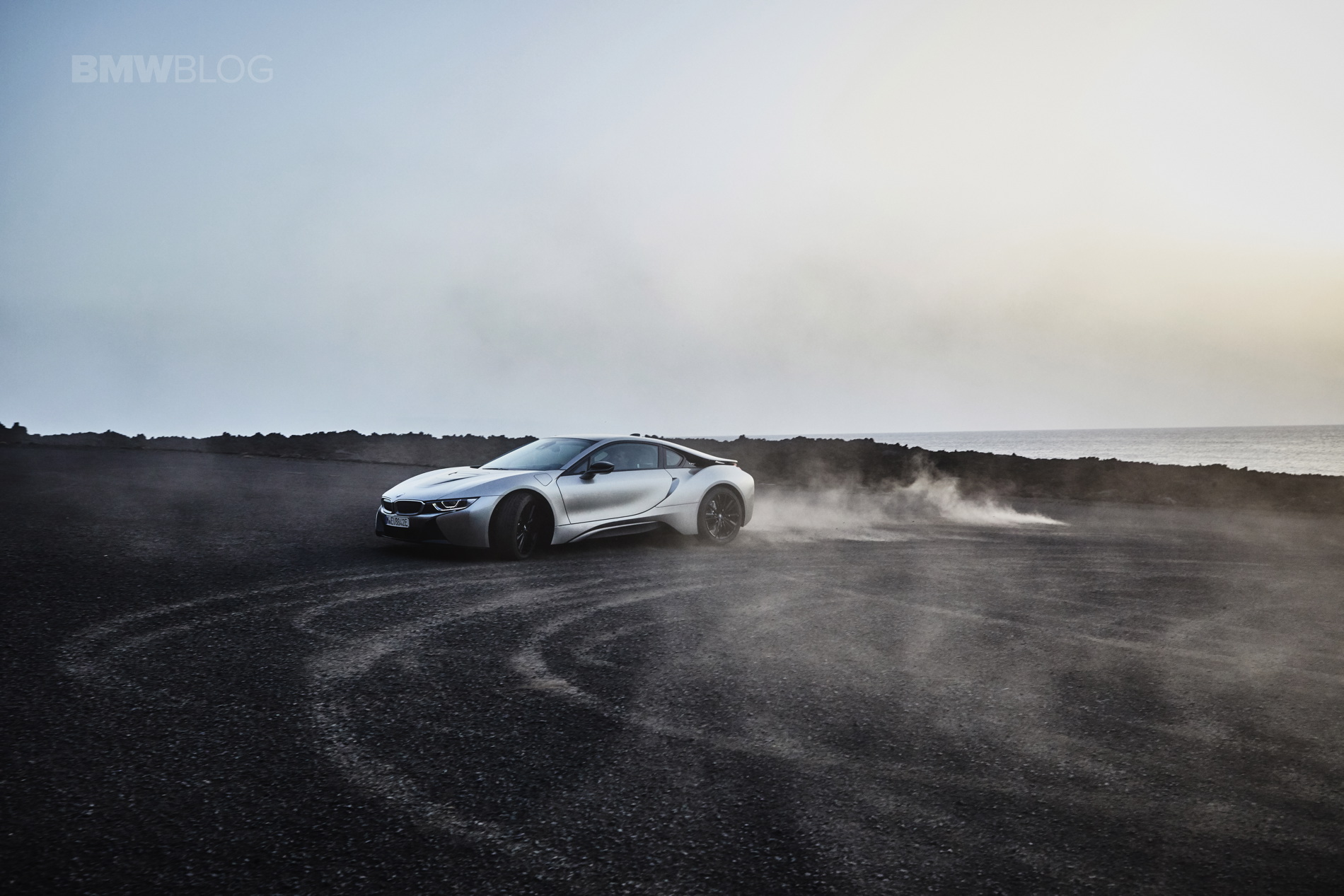
Of course, the discount supercar case has limits. The i8 does not have the badge cachet of a Ferrari, Lamborghini, McLaren, or even an Acura NSX. To casual observers, it may look like an exotic. To enthusiasts, it is still “the hybrid BMW with the three-cylinder.” Performance is the other obvious compromise. The i8 is quick, but it is not brutally fast. Modern sports sedans, compact M cars, and electric crossovers can beat it in a straight line. It also lacks the noise, drama, and high-rpm excitement people usually associate with traditional supercars. The three-cylinder engine is clever, but no one’s lusting for it. Two downsides don’t seem like a lot. Unfortunately, you have to remember the sandbox we’re playing in: drama and curb appeal are two of the biggest reasons people opt for a supercar.
Is the i8 Still a Buy in 2026?
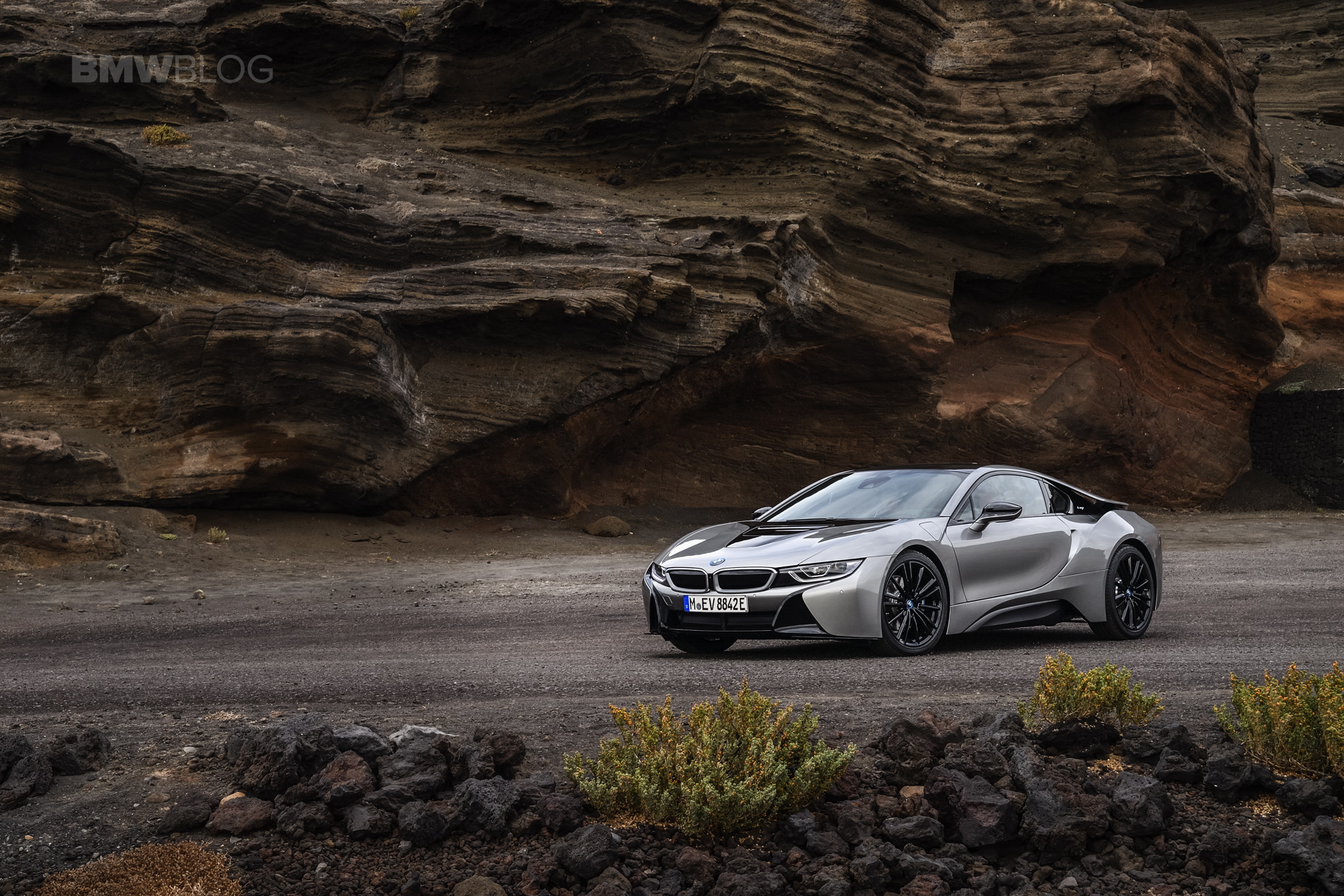
Being downright practical doesn’t necessarily ruin the i8’s appeal. The BMW i8 is not the best performance car under $50,000, and it is not a substitute for a real-deal supercar. But the i8 has the distinction of still being a good buy for two very different groups of people. Group one will love the i8 for its overall affordability and supercar styling. Group two will value the car on its own merits, also appreciating the car’s rarity, engineering, and efficiency. Even in 2026, the BMW i8 remains one of the most intriguing used cars on the market. Arguably, at any price point, but especially at the $50,000 or less mark.
First published by https://www.bmwblog.com