The Protein Brewery—which has just secured the green light to market its novel mycelium ingredient in the EU—has been advised by the FDA to withdraw its GRAS notice in the US due to deficiencies in its application.
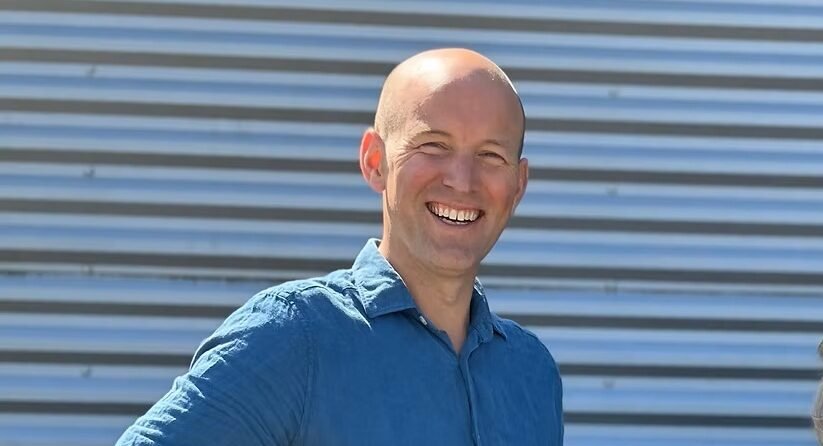
However, CEO Thijs Bosch tells AgFunderNews the temporary setback will not derail its US plans as it raises an €18 million ($20.5 million) Series B extension.
The Dutch startup, which makes mycoprotein via biomass fermentation from Rhizomucor pusillus mycelium, has raised an €18 million Series B extension led by incoming investor ABN AMRO Sustainable Impact Fund. The round was joined by existing investors Invest-NL, Novo Holdings, Madeli, and the Brabant Development Agency (BOM).
The capital injection will help the firm expand capacity at its Dutch production facility to 2,000+ tons, drive sales into Europe in Q3, fund new clinical studies into the health benefits of its ingredient, and support regulatory applications in Canada, Australia, New Zealand, and India.
In the US, the firm has been going through the GRAS (Generally Recognized as Safe) pathway. It self-affirmed its ingredient as GRAS in March 2024 and submitted a GRAS notice to the FDA in March 2025.
However, it was advised in February 2026 that it needed to address “deficiencies” in the notice.
According to a March 2026 letter from the FDA, these included “significant design flaws in animal studies that compromise data interpretation; insufficient data to support safety at the proposed dietary exposure levels; inadequate safety assessment of key compositional elements with known antinutrient properties; inadequate bioinformatics and in silico approaches; and absence of organism-specific secondary metabolite characterization.”
Given the extent of the information needed to continue its evaluation, added the FDA, “we recommended that The Protein Brewery request that we cease our evaluation of the notice,” which it went on to do in February 2026.
GRAS re-submission
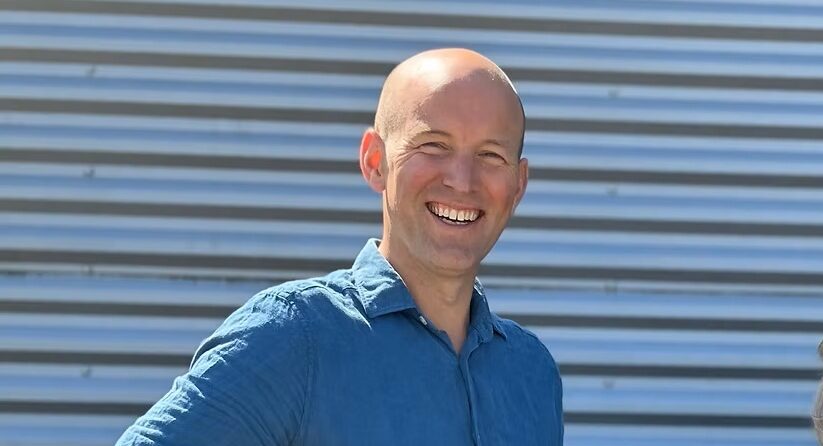
The Protein Brewery CEO Thijs Bosch told AgFunderNews that this was a temporary setback and that the company will be “updating our FDA submission in line with all of the EFSA related data.”
According to Bosch, the deficiencies in the filing are straightforward to address and do not require the firm to re-do any studies. However it will need to amend the way it presents its data in line with its EFSA submission. As one example, in its original GRAS filing, there was a typo in the name of the type of rats used in a tox study, he claimed.
The fact that The Protein Brewery has just secured substantial new funding underlines the fact that key customers and investors do not believe this temporary setback will negatively impact its US plans, he added.
“We have been very transparent with customers and investors throughout this process as we have nothing to hide. We stand behind our process, our strain and our studies.”
He added: “Our pre-submission meeting with the FDA is planned in the coming weeks in which we will address all their questions. We will then resubmit to obtain full GRAS and expect a no further questions letter in Q1, 2027.”
In the meantime, The Protein Brewery is updating its self-GRAS documentation so firms can confidently use its ingredients while it waits for full GRAS approval, said Bosch, who expects the first products to hit the US market in late 2026.
Active nutrition and sports nutrition
According to Bosch, The Protein Brewery is seeing significant interest from customers in the EU, Singapore and the US in active nutrition and sports nutrition for its Fermotein mycelium powder, which is rich in protein, fiber, and micronutrients.
“We’re really focusing on healthy aging, which is why we’re also doing human clinical studies including a big one in Q1, 2027, with the University of Wageningen on biomarkers of aging.”
Cost advantage
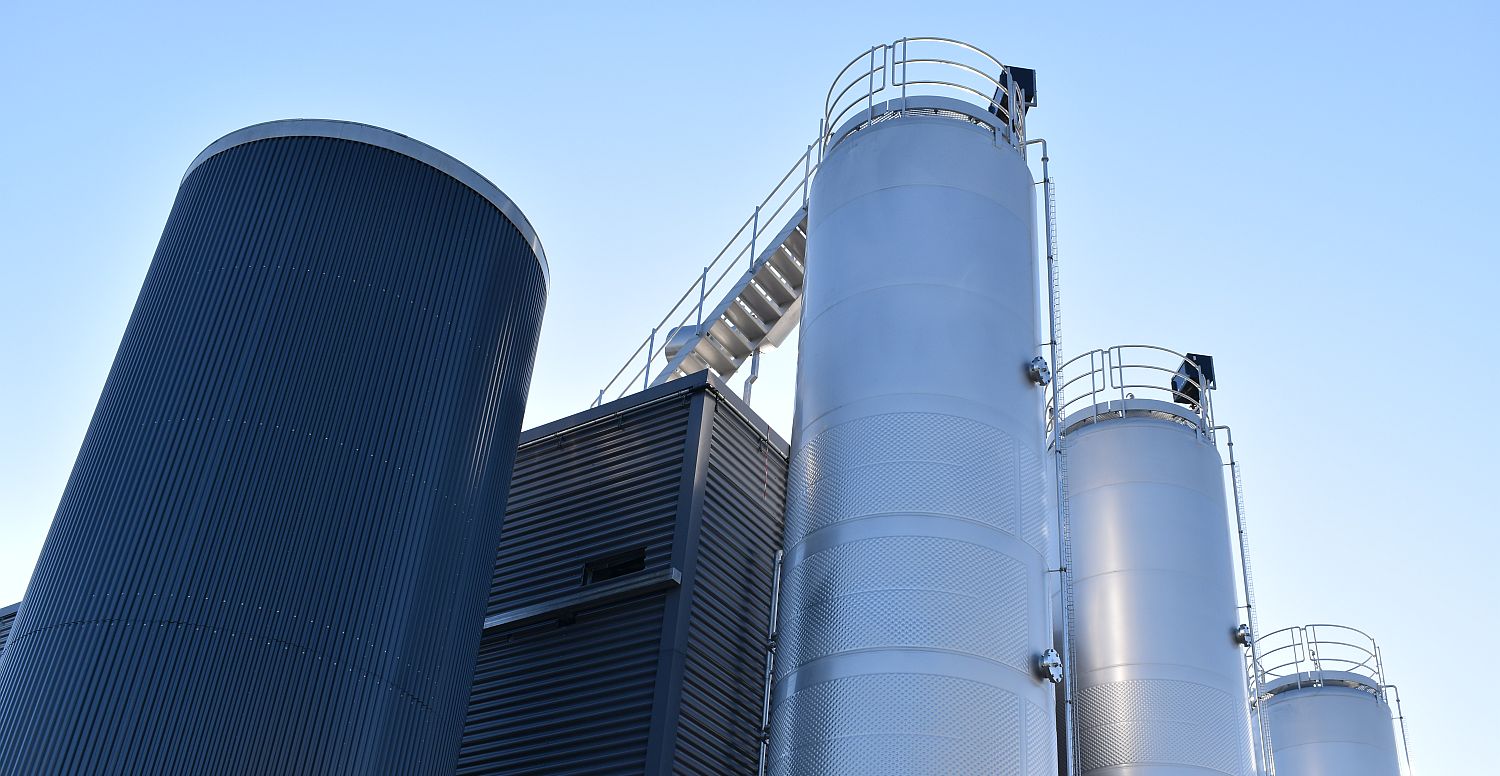
The Protein Brewery anticipates supplying 600 metric tons of Fermotein in 2027 from its demo-scale factory in Breda in the Netherlands to meet customer commitments in Europe, the US and Singapore, with production capacity increasing to >2,000 tons by 2029, said Bosch.
“The unit economics improve materially as we scale through our planned capacity build-out. Our production process uses non-sterile fermentation, which structurally lowers capital and operating costs compared to other biotech fermentation approaches, and that cost advantage compounds as volumes grow.”
He added: “Our strain cannot produce any mycotoxins and thrives in extreme conditions, so it’s relatively high temperature and low pH, which means that we can ferment under very different circumstances vs for example, the Fusarium strain used by Quorn. As a result, our process can be scaled more cost-effectively, but still grows very quickly. The downstream process is also very simple.”
Further reading:
The Protein Brewery wins EU approval for Fermotein mycoprotein six years after novel foods filing
The post The Protein Brewery says FDA GRAS setback won’t derail US plans as it raises $20.5m Series B extension appeared first on AgFunderNews.