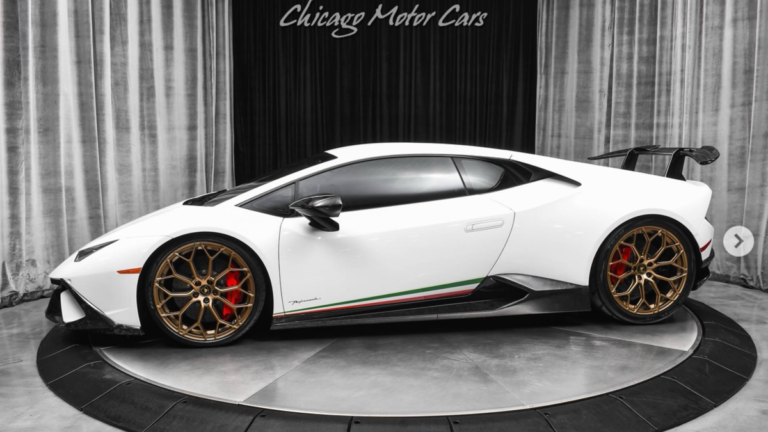
Financial Ruin Forces Radical Changes
A legendary British sports-car institution is teetering on the brink of collapse. Massive fiscal hemorrhaging forced executives into aggressive damage-control mode. The automotive company suffered a catastrophic billion-dollar net loss during the 2024 fiscal year. This financial emergency led to a painful workforce reduction at their primary facility in England. Nearly half of the local workforce lost their jobs in the downsizing effort.
To survive this crisis, the manufacturer is transforming its underutilized factory into a shared workspace. A preliminary contract was signed with a boutique firm named Zenos Cars. According to a report from AutoExpress, this agreement allows the smaller company to assemble track-focused roadsters inside the Hethel facility. The legendary site has the capacity to build 10,000 vehicles annually. However, actual production volume plummeted to just two thousand units last year.
Lotus
Ditching Electrification For Hybrid Survival
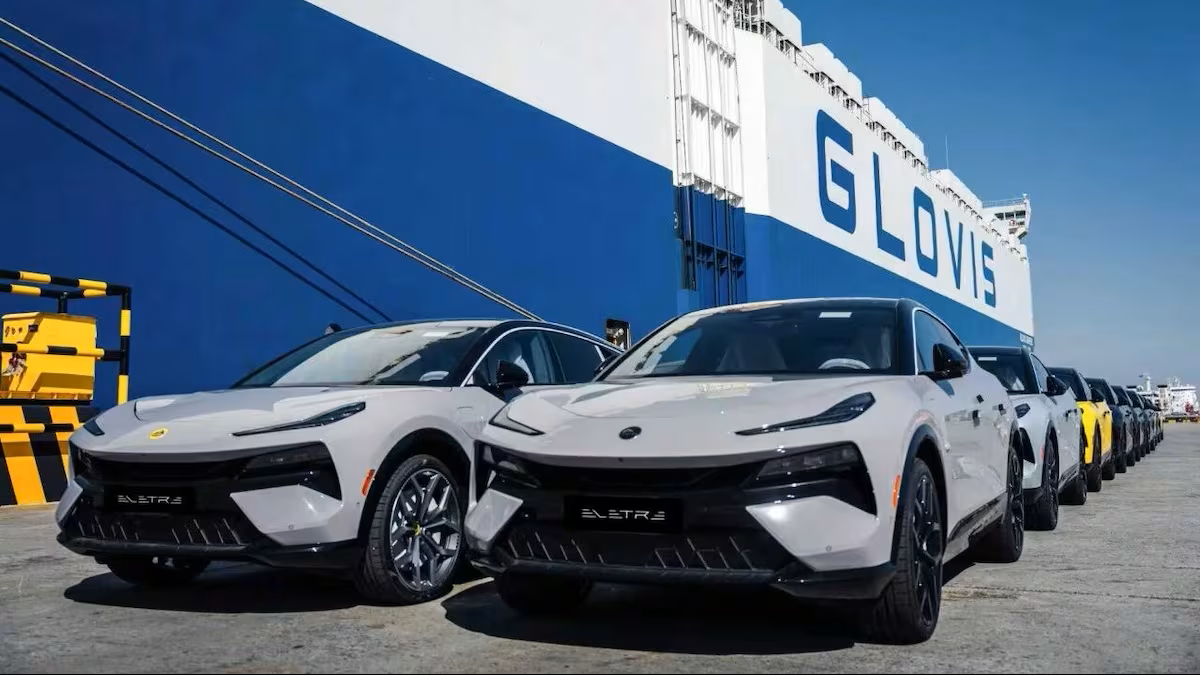
The initial strategy focused entirely on dominating the luxury battery-powered vehicle sector. Unfortunately, that ambitious vision turned into a commercial disaster. Aggressive international trade penalties effectively blocked the automaker from importing vehicles into lucrative Western regions. Because of these distribution hurdles, certain North American markets received exclusive access to the fresh vehicle lineup. Meanwhile, traditional consumers completely rejected the heavy new platforms.
Faced with collapsing demand, executives abandoned their previous timeline. The brand is formally reversing its pledge to build only electric vehicles moving forward. The company drastically reduced its global sales targets for the end of the decade. Instead of chasing impossible mass-market volume, they will target thirty thousand annual sales. The updated product roadmap emphasizes internal combustion engines combined with battery power.
This course correction means internal combustion engineering will remain relevant for the foreseeable future. A fresh high-performance V8 hybrid project is already under development. Additionally, engineers are actively integrating gasoline-electric powertrains into current mid-engine models. These power units serve as an essential alternative for global regions lacking robust charging networks.
The Lowdown
The current executive leadership team completely misunderstood the true value of their heritage. Consumers prized this brand for featherweight engineering and unmatched mechanical feedback. Constructing bulky, heavy crossover vehicles insulted the historical philosophy established by the company founders. Wealthy buyers refused to embrace the transformation, choosing established luxury brands instead.
To secure a stable future, the business must accept a smaller operational footprint. Niche enterprises like Caterham maintain strong profitability by respecting their core demographic. They remain small and avoid overextending into highly competitive market segments. Returning to lightweight engineering is the only way forward. Outsourcing assembly lines to Zenos is a humbling shift, but it protects a legendary badge from extinction.
Lotus