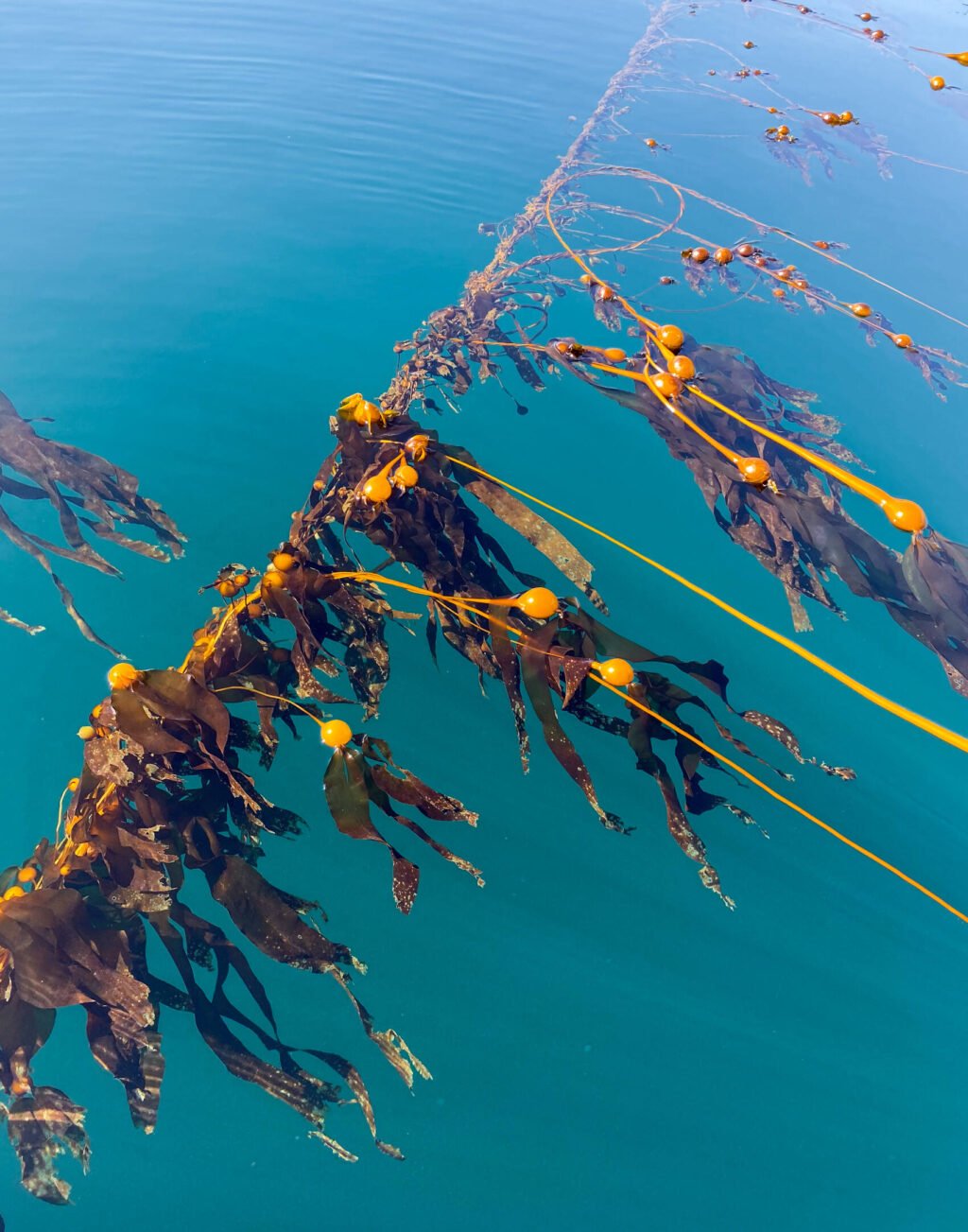
Along the southwestern coastline of British Columbia, Canada, the Howe Sound carves a stunning network of fjords and inlets, with the Hotham Sound nestled at its heart.
Yet, beneath the surface, a vital ecosystem is disappearing. Globally, over 40 percent of the world’s kelp forests have declined, with Hotham Sound itself recently impacted by mass die-offs.
“Right now, marine ecosystems are at rest with climate change. Climate change essentially warms the water, and it also increases acidification. There have been massive sea star die-offs, and that’s largely due to acidification,” explained Neda Kasraee, product manager at Veritree.
“Same with coral, you see really big stories coming out of the Great Barrier Reef in Australia, in particular, where you see coral that’s totally bleached, which is really devastating to see,” she explained.
To combat this loss and bring vitality back to the marine environment, conservation platform Veritree — with the support from Trees for Days — are collecting data to support a restorative kelp farming initiative.
Trees for Days is a G Adventures initiative in partnership with Planeterra — a leading non-profit using community tourism to change lives — that supports biodiversity conservation efforts. The aim is to grow trees that directly benefit communities around the world, and help them adapt to the growing impacts of climate change.
How data helps restore underwater forests
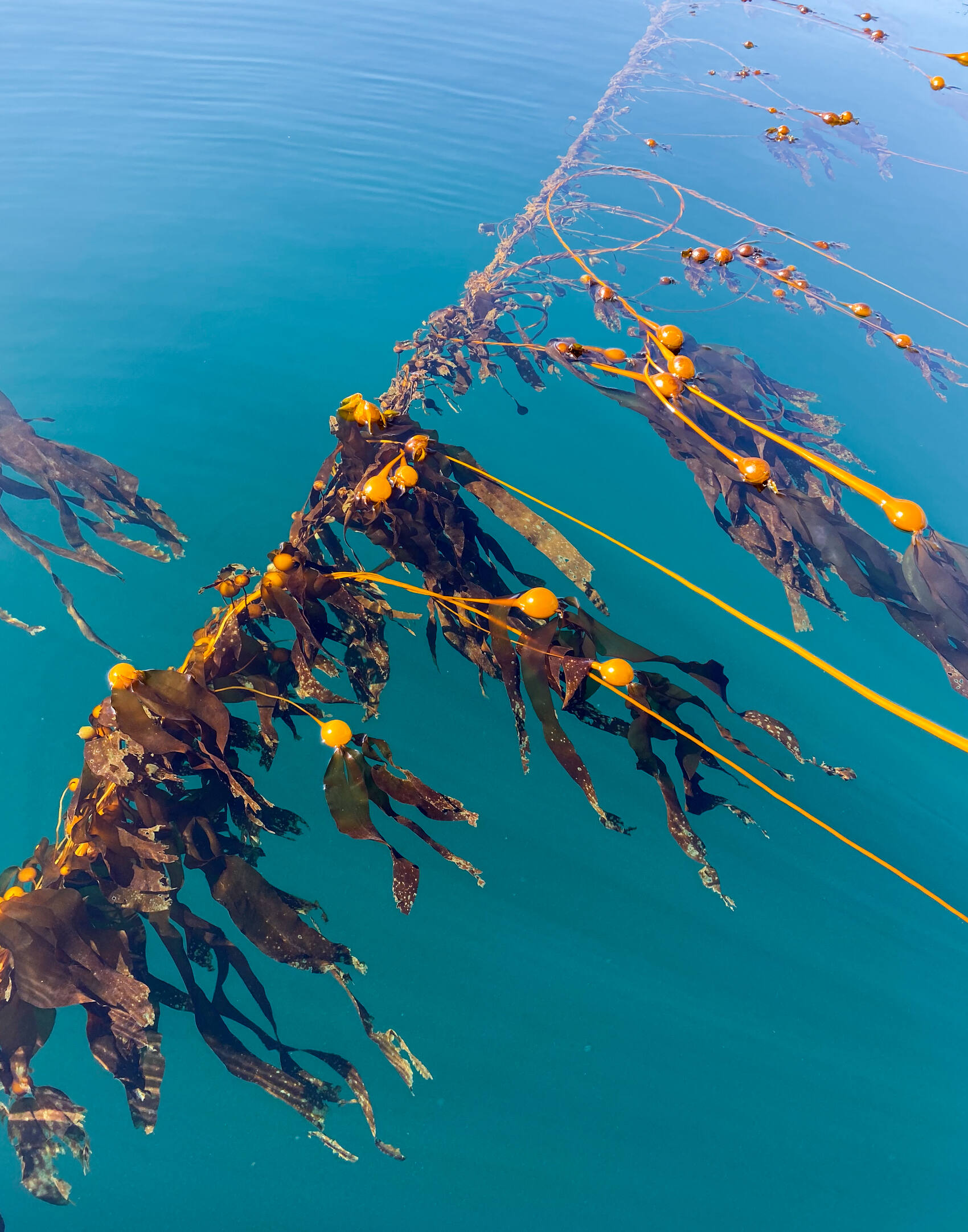
“Kelp forests are basically these underwater ecosystems that are formed by large groupings of kelp,” said Kasraee.
“Kelp forests are really pivotal in supporting marine ecosystems, because they not only sequester carbon in store, but they also reduce acidification when they do that, so it really can help bring back biodiversity to the area while they’re storing carbon and reducing acidification.”
Veritree uses a high‑fidelity, data‑driven approach to guide how kelp forests are restored, monitored, and improved over time. Field teams use Veritree’s app to record details about each restoration site, including the estimated area, existing conditions — such as obstacles, other habitats, or remnant kelp — and the species that are likely to perform best there.
This pre‑planting data helps plan how and where kelp should be introduced so that crews arrive with a clear understanding of the local environment, explained Kasraee.
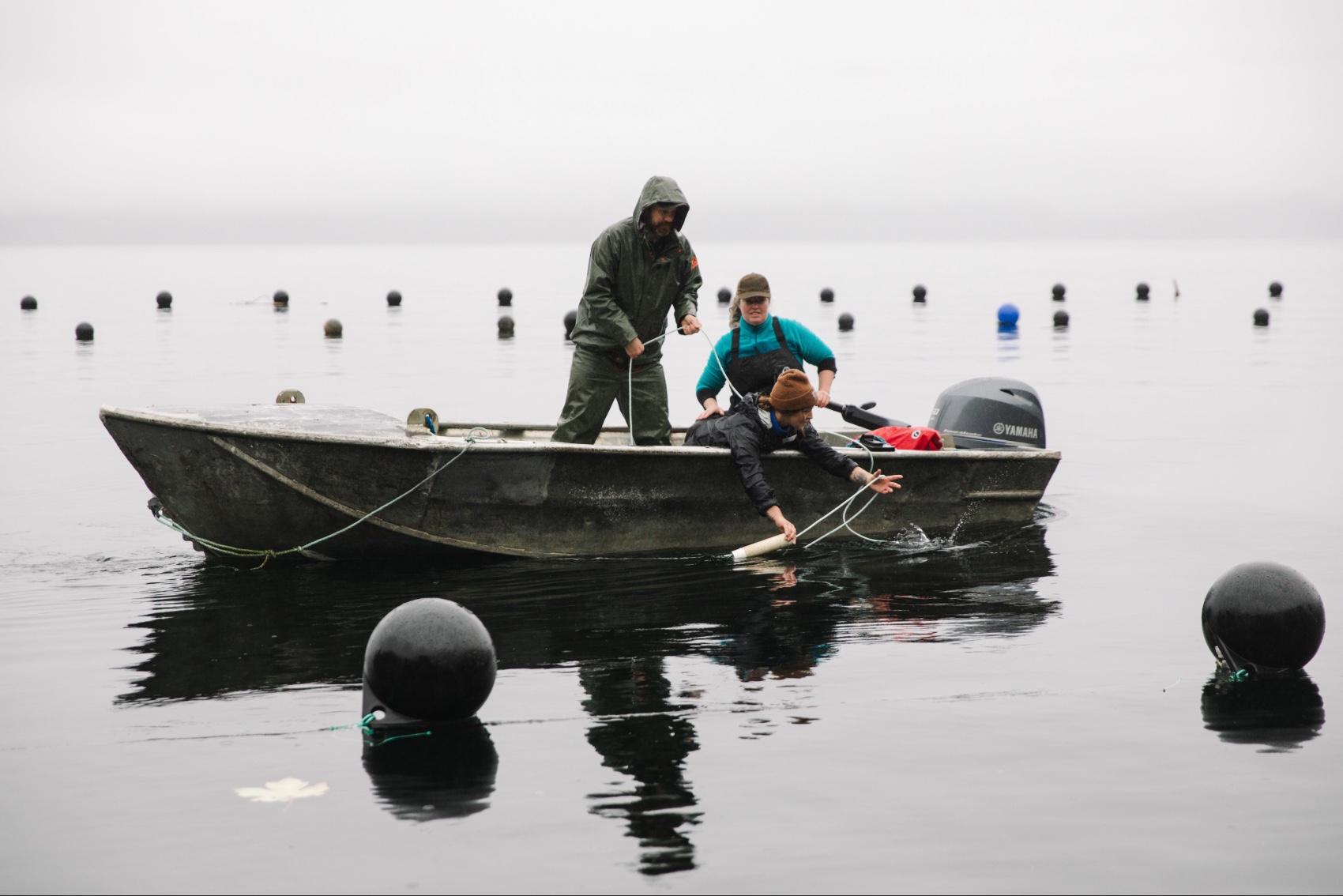
“You can put trees on the ground — but what happens after they’re put in the ground… are they surviving? Are they supporting biodiversity? Are they supporting connectivity of the forest? When you collect high-fidelity data from the field over time, you can really monitor these things,” she explained.
“So, it’s just more than tree planting, it’s about restoring degraded ecosystems, which I think is really cool. And getting data from our app — and we get data from other sources as well, like satellite data — you can have a really good picture of the impact that you’re making.”
Restoring marine life and local food systems
Not only do these underwater forests serve as vital habitats — providing shelter for organisms like starfish and various local fish species — they are a significant food source.
This is especially vital to Indigenous communities in British Columbia, Kasraee adds, who have relied on kelp for various cultural and ecological uses.
“It’s been used for medicinal uses, it provides a role in food system resilience for Indigenous communities, and then at a high level, it provides a role in creating habitat for different marine life,”explained Kasraee.
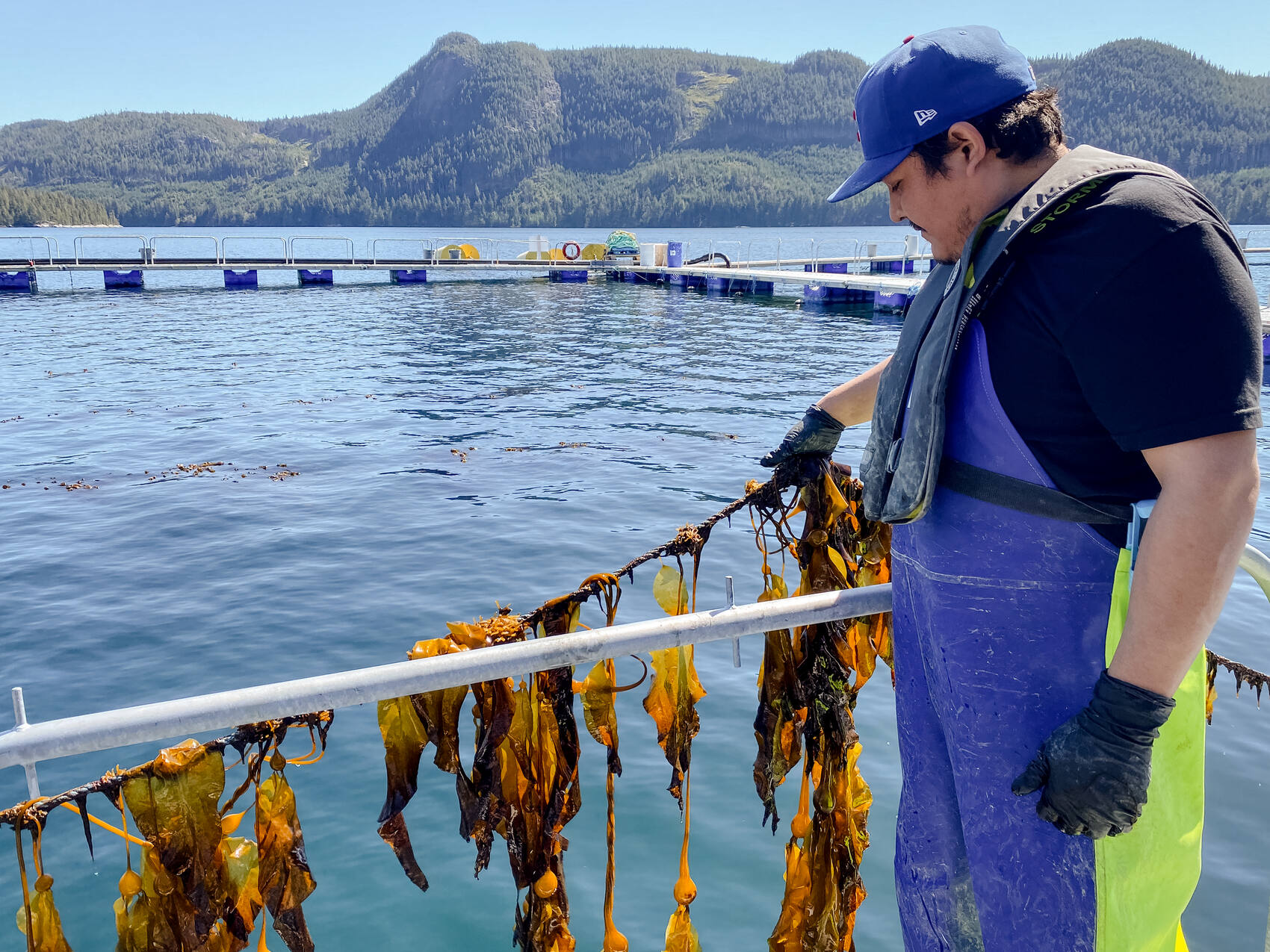
The Coastal Kelp project operates under an Indigenous cooperative structure — a model that benefits both the environment and local communities.
This approach provides meaningful employment opportunities to Indigenous nations and ensures they benefit from profit-sharing and proceeds from the harvested kelp, said Kasraee.
Once harvested, the kelp is channeled into a range of food products — including low-sodium seasonings, smoothie cubes, noodles, and even kelp pickles — demonstrating how ecological restoration can directly support economic opportunity.
The project has also seen a notable increase in species coming back to the area since the team has been working to restore and replant kelp.
“So they’ve seen a return in different fish species, oysters, and then they’ve seen a natural regeneration of kelp that they haven’t planted, which is pretty amazing,” she adds.
In addition to the coastal kelp project in British Columbia, Kasraee says she’s also been inspired by Veritree’s work in East Africa.
“Something pretty amazing that I saw, is a lot of employment opportunities in areas where there wasn’t always stable employment… You see a lot of women rising to managerial roles, which is difficult in those locations, so that was really inspiring for me to see,” she recalled.
By visiting these sites, Kasraee is able to better understand how Veritree can strengthen their processes in ways that actually work for them by listening to local experts who know their ecosystems best.
“My goal is to make sure that they’re getting what they need, and then also we’re doing things in the most active, most proper, robust, high integrity way,” she said.
Read more stories like this:
How an Indigenous community in the Philippines is restoring a rainforest
From rescue to release: inside Naxos Wildlife Protection’s turtle conservation
Meet the signature expert leading shorebird conservation efforts in China’s Yellow Sea