Testing The North
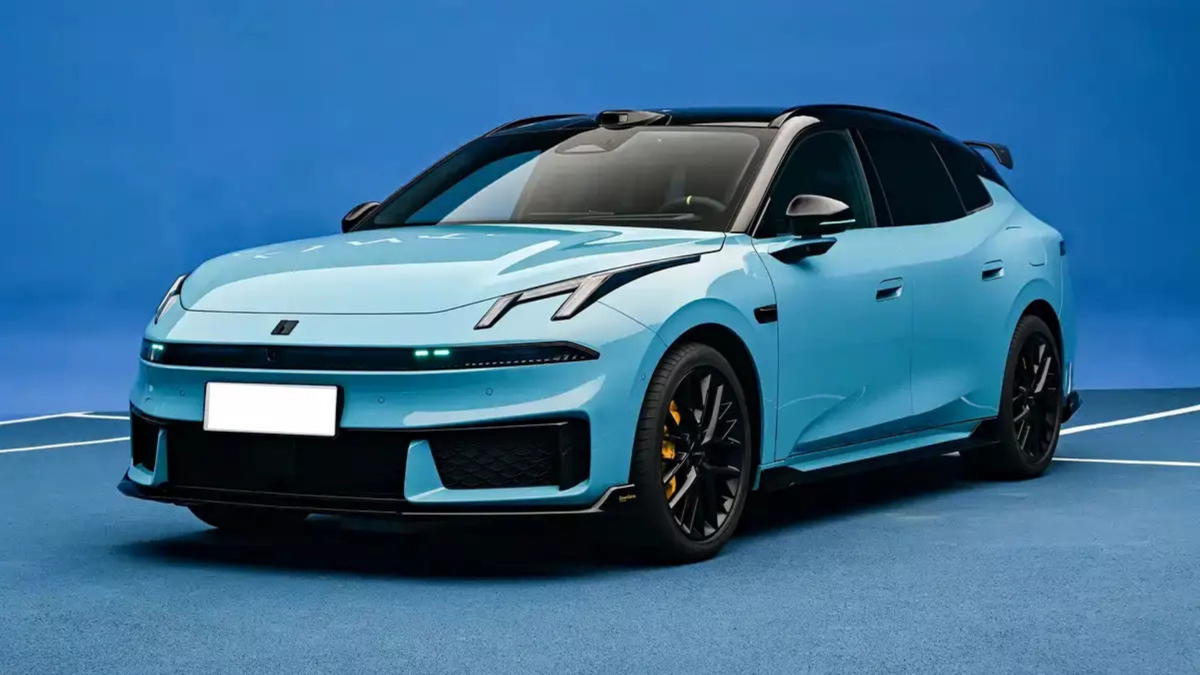
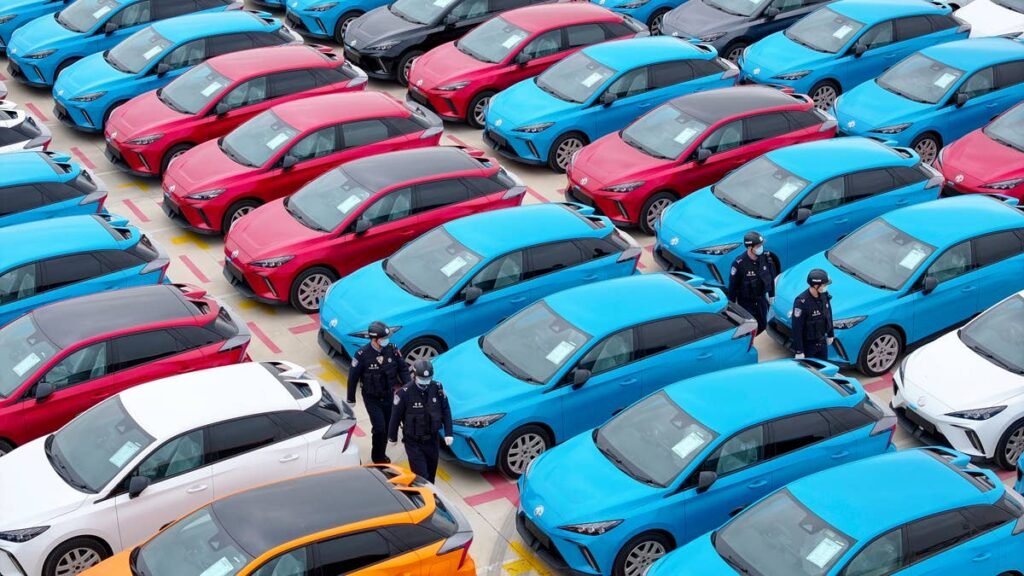
After Canada moved to open its market to Chinese electric vehicles earlier this year, the U.S. has continued to insist it won’t follow suit. But from the perspective of Chinese automakers, it’s only a matter of time before they’re allowed into the U.S. market, even if the timeline remains uncertain.
Automotive News reported that Chinese automakers could use Canada as a stepping stone before entering the U.S. market. Canada is closer to the U.S. in terms of consumer demand than Mexico, where buyers tend to prioritize affordability. Dealer relationships between Canadian and U.S. groups could also help pave the way for this unprecedented move.
The American Dream Remains
Chery International President Zhang Guibing said, “We definitely have the idea of selling cars in the United States. Everyone definitely has that idea.” Meanwhile, Daniel Ross, director of strategic market insights at Canadian Black Book, argued that entering the Canadian market in limited numbers wouldn’t make financial sense for Chinese automakers unless the U.S. market eventually opens up.
For context, Canada is allowing only 49,000 Chinese EVs at a lower tariff rate in the first year, with the quota gradually increasing to 70,000 units over the following five years.
National security is one reason the U.S. remains wary of Chinese automakers, so much so that Polestar, which uses Chinese-linked connected-car technology, will stop selling new vehicles in the U.S. starting with the 2027 model year. Another concern is competitiveness, as lower-cost Chinese vehicles could draw sales away from U.S. legacy automakers.
Given the similarities between the two North American markets, Robert Kerwal, director of automotive solutions at J.D. Power Canada, said, “Canada is the practice run for the U.S.”
Eyes On Canada
It is not hard to imagine some American buyers still preferring homegrown vehicles, such as the Ford F-150 and Chevrolet Silverado. But a Cox Automotive study shows that more Gen Z buyers are open to considering Chinese cars because of affordability and technology. Reliability was the most cited reason respondents said they would not consider one.
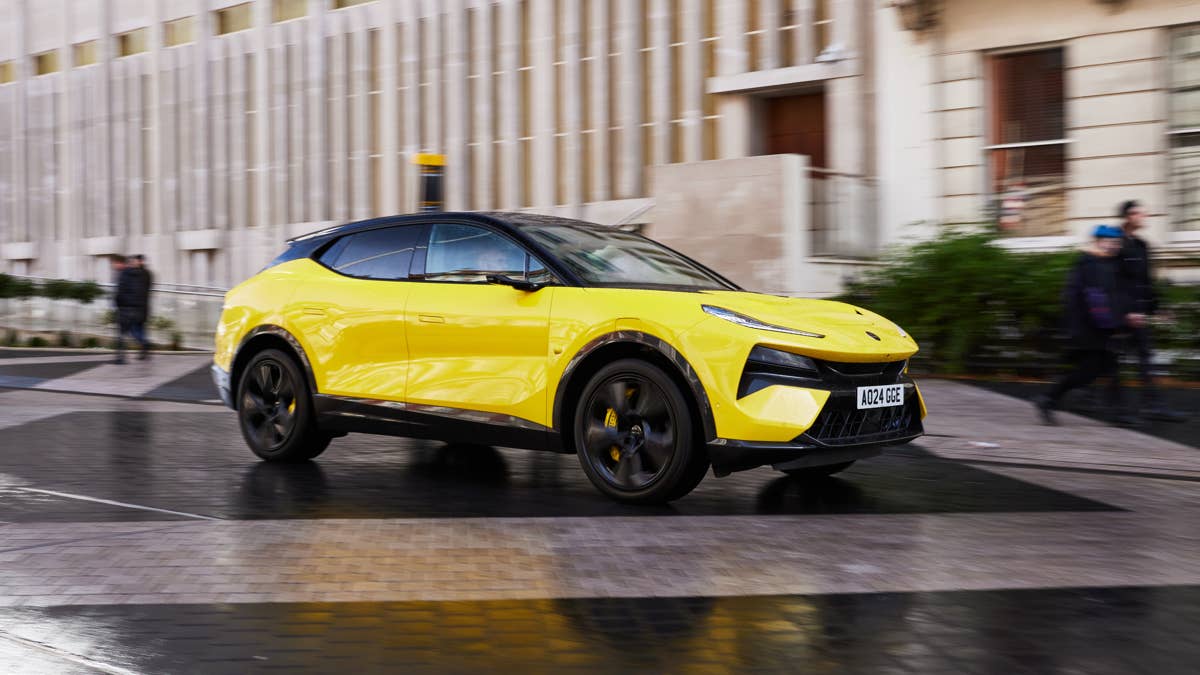
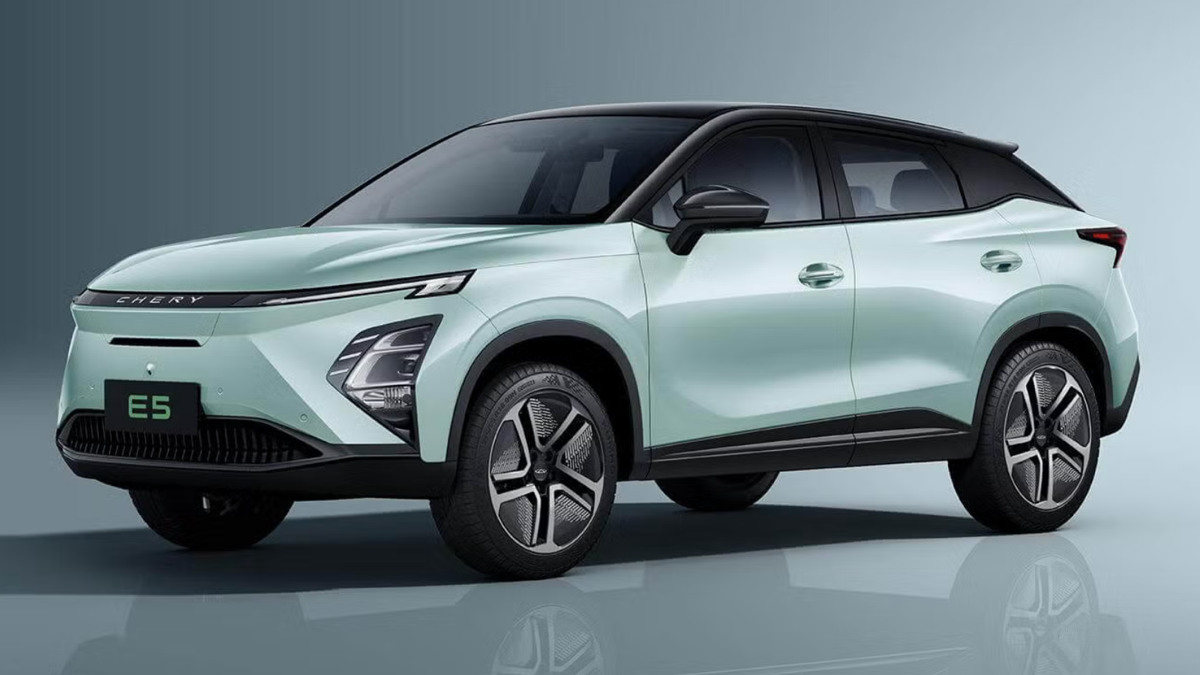
With all that said, Canada’s response to incoming Chinese EVs could offer a preview of what might happen if those brands eventually enter the U.S. Chery’s Zhang Guibing appears optimistic about that possibility, saying the automaker hopes to enter the U.S. at a “suitable time.” For now, Geely-owned Lotus is set to bring the first Chinese-owned, Chinese-built EV to Canada under the new Canada-China trade agreement with the Eletre, with BYD and Chery expected to follow.
Geely