The Long Soak
Pulling cars out of rivers or lakes is not uncommon. Those cars end up submerged for various reasons, including crashes, with some incidents becoming cold cases or forgotten ones. What is not common, however, is people salvaging parts from these cars, since they are usually considered total losses.
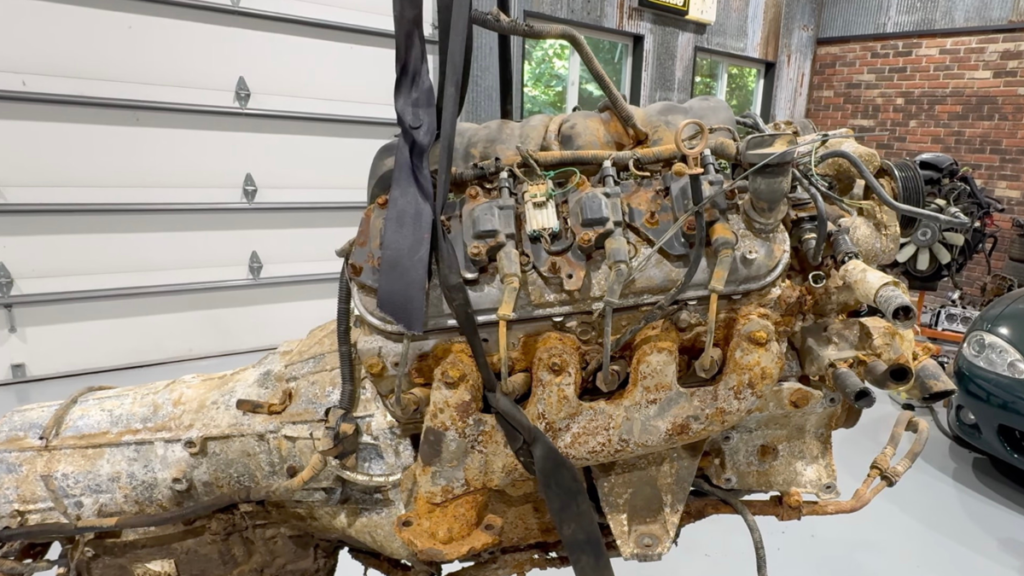
That is why it was interesting to see Eric from I Do Cars tear down a 6.2-liter L99 V8 from a 2011 Chevrolet Camaro that was said to have been submerged in the Ohio River for nearly four years. He has torn down countless engines already, from diesels to a BMW V8, but this one was especially unusual.
Inside The Damage
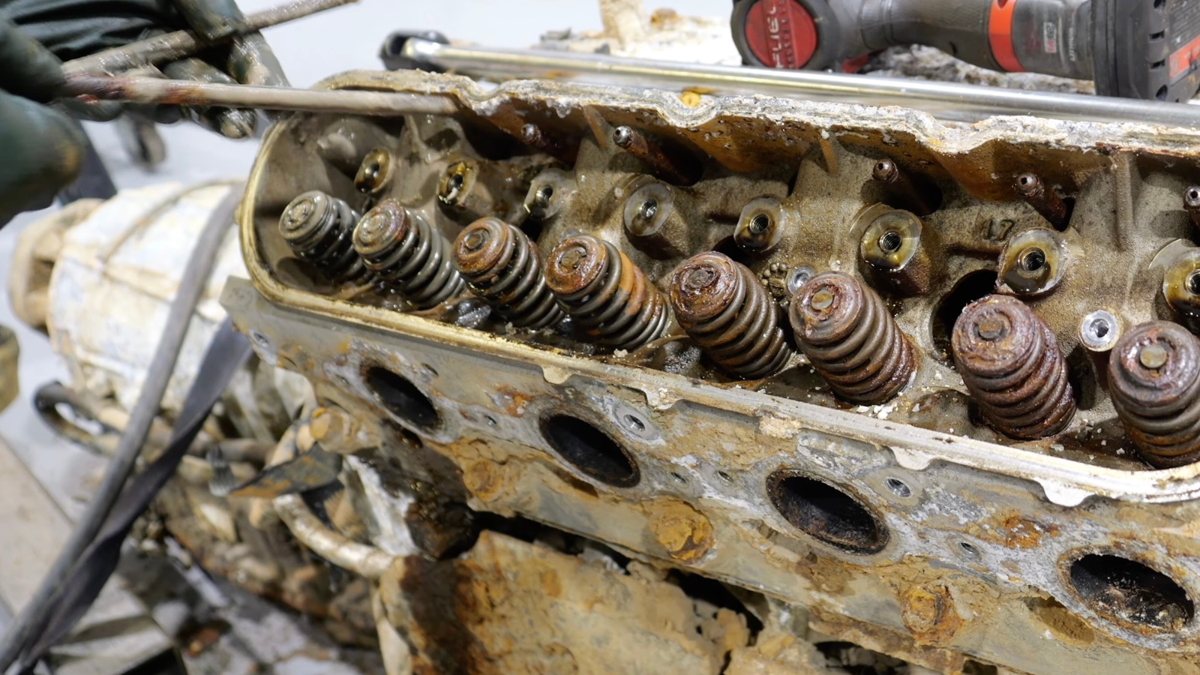
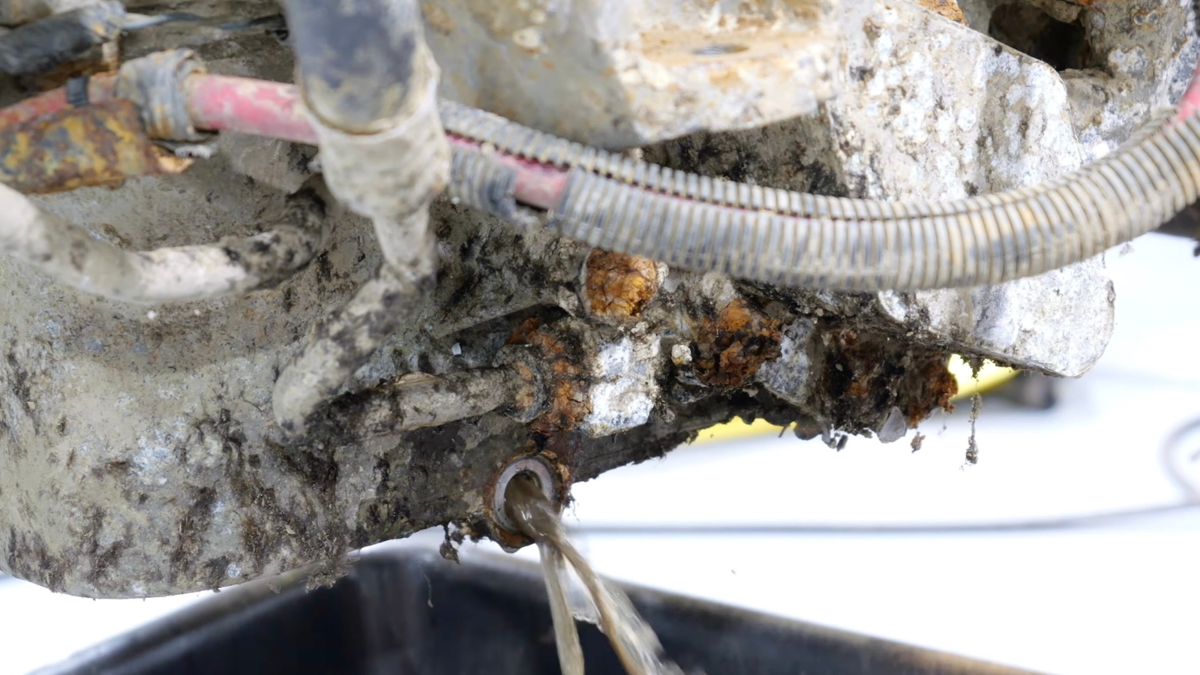
As expected, the engine arrived heavily rusted and corroded. But one interesting observation throughout the teardown was that some of the internals held up surprisingly well. That is because some parts were still coated in oil, which helped protect them from severe rust.
The biggest red flag was the missing pushrod. Eric also noticed that the rocker corresponding to the missing pushrod lacked the expected spring tension. Based on those details, he theorized that someone had purposely removed the pushrod due to a lifter issue, which could be costly to repair. Doing so would quiet the ticking noise, allowing the Camaro to be driven without excessive noise, though it would still have a misfire.
The Plot Thickens
The Carfax report also reportedly showed a theft claim and an insurance payout on the same day. The assumption was that someone removed the pushrod, reported the car stolen, and drove the Camaro into the river to ensure it would be unrecoverable and declared a total loss, suggesting possible insurance fraud. That theory is also supported by the fact that the valve cover came off easily, which would normally require more effort, suggesting someone had opened up the engine and removed the pushrod.
Aside from the detective work, the mechanic was surprised that some parts, including the crankshaft, were still salvageable despite spending years underwater. It was an interesting revelation, though it also shows the difference between a slow kill and a sudden one. An engine that ingests water while running would likely suffer far more catastrophic damage, since hydrolock occurs when water enters the cylinders, where it cannot be compressed and can bend or destroy internal components.