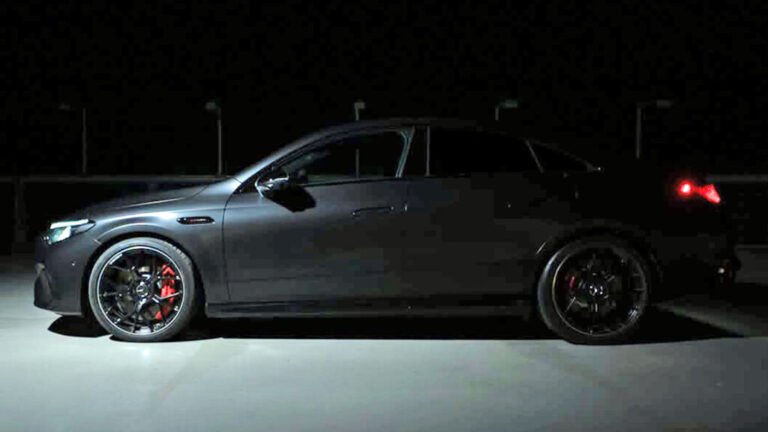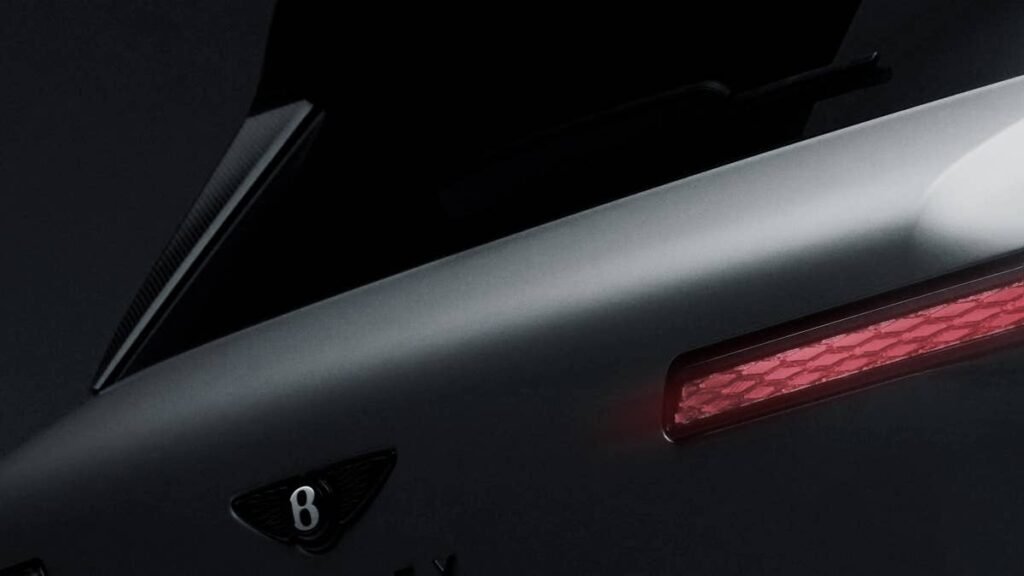
Bentley has finally named its first electric car. The Torcal, a luxury SUV due for a full reveal on September 23, is the biggest new-model moment for the 107-year-old marque in years, and it arrives just as the high-end EV market it is entering has turned cold. It joins the Continental GT, Flying Spur, and Bentayga as Bentley’s fourth core model line, and it is the car the company has been teasing since it first promised an electric future back in 2021. Like the Bentayga before it, the name comes from a natural landmark, in this case, El Torcal de Antequera, a dramatic limestone landscape in Andalusia, Spain. Bentley is quick to note that the word also traces to the Latin torquere, meaning to twist, the root of the modern word torque, a fitting nod for a car whose electric motors will deliver instant pulling power. The reveal is still months out, but the strategic story is already the interesting part.

What the Torcal is
Bentley is holding back the full specification sheet, but the shape of the car is clear. The Torcal is a luxury urban SUV that sits below the Bentayga in size while using its dedicated electric architecture to free up interior space. It is based on the EXP 15 concept Bentley showed in 2025, and it rides on Volkswagen Group’s Premium Platform Electric, the same underpinnings as the coming Porsche Cayenne Electric and Audi A6 e-tron.
Expect serious numbers when the covers come off. Bentley has indicated a driving range beyond 300 miles and ultra-fast charging capable of adding roughly 100 miles in about seven minutes, with a dual-motor setup anticipated. Chairman and chief executive Frank-Steffen Walliser has called it “the most considered car in our history,” a bold framing for a company whose combustion cars already set a high bar for craftsmanship. Notably, this model will not be offered with a gas engine at all.
Launching into a cooling market
Here is the twist that makes the Torcal more than just another EV reveal. Bentley is bringing its first electric car to market at arguably the worst moment for luxury EVs in years. Demand for expensive electric models has softened across the United States, Europe, and China as affluent buyers increasingly gravitate toward plug-in hybrids rather than full EVs, and the industry has noticed.
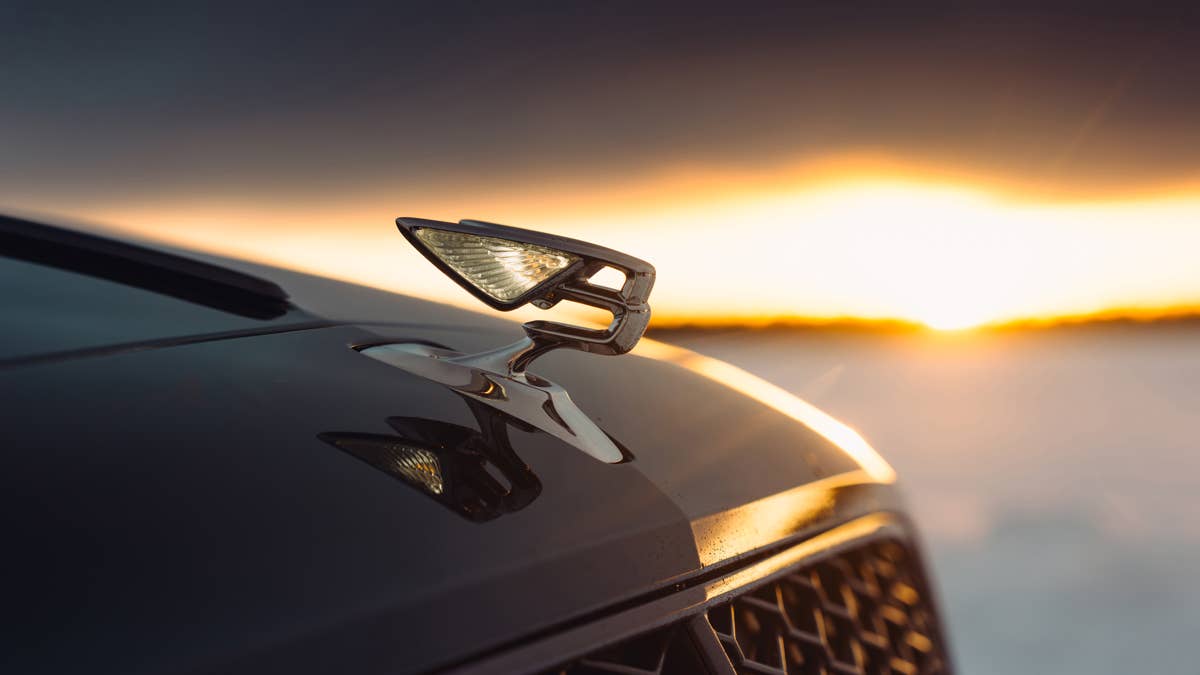
Bentley
The response from the luxury field has been a broad retreat from aggressive electric timelines. Porsche, Audi, Mercedes-Benz, and even Ferrari and Lamborghini have slowed their EV plans or leaned harder into hybrids as demand has cooled. Bentley has done the same, pushing its target of becoming an all-electric brand from 2030 out to 2035 and committing instead to launch a new plug-in hybrid or electric model each year until then. The Torcal itself was originally meant to debut last year and was delayed precisely because luxury EV demand was weak.
Bentley’s measured bet
Rather than chasing volume, Bentley is positioning the Torcal as a luxury-first product that happens to be electric, leaning on proven Volkswagen Group hardware underneath while pouring its effort into bespoke craftsmanship and exclusivity. That approach lets it enter the segment without betting the company on it, and combustion and plug-in hybrid Bentleys will remain on sale well into the next decade. There are early signs of confidence. Bentley showed the electric SUV behind closed doors to invited guests in Miami and Los Angeles, and its North American chief said a large majority of attendees came away saying they would buy one. Whether that enthusiasm survives contact with a cooling market is the open question, and it is a high bar: an electric Bentley has to feel every bit as special, silent, and superbly built as the combustion cars that made the brand’s name. The answer starts to arrive on September 23.