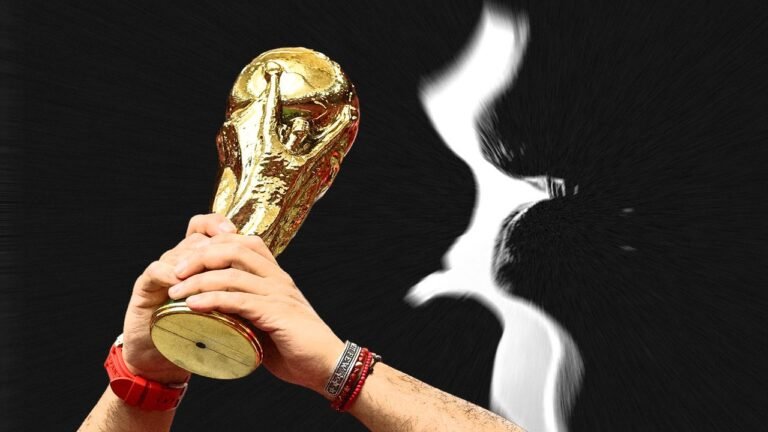
This summer, billions of dollars have poured into FIFA Men’s World Cup sponsorships.
Brands are competing for visibility during one of the largest sporting events on earth. Stadium signage, television commercials, social campaigns, athlete partnerships, hospitality activations—every marketer wants a piece of the action. And for good reason. Few events command global attention quite like the FIFA World Cup.
While many brands are focused on winning this summer, the smartest sponsors are already looking ahead to the next World Cup—not the men’s tournament in 2030, but the FIFA Women’s World Cup in Brazil, less than 12 months from now.
WORLD CUP IS A PLATFORM
The biggest mistake marketers can make is treating any FIFA World Cup as a campaign. The best brands treat it as a platform.
The Men’s World Cup remains one of the few truly global cultural moments. It brings together fans, brands, media, and athletes from virtually every corner of the world, making it a coveted sponsorship opportunity in sports. But it’s also becoming increasingly crowded and expensive.
During events of this scale, attention is up for grabs. Trust in fellow fans—exemplified by my native Tartan Army leaving such a positive impression in Boston and Miami—is abundant. Trust in brands, however, is scarce.
The question for marketers shouldn’t be about how to maximize World Cup spend, but how to turn World Cup attention into long-term fan relationships.
ENTER: WOMEN’S SOCCER
That’s where women’s soccer enters the picture.
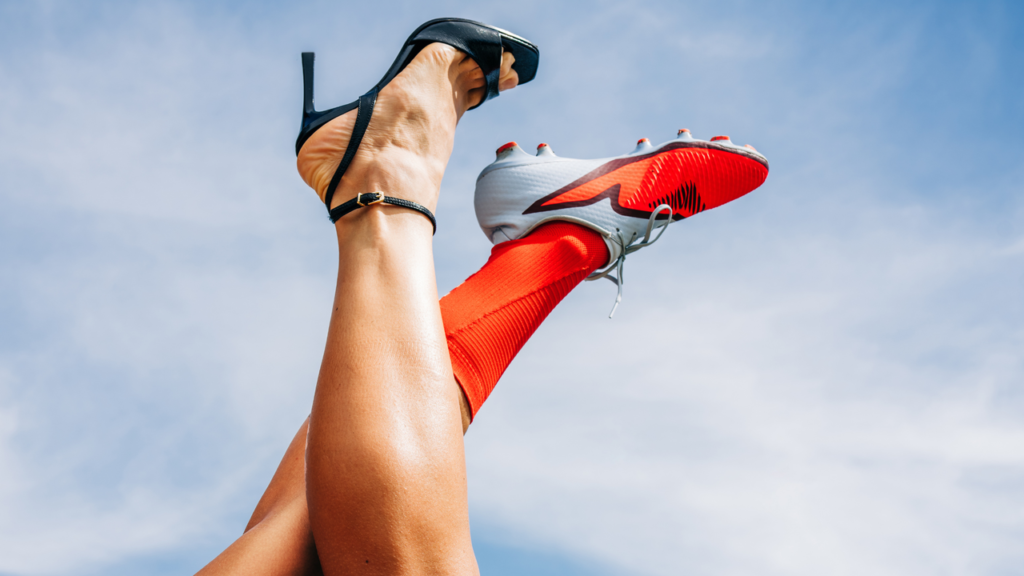
For years, women’s sports were framed as an emerging opportunity. That framing no longer fits. Women’s soccer has developed a deeply engaged, values-driven, and commercially promising fan community.
Parity research has shown that fans reward brands that invest consistently, not just opportunistically. In our recent study of women’s soccer fans, more than one in four reported making a purchase because of a brand’s sponsorship, making them 58% more likely to do so than fans of women’s sports overall. That’s measurable impact.
Women athletes also continue to outperform traditional influencers on the metrics that increasingly matter to brands: trust, credibility, and purchase intent. In a marketplace saturated with paid endorsements and polished campaigns, authenticity has become one of the most valuable assets a brand can own.
That makes women’s soccer a massively underpriced growth opportunity in sports marketing today.
Many marketers still view the Men’s and Women’s World Cups as separate events. One happens in 2026. The other happens in 2027. But soccer fandom is continuous, and the smartest brands recognize that the world’s love affair with the beautiful game is enduring and eternal. Dipping in and out doesn’t garner loyalty the way that long-term involvement does.
Brands that activate around the Men’s World Cup only to disappear afterward risk fading from the conversation just as quickly. Those that use this summer to begin or deepen their investment in women’s soccer position themselves to remain part of the cultural conversation long after the trophy has been lifted.
IDEAL TIMING
The timing couldn’t be better.
The 2027 FIFA Women’s World Cup in Brazil has the potential to become the most commercially significant tournament in the event’s history. For U.S. audiences, it will also be the first Women’s World Cup in more than a decade played during favorable viewing hours, making it easier for fans to watch matches live, gather in sports bars, engage on social media, and participate in the shared moments that drive fandom and brand engagement.
Just as importantly, the tournament arrives at a moment when women’s soccer in the United States is already experiencing unprecedented momentum. Record attendance. Rising media rights values. Increased sponsorship investment. A new generation of globally recognizable stars. We’re already in a golden era for women’s soccer in this country, and the 2027 tournament will accelerate the momentum.
For marketers, the road from 2026 to 2027 should be viewed as one extended opportunity to build affinity with the next generation of global soccer fans.
Consumers notice which brands show up only for the biggest moments, and which ones remain invested.
A World Cup campaign generates awareness, while a multi-year investment builds credibility.
Whether through athlete partnerships, community initiatives, original content, or sponsorships of women’s clubs and leagues, brands have countless opportunities to demonstrate that their investment in soccer extends beyond the highest-profile events.
USE PROXIMITY TO HELP BUILD RELATIONSHIPS
The next several years represent a once-in-a-generation runway for soccer in the United States: the 2026 Men’s World Cup in the U.S., the 2027 Women’s World Cup in the Americas, and international soccer returning to U.S. soil during the 2028 Olympics. In between those marquee moments, domestic women’s leagues and an increasingly visible pipeline of elite talent will keep the sport firmly in the cultural conversation year-round. And with the United States expected to cohost the 2031 Women’s World Cup, brands have the opportunity to build meaningful relationships with fans over the better part of a decade.
Those that begin investing now will benefit from more than one single tournament cycle. They’ll grow alongside what promises to be a transformative era in women’s soccer history. Brands can’t afford to wait on their women’s sports strategy until everyone else realizes its value.
As the world celebrates another unforgettable Men’s World Cup, marketers should think beyond the next match, the next activation, or even the next quarter.
Successful sponsors will see this summer as the opening act instead of as a finish line.
Because when the final whistle blows of this World Cup, the next chapter of global soccer growth will already be underway. It will be led by the women taking the field in Brazil in 2027. Ratings will rise. Women’s sports bars will be packed. Fans will once again rally around the world’s game. And the brands leaning in will reap the rewards.
Leela Srinivasan is CEO of Parity.