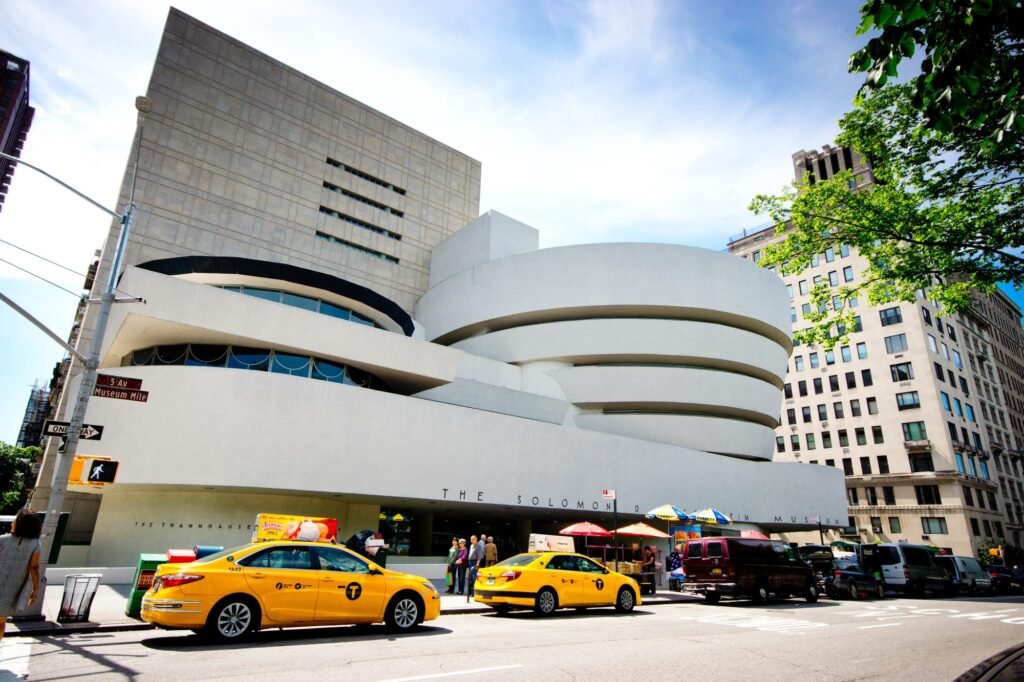
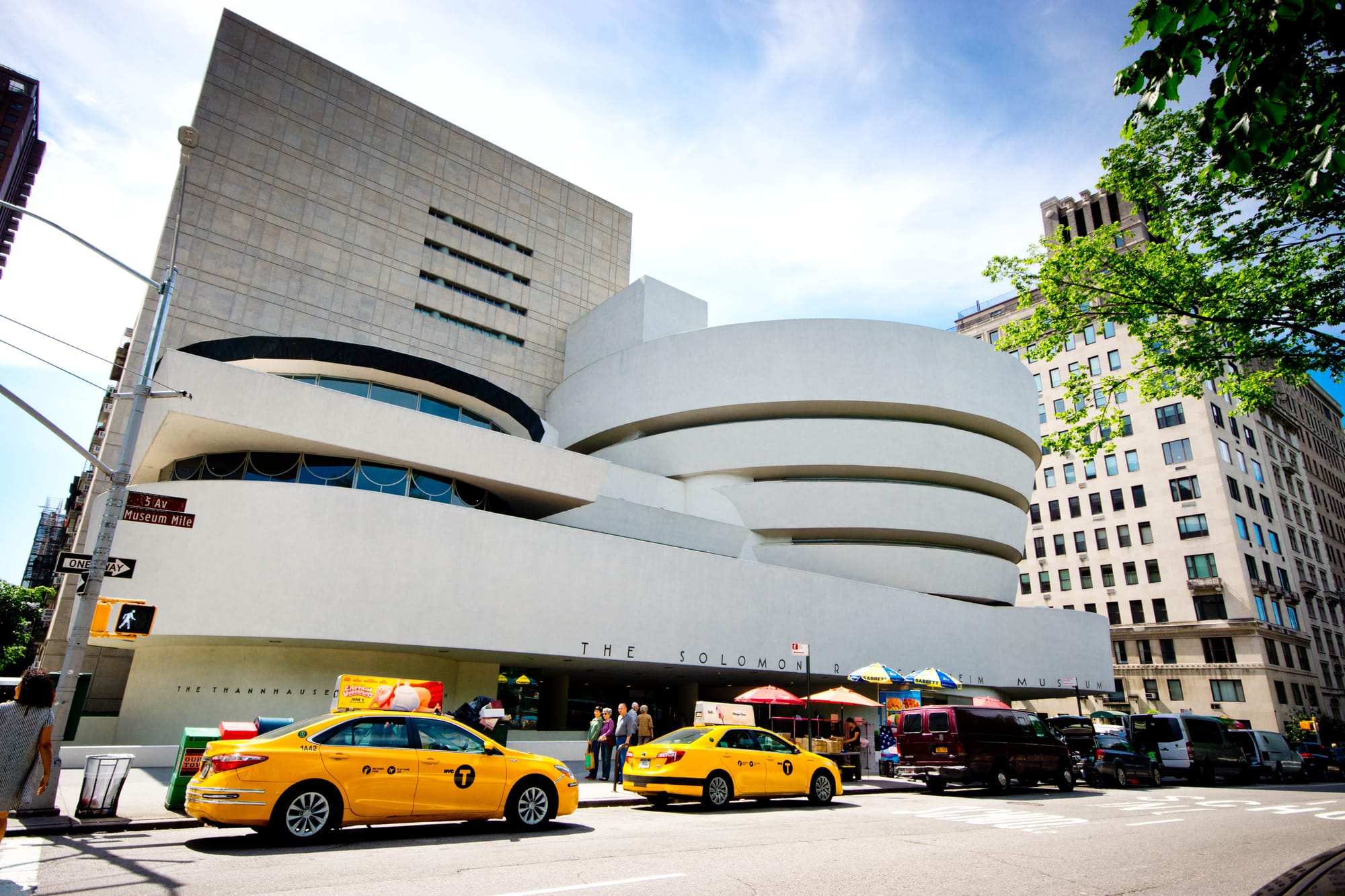
The New York City Department of Health and Mental Hygiene discovered Legionella, the bacterium that causes Legionnaires’ disease, in the Guggenheim Museum’s cooling tower this week during a series of preliminary tests attempting to identify the origin of a recent cluster of illnesses.
A museum spokesperson confirmed the positive result to Hyperallergic and said there was no present danger to museum staff or the public inside the museum after it took “remediation” actions requested by the city. Legionnaires’ disease is a form of pneumonia that can be contracted by inhaling mist containing the bacteria. It is not transmitted between people.
The Guggenheim is located in one of three Upper East Side zip codes (10028, 10128, and 10075) where 46 individuals have contracted Legionnaires’ disease, as of July 9. The Mayor’s Office ordered initial PCR screening tests for more than 180 cooling towers in an attempt to identify the source of the “community cluster,” which it defines as “three or more cases linked by location and time.”
The Guggenheim spokesperson told Hyperallergic that the museum conducts regular tests of its cooling towers, per city regulations.
“We understand that the Guggenheim is one of over 150 cooling towers that have been tested in the identified zip codes, and full results of this inquiry are not yet known,” the spokesperson said. “The Department of Health requested that we take remediation steps, which were done immediately. We have been advised that there is no additional action needed at this time, and this poses no risk to anyone inside the building.”
Alister Martin, commissioner of the New York City Department of Health and Mental Hygiene, announced in a press conference today that there are 31 cooling towers in the cluster area — which includes parts of Museum Mile — that tested positive for Legionella. Nineteen of those buildings have already taken remedial efforts.
The city ordered buildings with cooling towers that tested positive for the bacteria to take immediate action, including by “draining, cleaning and disinfecting the towers.”
The PCR tests used by the city do not distinguish between live bacteria, which could infect people, and dead bacteria, which do not cause infection, Martin said. There is no risk to people inside any of the buildings identified by the city, according to the commissioner, because the disease spreads through water droplets and cooling towers are exterior features.
Cooling towers, typically located on the rooftops of buildings, are a mechanism of air conditioning and refrigeration systems. The towers contain warm water, where Legionella can thrive and spread to humans through mist.
In a press conference on Friday, city health officials said that anyone who was in the cluster areas beginning July 2 — and through the present — could have been exposed to the bacteria, and urged anyone experiencing symptoms to seek medical care.
The Guggenheim spokesperson did not confirm the date that the city identified Legionella in the museum’s cooling tower. However, according to the Art Newspaper, staff were notified of the discovery in an internal email sent on July 8.
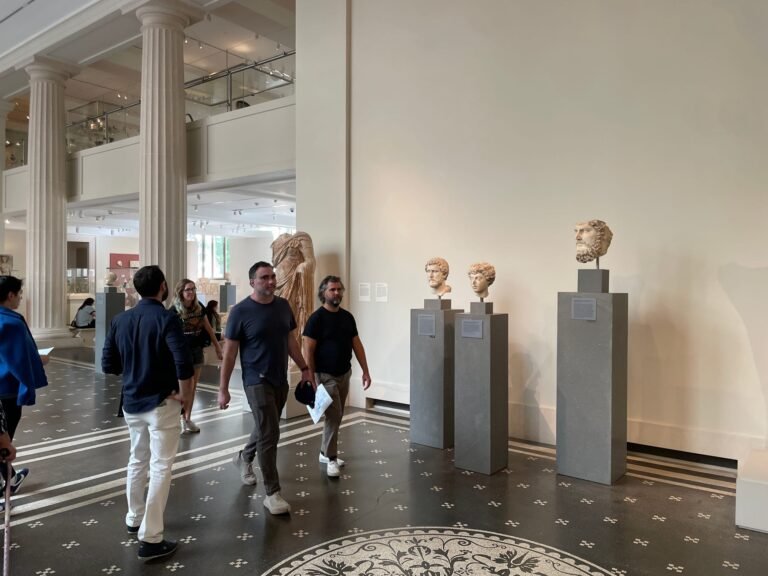
The city is expected to imminently release a list of the addresses of buildings that initially tested positive for Legionella. The Metropolitan Museum of Art, which is also located in the cluster zone, did not immediately respond to a request for comment.