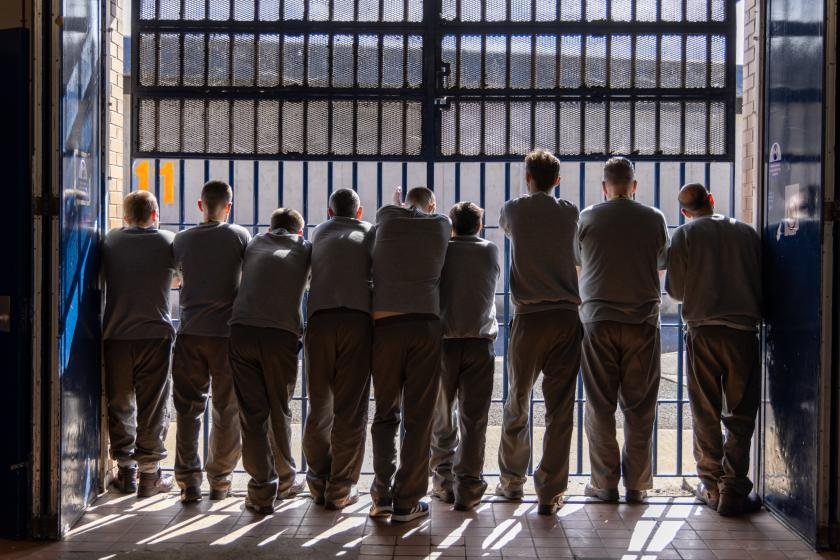
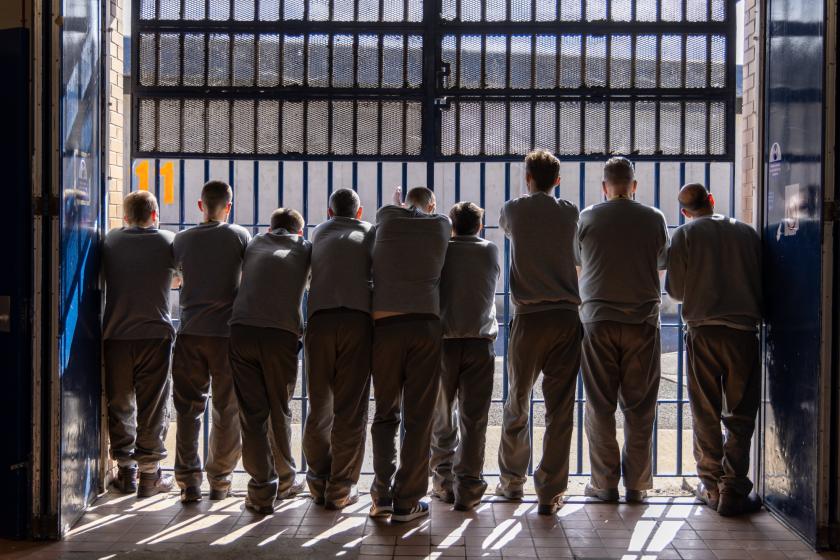
Andy Aitchison is the UK’s foremost prison photographer. In a new book from Bluecoat Press, two decades of his work find the people behind the clichés – delicate, tragic and often surprisingly ordinary.
I’ll say this up front, because it determines how I read a book like this one: I’m all for reforming our prison system, and I believe people deserve a second chance. Most of us have done something we’re not proud of. The difference, more often than not, is circumstance – our upbringing, who was around, what came next, whether anyone gave us the room to put it right.
I have people in my family who suffered a lifetime of crime and drugs, two of whom are now dead. I liken it to being at the bottom of a slippery well. Once you’re in that deep, dark hole, it’s very difficult to get out. So a body of work that looks at the people inside our prisons and sees them as actual people, rather than as a headline or a mugshot, is exactly the kind of thing I want to champion.
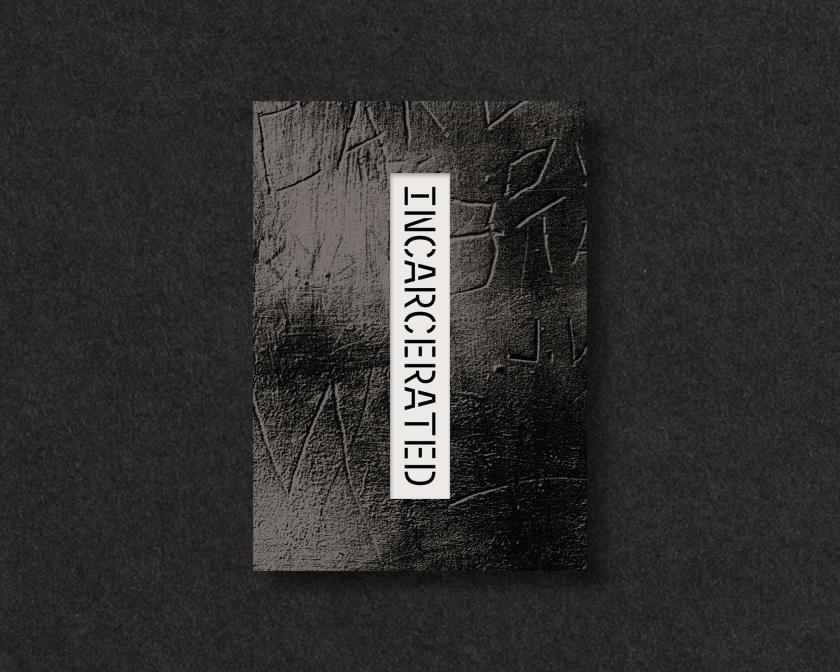
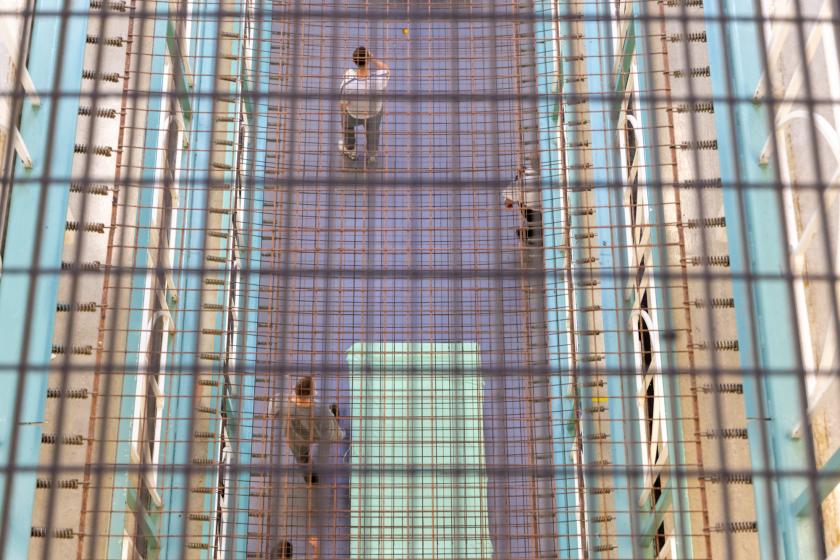
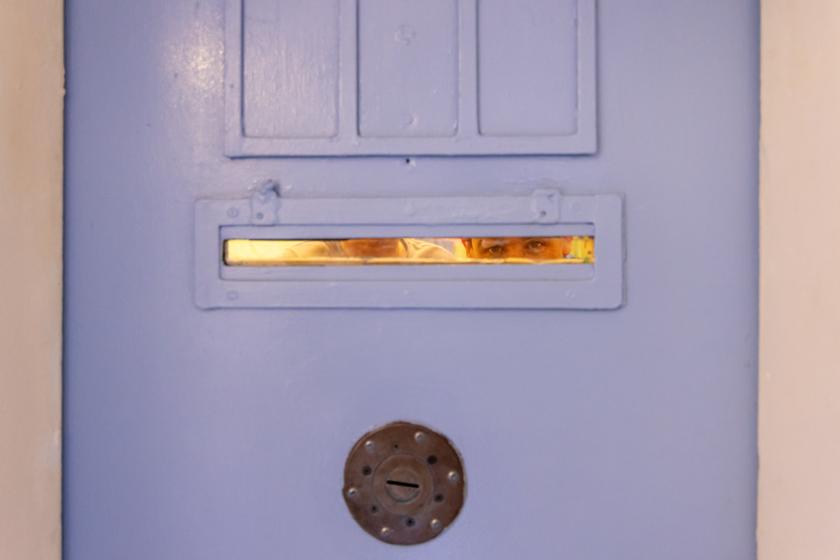
Which brings me to Incarcerated, a new book from Bluecoat Press collecting the work of Andy Aitchison, the UK’s foremost prison photographer. Every image is taken inside Britain’s Victorian-era prisons, and the whole thing has been made with real care. There’s a softback first edition with a die-cut cover and silver foil, out now in a standard edition and a very limited signed one.
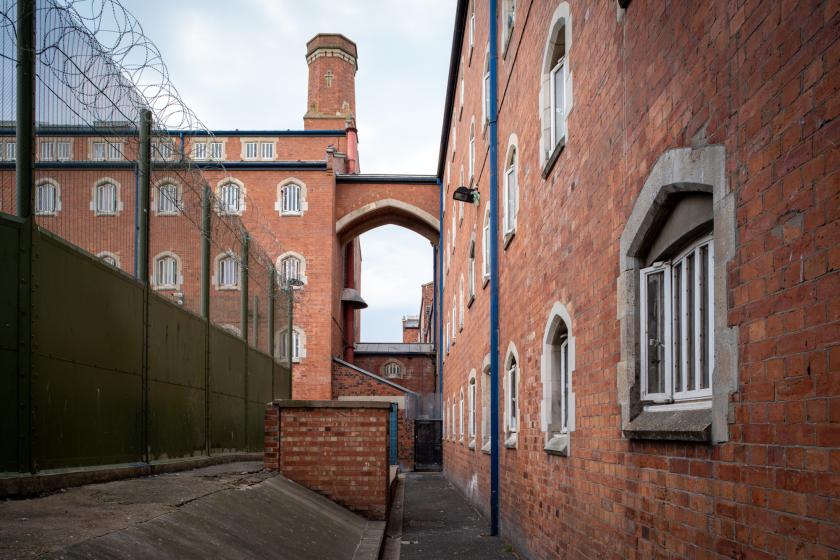
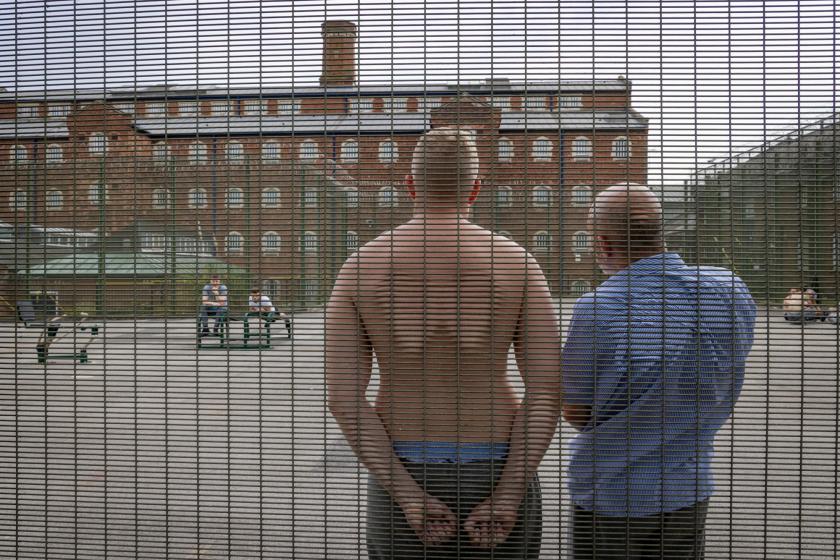
Andy West, Philosopher in Residence at HMP Grendon, puts the appeal better than I could. “Honest but never dreary, these images are rich with a playful storytelling that takes us beyond prison clichés, to places that are delicate, tragic and beautiful. If more people looked at prisons and the people in them the same way as Andy Aitchison, then they would surely become more humane places.”
An accidental beginning
It was never the plan for Andy to spend two decades doing this. It started in 2004, when The Big Issue asked him to photograph inside HMP Wandsworth – and, as he told Time Out, the place got under his skin straight away. “As soon as I got in, the environment fascinated me. The architecture was incredible, and the prisoners were just normal people. I went on to one of the wings, and there was the usual shouting, but when I got to the radio room, it was like a bit of a sanctuary. Once the guys stepped in there, it was a work environment, and they became almost different people.”
He adds, “I went 10 or 15 times over six months. I started meeting guys the same age as me, who had a kid like me – they were in the same situation in life as me, but they were in prison and I wasn’t.” You can see why he kept going back.
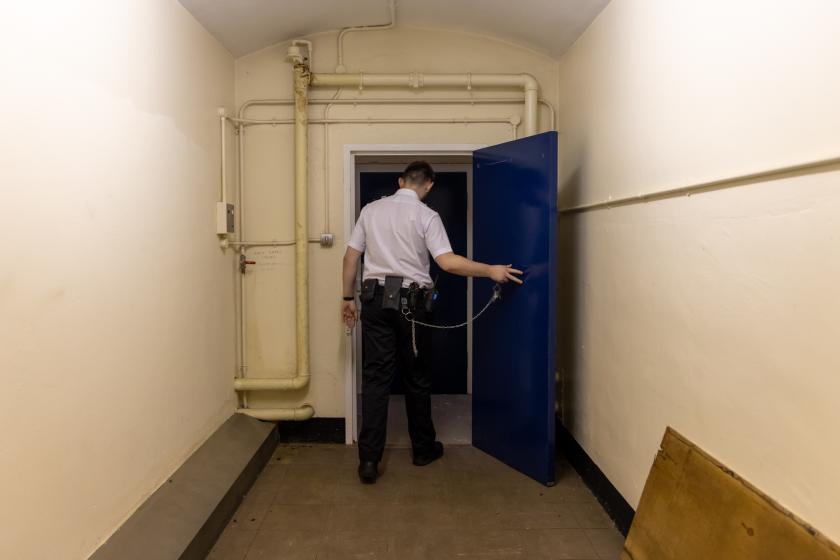
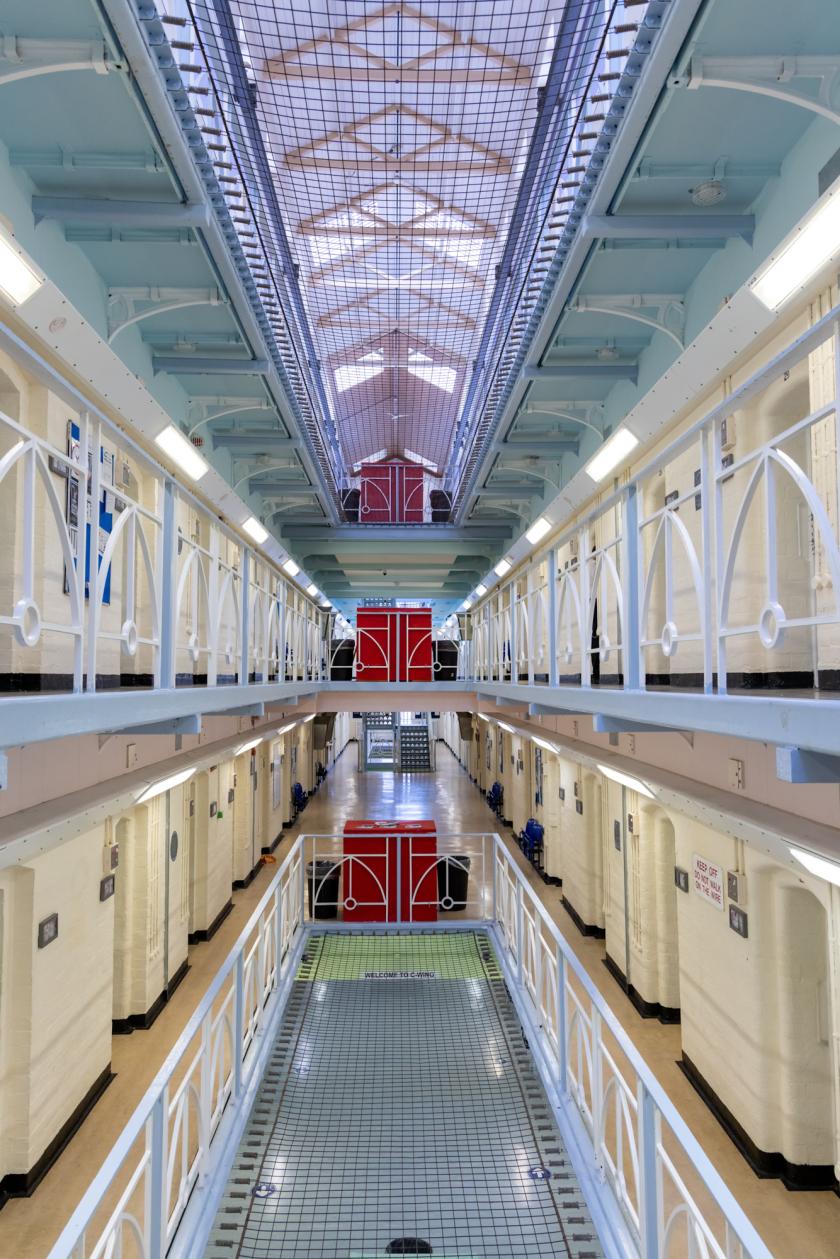
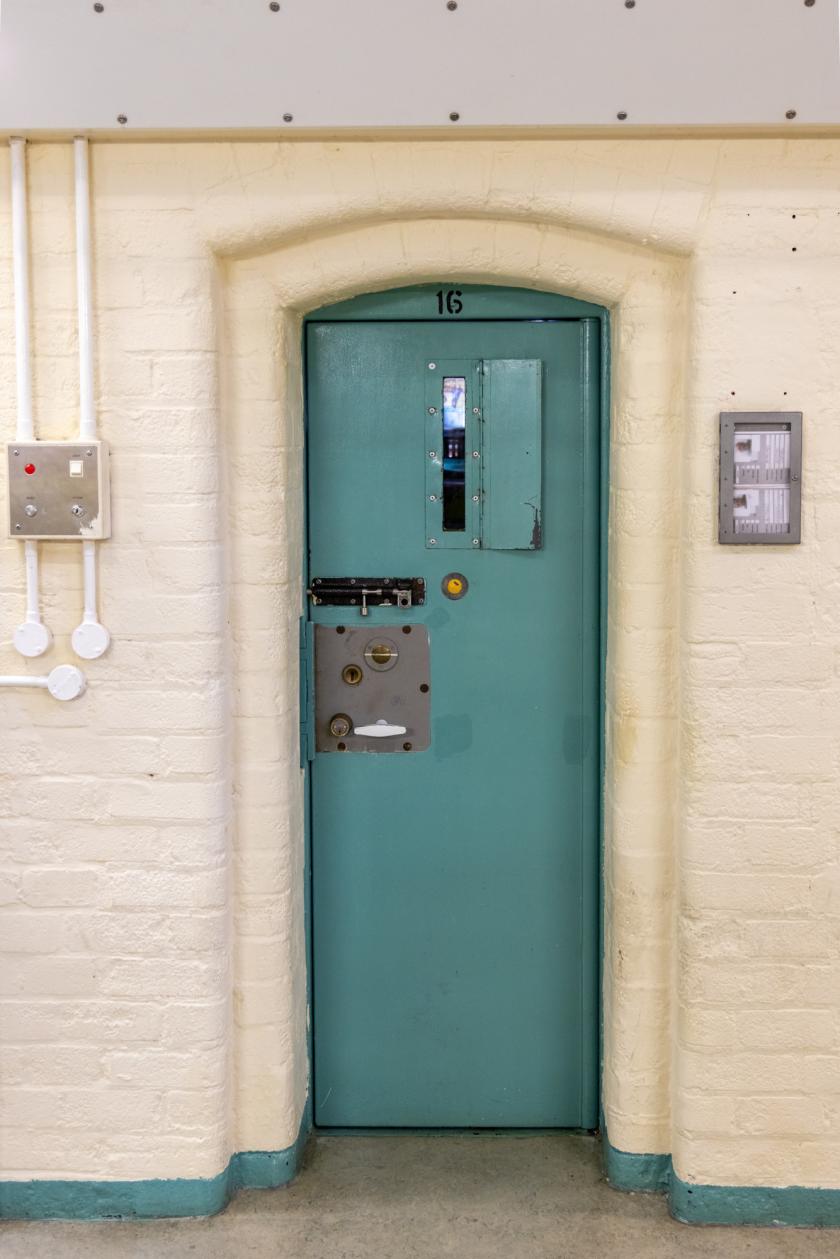
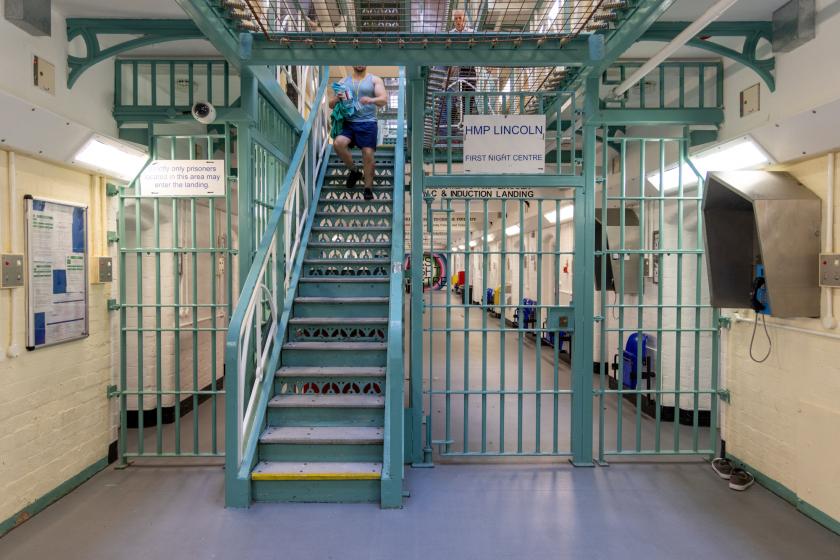
Since that first assignment, Andy has photographed in nearly 50 prisons, often returning again and again as he works on long-term projects. His images have been widely used by charities and published nationally and internationally, and he’s a regular contributor to Inside Time, the UK’s leading prison newspaper. This isn’t a one-off visitor with a press pass. It’s a photographer who has spent two decades learning how to be in these places.
Why the Victorian prisons
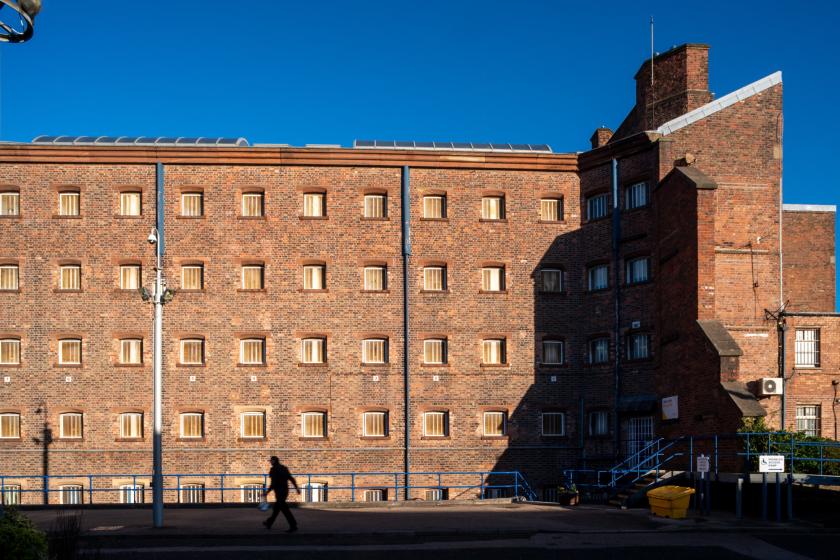
The choice to focus on our oldest jails isn’t accidental either, and the numbers are pretty staggering. Ninety prisons were opened or significantly expanded between 1842 and 1877. More than 30 of them are still in use today, holding, between them, around a quarter of the UK’s prison population. We are, in other words, still running a big part of the system out of buildings designed in the age of the penny-farthing.
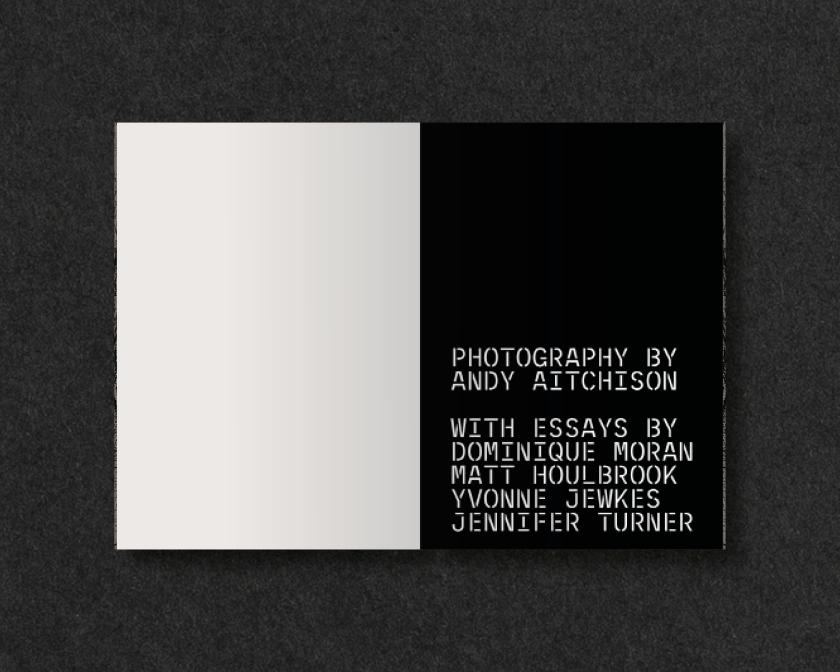
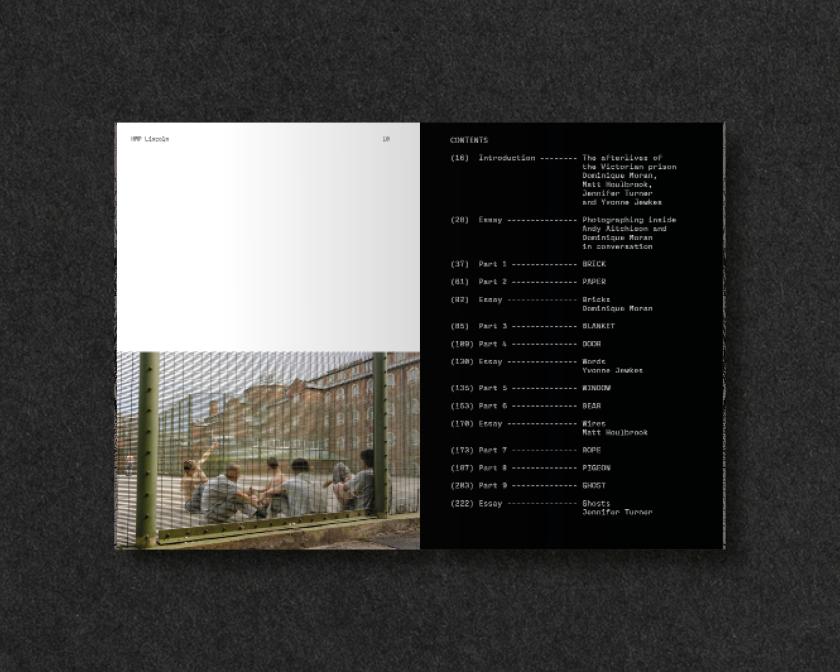
That’s the thread a group of academics has been pulling on, and their writing sits alongside the photographs in the book – the images and the research in conversation, rather than one illustrating the other. The project is a collaboration between Professor Dominique Moran and Professor Matt Houlbrook at the University of Birmingham, Professor Yvonne Jewkes at the University of Bath, and Professor Jennifer Turner at Trier University in Germany, all looking at the long afterlives of Britain’s Victorian prison estate.
Beyond the usual tropes
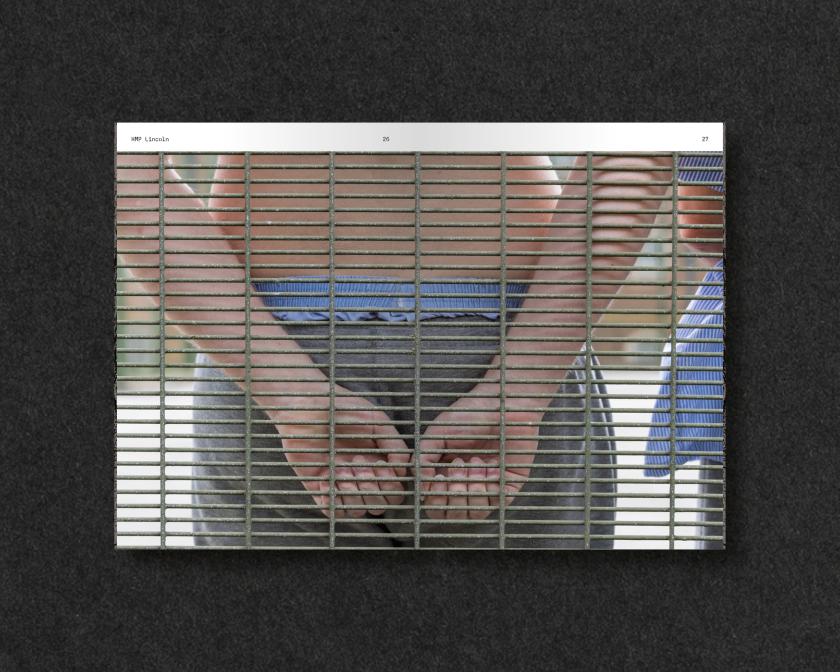
What makes the work special, though, is that Andy refuses to take the easy shot. No dramatic bars-and-shadows shorthand, no misery for misery’s sake.
“Andy’s dedication to photographing prisons really shines through in this work,” says Tom Booth Woodger, head of publishing at Bluecoat Press. “Never does he repeat himself or fall into the classic tropes of photographing prisons and incarceration – and the result is an incredible example of contemporary documentary photography.”
That, for me, is the whole point. Change the way you look at a place, and you change what’s possible there. If enough of us looked at prisons the way Andy Aitchison does, we might end up with more humane ones. And a second chance, for anyone who needs it.
Incarcerated is out now from Bluecoat Press in standard and limited signed editions.