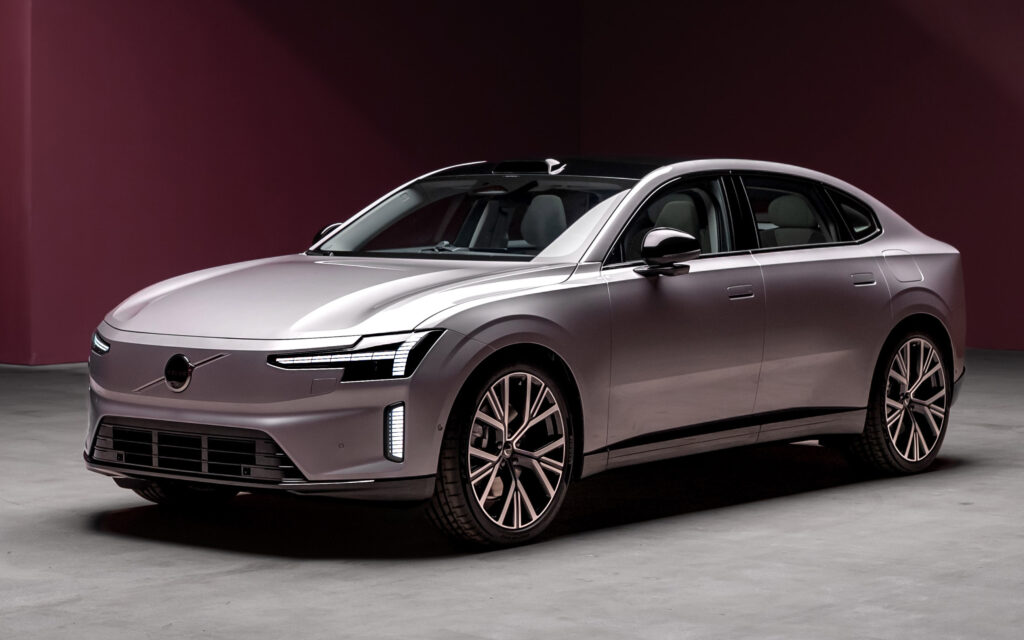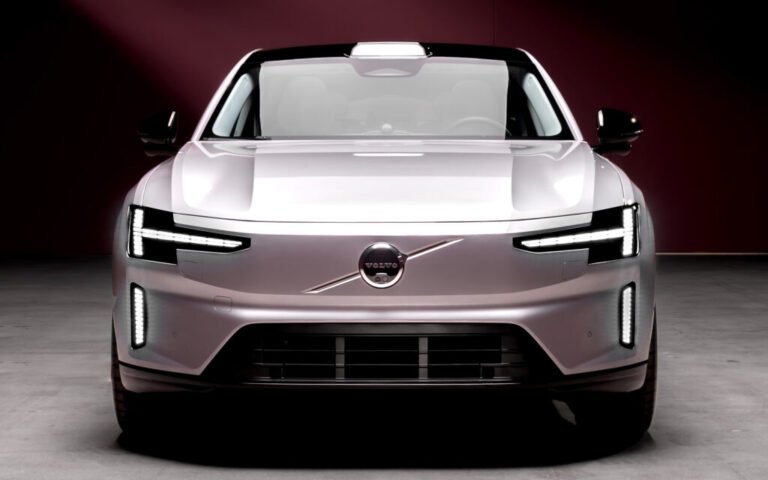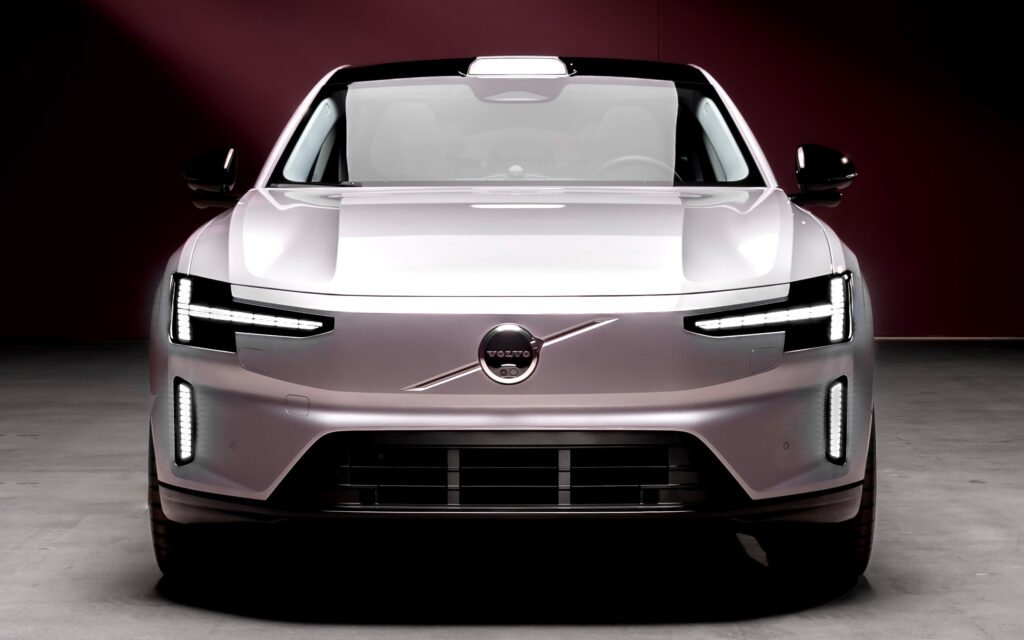
- Volvo is reportedly evaluating electric sedan and wagon models for the U.S. market.
- Both models would ride on the brand’s next-generation SPA3 architecture.
- A return would mark a sharp reversal from Volvo’s recent SUV-only strategy.
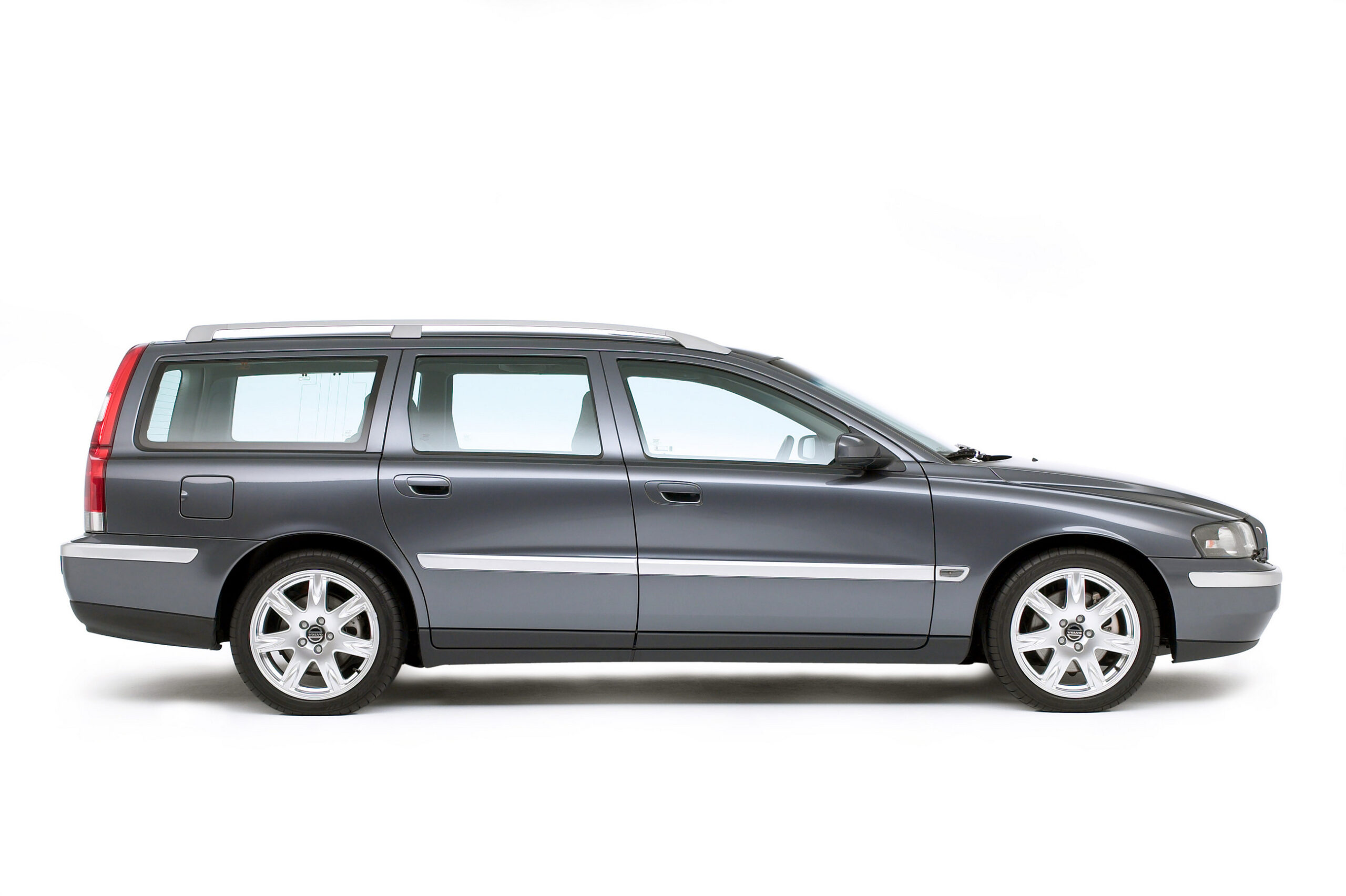
Volvo spent the last few years methodically trimming its U.S. lineup until only crossovers remained. Sedans disappeared, wagons followed, and the company’s strategy seemed crystal clear: Americans wanted SUVs, so that’s what Volvo would sell. Now, however, the company appears to be reconsidering that approach, and the timing couldn’t be more interesting.
More: There’s Still Hope For Volvo Wagons After All
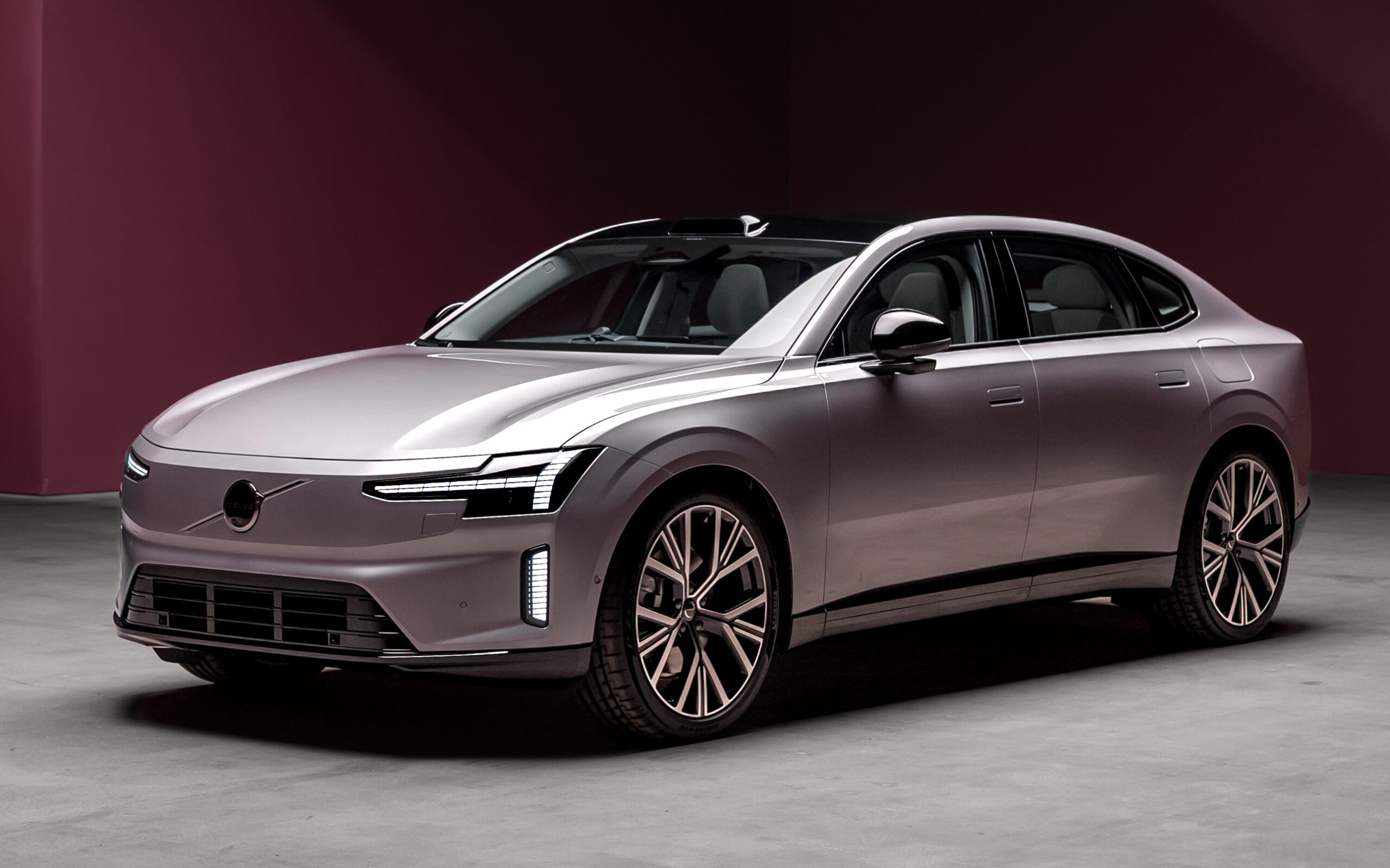
According to Automotive News, Volvo is evaluating a pair of electric midsize cars for the U.S. market that could arrive in 2028, potentially bringing both a sedan and a wagon back to American showrooms.
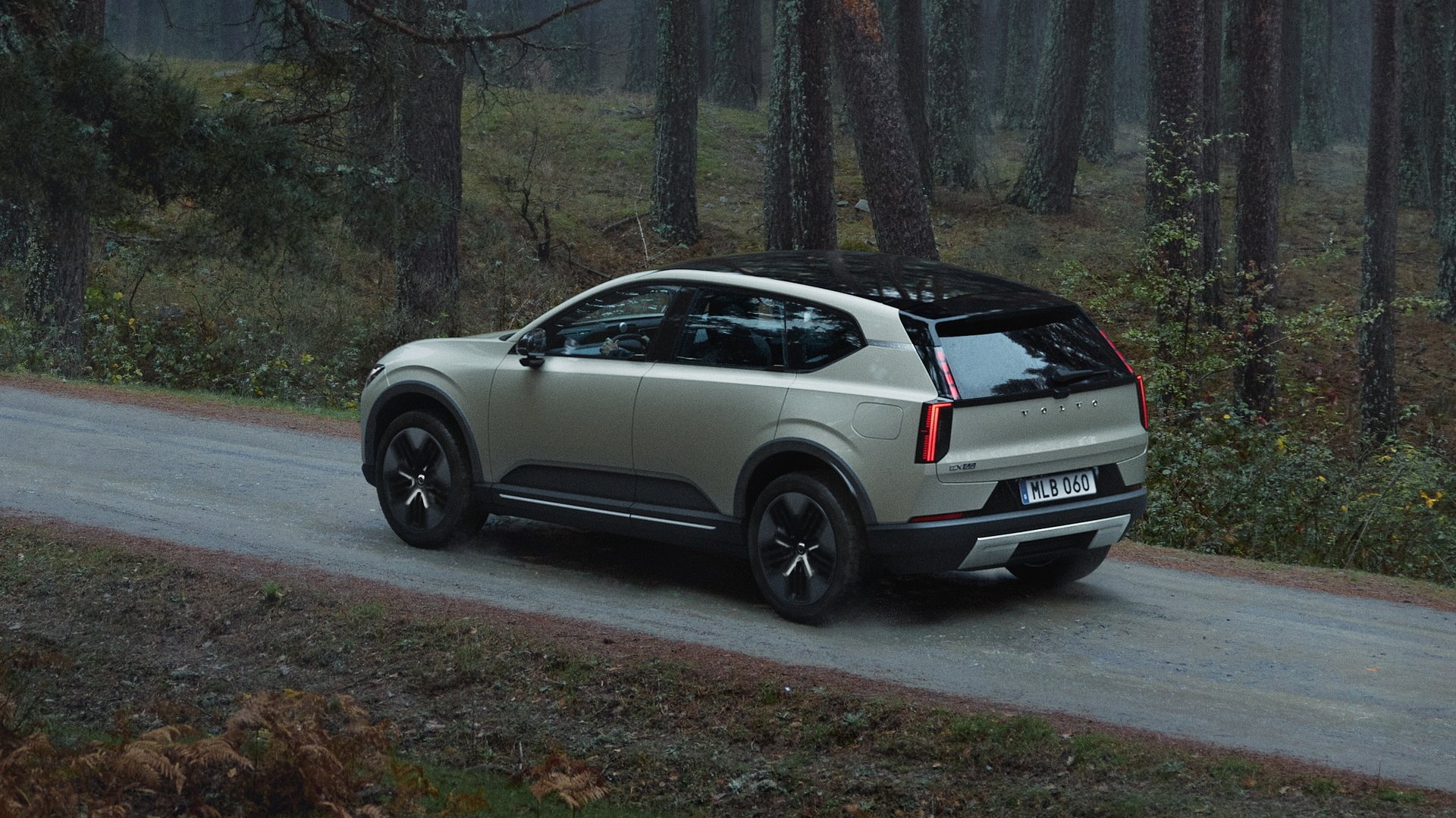
The vehicles would reportedly be based on Volvo’s new SPA3 platform, the same next-generation architecture underpinning the upcoming EX60. And since the cars are already being engineered for Europe, reworking them for American roads shouldn’t take much effort, according to a person briefed on the talks.
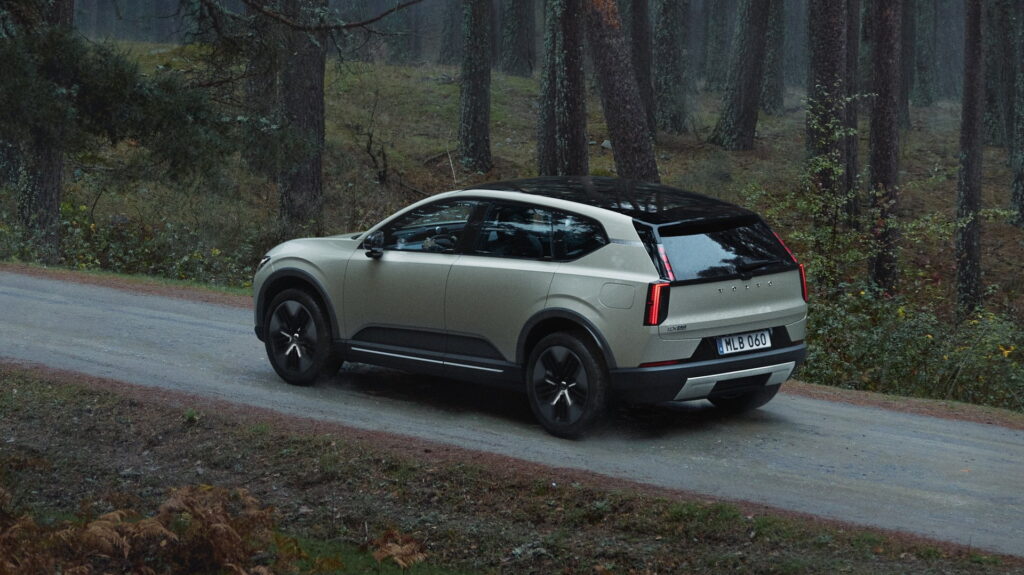
The EX60 features an 800-volt electrical system, allowing for faster charging while supporting a wide range of battery capacities, motor configurations, and performance levels. If approved, the two models would evidently revive familiar 60- or 70-series nameplates, with a rugged Cross Country wagon variant also said to be under consideration.
Read: Polestar Owners Fear A Fisker-Style Resale Collapse After US Ban
While it’s relatively rare to see an automaker adapt a European-spec vehicle for the U.S. market, Volvo believes the feat isn’t too tough to pull off in this case. That said, expectations appear conservative. Combined annual sales are said to be projected at roughly 10,000 units, with pricing expected to begin somewhere in the low-$50,000 range.
Betting On Wagon Nostalgia
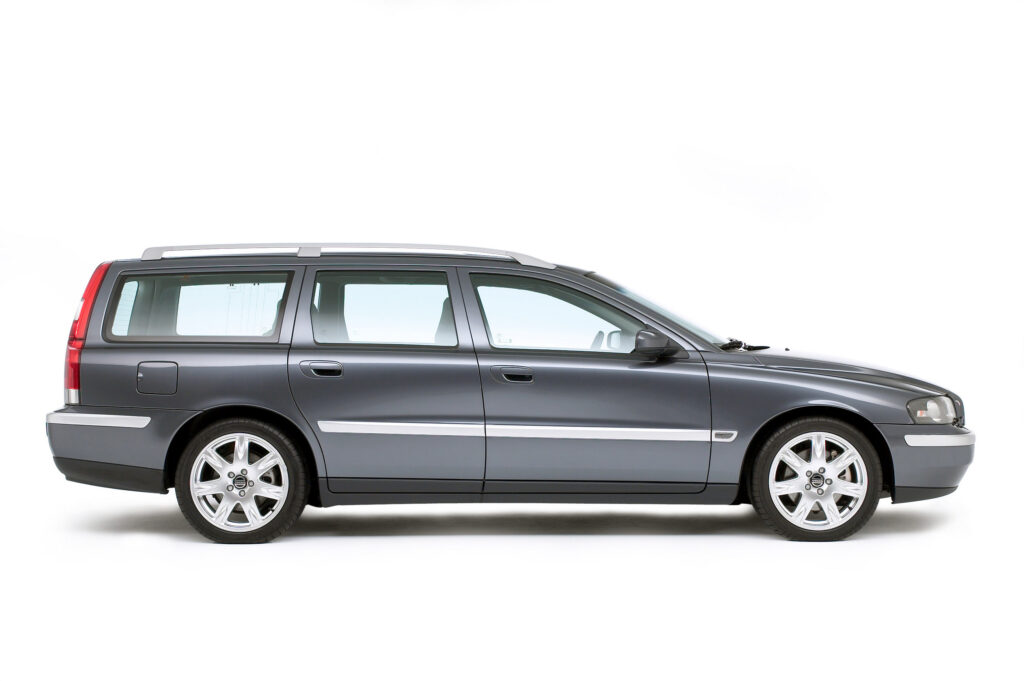
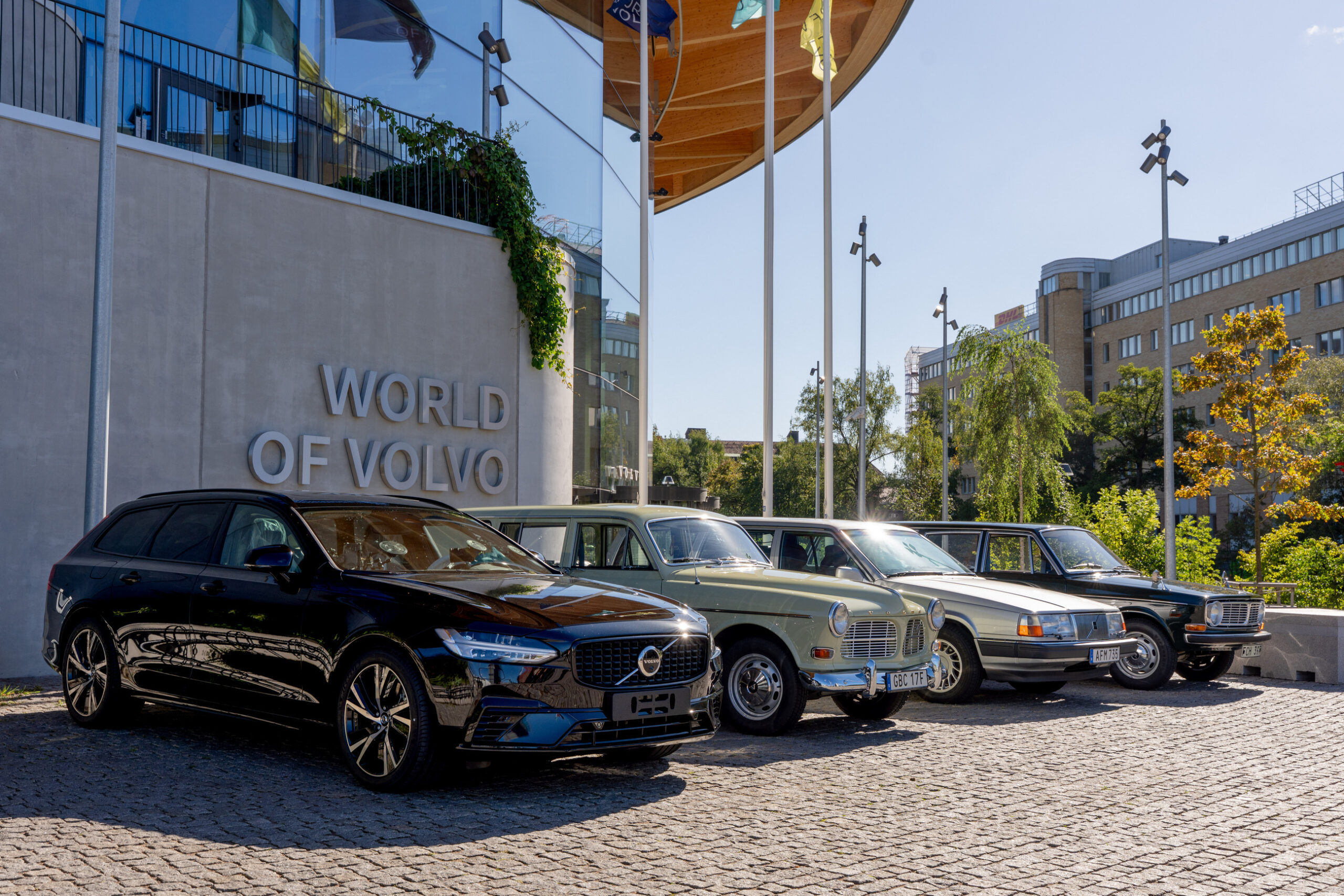
If it moves forward with this change, it’s easy to see how the brand could market these cars. Sedans and, most notably, wagons are a deeply ingrained part of how Volvo got to where it is today. As we’ve seen across the industry, brands are eager to monetize nostalgia at every turn. At least this time it sounds like the enthusiasts might benefit most.
Edmunds analyst Ivan Drury told Autonews that he believes Volvo could carve out a niche as a “counter-culture cool” electric wagon, giving buyers an alternative in a segment that has largely disappeared beneath the SUV boom.
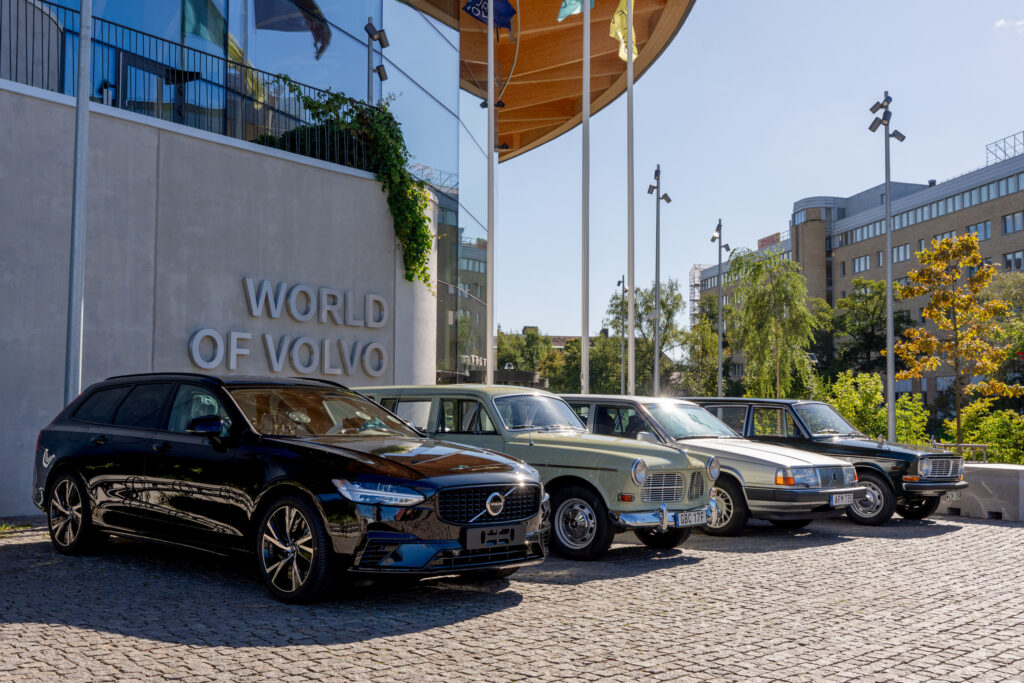
There’s another factor working in Volvo’s favor. With Polestar effectively retreating from the U.S. after tariffs derailed its product plans, Geely’s American portfolio suddenly has a sedan-shaped hole in it. A stylish Volvo EV could help fill that gap while keeping customers within the broader corporate family. The move would also hand Volvo retailers some badly needed fresh metal after the brand’s U.S. market share slid to 5.8 percent last year, the lowest it has been since 2019.