In the Green, For Now
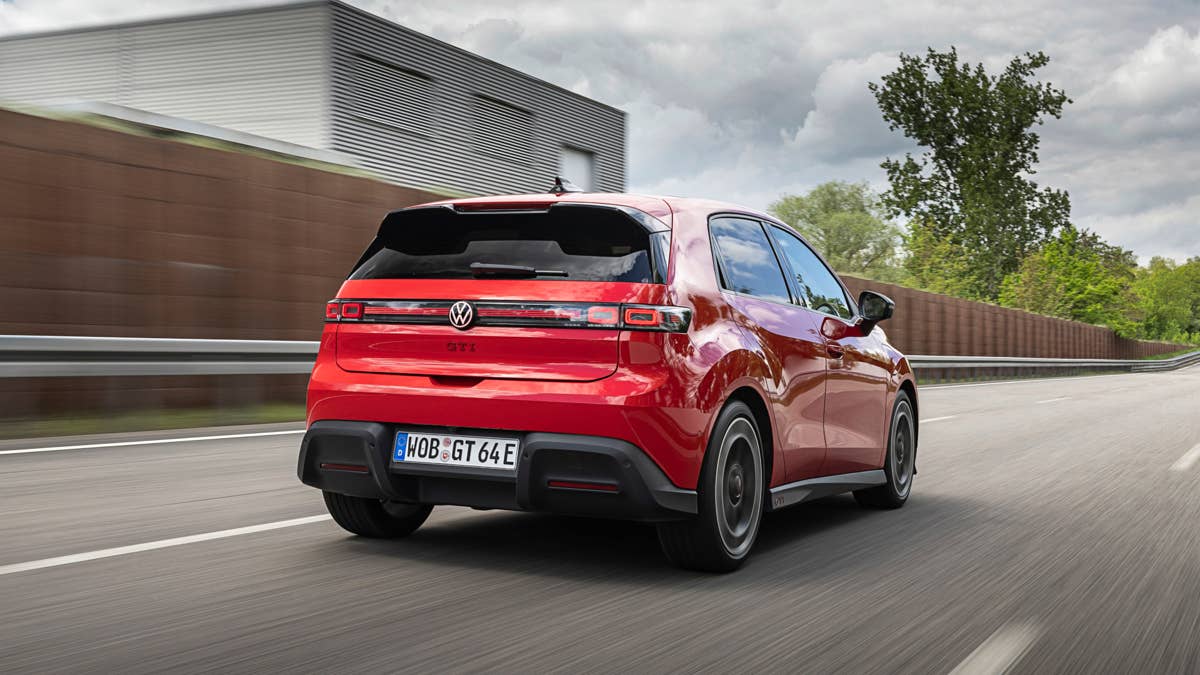
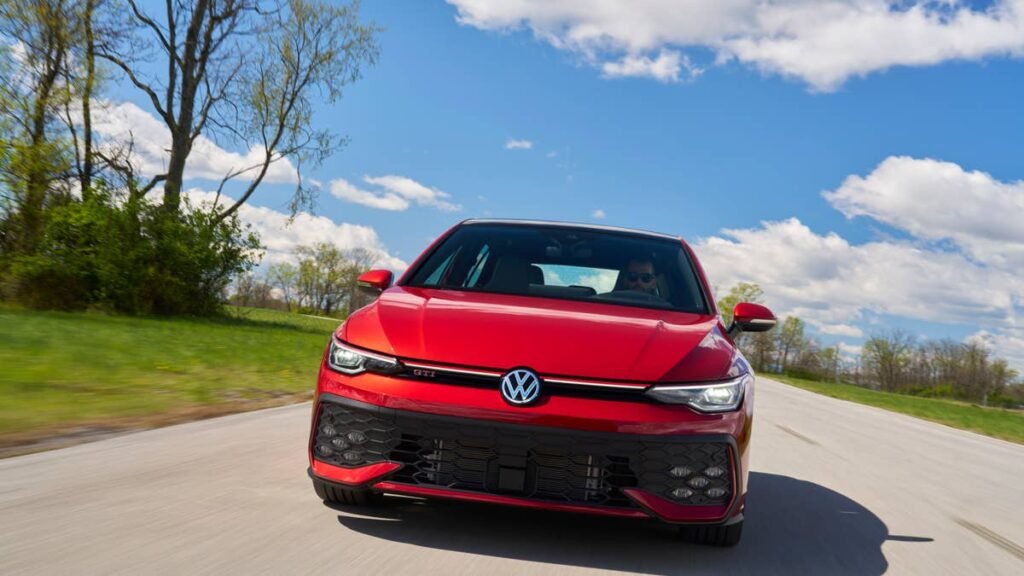
Despite all the headwinds, Volkswagen finished 2025 with its head still above water. However, its profits had practically crumbled, and it could easily be in the red if no drastic measures were taken. That’s exactly what the German automaker is doing now as it’s forced to make pretty painful decisions at the moment.
However, if Volkswagen continues on its downward trajectory, it risks having to take even more drastic measures to stay afloat. It might even be acquired by another automaker. That possibility was recently presented by an economist.
VW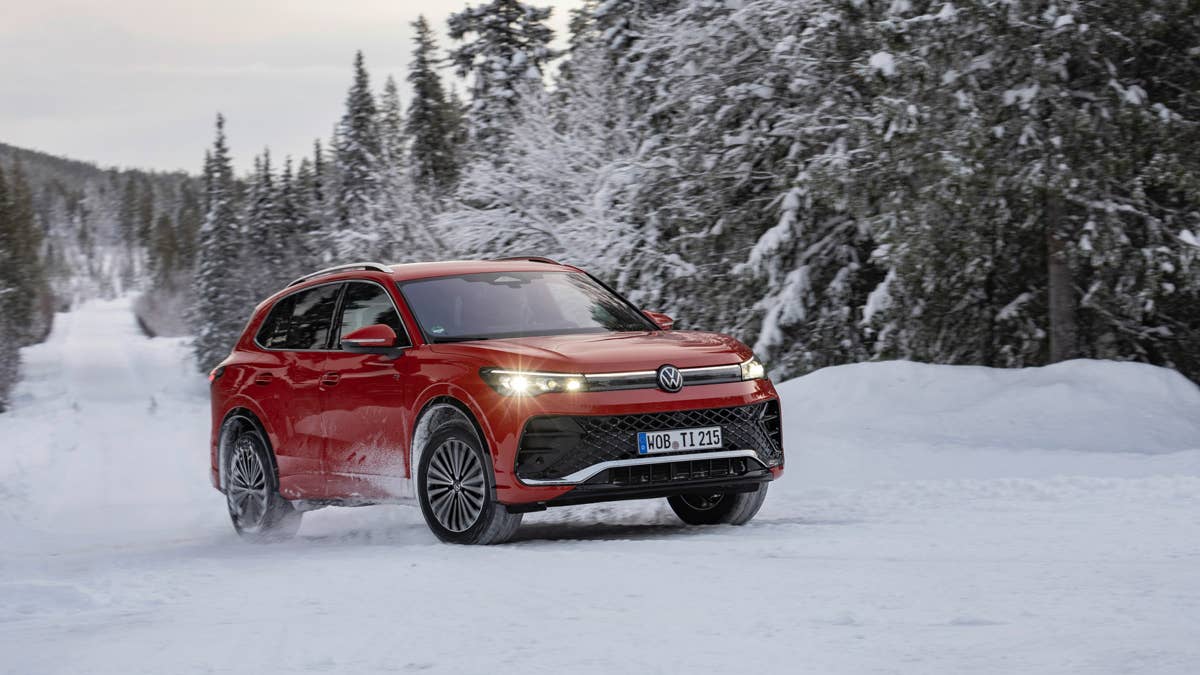
Chinese Takeover Possible?
German newspaper Süddeutsche Zeitunghad an interview with economists Niall Ferguson and Moritz Schularick. The latter warned that “China and the USA will devour Europe, piece by piece,” unless radical changes are implemented. This isn’t just a product problem anymore, but rather a structural one.
Then, Schularick dropped a possibility that might actually hold some water. When asked if Volkswagen will go bankrupt, we replied, “VW will probably be bought out by a Chinese car manufacturer. Perhaps BYD.”
Of course, that won’t happen overnight, and it’s not like Europe’s biggest automaker will give up its keys to China that easily.
That said, the German auto industry could easily end up like the British auto industry if it doesn’t accelerate its technological advances, particularly in AI. “Europe will only establish itself as a third superpower if it achieves technological autonomy, with its own cloud and AI, which it currently lacks,” said Ferguson.
BYD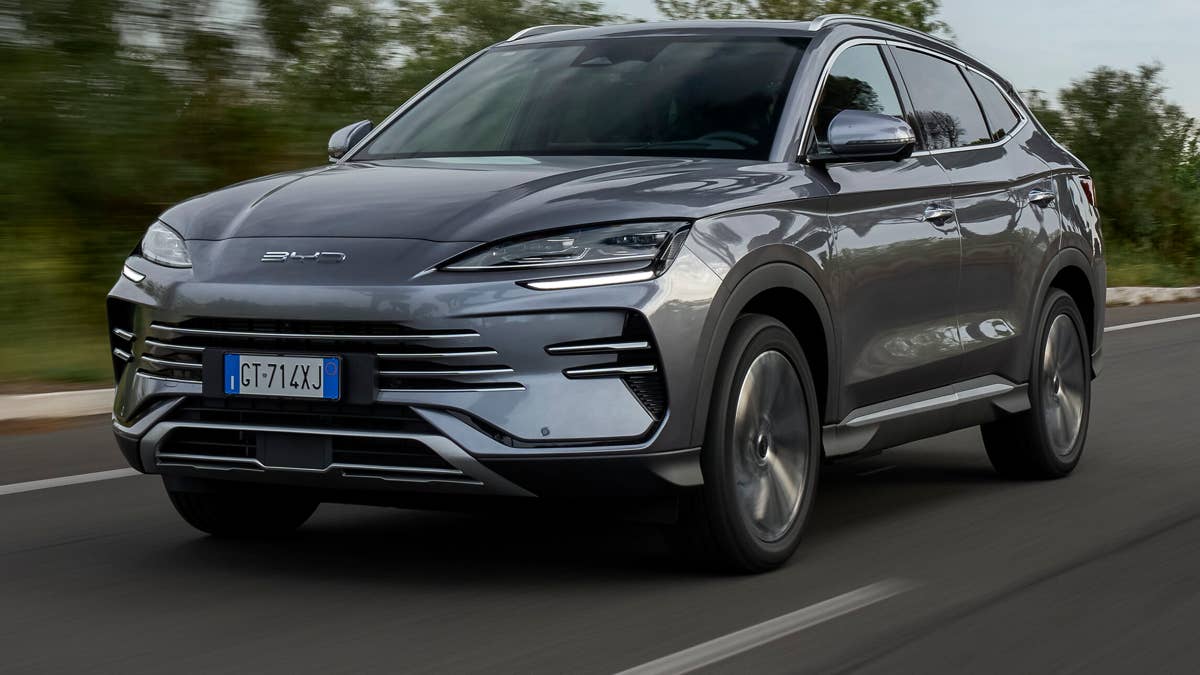
Made it Too Easy for China
Ferguson added that Germany made it a little too easy for China to rise in the automotive industry. “The German economy completely underestimated the threat from China. I remember people seriously telling me that the Chinese would never be able to produce ball bearings or windshields as good as the Germans. They didn’t realize that China’s strategy was to manipulate the system, subsidize companies, steal intellectual property, and so on.”
A bold statement, indeed, but he did hit the nail on the head with the subsidies. It’s no secret that China’s domestic auto industry has been heavily reliant on that. That allowed the local automakers to undercut the legacy automakers on their home turf, which is simply impossible for the latter to match without incurring losses.
VCG/VCG via Getty Images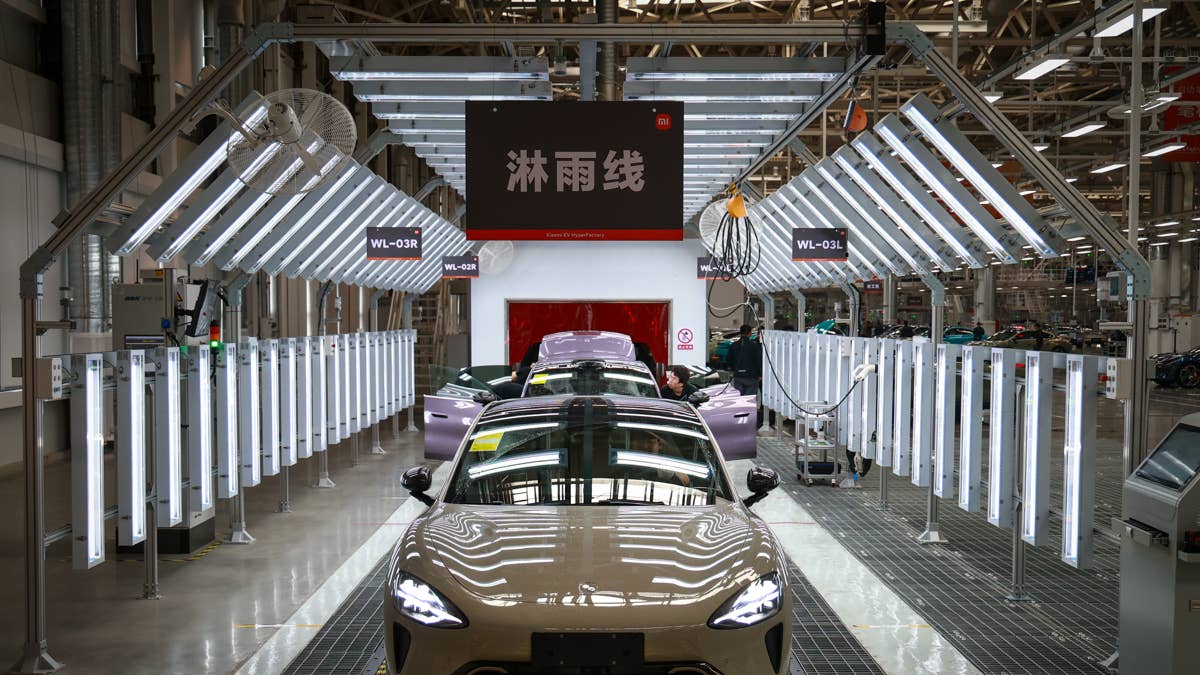
Leveling the Playing Field
So, how can Germany and not just Volkswagen fight back? The two didn’t suggest retaliatory tariffs but rather urged using Chinese money to invest in the country. That way, it wipes out potentially massive price advantages for Chinese cars, helping close the gap. It’ll also force China’s automakers to compete on merit and not just pricing. “Europe must use access to the large European market as a bargaining chip. We will allow China to sell BYDs here, but only if they are produced in Europe, in order to preserve jobs. We will do what the Chinese did to us,” said Schularick.
Meanwhile, Ferguson mentioned that Germany and the whole of Europe have to step up their technology game, particularly in the world of AI. He said that Europe “will be caught between the two gorillas” if no efforts are made to make advances in that field. The ‘two gorillas’ mentioned here are the U.S. and China. Of course, it won’t be easy, but German automakers and the government need to work together to protect their industries.
That said, China’s car industry has its fair share of issues, too. Those subsidies can’t last forever and have all the potential to create market distortions, overproduction, inefficiency, and high opportunity costs in the economy and businesses. It’s already showing signs of strain, hence China’s aggressive export strategy to offset declining domestic sales. But just because there are issues like that over there, it doesn’t mean Volkswagen and the German car industry should just ride it out. If anything, it should start capitalizing on those.