Courtesy of Sebastian Robison
- A layoff and a monthslong job search led Sebastian Robison to become a stay-at-home dad.
- He used AI to build projects while adjusting to life outside the corporate workforce.
- Robison said the layoff ended the intrusive work thoughts that once followed him home.
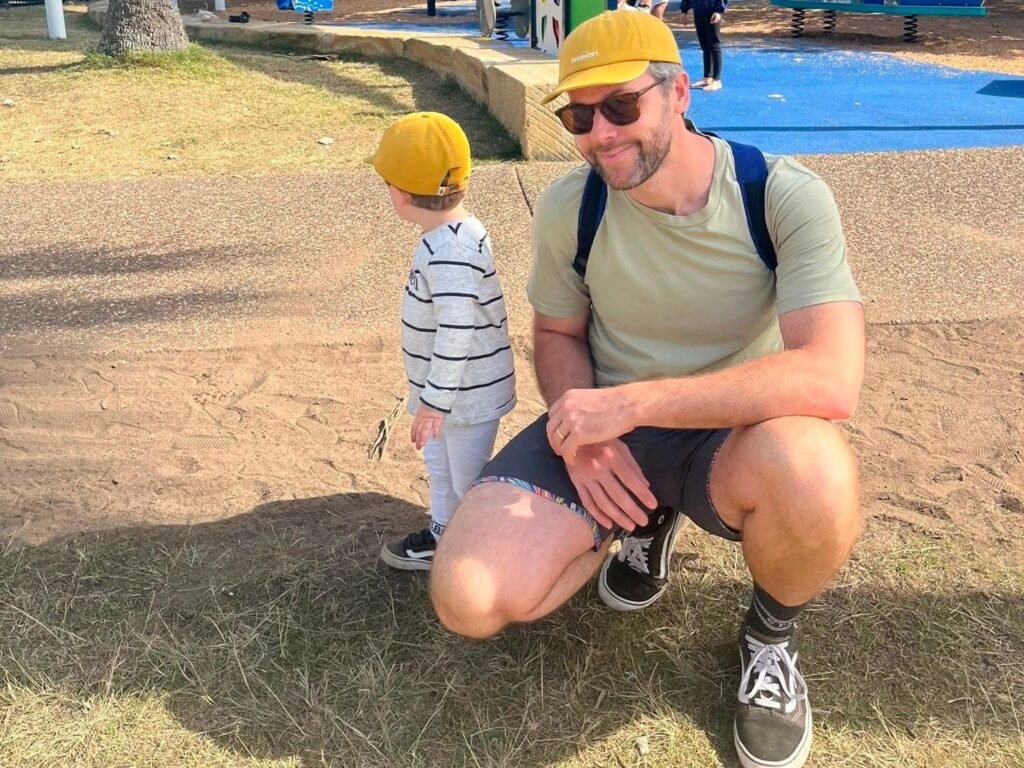
Sebastian Robison, 39, lives near Brisbane, Australia, and was laid off from an auditing job in late November. After hunting for a new role for about six months, Robison and his wife decided he should stay home to care for their sons. The following has been edited for brevity and clarity.
For seven years, I’d worked a job in assurance and auditing. One day at the end of last year, my boss and I sat down for our weekly meeting. He looked up at me with a bit of a pained look and said, “Seb, I’m really sorry. We’re making your role redundant.”
Obviously, a million things went through my head. How was I going to tell my 36-week-pregnant wife? Christmas was in a few weeks. We had another son at home. We were doing renovations to the house, and had drawn equity on our mortgage.
Then you think about the things you were working on and go, “Who’s going to do these things? Could I have been working on different things to justify the role?” You look inward and go, “Was I not the right person for the job?”
Full-time dadding
At first, I thought, I’ll see what the job market is like. For a couple of months, I was applying for jobs. It’s such an archaic process, especially after you do it 20 or 30 times in a row. Upload a résumé with all your career, education, accomplishments, and personal details. Now fill in a form to answer those same questions. Being rejected felt so disconnected from a human experience.
One night, my wife and I were discussing our youngest son, who’s almost six months old. We didn’t want to send him to day care so early. My wife said, “Why don’t we see if you can stay home full-time?” She has a good job she loves, and she’s great at — no chance of redundancy there. After that chat, it was full-time dadding.
People ask me, “What’s your dream job?” I always said: full-time dad. I had a great father. He was always present, even though he worked full-time.
When I say I’m a full-time dad, people’s faces light up, especially the men in my network or the blokes I come into contact with. They’re like, “Wow, I’d love to do that.”
Having those conversations with people was far more valuable than getting another job and saying, “I’m an auditor.” So much of our identity is tied to our work that we lose sight of who we are as people outside work.
I built an app with AI for parents
Since I wasn’t working, I wanted something that would challenge me intellectually. My best mate said, “If you’re not earning, you’re learning.”
I thought, why couldn’t I use AI to build something that could help me or help someone? Because we had a newborn, the idea for a simple sleep-tracking app came up. We were struggling to get our son’s naps right. So I used a few tools to conduct research, tested it, and made a free app.
It was nice to create something. I also built a web-based auditing tool for an education system, and when I was still applying to jobs, it let me demonstrate what I could do.
It’s taking time to get used to not having a job. One thing I’ve found helpful is to maintain those things that you have control of. So, sticking to things like exercise really helps. If you drop the ball on your routines, you can spiral a bit.
I don’t have intrusive work thoughts
My wife noticed that I was spending a lot of time, probably through guilt, taking care of lots of things around the house. She said, “You still have to take care of yourself. I want our boys to see you doing the things you enjoy.”
There’s this push for me to keep some routines going, whether that’s going for a run, taking photos, or locking myself in a room to work on a side project. It is hard as a stay-at-home parent to draw that line and say, “All right, I’m going downstairs to the office for two hours.”
Without your corporate calendar telling you where you’ve got to be, you lose that structure. Trying to find that again after 20 years in the workforce is challenging, but it’s a good problem.
My hope is not to have to return to a traditional corporate workplace. Ultimately, my wife and I have to make it work financially. Going from two incomes to one — that’s scary, but it’s not out of reach to adapt.
It would be nice to start a business. I’ve done it before. I ran a coffee shop that was also a surfboard shop and photography gallery. There are opportunities; it’s a matter of figuring out what that thing is.
The beautiful thing about not working is that I don’t have intrusive work thoughts. When I had my job, there was a time when I was putting my firstborn to bed and had all these thoughts about work. I cheated myself out of being the dad putting his son to bed.
If there’s one thing I wish I had done more whilst being at work, it was trying to prevent those thoughts from taking over because you could lose your job just like that. I feel much freer in my thinking now. I don’t have thoughts like, “Crikey, it’s Monday tomorrow.” It’s lovely.
Do you have a story to share about your career? Contact this reporter at tparadis@businessinsider.com.