- Next Cadillac Optiq SUV could adopt platform developed primarily in China.
- New architecture is already used by the fast-selling Chinese-market Buick Electra E7.
- GM’s Chinese cars are now developed without Detroit oversight, Reuters report says.
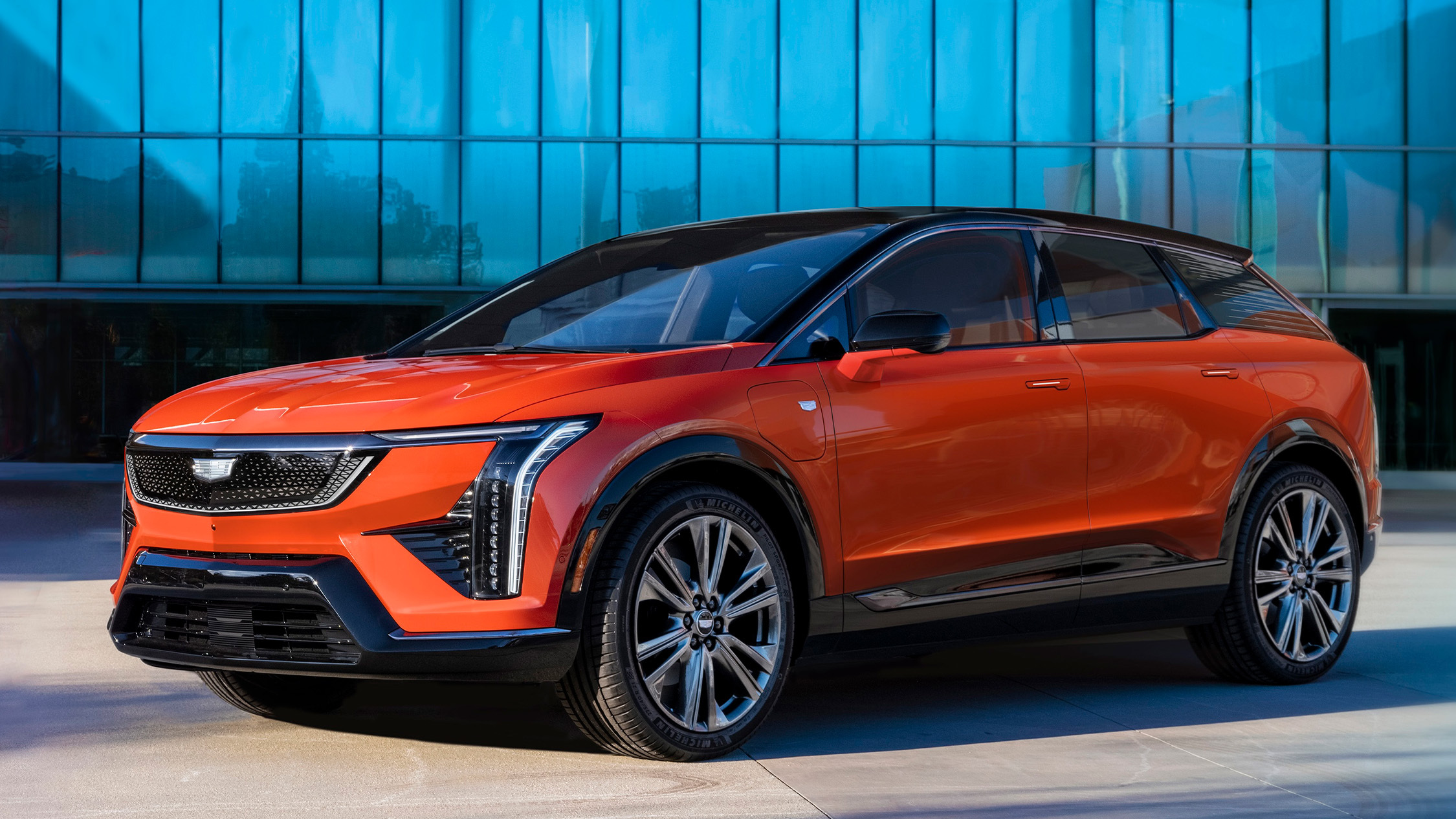
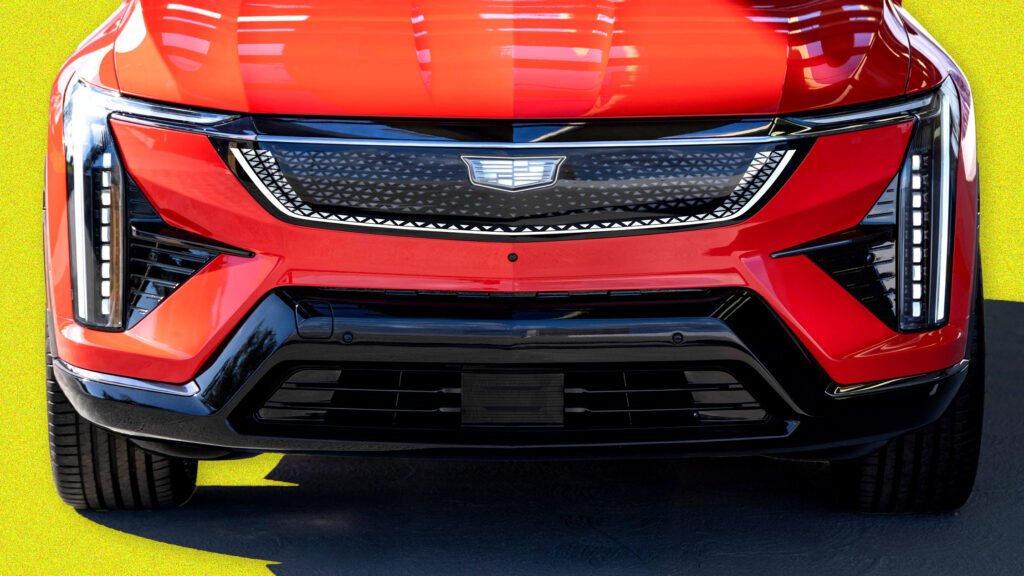
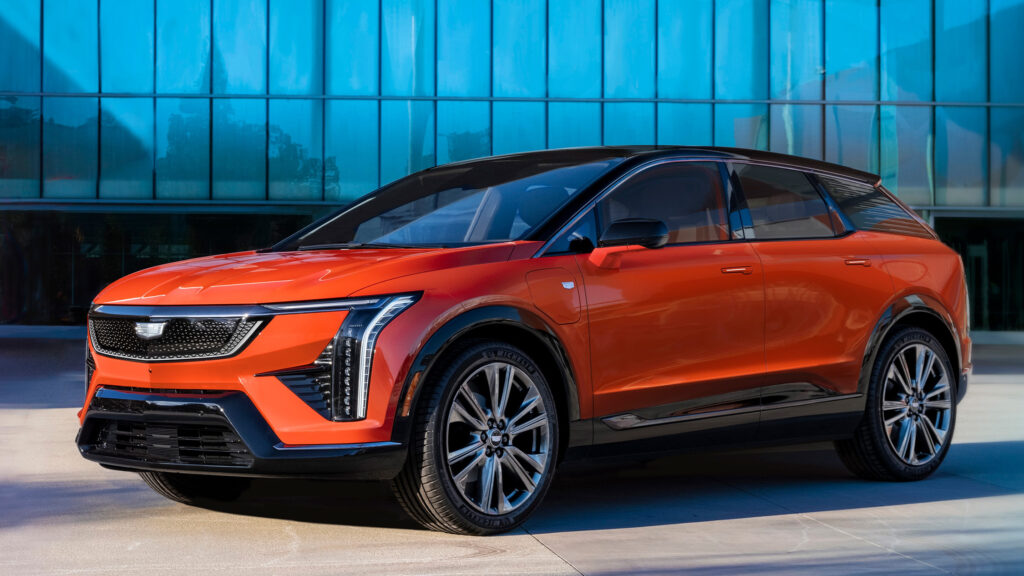
The next Cadillac Optiq could owe far more to Shanghai than Detroit if new intel out of Asia proves accurate. According to Reuters, General Motors is considering using a platform developed in China for the next generation of its entry-level electrified luxury crossover.
More: Buick’s New $23K Plug-In SUV Pulls 10,000 Orders In 90 Minutes, None From America
The platform in question is called Xiao Yao and was created by engineers at GM’s Pan Asia Technical Automotive Centre in Shanghai, a joint operation with long-time Chinese partner SAIC. It’s already in use on the Buick Electra E7 plug-in hybrid and has proved a much bigger hit with local buyers than Buick’s previous cars built around GM’s US-developed Ultium technology. The same platform is also found in the L7 sedan that comes as either a hybrid or EV.

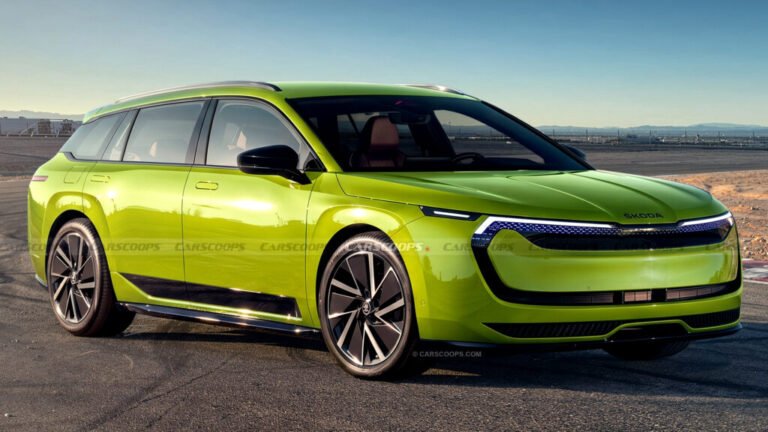
Although there’s no suggestion that Buick will bring the E7 (pictured above) to the US, Reuters says its component set could underpin a future Optiq that is bound for America, replacing the Ultium-based foundation used by the current model. At this point we should say that when asked about this by InsideEVs, GM in North America first told the website that the Xiao Yao platform definitely wouldn’t be coming to the US, before later calling the Reuters report “speculative.”
The current Optiq is based on GM’s Ultium tech and launched in China in 2023 before arriving in the US two years later. America only gets a dual-motor, all-wheel drive version, but Chinese buyers can also choose Optiqs with front wheel drive, just one motor and a smaller battery. The most US-compatible Electra E7 powertrain combines a 154 hp (156 PS) 1.5-liter, turbocharged combustion engine and 221 hp (224 PS / 166 kW) electric motor, and delivers almost 100 miles of real electric range.
China Is Leading Car Development
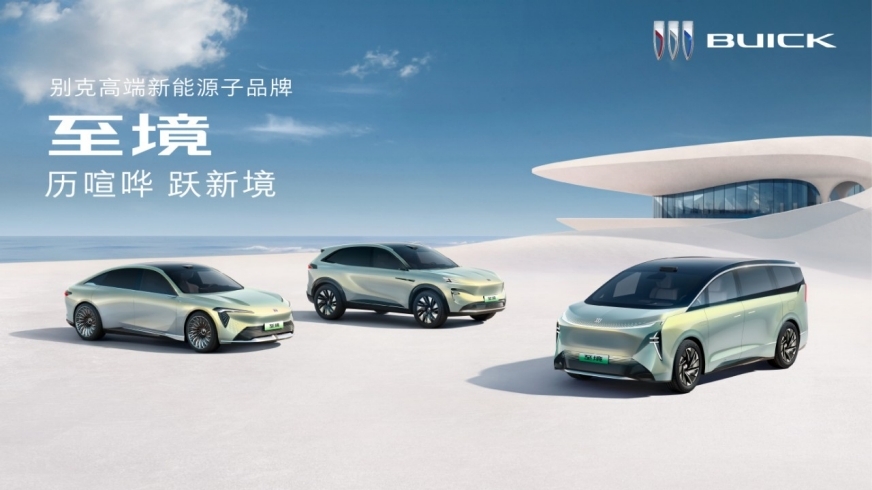
For decades, China largely served as a manufacturing base for products conceived elsewhere. Increasingly, however, major automakers are turning to Chinese engineering teams to create vehicles and technologies that can be exported around the world. The Xiao Yao architecture supports technology that isn’t currently available on GM’s American-developed electric platforms, including a 900-volt electrical system and ultra-fast charging capability.
The alleged Optiq plans are part of a broader industry trend, picked up in Reuters’ story. Volkswagen, Renault, Hyundai and others are giving Chinese engineering centers more autonomy as they chase faster development cycles and stronger EV technology. It’s thanks to Chinese know-how, for instance, that Renault managed to develop the new Twingo in less than two years – half the time it normally takes a European brand. But it’s European drivers who are reaping the benefits, since the Twingo isn’t even sold in China.
GM, SAIC