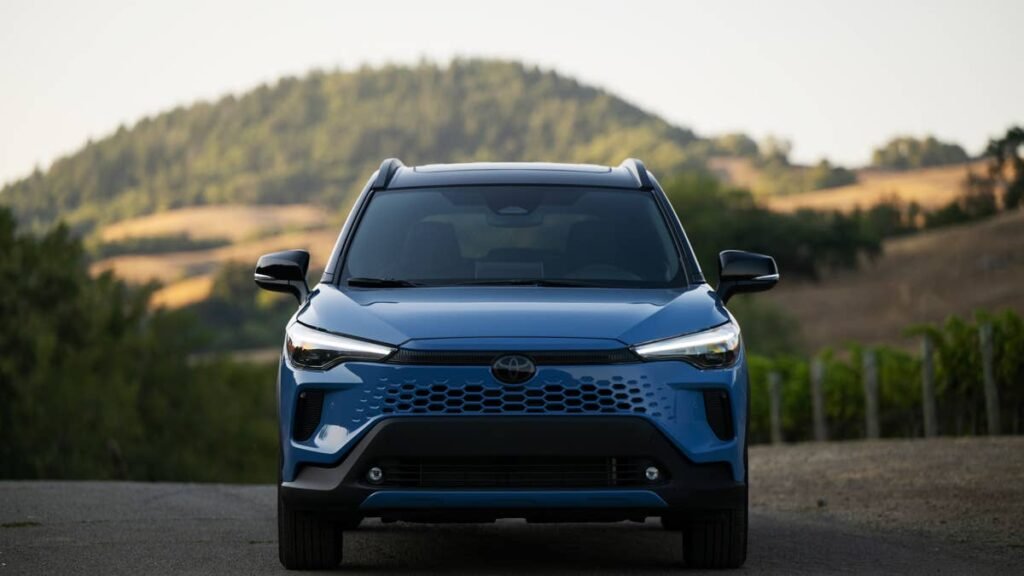
A proposed class-action lawsuit filed this week in Los Angeles County Superior Court accuses Toyota Motor Corporation of secretly tracking visitors to Toyota.com. According to a Fox Business report, the automaker deployed a tactic known as “fingerprinting” to bypass user preferences. Even when visitors explicitly rejected third-party tracking cookies, the lawsuit alleges Toyota continued to collect detailed browsing habits, device specifications, and online identifiers.
The Lawsuit
The lawsuit accuses Toyota of “fingerprinting”. Fingerprinting is an aggressive tracking method. Instead of relying on a simple cookie stored in your browser, it pieces together unique data points about your device, like your operating system, screen resolution, and hardware setup, to build a distinct, identifiable profile. The result? Third parties get a backdoor pass to serve you targeted ads, completely ignoring your legal right to opt out.
For American consumers, this is a glaring red flag. The lawsuit leans heavily on the California Invasion of Privacy Act (CIPA), a 1967 wiretapping law that privacy advocates are now weaponizing against modern digital surveillance. More than 800 CIPA lawsuits were filed in 2025 alone, catching heavyweights like DraftKings and Forbes Media in the crossfire. Now, the target seems to be Toyota.
Toyota Across The Board
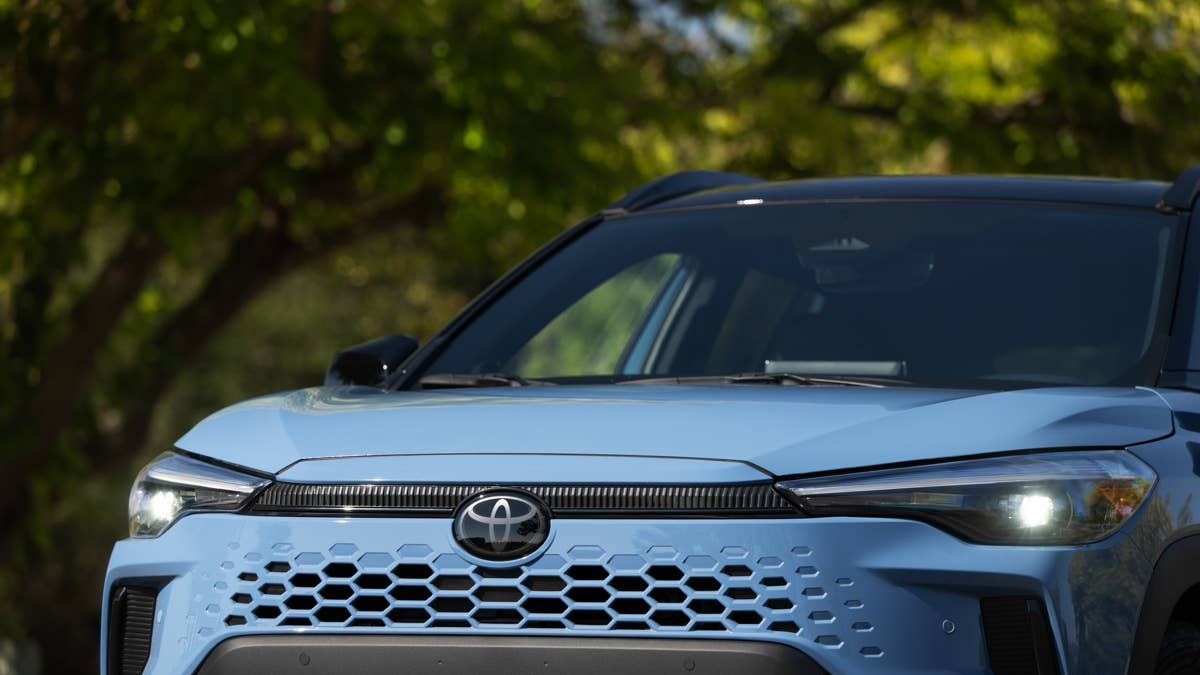
But this isn’t Toyota’s first collision with data privacy controversies. The automaker is already entangled in a separate federal class-action suit in Texas, where plaintiffs allege Toyota secretly shared sensitive driving telemetry—like hard braking, speed, and GPS location—with data brokers and insurance giants. In that case, drivers found their insurance premiums spiking based on vehicle data they never knowingly agreed to share.
The Future Of Cars?
Toyota has not yet commented on the pending California litigation. The pattern is hard to ignore. Automakers are increasingly pivoting from simply building cars to monetizing the people who drive them. If these allegations hold up in court, it proves that the illusion of consent is exactly that – just an illusion.