Belgium’s biggest dance festival keeps building on a scale most events can’t match, at a time when dozens of UK and European festivals are folding for good.
If you’ve never heard of Tomorrowland, here’s the skinny. It’s one of the world’s largest EDM (electronic dance music) festivals, held every summer in the small town of Boom, just outside Antwerp. Founded in 2005 by brothers Michiel and Manu Beers, it now spans two weekends, pulls in around 400,000 from more than 200 countries, and sells out within minutes. It’s spawned sister editions in Brazil and, in winter, the French Alps. This year marks its 20th edition.
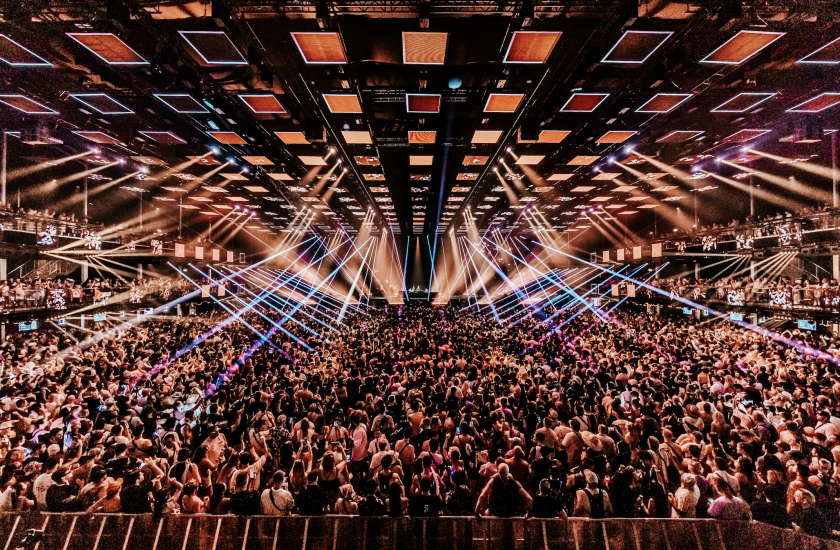
What sets Tomorrowland apart isn’t the line-up, though that’s pretty impressive, with Martin Garrix, Sebastian Ingrosso and David Guetta last weekend and Calvin Harris, Steve Angello and Steve Aoki this weekend. But what really makes it unique is the sheer scale of visual ambition poured into its design, in a way that puts most of its rivals to shame.
A world built around emotion
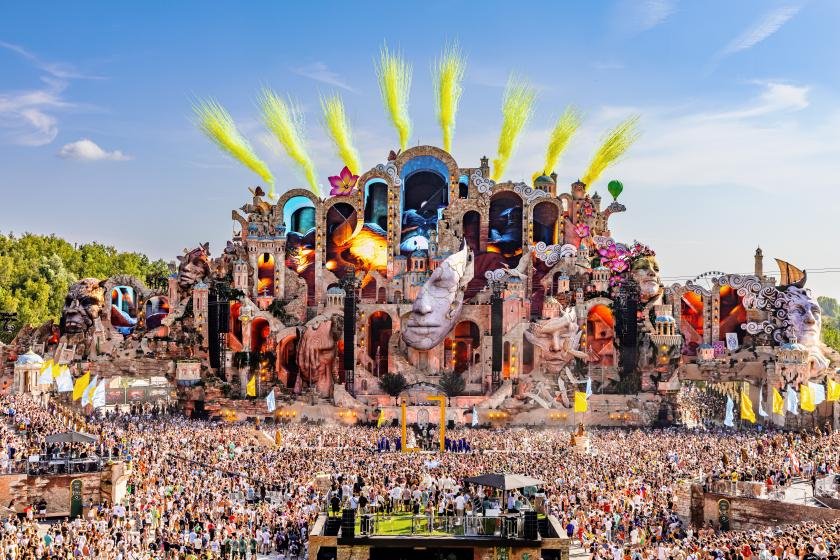
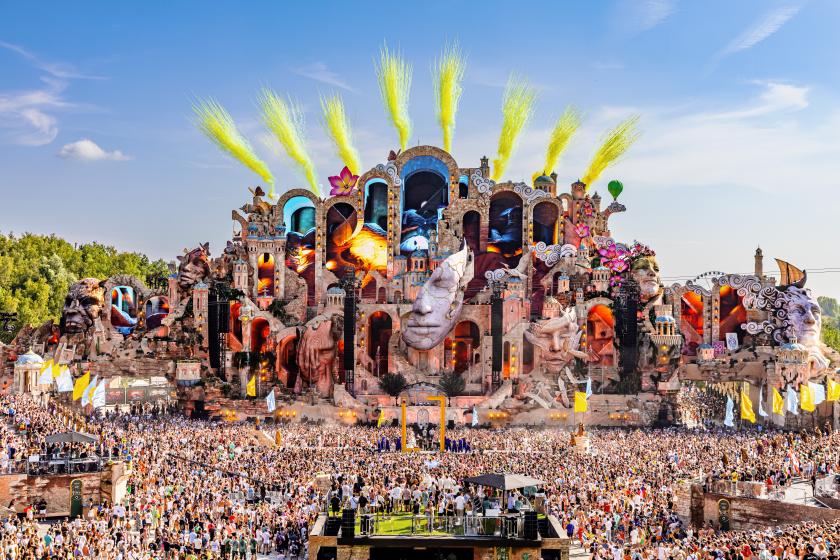
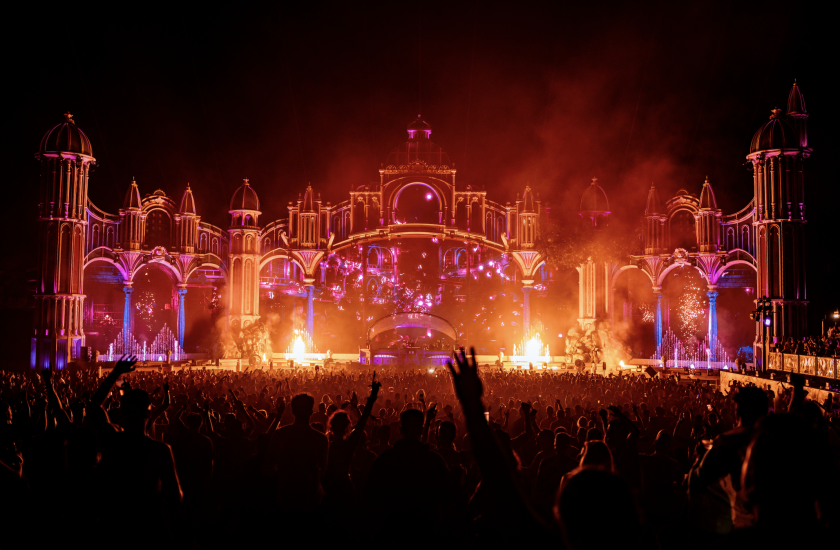
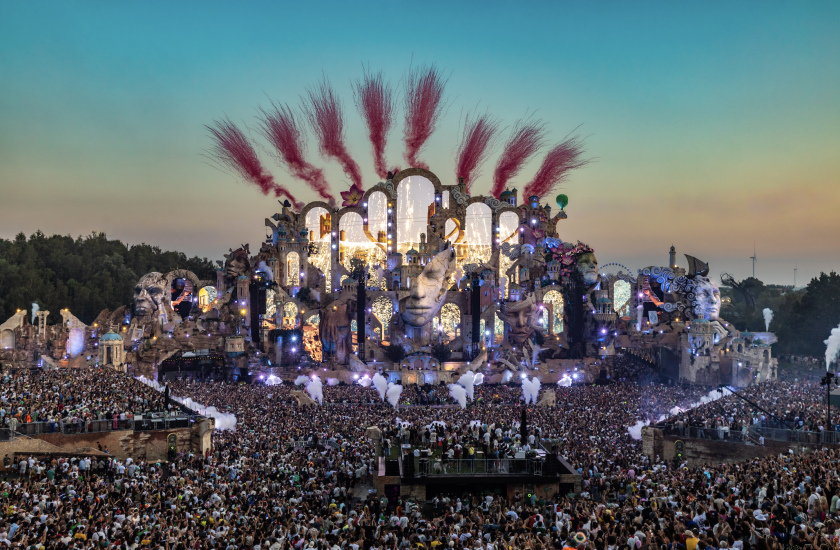
Every edition of Tomorrowland is built around a theme that shapes the main stage design from the ground up. This year’s theme, Consciencia, imagines a world of six provinces, each representing a different human emotion: wonder, joy, desire, love, anger and sadness. At the centre of it all sits Amutaz, a vast sculpted face intended to hold every emotion within it, with staircases and bridges radiating outward to symbolise the journey between them.
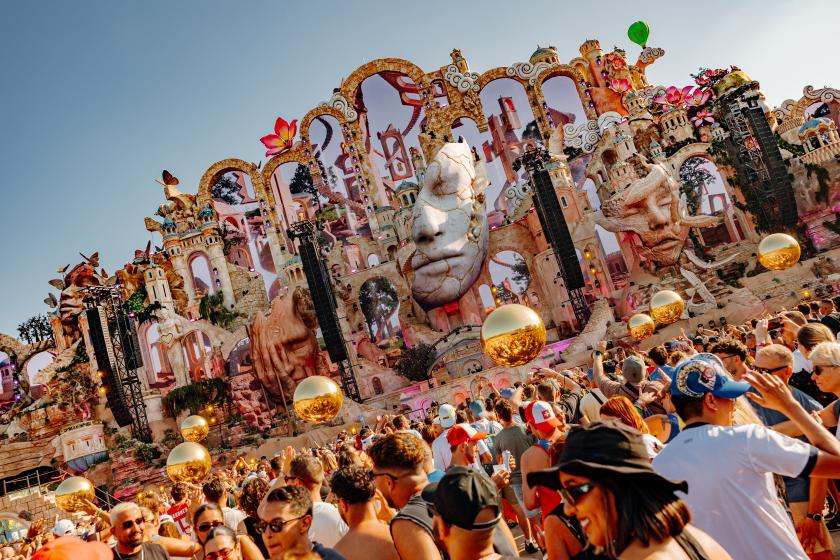
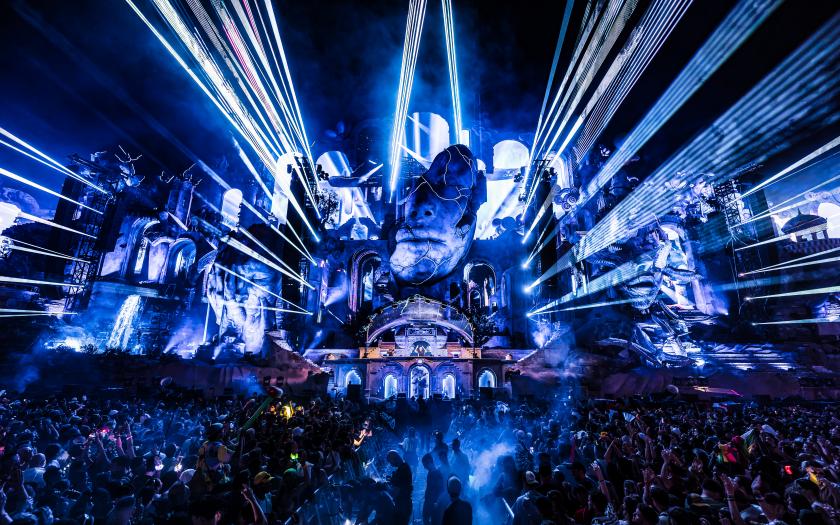
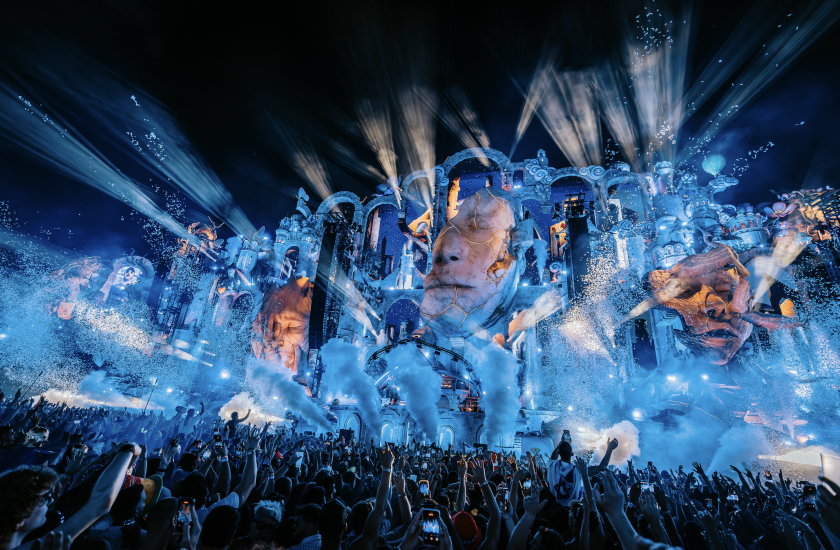
Standing 43 metres high and stretching 140 metres wide, it’s built from 2,400 LED tiles, 1,200 lighting fixtures (300 of them custom-designed), 56 lasers, 38 fountains and two waterfalls, with seven giant inflatable faces looming over the crowd. The whole thing took more than two years from first sketch to opening night, followed by 54 days of on-site construction, and it will later travel to Tomorrowland’s Thailand and Brazil editions.
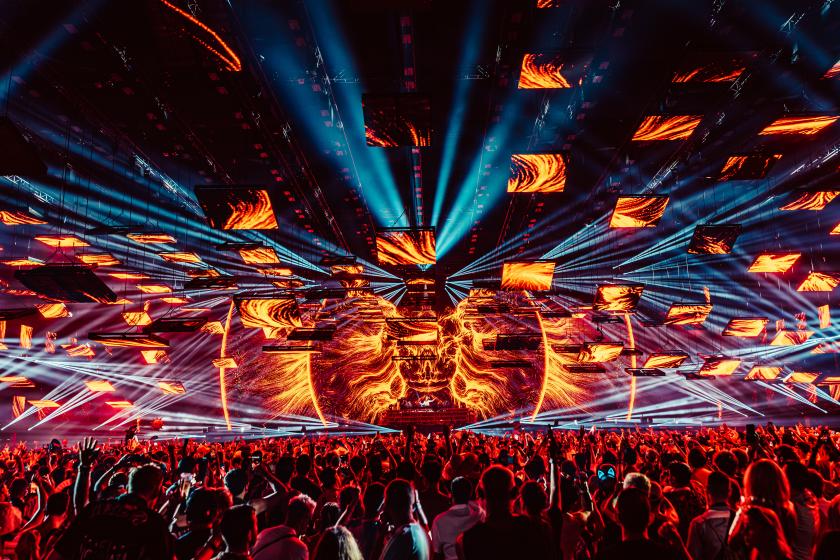
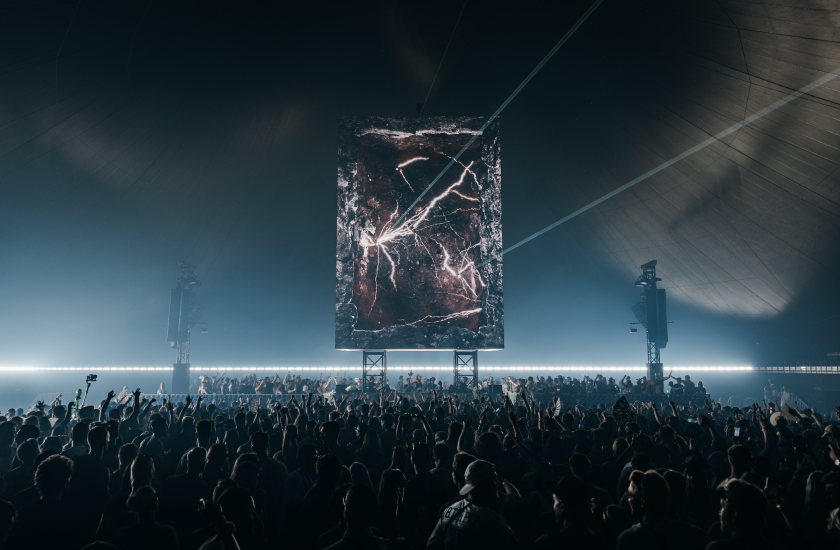
Crucially, none of this is static scenery. The festival’s longtime visual partner, the Belgian studio Prismax, builds the visuals and pyrotechnics to run live, responding to each DJ’s set in real time rather than looping on a fixed cycle.
Prismax has worked with Tomorrowland since its first edition over two decades ago, and last year took that same real-time tech to the Sphere in Las Vegas for UNITY, its collaboration with Insomniac, marking the first fully live visual show ever performed at that venue. It’s a level of technical ambition that goes far beyond simply hanging a screen behind the DJ booth.
Commitment to spectacle
That commitment to spectacle matters more than it might first appear, because the wider festival market has rarely looked shakier. In the UK alone, the last few years have seen a steady drumbeat of cancellations, several of them at frighteningly late notice.
This summer, the promoter Heritage Live pulled all three of its 2026 events, including shows headlined by Janet Jackson, Christina Aguilera and Eric Clapton, blaming low ticket sales and a market that’s become, in the organisers’ own words, almost impossible to compete in.
Discovery Festival axed its entire 2026 run across three UK cities for the same reason, while WOMAD’s Glasgow edition and a string of smaller independents went the same way. Industry figures from the Association of Independent Festivals suggest more than 200 UK festivals have disappeared since 2019, a figure that includes those lost to the pandemic, but also plenty that simply couldn’t make the economics work afterwards.
Against that backdrop, Tomorrowland’s willingness to spend heavily on world-building isn’t just indulgence. It’s a competitive strategy.
Why the visual design matters
When ticket buyers have never had more choice, and when plenty of once-reliable festivals are folding within weeks of going on sale, a festival that can promise something genuinely unrepeatable each year gives people a reason to book early and come back.
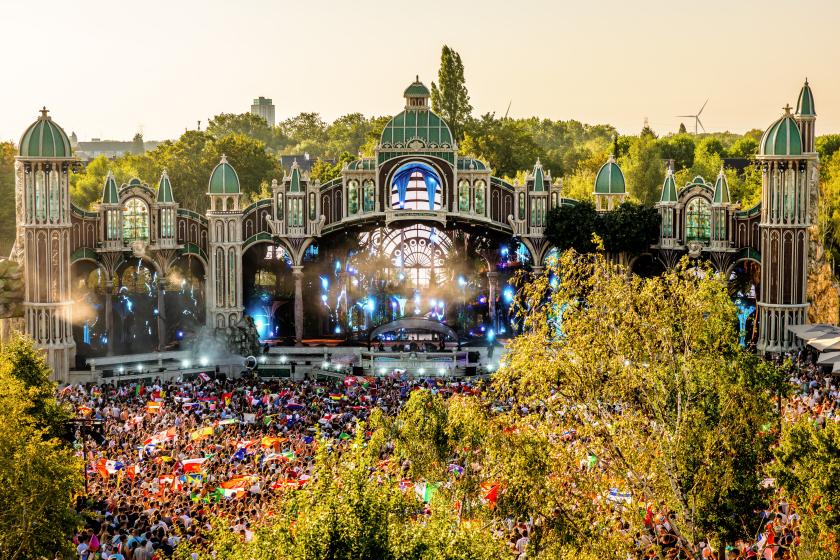
Tomorrowland even proved its own resilience in dramatic fashion after a fire destroyed its original mainstage structure ahead of one recent edition, with crews rebuilding an entirely new stage from scratch in under 36 hours so the show could go on.
Most UK and European festivals simply don’t have the resources, or the two-decade creative partnership, to build anything close to what Tomorrowland produces each summer. But the underlying lesson travels well beyond dance music. In a market this saturated, a distinct, fully realised creative identity isn’t a nice extra. It might be the difference between selling out in minutes and cancelling at the 11th hour.