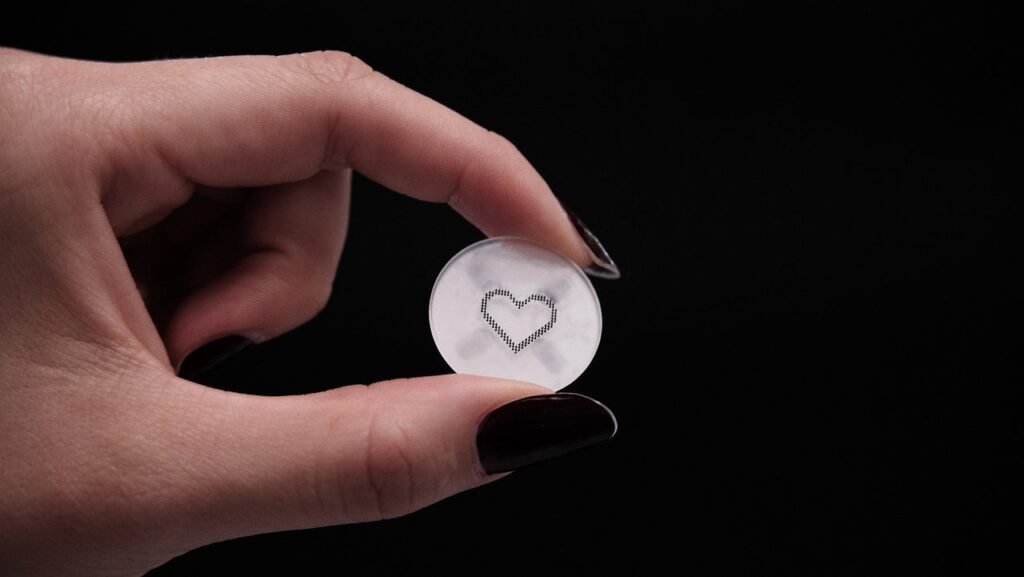
Getting tattoos can hurt. But people who’ve gotten one using Microdot Tattoos, a new applicator from the London-based skin technology company CipherX, say it hurts less than brushing your hair.
Rather than a traditional tattoo needle that painfully punctures past the epidermis and requires weeks of aftercare, Microdot Tattoos uses capsules with dissolving microneedles that are basically painless, the company claims, and the tattoos they produce require just 48 hours of aftercare.
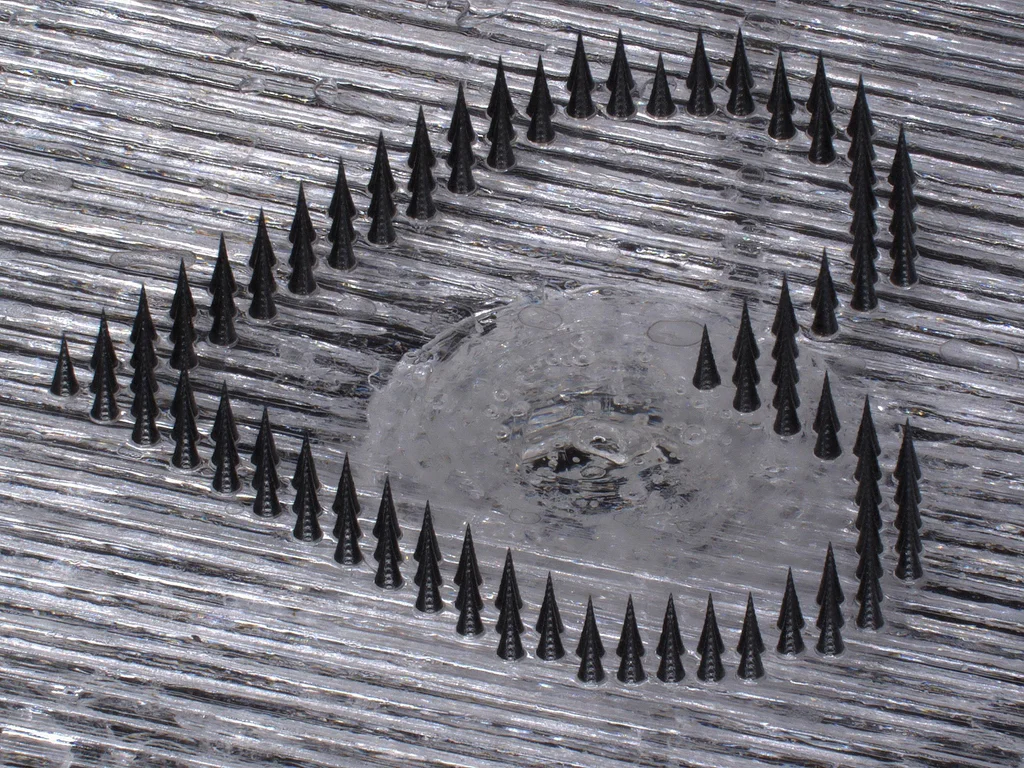
Microneedle technology is used to deliver things like drugs and vaccines in a minimally invasive way without hypodermic needles. A 2022 study in Science Daily also explored using the technology for tattoos.
Traditional tattooing uses an electric machine to rapidly puncture deeper into the dermis layer of the skin. Microneedles, on the other hand, transmit the tattoo ink through a series of short spikes that puncture the top layer of skin but are designed to remain shallow.
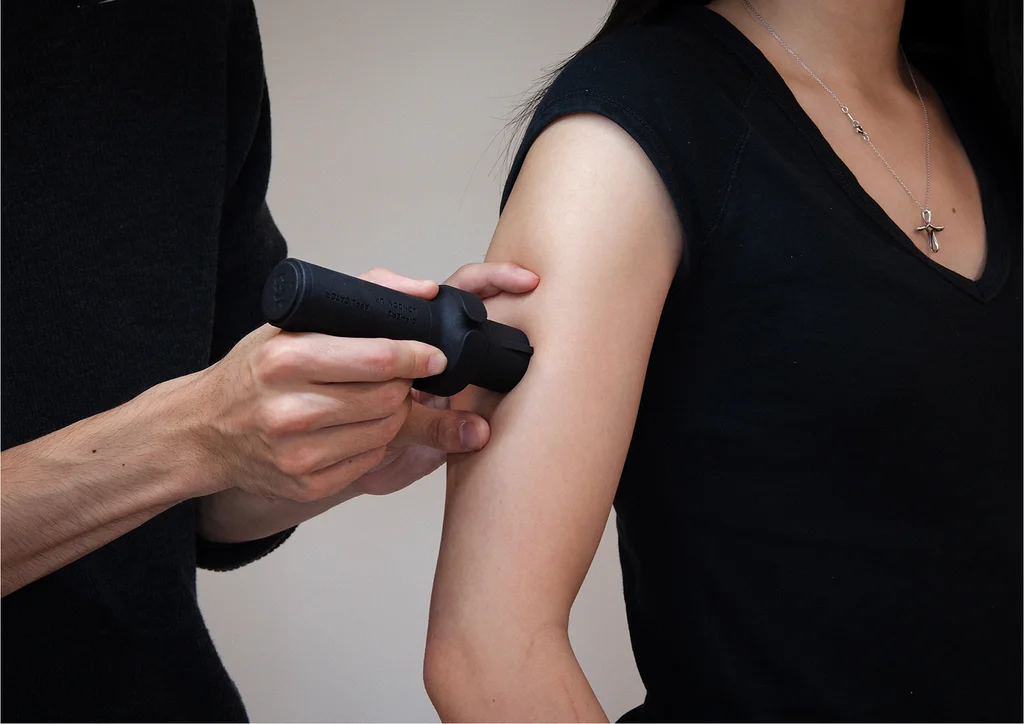
CipherX cofounder and CEO Ferdinand Kohle compares it to the way a sandcastle holds firmly until it gets wet and then falls apart.
“These needles are rigid, tough,” he tells Fast Company. “They can penetrate the upper layer of the skin, but as soon as they are in contact with the moisture that is in the skin, the water that’s in the skin, they start to dissolve immediately and then the ink is released into the right layer of skin.”
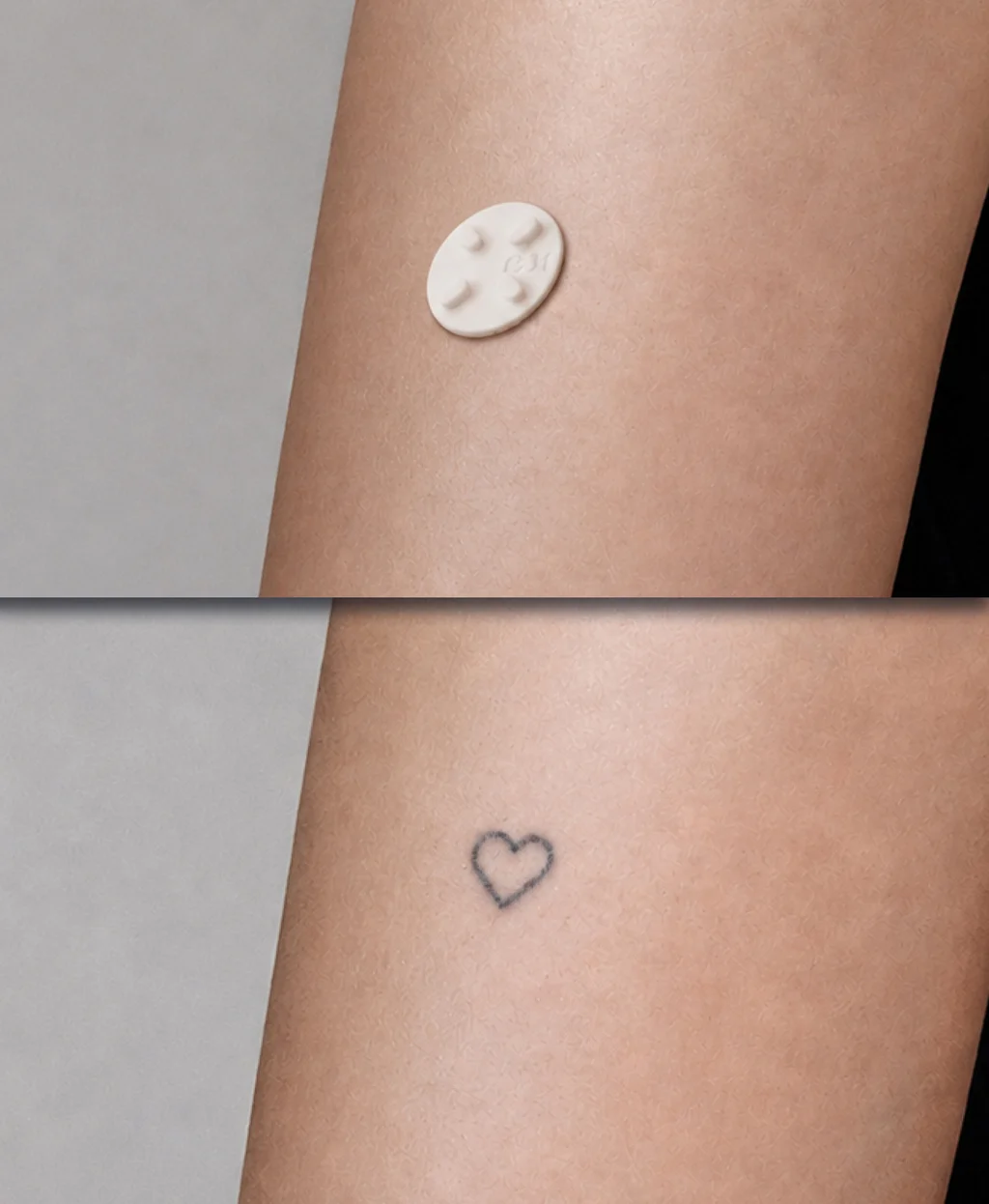
The tattoo pigment that the microneedles transfer into the skin is arranged as microscopic dots that act like pixels to create the tattoo image. The company is launching today in the Shoreditch neighborhood of London with about a dozen designs to start with, including a smiley and a heart. The capsules use off-the-shelf tattoo ink. The applicator is reusable.
The design philosophy behind it is embodied brutalism, Kohle says. His team was inspired by the simple geometries and shapes of brutalist buildings, like West London’s Trellick Tower, which is in view of the company’s office. They didn’t want the applicator to feel polished and shiny like standard medical or cosmetic devices, but they did want it to feel heavy and substantial, even considering making it out of concrete.
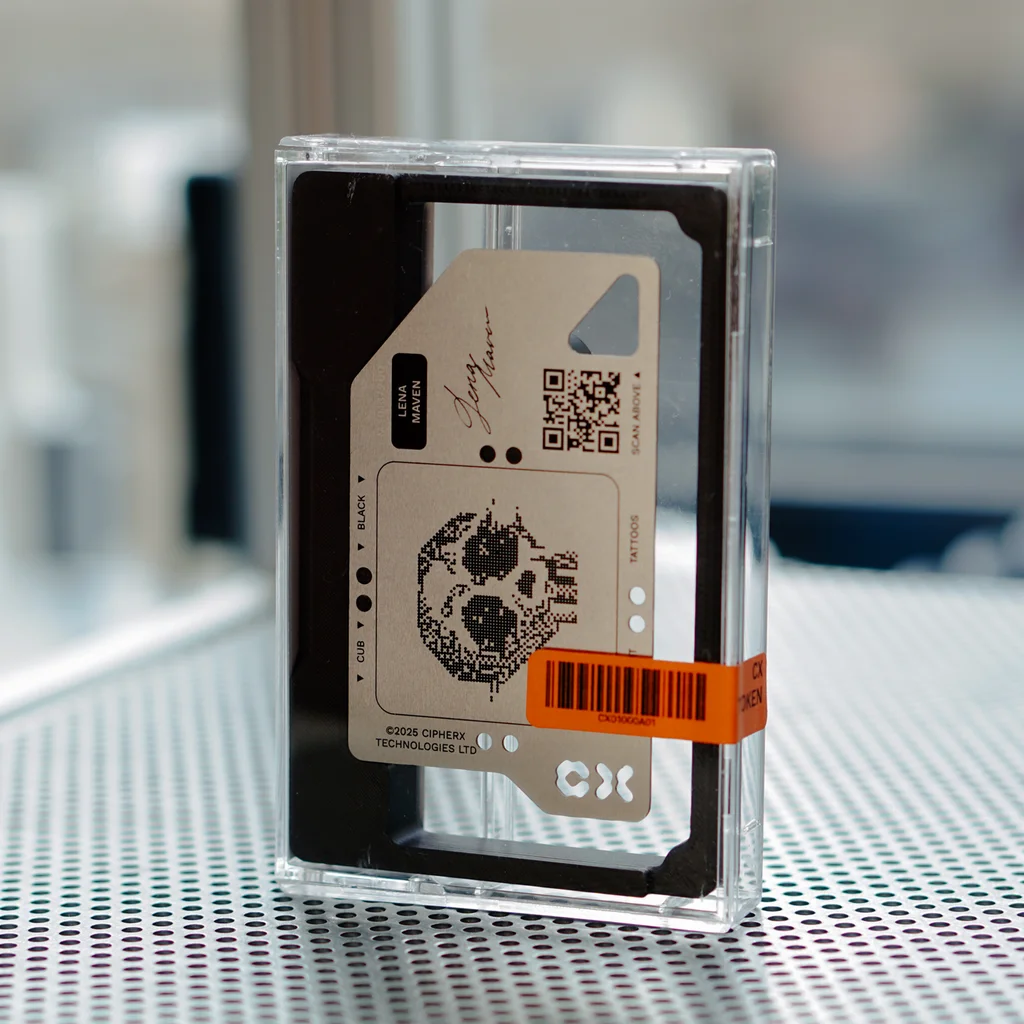
“We wanted [it] to feel like there’s texture, there is a meaning of ritual behind this,” he says.
The system works only for small tattoos, but it does make it easier for people who want tattoos but are otherwise turned off by the fear of needles, blood, or pain to get them. Kohle got a tattoo of the number 110 on his inner forearm for the Roman numeral CX for CipherX.
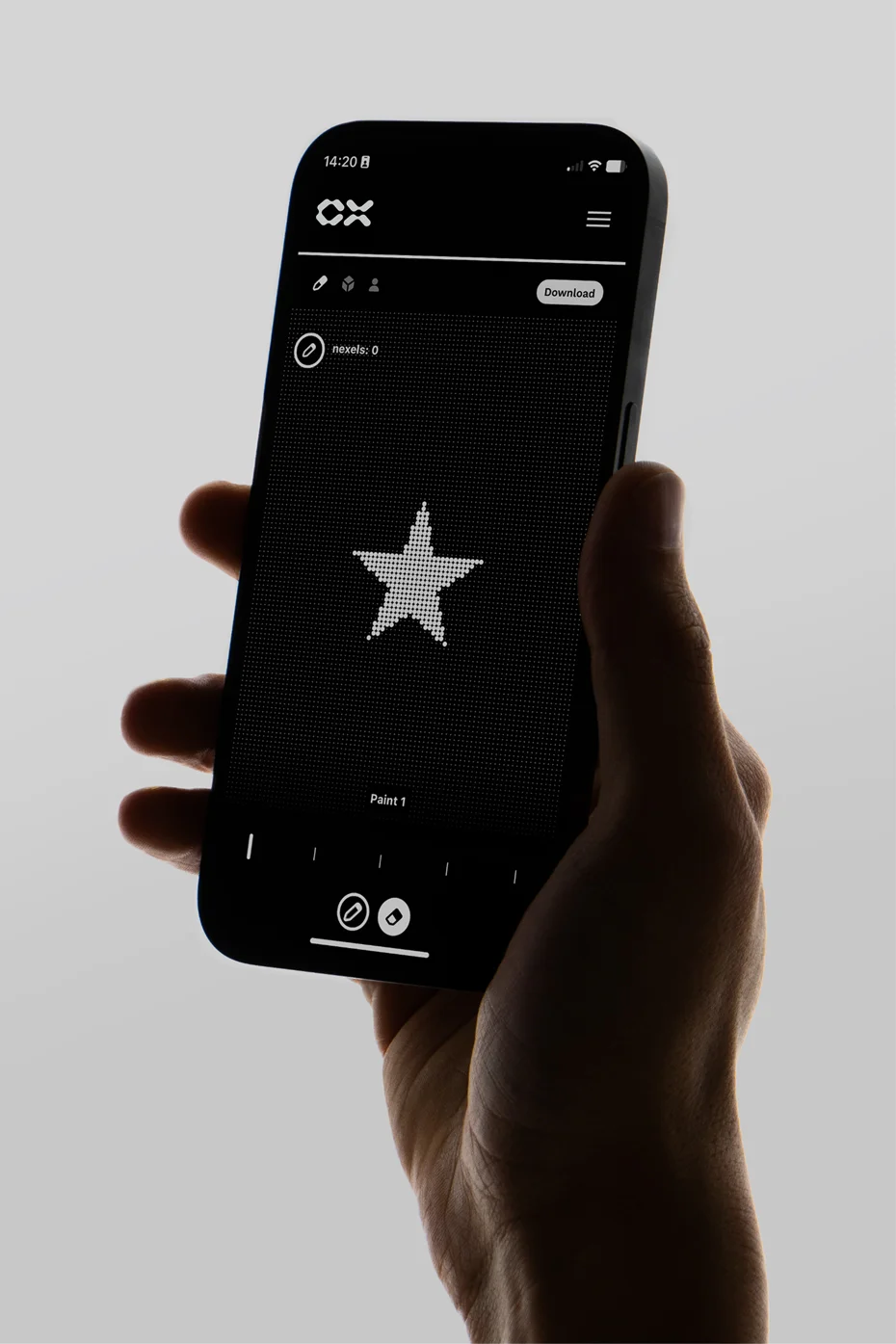
Kohle developed Microdot Tattoos with Karl-Anton Harms, a clinician and research scientist specializing in plastic surgery, burn care, and skin technology. The company’s work spans disciplines, from medical technology and industrial design to software design, as the system allows users to design their own tattoos on a computer to make a file for a patch.
Suddenly getting inked no longer requires an uncomfortable, extended session with a tattoo needle.