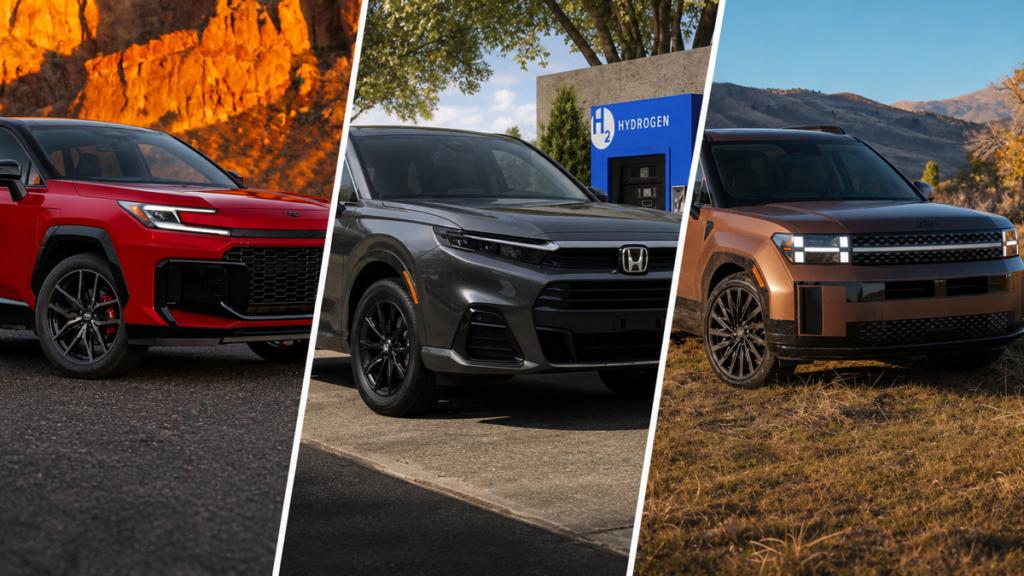
They won because they built cars buyers never had to think about
Toyota, Honda and Hyundai are winning because they never asked buyers to change. While much of the auto industry tried convincing drivers to adopt new habits, these three brands built cars that fit seamlessly into existing ones. Judging by hybrid sales, buyers have rewarded that strategy. According to CNBC analysis, Toyota, Honda and Hyundai now account for roughly 86 percent of the US hybrid market. When three brands control nearly nine out of every ten hybrid sales, that’s no longer a trend. It’s a shift in where buyers see value. More importantly, their success is reshaping where automakers will spend billions developing future powertrains. Companies invest where demand exists, and right now that demand is for hybrids.
The Industry Bet On EVs, Buyers Chose Something Else
ChatGPT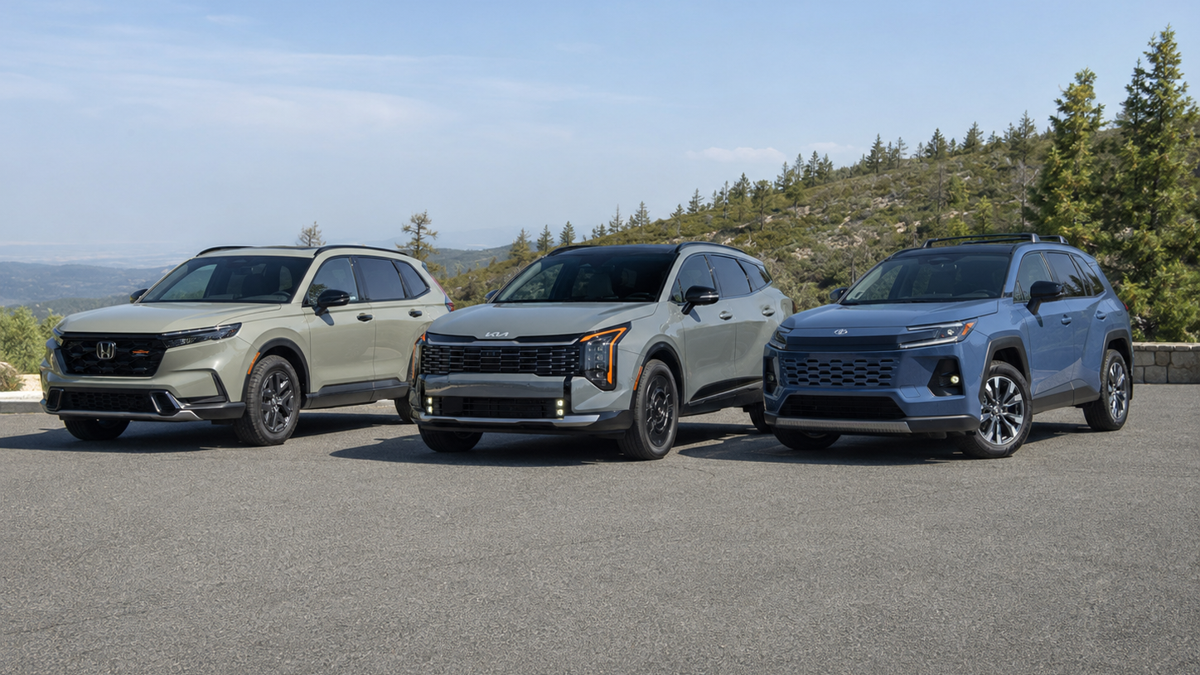
For years, automakers pitched hybrids as a stepping stone to fully electric cars. The assumption was that once charging networks improved and battery prices fell, buyers would naturally skip straight to EVs. Instead, many have settled on something in between now. Most buyers don’t care whether a car plugs in or fills up with gasoline. They care about monthly running costs, reliability and whether the car fits into their daily routine. A hybrid delivers much of the fuel-saving benefit of an EV without asking owners to install a home charger, hunt for public charging on road trips or wonder how cold weather might affect range. That helps explain why hybrid sales continue climbing even as overall EV growth has cooled.
Toyota Never Stopped Believing Hybrids Were Enough
Toyota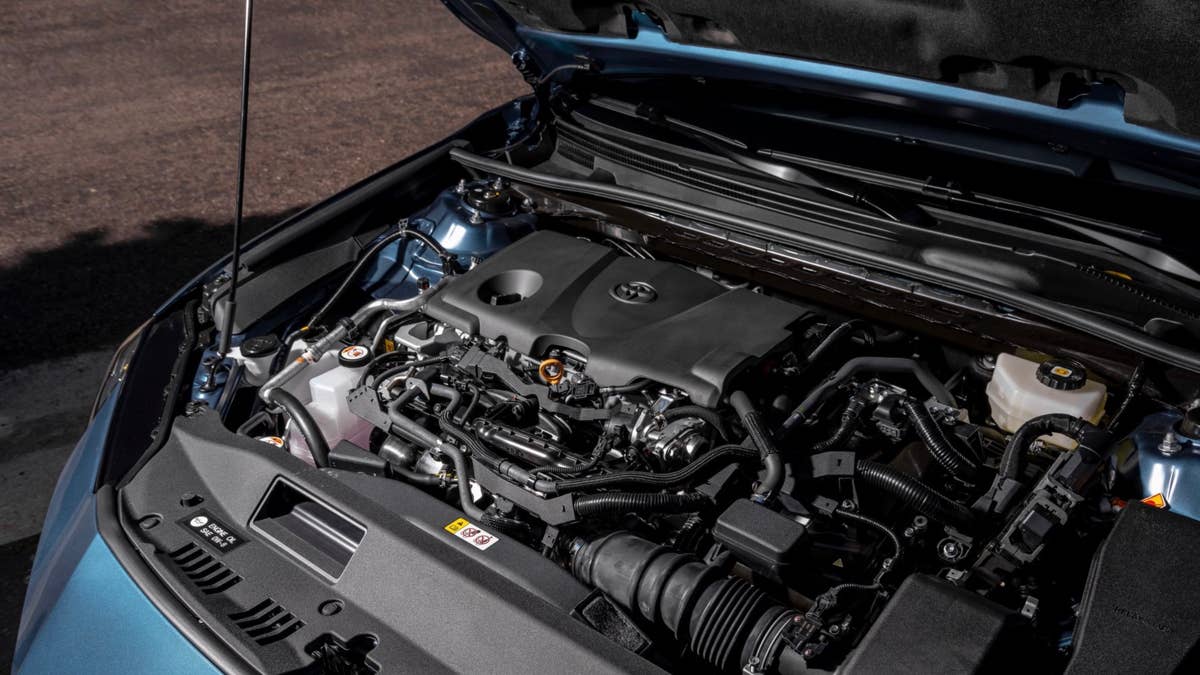
Toyota spent two decades perfecting a technology competitors increasingly viewed as a stopgap. That patience now looks less like caution and more like one of the industry’s smartest strategic bets. While several rivals shifted engineering budgets almost entirely toward battery-electric vehicles, Toyota kept expanding its hybrid lineup, from the Corolla and Camry to the RAV4 and Grand Highlander. Honda has followed with hybrid versions of its best-selling CR-V and Civic, while Hyundai has steadily added efficient hybrid options across SUVs and sedans. The result is a portfolio that doesn’t force buyers into an all-or-nothing decision.
Hybrid systems look deceptively simple, but decades of calibration, battery management and manufacturing experience separate the best from everyone else. That’s why rivals can’t simply announce a hybrid strategy and expect decades of experience to appear overnight.
Final Thoughts
Toyota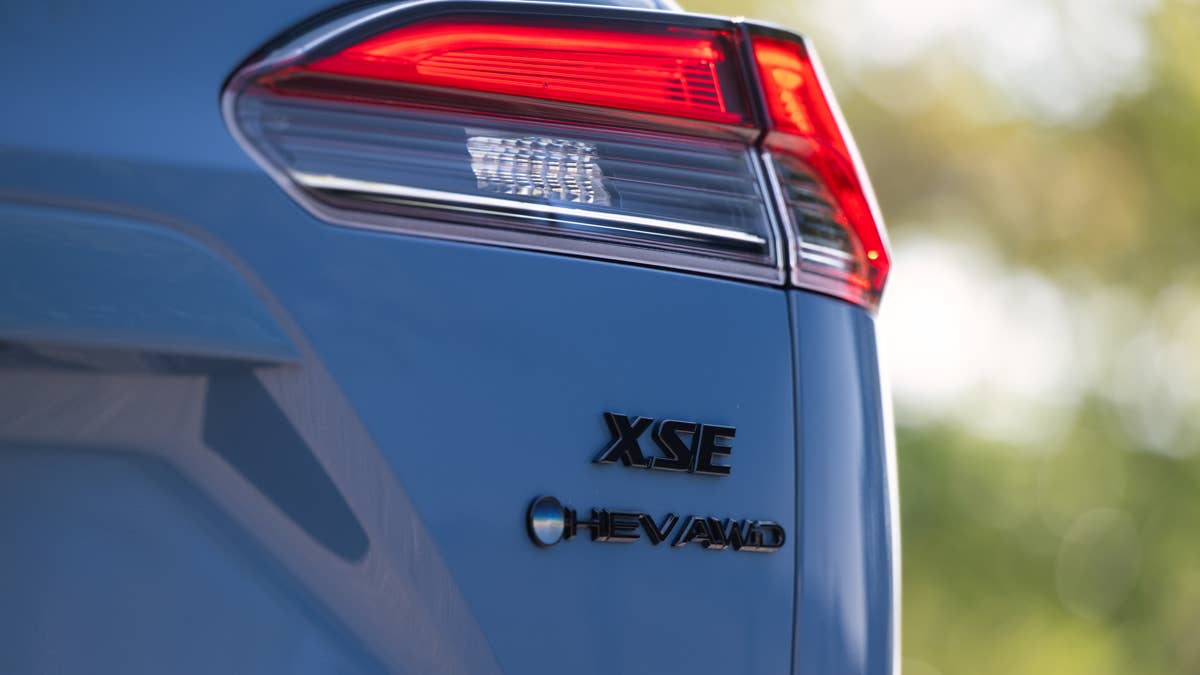
Battery-electric vehicles will continue to grow, particularly as charging infrastructure expands and prices fall. What the hybrid resurgence really shows is that convenience remains one of the most powerful selling features in the auto industry. Most people simply want a car that handles the daily commute and the occasional road trip without thinking twice. Right now, hybrids happen to solve those problems better than almost anything else. Buyers didn’t reject the electric future. They simply chose the version of it that fit into their lives today.