Undercut and Dominate
Chinese automakers have become the ultimate disruptors in a very challenging industry. From humble beginnings, these brands have grown to become threats to the established brands all over the world. China has the unique manpower and scale to rapidly improve its vehicle offerings while keeping prices much lower than other brands; this strategy has led to huge market shares in different markets.
While some nations like Canada have embraced the Chinese automakers, others are still on the fence about them. Apparently, the rapid rise of Chinese hybrid and plug-in hybrid sales in Europe is causing one big auto giant to speak out.
BYD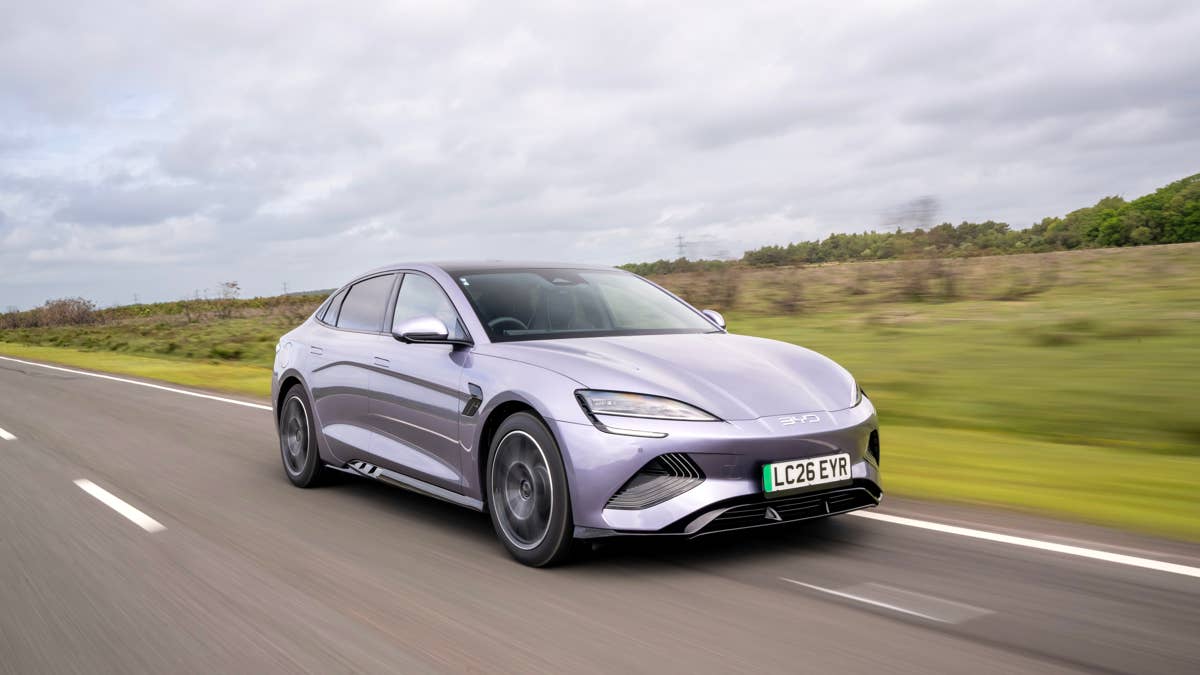
Higher Tariffs
Volkswagen Group is one of the biggest automotive conglomerates in the world; it has a collection of brands under its umbrella that caters to all segments of the industry. Europe is the natural playing field for VW, but the numbers for the first half of 2026 have come in, with some shocking revelations.
According to a report by Automotive News, in the first half of 2026, Chinese-branded and made Plug-in Hybrids (PHEVs) have acquired nearly one-third of Europe’s PHEV market. Dataforce’s numbers say that Chinese brands made up 27.3% of the European PHEV market in the first six months of the year, with total sales of 208,368.
VW Group CEO Oliver Blume has demanded that the European Union take action by imposing higher tariffs against Chinese automakers importing into the region. Blume notes that the same tariffs imposed on Battery Electric Vehicles (BEVs) should be used for PHEVs. The EU’s BEV tariff tops off at 35%, which has already leveled the playing field between the long-established brands and the new Chinese manufacturers
Jacob Oliva/Autoblog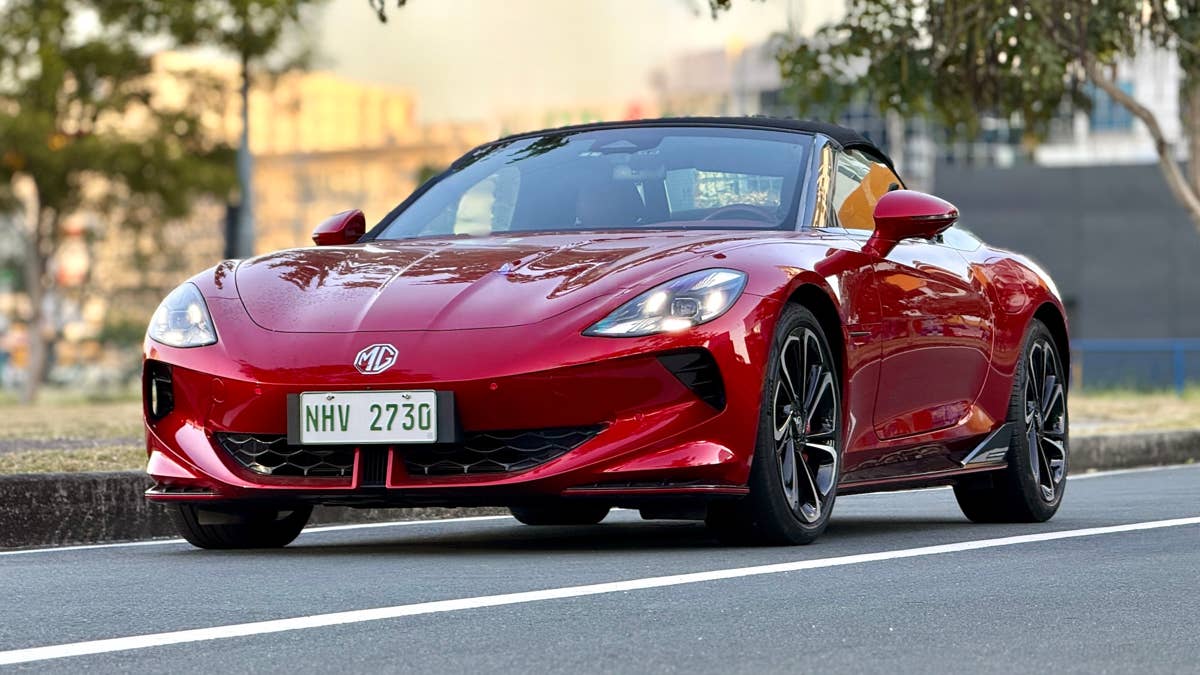
Growing Market Share
Blume also said that China’s massive export push is a result of having no choice but to grow outside of China, with its local industry facing higher pressures and tougher challenges.
Last year, Chinese car brands accounted for only 5.9% of the total European car market, but in just the first half of this year the market share has nearly doubled to 9.5%.