Aviv Kurt
- Harmony raised a $34 million seed round led by Lightspeed to automate workplace requests.
- Its cofounders sold their last startup to Cisco for $500 million.
- The platform handles tasks like onboarding, software access, and password resets.
Two founders who sold their first startup to Cisco for $500 million have raised $34 million in seed funding for their next act.
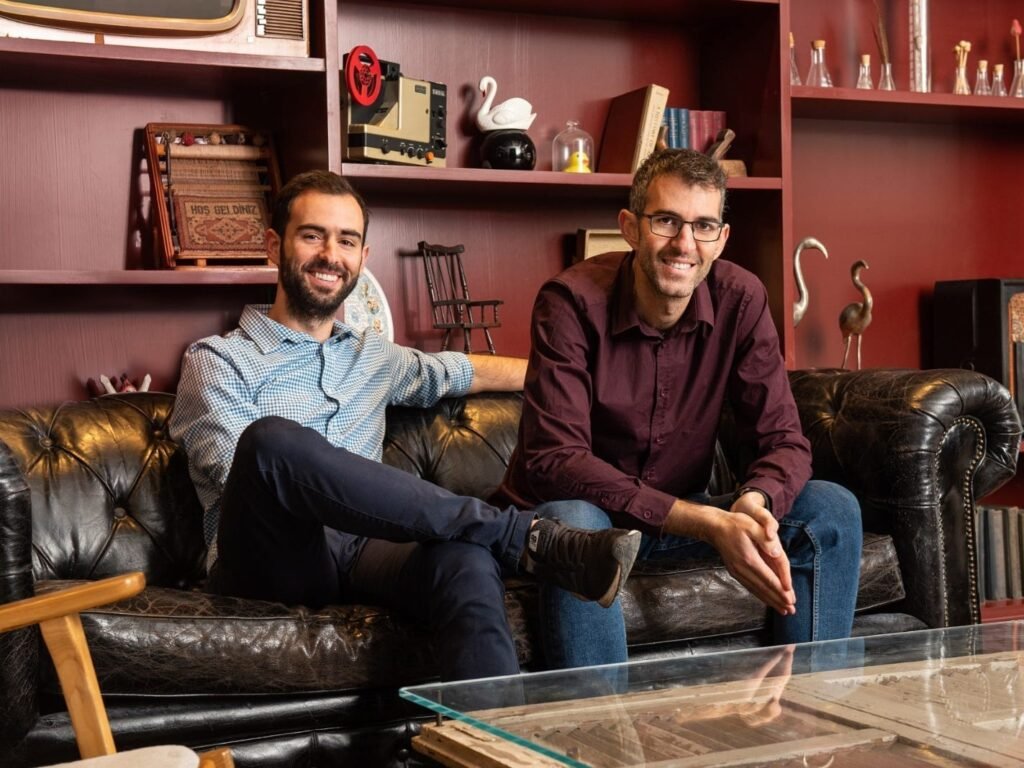
Last year, CEO Nitzan Shapira and CTO Ran Ribenzaft launched their new startup Harmony, which uses AI to field workplace requests. Rather than simply answering employees’ questions, Harmony operates inside Slack and Microsoft Teams to handle tasks like onboarding, software access, and resetting passwords.
They aim to help workers avoid digging through internal systems or waiting to talk to tech support or human resources, the company said.
Harmony works with more than 100 applications and can use an employee’s role and permissions to tailor responses. Companies can also require human approval before AI takes action.
Customers include workflow automation company n8n, investing app eToro, security startup Cyera, and fashion retailer Kith.
Lightspeed led Harmony’s $34 million round. The venture capital firm also backed Shapira and Ribenzaft’s first startup, cloud software monitoring company Epsagon, which Cisco acquired in 2021. Shapira said this time, he wants to build a much bigger company rather than pursue another early acquisition.
Hitachi Ventures, Fin Capital, Mercer Ventures, and Operator Partners also participated in Harmony’s seed round.
This funding round is larger than most seed rounds. Shapira told Business Insider that it isn’t uncommon for second-time founders, and it gives Harmony enough funding to scale quickly without needing to return to investors so soon.
The startup will use the funds to grow its engineering, product, and sales teams. Harmony has 60 employees, with roughly two-thirds in Israel and the rest in New York.
Here’s a look at the pitch deck that Harmony used to raise its $34 million seed. The deck has been redacted so that it can be shared publicly.
Harmony
Harmony
Harmony
Harmony
Harmony
Harmony
Harmony
Harmony
Harmony
Harmony
Harmony
Harmony
Harmony
Harmony
Harmony