The Alliance at Work
In late 2022, Tesla opened its NACS (North American Charging Standard) design to other companies. The following year, major automakers such as General Motors announced plans to adopt it, setting the stage for a more unified charging port across North America. However, adapters may still be required when using existing J1772 and CCS1 infrastructure.
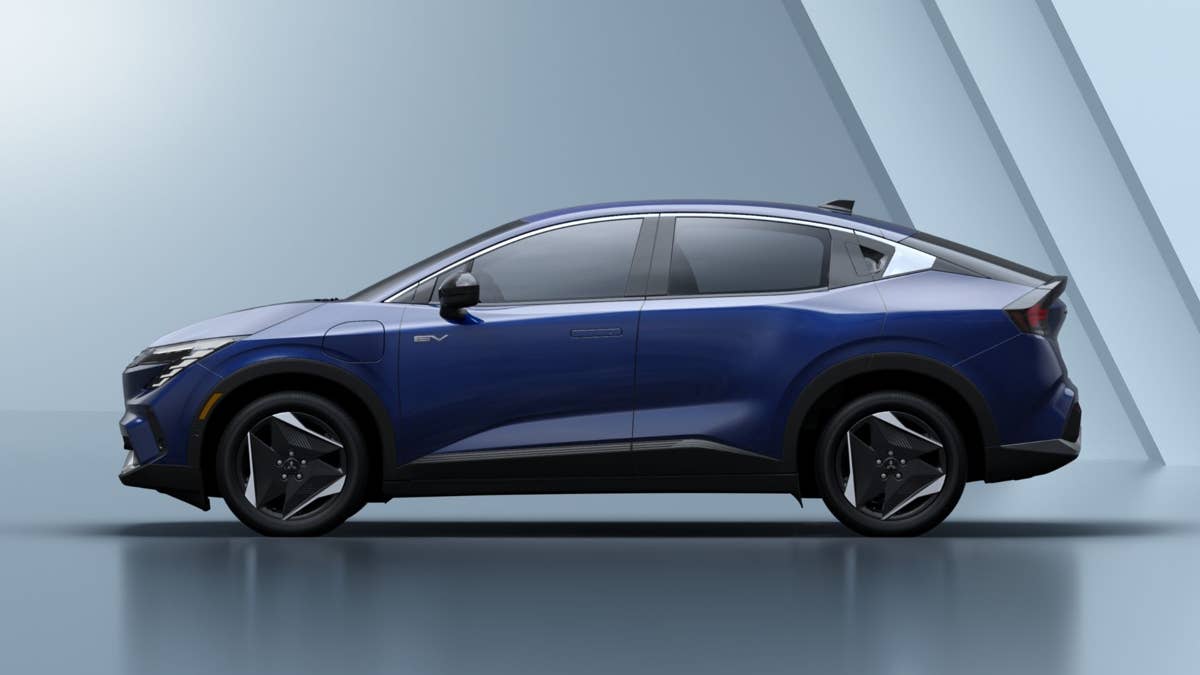
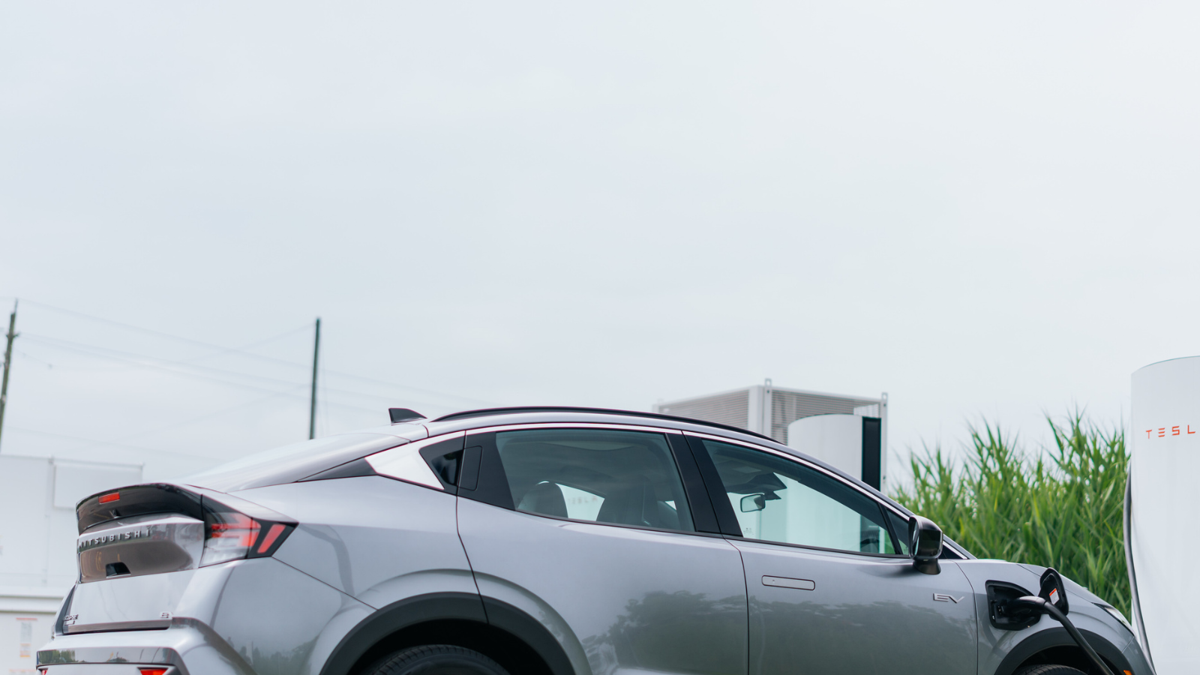
Nissan, meanwhile, decided to use two separate charging ports, one on each side of the Leaf. With Mitsubishi essentially redesigning the Leaf for its first new-generation EV in North America, the Eclipse Sportback EV also features two separate ports: one for NACS and another for J1772.
Two-Port Solution
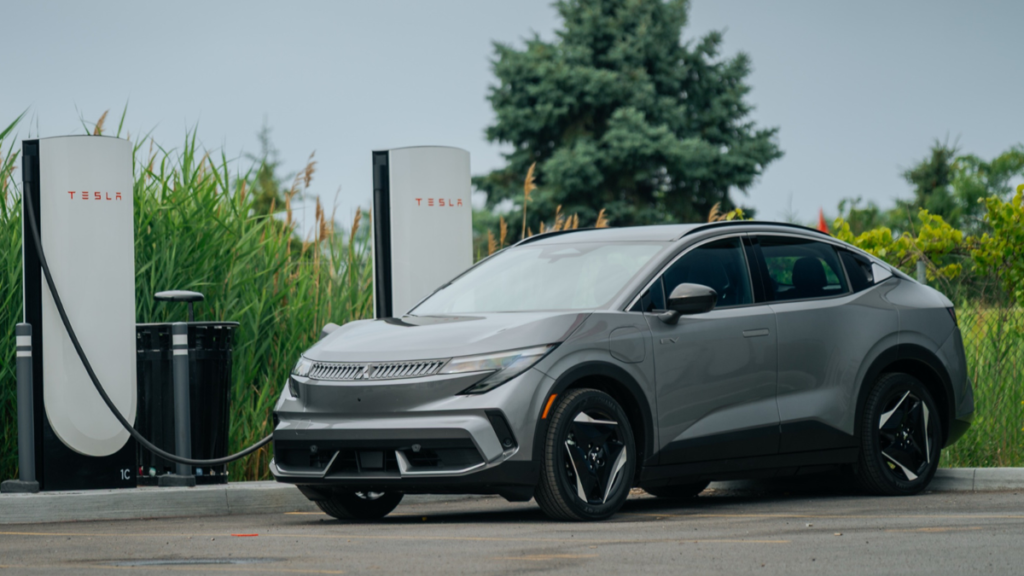
The NACS port is located on the passenger side, allowing the Mitsubishi Eclipse Sportback EV to use Level 3 DC fast chargers on the Tesla Supercharger network. Like its Nissan sibling, the upcoming Mitsubishi EV can charge from 10% to 80% in about 35 minutes. That isn’t as fast as models such as the Hyundai Ioniq 5, which can do it in about 20 minutes, but it should suffice for what is expected to be one of the more affordable EVs in the U.S. market.
On the driver’s side, the Eclipse Sportback EV – equipped with a standard 75-kWh lithium-ion battery – has a J1772 port for Level 1 and Level 2 AC charging at home or public stations. The practical benefit of having two ports instead of a single NACS port is that owners won’t need an adapter for either Tesla Superchargers or existing J1772 chargers. However, they would still need a CCS1-to-NACS adapter to use CCS1 fast chargers.
The dual-port design isn’t exactly a game-changer, but it adds some convenience, especially for first-time EV owners who have one less adapter to carry or lose.
Mitsubishi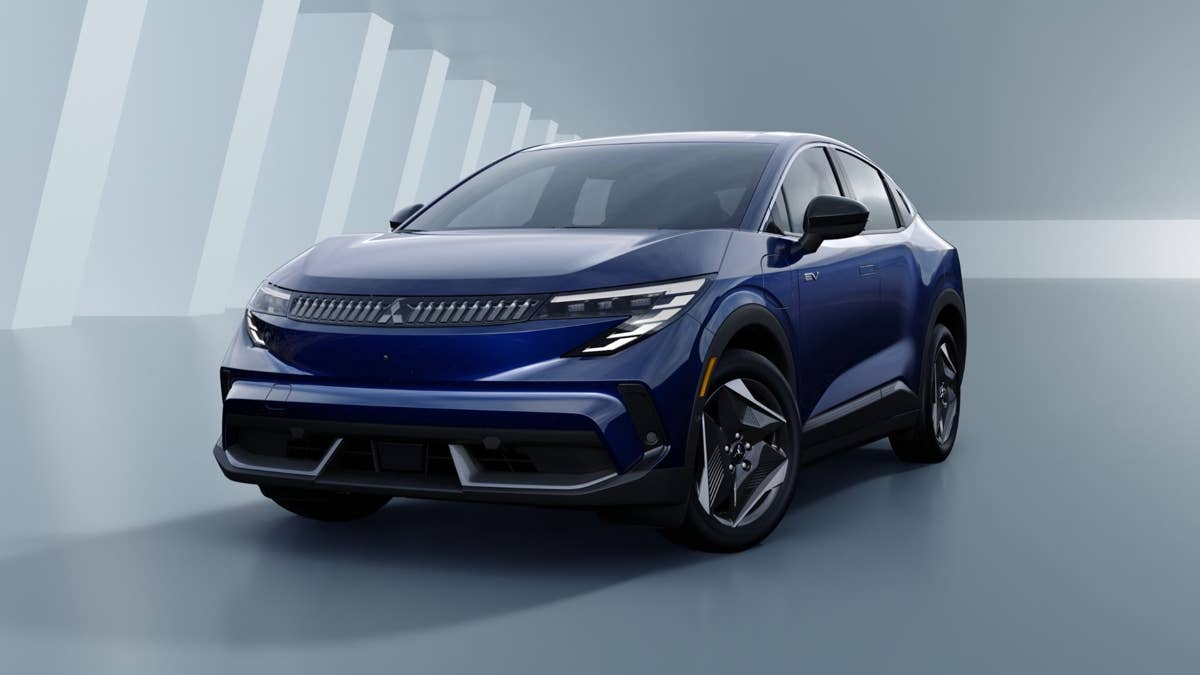
Next Big Test
Mitsubishi is scheduled to launch the Eclipse Sportback EV in the U.S. in fall 2026. Pricing hasn’t been announced, but it is expected to start slightly above the Nissan Leaf’s $29,990 MSRP. After all, Mitsubishi has made several design changes to differentiate its EV, including revised lighting, fascias, and wheels.
While North America gets the Eclipse Sportback EV, Europe offers the Eclipse Cross EV, which is instead based on the Renault Scenic E-Tech. Both continue the Japanese marque’s long history with electric cars, which includes the i-MiEV launched in 2009 – three years before the now-discontinued Tesla Model S even arrived.
Mitsubishi