Paige Bennett
- I tried the folded-egg cooking method to see if I could upgrade my breakfast sandwiches and toast.
- To make these, I used a glug of heavy cream, a spatula, a nonstick skillet, and a pat of butter.
- The folded egg didn’t cook super evenly, but it was fluffy and held together very well.
As someone who wakes up before 5 a.m. each day, I rely on eggs for a cheap and versatile breakfast that I can make in a flash while my coffee steeps.
I especially enjoy them on toast or in a breakfast sandwich, which I usually make with fried eggs, which hold up well. Although I prefer the taste and texture of scrambled eggs, they are too messy to eat this way without a fork.
So, I was intrigued when I came across The Kitchn’s tutorial for folded eggs, described as “luxuriously soft and creamy” with the “hold-togetherness of an omelet.”
If they really were fluffy and rich without falling apart, folded eggs sounded like the best of both worlds; like they could be the perfect upgrade to my usual breakfasts.
So, I gave this cooking method a try.
These folded eggs didn’t require many ingredients
Paige Bennett
I started by whisking together two eggs with salt, pepper, and a “generous glug” — about 2 tablespoons — of heavy cream. The recipe notes that half-and-half can also work in a pinch.
Then, I added a pat of butter to a pan over medium heat.
Once the butter had melted and started to sizzle, I poured in the egg mixture and let it sit for 20 seconds, using a rubber spatula to gently push and pull the edges.
As parts of the egg cooked and were moved away, more poured in to fill the spot.
Paige Bennett
This process was very simple and took about five minutes. But despite how I constantly folded it, the egg mix was unevenly cooked — some parts of it started to brown while others were still liquid.
Still, I was impressed by how well these eggs held together
Paige Bennett
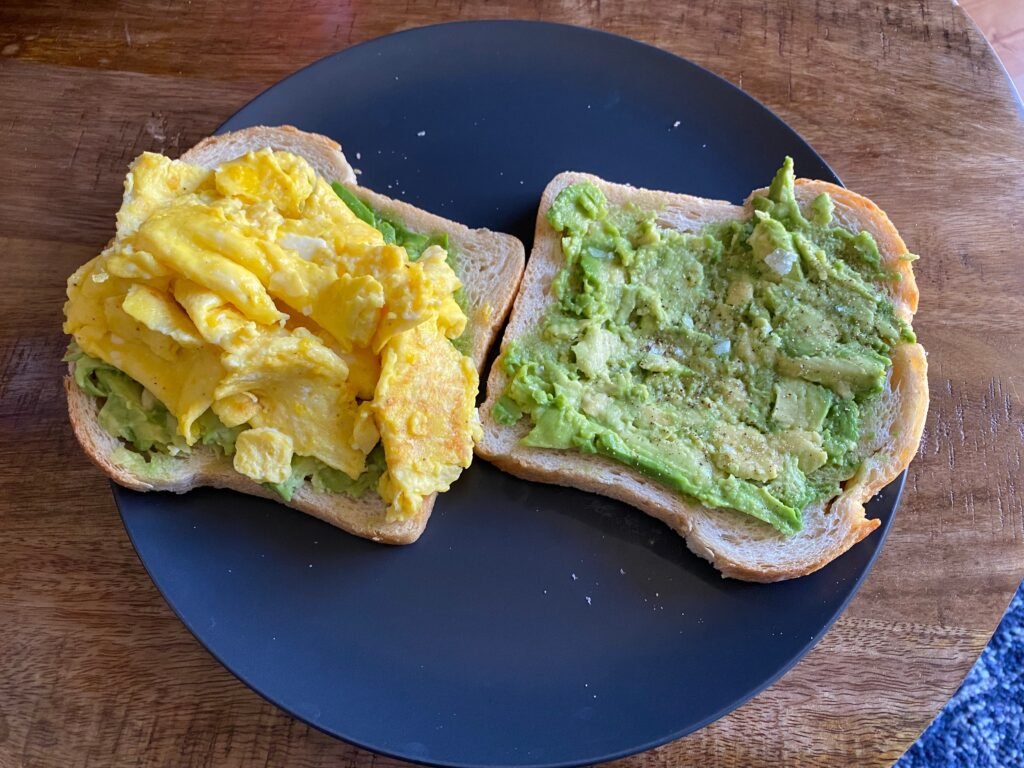
The folded eggs were very light and tasted like a scramble, with a much fluffier and less rubbery texture — even in the overcooked parts.
I’ve tried other methods that whip up really soft eggs, but the results are usually far too wet for me to stomach. This folded egg was thoroughly cooked, albeit a little overdone in some spots, without being dry.
Despite their soft bite, they didn’t fall apart, aside from the two pieces that broke off when I moved the eggs from the pan to my dish.
I ate this batch on toast and was impressed when not a single piece of fluffy egg fell onto my plate. This totally beat eating scrambled eggs on toast, where every bite is a mess.
I plan to use folded eggs in future breakfasts
Paige Bennett
Although the folded eggs didn’t cook evenly, I still preferred them to my typical scramble because they held up so well without being too dry. These also beat fried eggs, which stay together on sandwiches and toast, but lack the fluffier texture I enjoy.
This new method is especially well-suited for breakfast sandwiches, so I definitely plan to use it again for that purpose.
I also like that these took hardly any time at all to cook — I could toast my bread, make my coffee, and have my eggs ready to go in about five or six minutes.
And best of all, they didn’t fall apart when added to bread, so I plan to make my breakfast this way more often, especially on busy weekday mornings.
This story was originally published on March 27, 2023, and most recently updated on August 6, 2026.