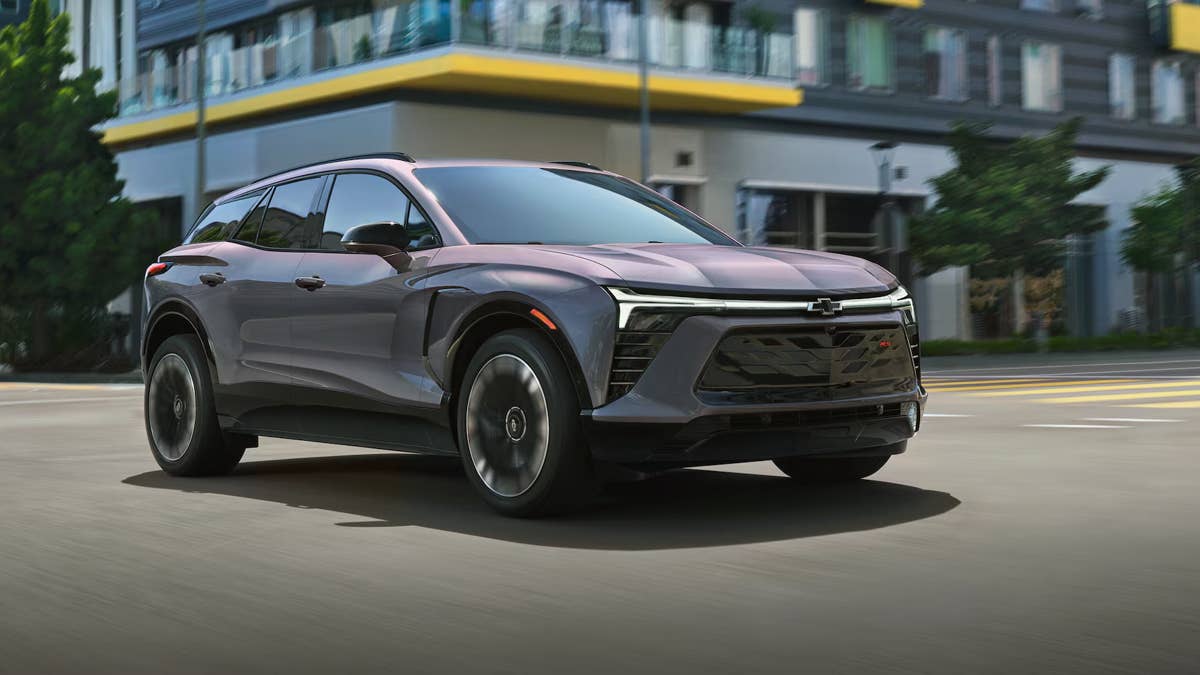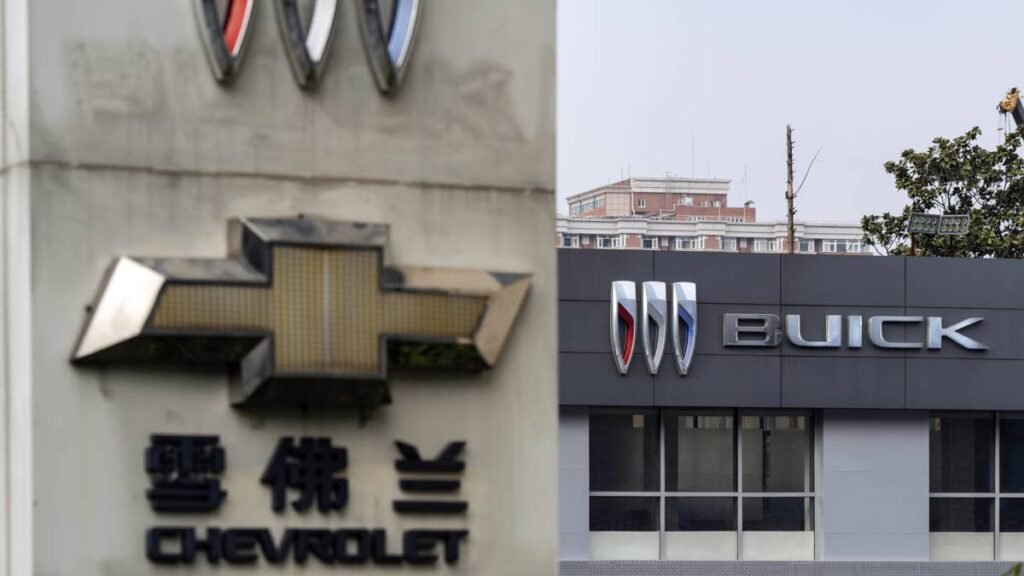
The once unthinkable scenario is finally unfolding overseas. General Motors is pulling the plug on the bowtie brand’s retail operations after twenty-one years. According to recent reports, sales plummeted by roughly ninety-nine percent over the decade. The automaker moved seven hundred sixty thousand cars in 2014, but that number tragically crashed to less than nine thousand units last year.
The writing has been on the wall for a while. Moving forward, the parent company will sharpen its focus on the Buick and Cadillac brands, which resonate strongly with local buyers. The Electra lineup has proven quite successful. Despite this retail pullback, General Motors recently signed a massive two-decade partnership extension to anchor its regional manufacturing footprint indefinitely.
Chevrolet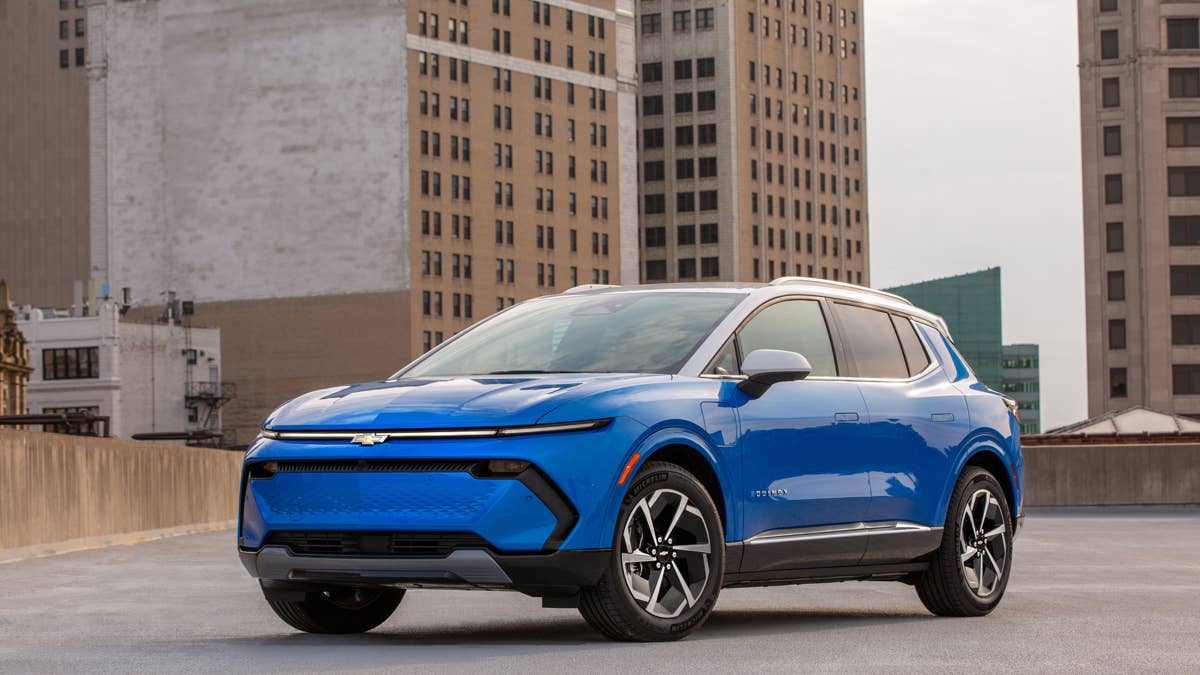
Details
Chevrolet offered a wide array of models that American consumers would easily recognize. The Blazer, Equinox, Malibu XL, and Seeker were prominent showroom staples. The lineup also proudly included the Monza, Menlo EV, and Tracker. However, most vehicles were strictly gas-powered. This proved a critical oversight in a country where buyers rapidly embraced new energy models and smart technologies.
This massive product mismatch contributed heavily to devastating financial penalties. Unsurprisingly, the Detroit giant lost substantial capital as local consumers completely abandoned traditional combustion engines for cheaper alternatives. Furthermore, many legacy brands recently suffered staggering write-offs after drastically misjudging the trajectory of electric vehicle demand globally. The market simply shifted much faster than executives anticipated during strategic planning.
Despite the domestic retail halt, Chinese production lines will not sit idle, Automobilwoche reports. SAIC-GM will continue manufacturing Chevrolets locally because the current lineup is optimally tailored for various export markets. Moving forward, the joint venture promises to launch at least thirty new energy vehicles by the decade’s end, deploying advanced technology developed locally to specifically satisfy domestic tastes and ensure sustainable profitability.
Chevrolet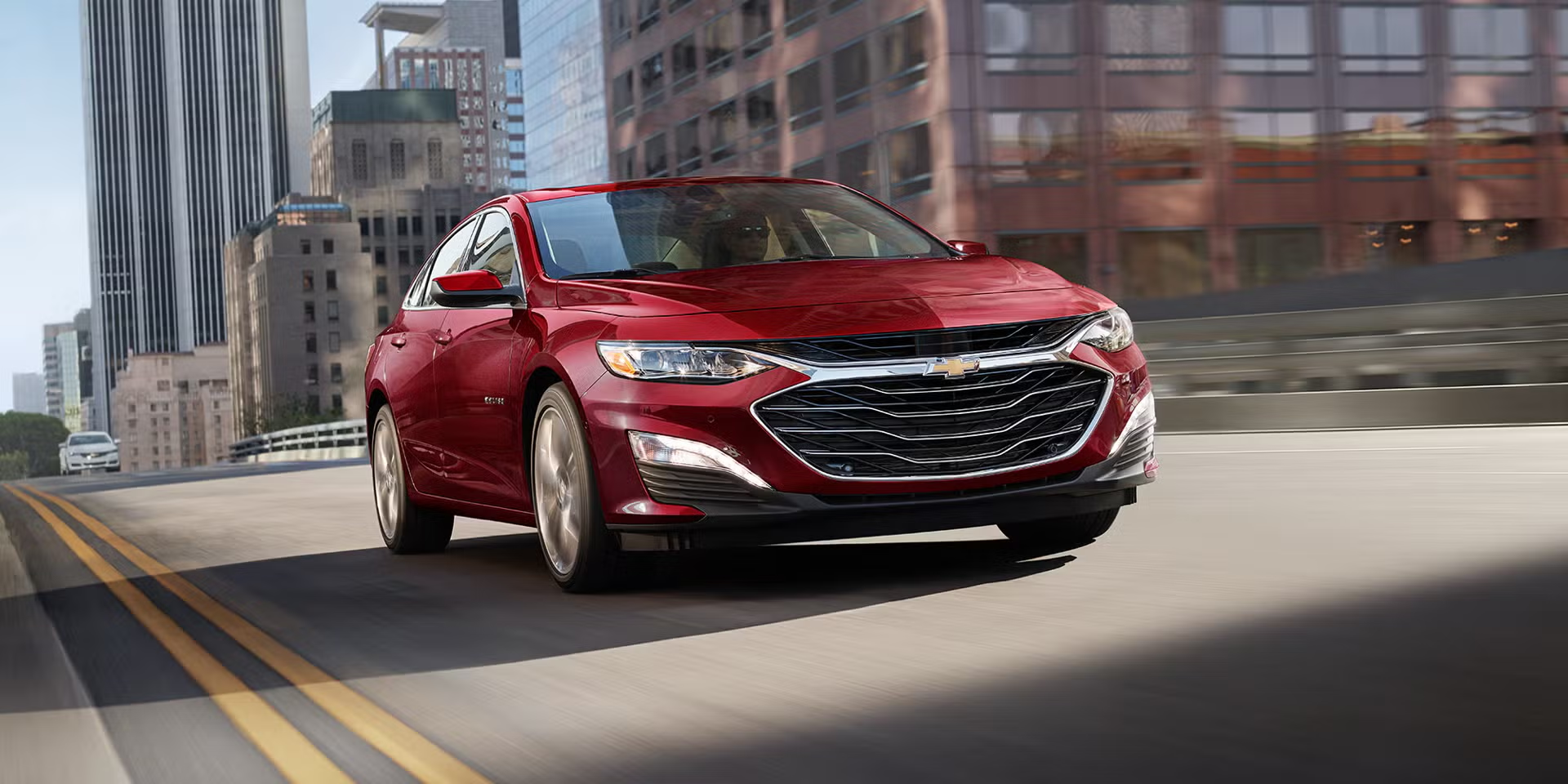
Writing on the Wall
This retreat provides a stark reality check for the industry. Pushing gas guzzlers into an electrified landscape was a colossal blunder. It is deeply ironic that the American automaker designs its most compelling electric vehicles exclusively for international buyers while struggling domestically. Their overall strategic direction feels completely backward when examining the fiercely competitive nature of the modern automotive landscape.
Shifting production to purely export status might ultimately salvage their initial factory investments. For instance, an updated compact will soon flood the Middle East, effectively leveraging this highly efficient Asian supply chain. Still, watching an iconic American nameplate effectively surrender one of the absolute largest automotive markets on the planet remains incredibly jarring for longtime industry observers and loyal enthusiast communities.
Chevrolet