Welcome to the new normal: When the sky in New York City or Detroit turns a sickly shade of orange, your first thought might be to wonder what part of Canada is burning now. 2026 is the fourth consecutive year that smoke from Canadian fires has caused severe air pollution in cities hundreds or even thousands of miles away.
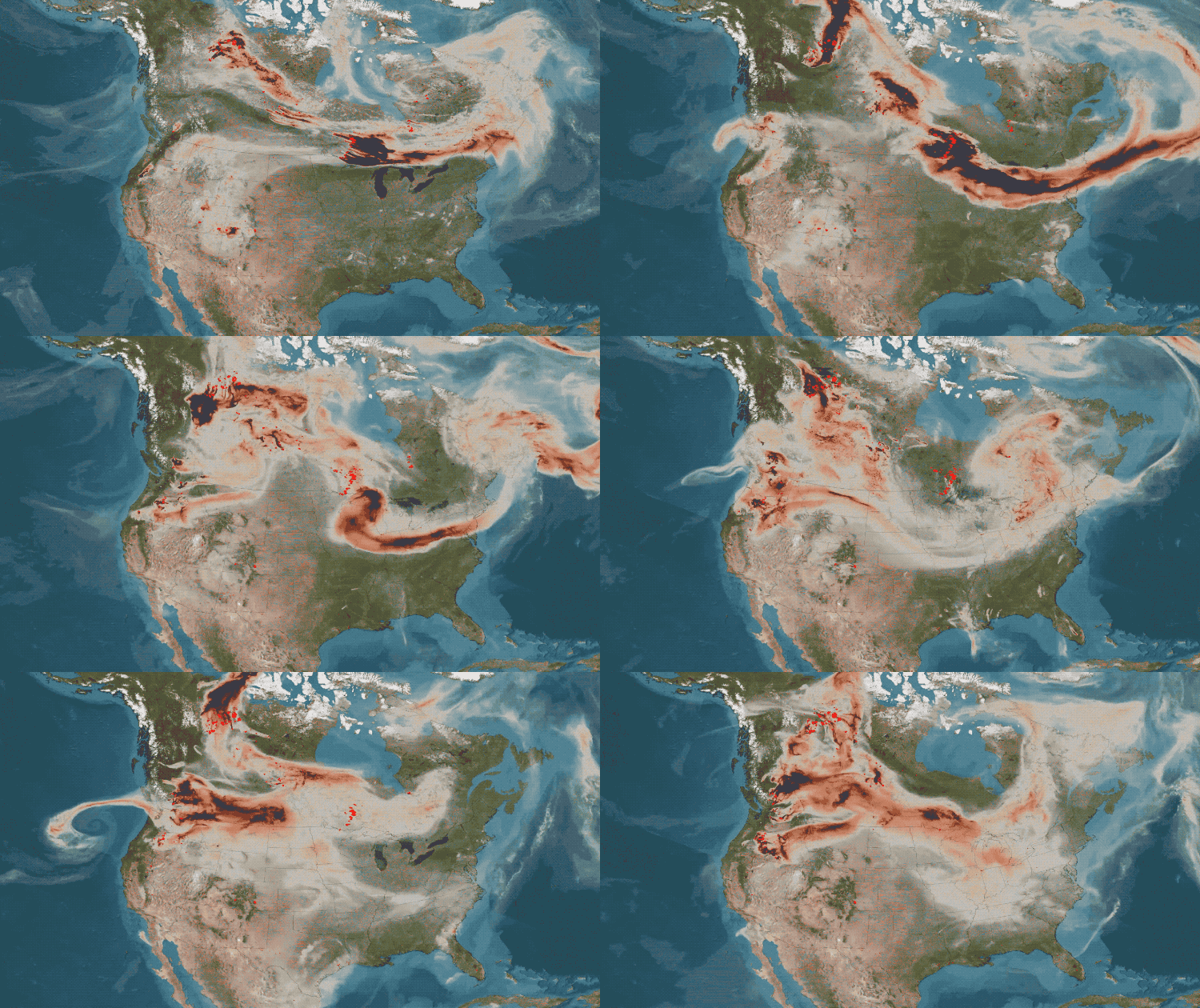
A NASA visualization tracks how wildfire smoke traveled from hundreds of fires in North America from mid-July to early August, showing the sprawling size of the impact.
In a wildfire, it’s not uncommon for the intense heat to push smoke 2 or 3 miles up into the atmosphere. That can help make the local air quality better, but it also means the smoke goes farther.
“At these higher elevations, winds are much faster and the smoke can move long distances,” says Dan Jaffe, a professor of atmospheric and climate science at the University of Washington. Unlike larger dust particles, the tiny smoke particles can stay suspended for days. “A typical smoke particle might last in the atmosphere for a week or more,” Jaffe says.
In some cases, the pollution might travel to a city but stay high in the atmosphere. But certain weather conditions can make the air quality plummet quickly. Detroit, for example, temporarily became the most polluted city in the world in July when a temperature inversion and weak winds trapped wildfire smoke near the ground. (In that case, the smoke was coming both from Canada and from fires in northern Minnesota.)
The smoke has immediate health impacts, and the risks can increase as it travels to cities. As it stays in the atmosphere and some particles oxidize, the smoke can get more dangerous to breathe over time. It also can mix with urban pollution to create more ground-level ozone, worsening asthma and other health conditions.
The NASA map makes it obvious that smoke doesn’t respect borders. President Donald Trump has said that he wants to “punish” Canada for the air pollution from fires, though there’s no existing legal theory for liability. The science also makes the question of responsibility much more complicated.
It’s not clear that the Canadian government could have prevented many of the fires, which are often started by lightning in remote regions far from firefighting crews. In some cases, thinning out trees in forests can make the problem worse. (It’s worth noting that smoke from American wildfires also pollutes Canadian cities.)
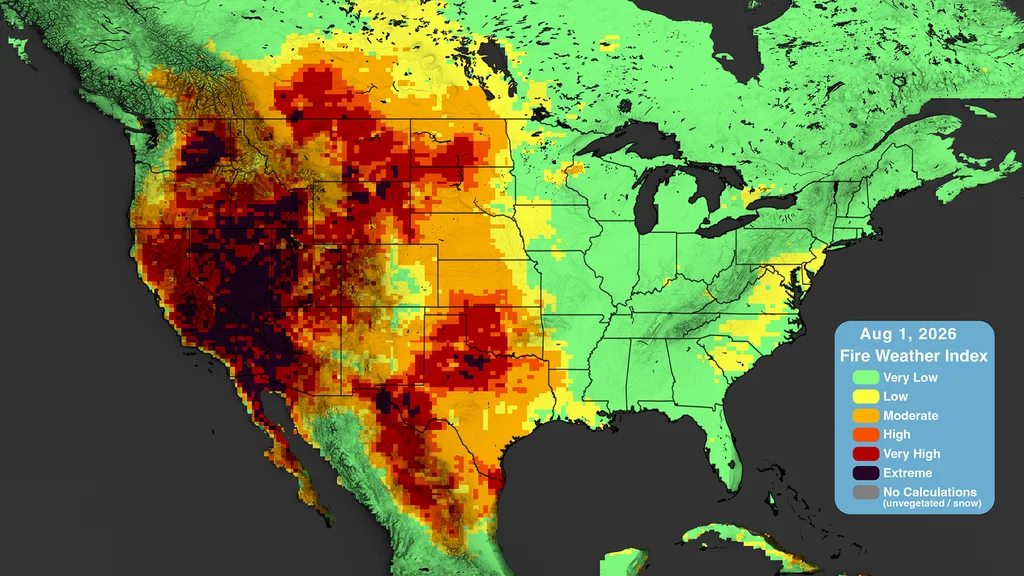
There is a clearer culprit: climate change. Hotter, drier weather is making it easier for fires to spread. A recent study estimates that climate change made this year’s fires in Canada twice as likely to occur. Another report from the Union of Concerned Scientists found that 37% of fires that burned in western North America over the past four decades can be linked to emissions from the world’s largest fossil fuel companies.
California and other state and local governments have already sued fossil fuel companies over climate damages, including wildfires. It’s not clear if they’ll succeed. In October, the Supreme Court will consider a case in which oil and gas companies argue that they shouldn’t be sued for climate pollution, and the court’s conservative majority could agree.