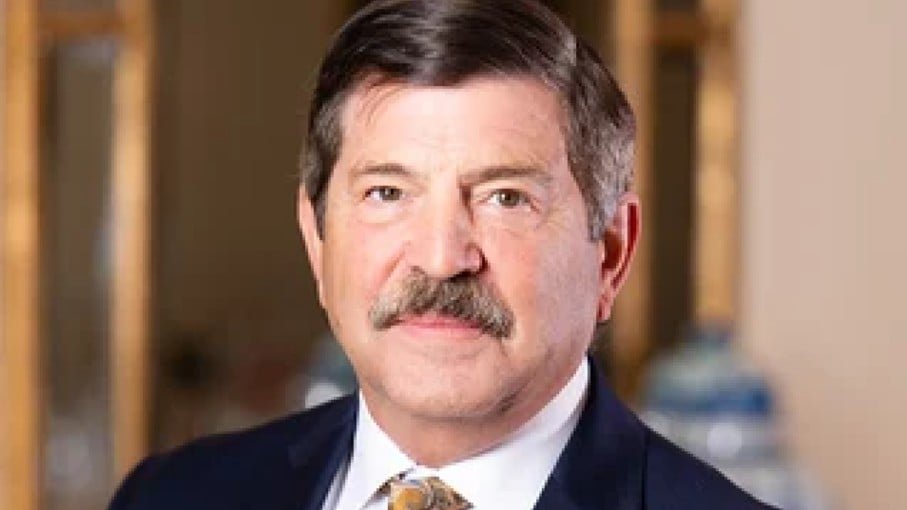
The in-person Connect Industrial West 2026 conference, scheduled for Thursday, August 20 at the Hyatt Regency in Irvine, will bring together industry experts to discuss the market’s future direction, new opportunities for West Coast ports and trends in lending. David Christensen, regional manager, West for Red Oak Capital Holdings, will be among the industry leaders taking the stage for “Shifting Capital Flows, Debt, and Valuation Trends in the West.” He provides a preview of the conversation here.
Q: From the standpoint of borrowers coming to Red Oak for solutions, has there been a change in the mix of industrial product types they’re focused on, compared to a year ago? Do you see more borrowers looking at outdoor storage sites, for example?
A: Not on industrial products; those have been consistent (single, multi-tenant, light manufacturing and flex). We have definitely seen a significant increase in the number of requests for outdoor storage and have so far been lukewarm to the asset class until we can develop a better understanding of the business and long-term viability. The re-use is easy, but that entails a significant decrease in the value that the deal was originally done at.
Q: The current administration in Washington has worked to encourage reshoring of manufacturing to the U.S. Has this led to an uptick of borrowers looking to acquire or develop manufacturing facilities?
A: Not that we have seen but logically, this has some merit. A lot of the reshoring involves the construction of new facilities, many times in conjunction with a foreign partner versus acquiring an existing property.
Q: We’ve seen some lending sources come off the sidelines for the right product type and sponsor. Are you seeing greater competition this year for lending on industrial?
A: There is definitely more capital in the market that in 2025, but I think there are other factors for that. Industrial generally continues to perform well and that has seen lenders shift allocation from multifamily to industrial in some markets
Q: Has Red Oak’s underwriting for industrial evolved over the past 12 to 18 months?
A: No, our underwriting criteria has generally been consistent, though we do adjust on a market-by-market basis given changing conditions (positive and negative).
Q: Is there a typical industrial borrower as far as Red Oak is concerned? If so, what are some of this borrower’s requirements?
A: A typical borrower would be one that is experienced in the asset class, the market where we are being asked to lend, has a solid business plan for the property and has the financial capacity to address issues that might come up during the term of the loan.
The post Red Oak’s David Christensen: Industrial Borrowing Remains Consistent appeared first on Connect CRE.