A Door Handle Shouldn’t Be a Puzzle
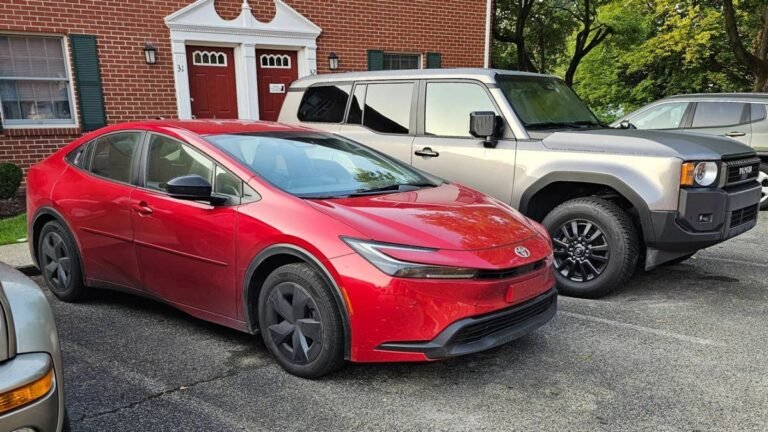
After reviewing several new cars with unique door handles, it can be fun to challenge passengers to see who can locate them first. But gimmicky designs are apparently no fun at all. Such handles have been implicated in fatal crashes in which occupants or rescuers were reportedly unable to open the doors. These incidents prompted China to impose stricter regulations, including a ban on fully concealed door handles and requirements for clearly identifiable mechanical releases.
Automakers are now responding to the increased scrutiny with what is considered the largest recall campaign in China’s automotive history. Nikkei Asia reported that the safety campaign covers around 4.3 million vehicles from more than 10 automakers, including Tesla and Geely, and is intended to prevent further door-handle-related problems.
Tesla
Making the Emergency Exit Obvious
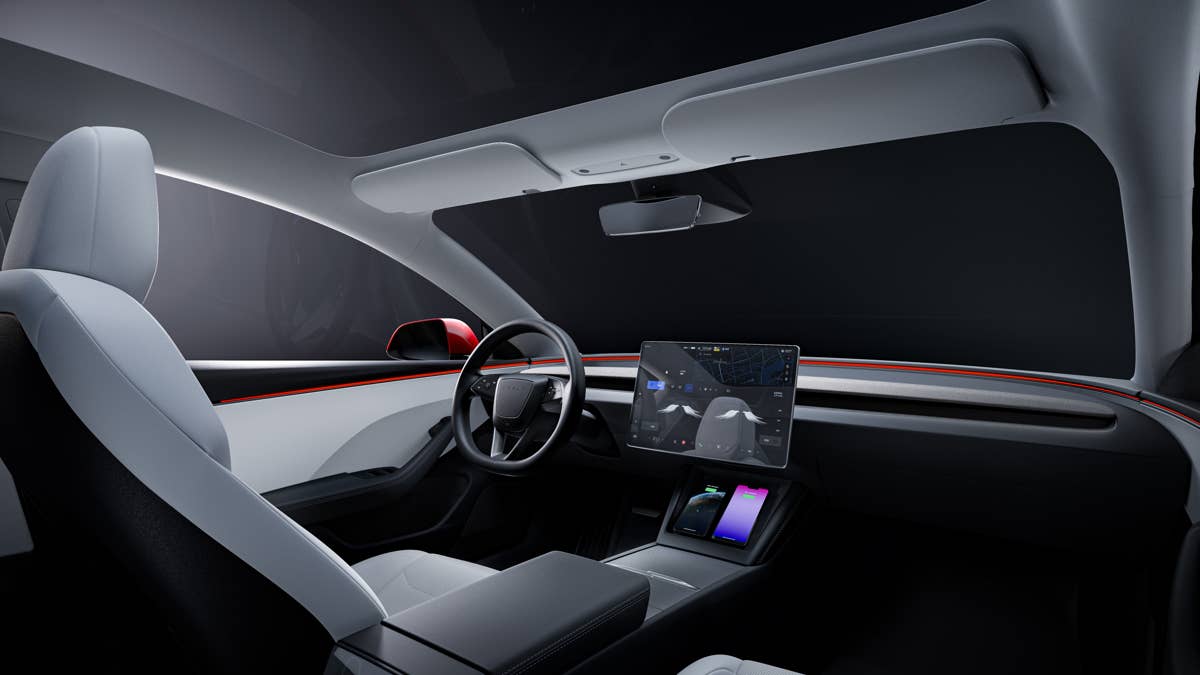
One remedy involves installing warning labels to help passengers locate emergency mechanical door releases. During a crash, a failure of the low-voltage electrical system can disable the electronic releases. The additional markings should help address this issue without forcing automakers to redesign millions of existing vehicles, which could be costly.
Another remedy is a special over-the-air (OTA) update designed to lower the windows automatically after a collision. This could provide another escape route for occupants of, say, a burning vehicle or improve access for emergency responders.
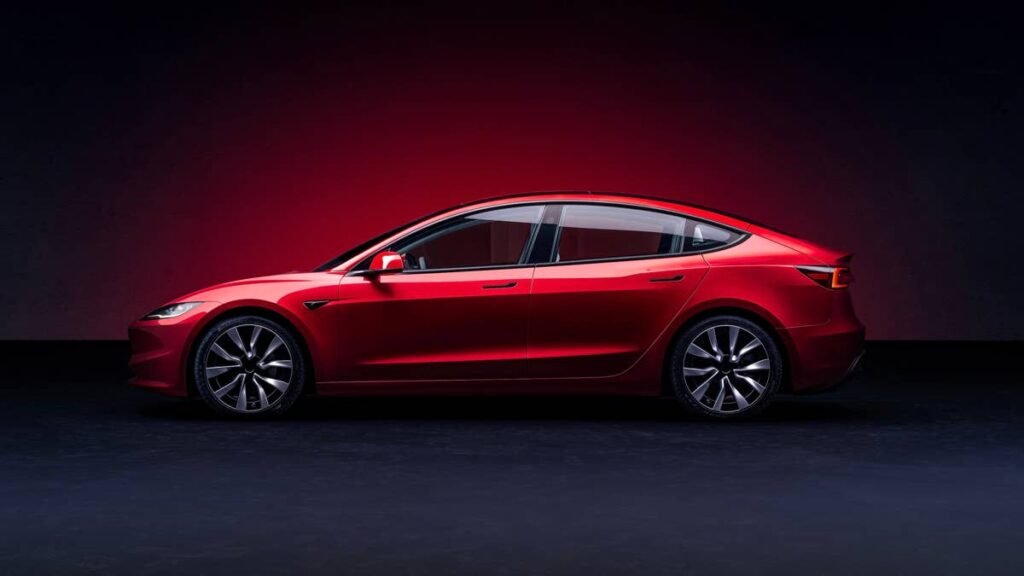
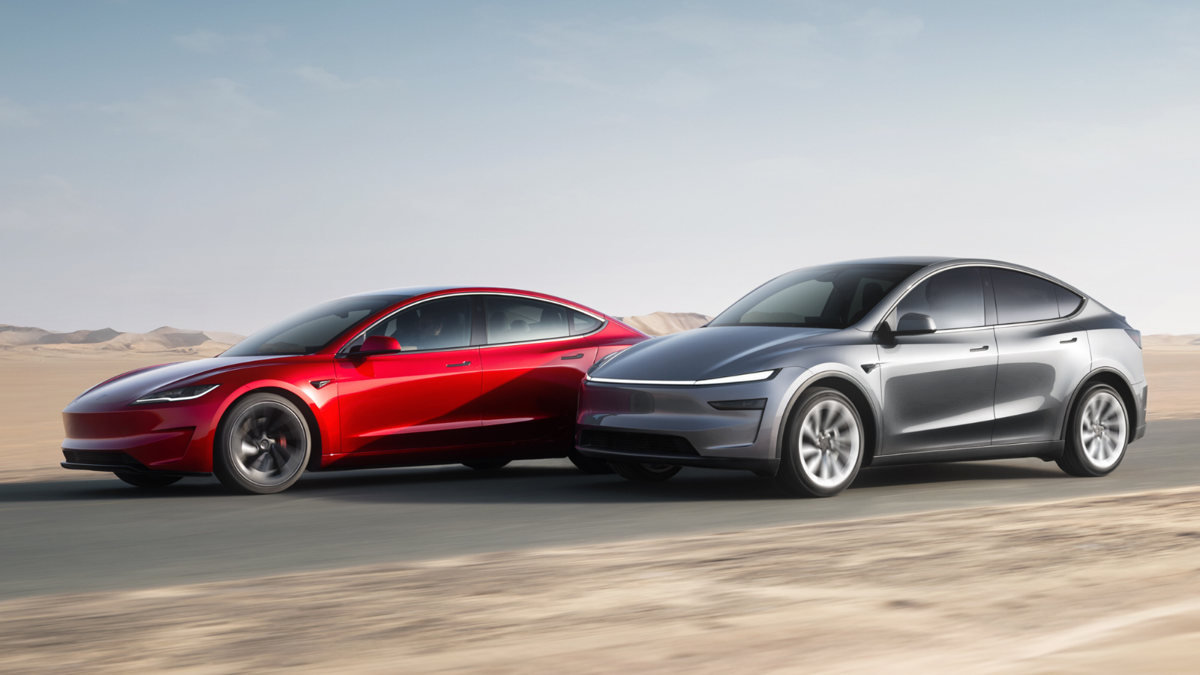
Tesla reportedly has the largest recall population, covering nearly 3 million imported and China-built Model 3, Model Y, Model S, and Model X vehicles. Other automakers involved include BAIC, Chery, Dongfeng, FAW, Leapmotor, Xiaomi, Xpeng, and Zeekr.
A Local Recall With a Global Message
China’s stricter rules will take effect for newly approved models on January 1, 2027, while existing models have until 2029 to comply. Given that China is the world’s largest car market, the regulations could influence vehicles sold elsewhere. Automakers may be reluctant to develop one door-handle system for China and another for other markets because doing so would increase costs and supply-chain complexity.
In the U.S., the National Highway Traffic Safety Administration recently said that automakers have not notified the agency of plans to issue a similar recall stateside, according to Reuters. Still, the safety benefits of China’s changes could offer lessons for other countries seeking to prevent deaths associated with difficult-to-operate door handles.

Xiaomi