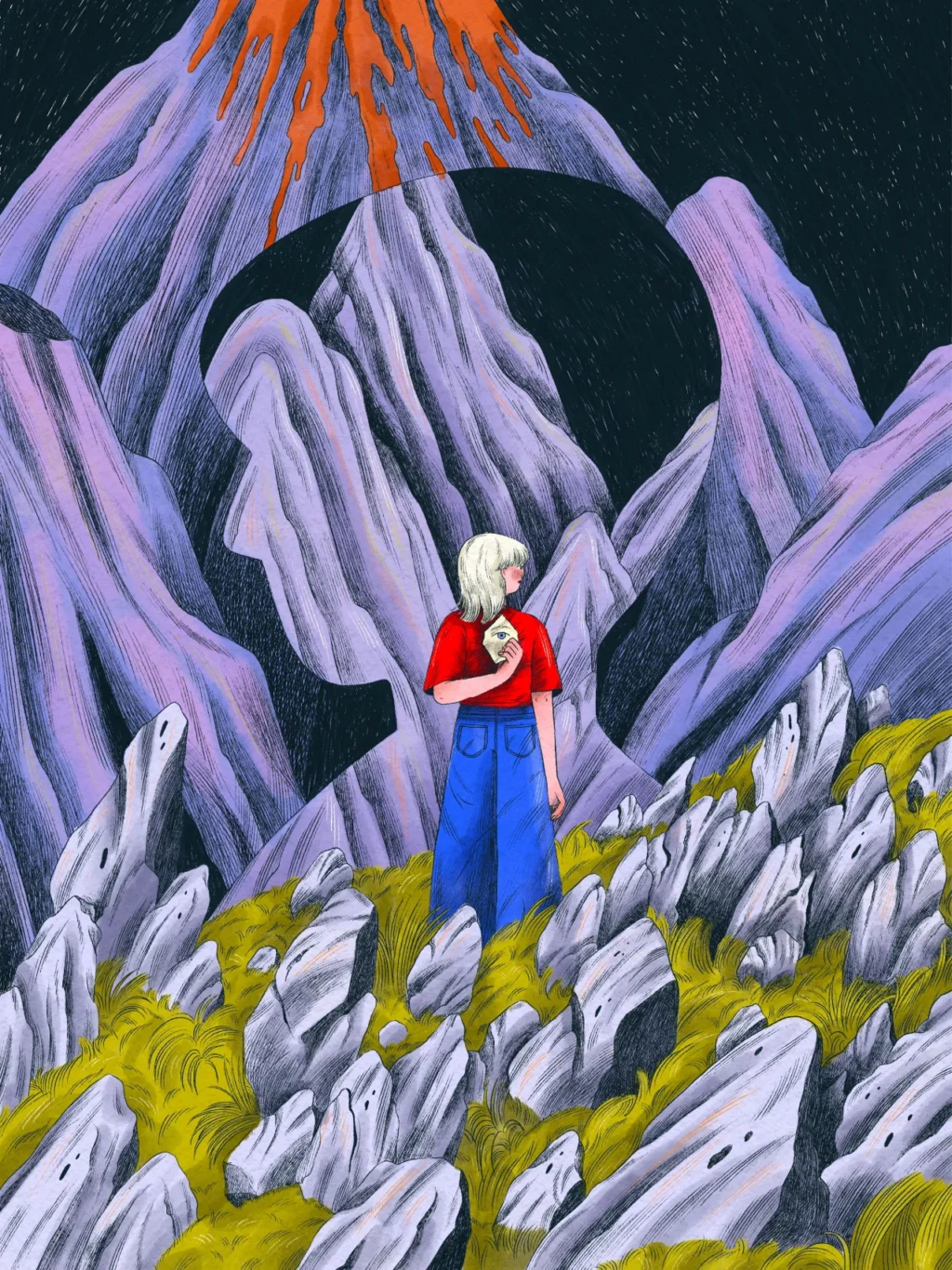
The Bangkok-based illustrator makes what she calls “visual diaries”, recording her thoughts and feelings on paper and screen to try to make sense of them. Her latest work is about letting go.
We all hold on to emotional baggage longer than we need to – anger, frustration and self-loathing for things we did decades ago are sadly part of the human condition. That’s why meditation exists. We know we have to give ourselves and others a break, so it’s frustrating that the very art of letting go feels so challenging.
Artist Chanida Areewatanasombat – also known as Chubbynida, the “professional overthinker” – seems to have found a solution. The Bangkok-based illustrator and animator uses her craft to release the thoughts and feelings she’s carried for too long. Not that she can put a finger on what she’s actually processing.
A lot of it is subconscious and based on a hunch. “Maybe letting go itself is not the feeling; it’s all the emotions within that process that I’m most stuck on – fear, misery, sadness, but also the understanding that sometimes we need to let go of something we’ve held on to with hope for a really long time,” Chanida tells Creative Boom. “It’s one of the most difficult things to do, but it needs to be done. It’s part of growing,” she says.
She’s not got it all figured out, she admits, and still doesn’t quite know how to express her feelings out loud. But that makes for interesting art because where most of us might phone a friend and talk through our problems, Chanida reaches for her tools. “When I create something, like a drawing, illustration or animation, I feel a bit relieved,” she explains. “These feelings don’t go away after one piece of work, but I feel lighter each time I create something.”
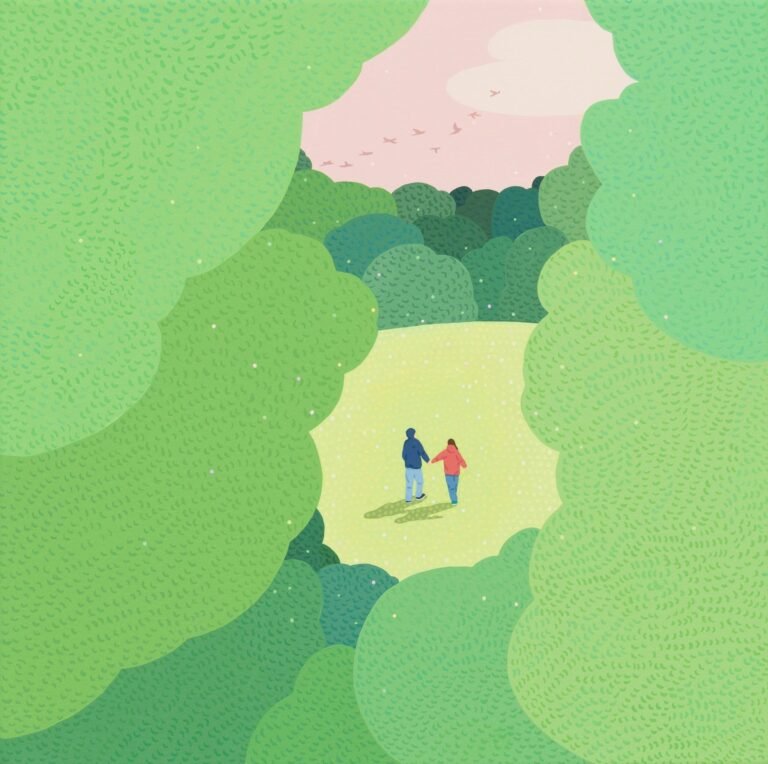
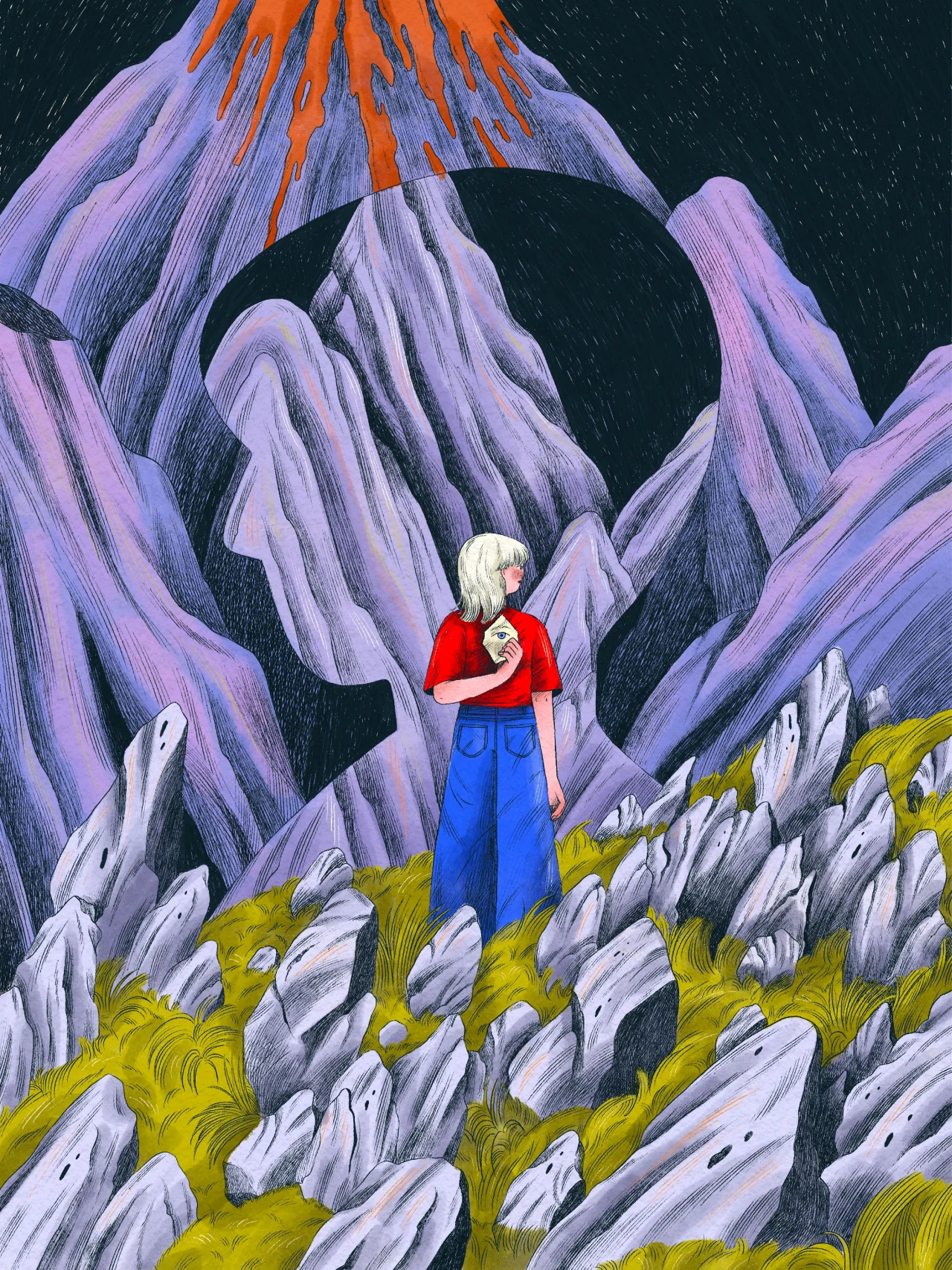
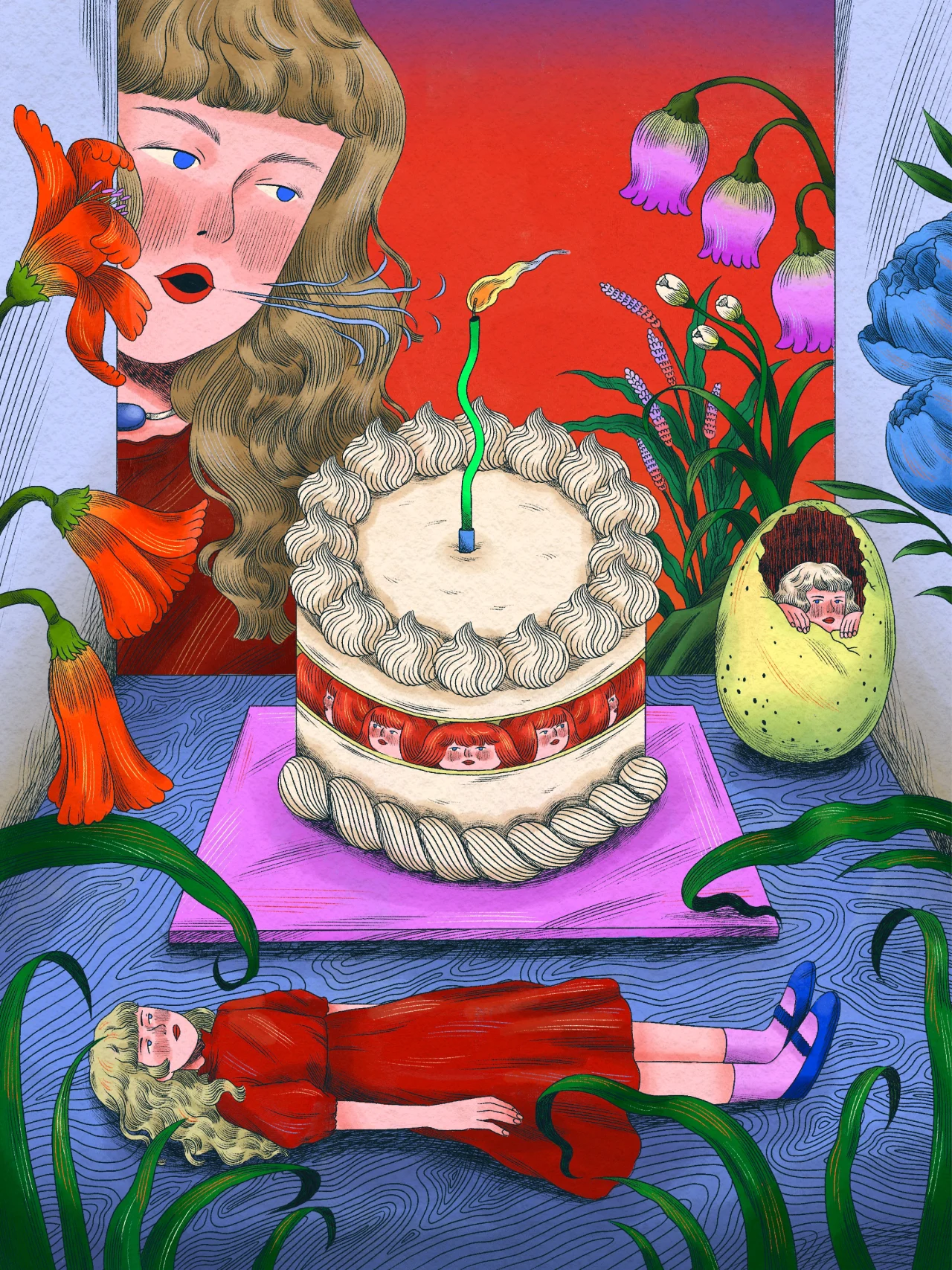
Looking at her work, it’s surreal, often amusing and full of hidden meaning. The delicate black lines add texture and a sense of human craft. Nature finds its way into everything. And the colour palette itself is worth a hero mention. Her looping animations add an extra layer of emotion. Delicate movement only emphasises her feelings. “I often see things as ironic, and I enjoy the whimsy within each situation. To me, everything has a delicate and sensitive side, but also a funny side.”
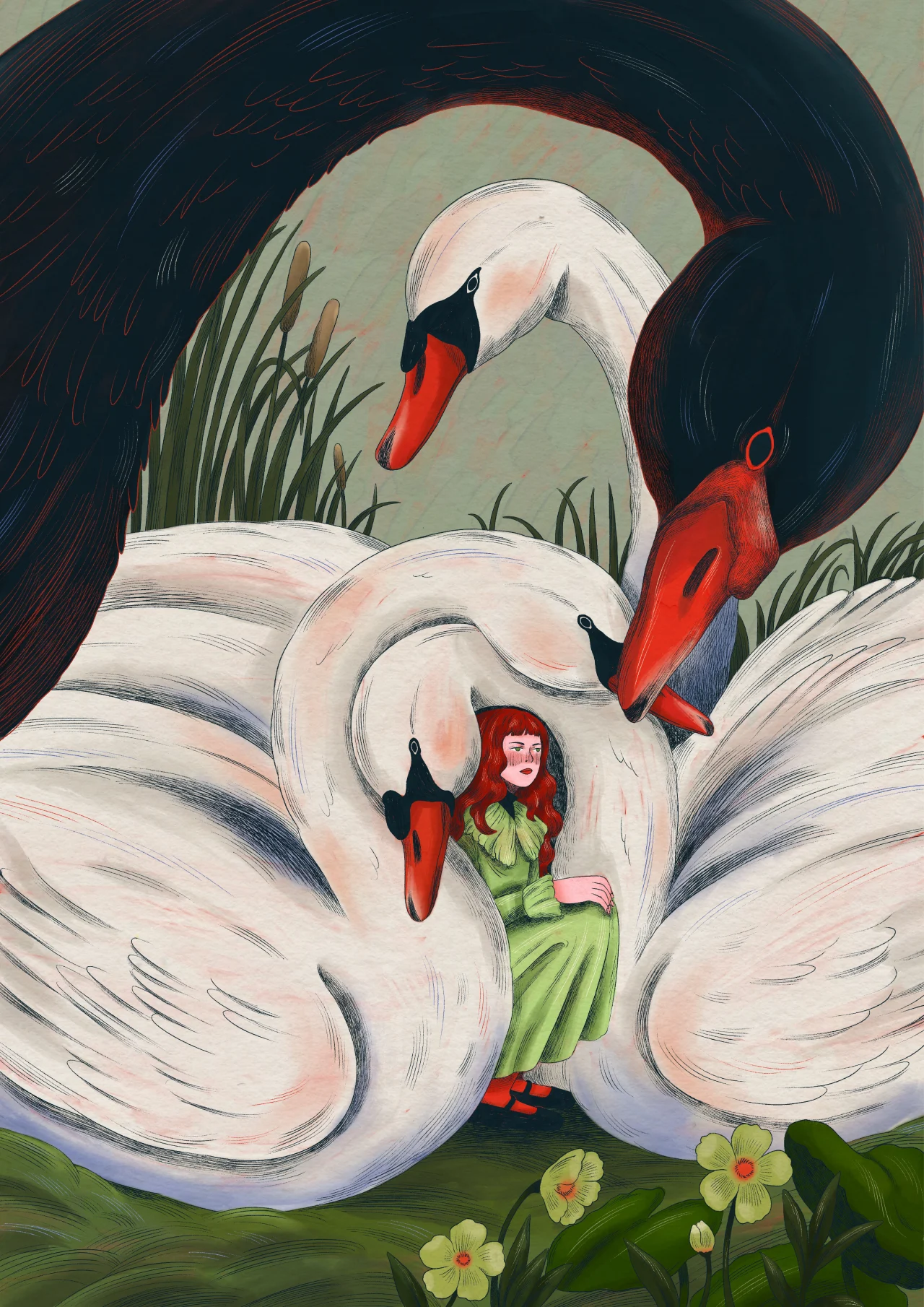
It wasn’t until her second year at university that illustration properly clicked for her. But after finishing her degree, something shifted. “To be honest, I felt very lost,” she says. “I had already been working in the field, but I felt that I wanted to be more than I was; I just didn’t know how.” It meant she stopped posting her work entirely for years. “I had no idea what I was doing. I only knew that the work didn’t feel like me anymore.”
Then came a move across the world for a master’s at Kingston University in London, which unexpectedly kickstarted a brand new chapter. “I simply went there with an open mind,” she says. “That experience changed my whole life. It changed the way I saw my work and my creative process, and, surprisingly, it also changed the way I saw myself.”
She credits the kind professors at Kingston for helping her get there. But mostly, living alone in a new country taught her to become self-reliant. “It brought me back to myself,” she adds. “If I hadn’t gone there, I might not still be working in illustration and doing other things I love today.”
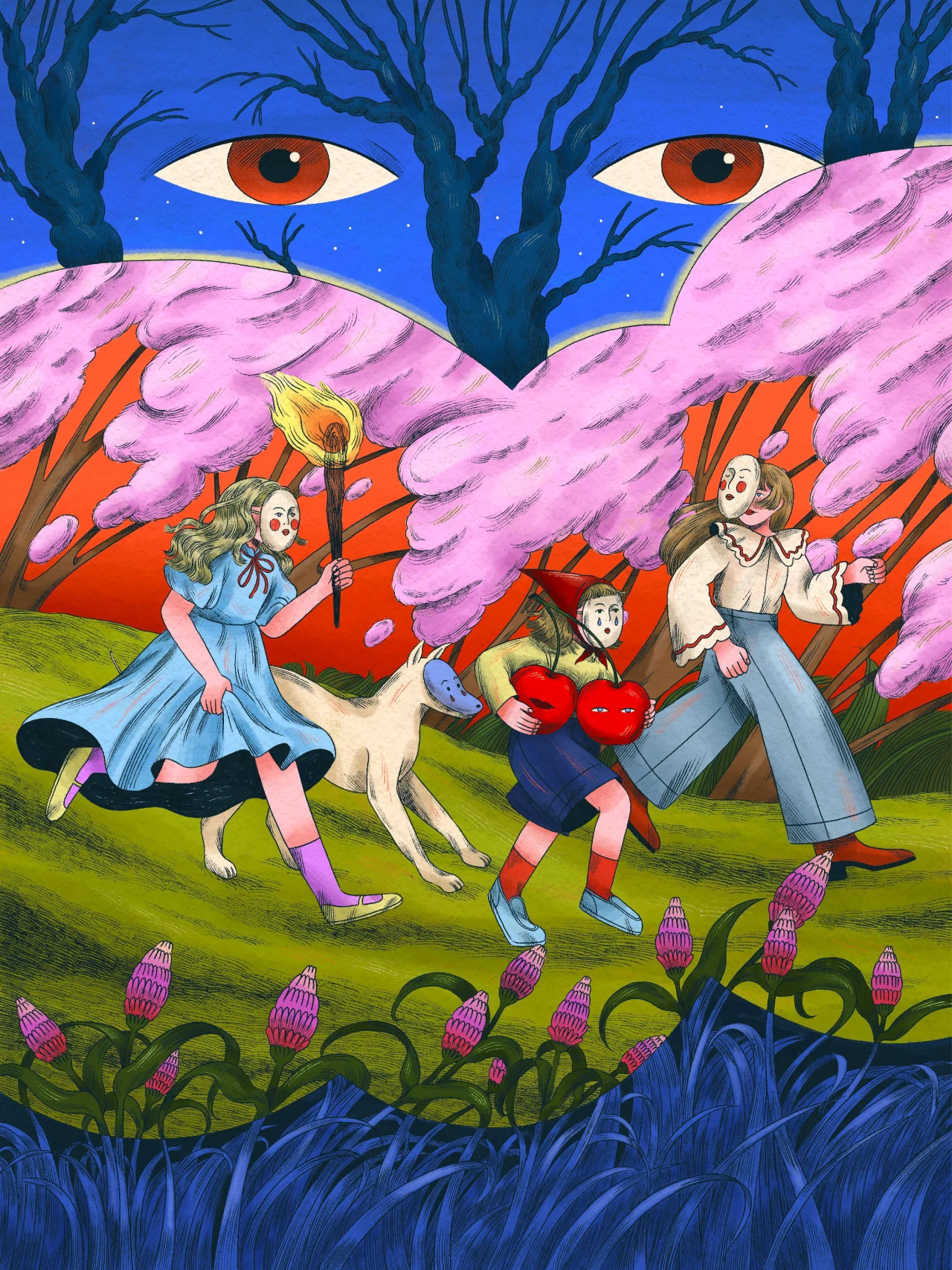
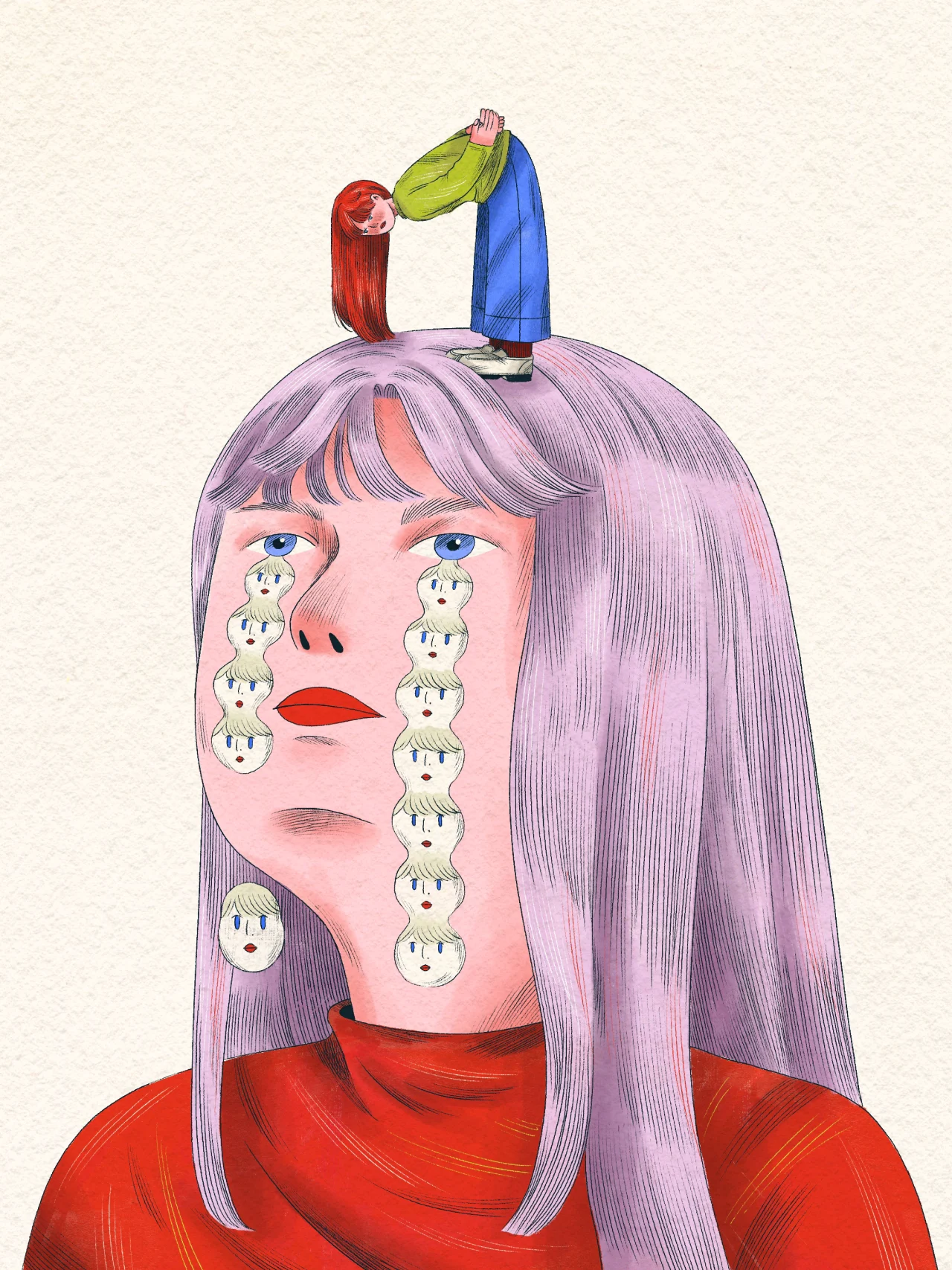
Today, Chanida moves between gouache, oil pastels, collage, digital work and animation. It doesn’t matter what medium she uses – it just has to match the message. A single image is often enough. But if she feels there’s a bigger story to tell, she’ll make her art move.
You can also spot her sense of humour in her work, with titles like Fishy and Spicy or Head Heist. But these names come from a habit of distilling big, shapeless feelings into single keywords. A process that inspires what she draws. “When I’m interested in or thinking about something, it first exists as a kind of mass in my mind, and I try to find the keyword that communicates the feeling most accurately,” she says.
Which brings us to the “visual diaries” she loves to make. It’s a more personal part of her practice that has made its way into exhibitions in Thailand – something she says makes her feel quite vulnerable. “I never know how people will respond or what they’ll think,” she admits. “But for me, exhibitions are a way of sharing something with others. I feel that if I’m not deeply connected to what I want to tell, the feeling behind it won’t come through.”
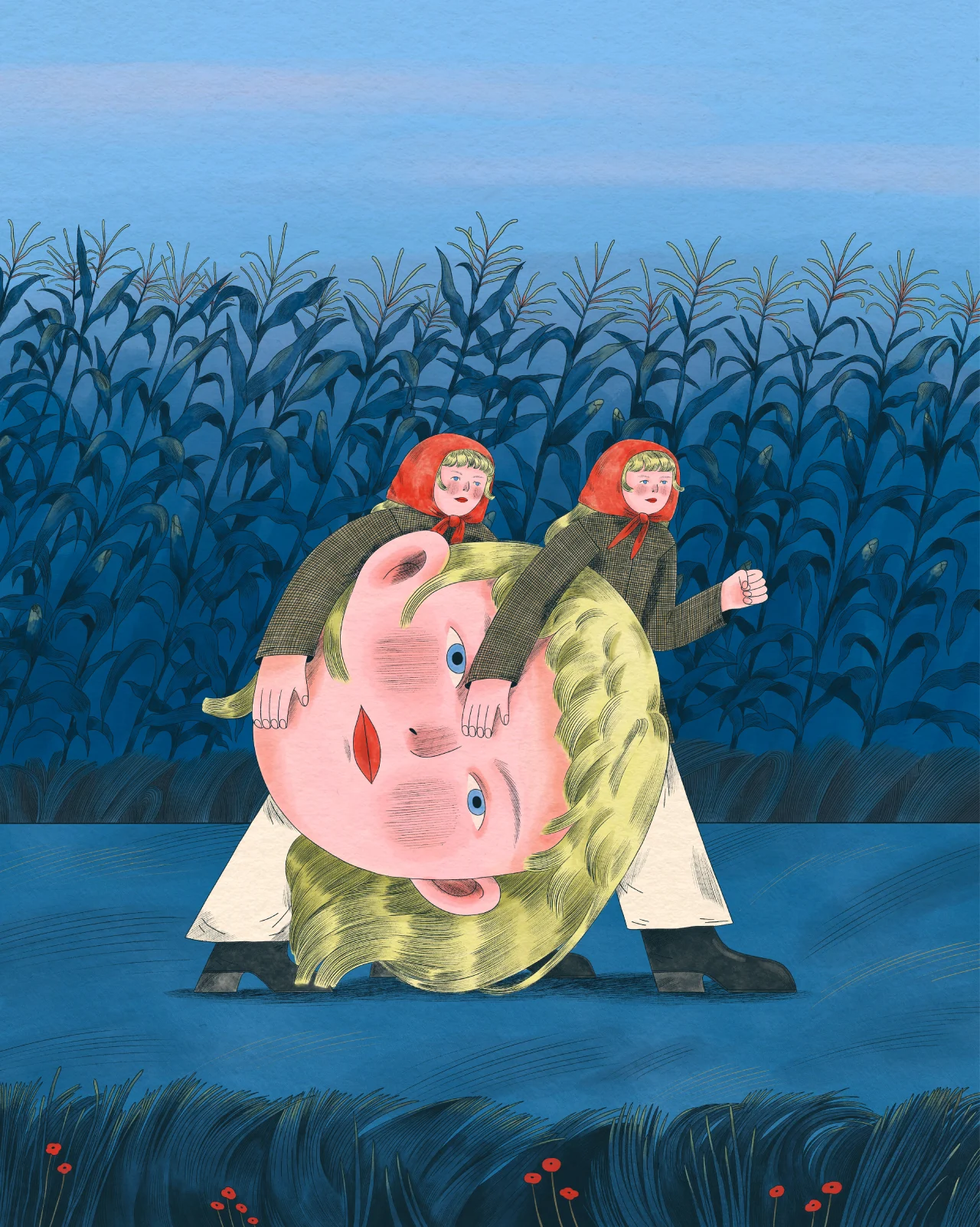
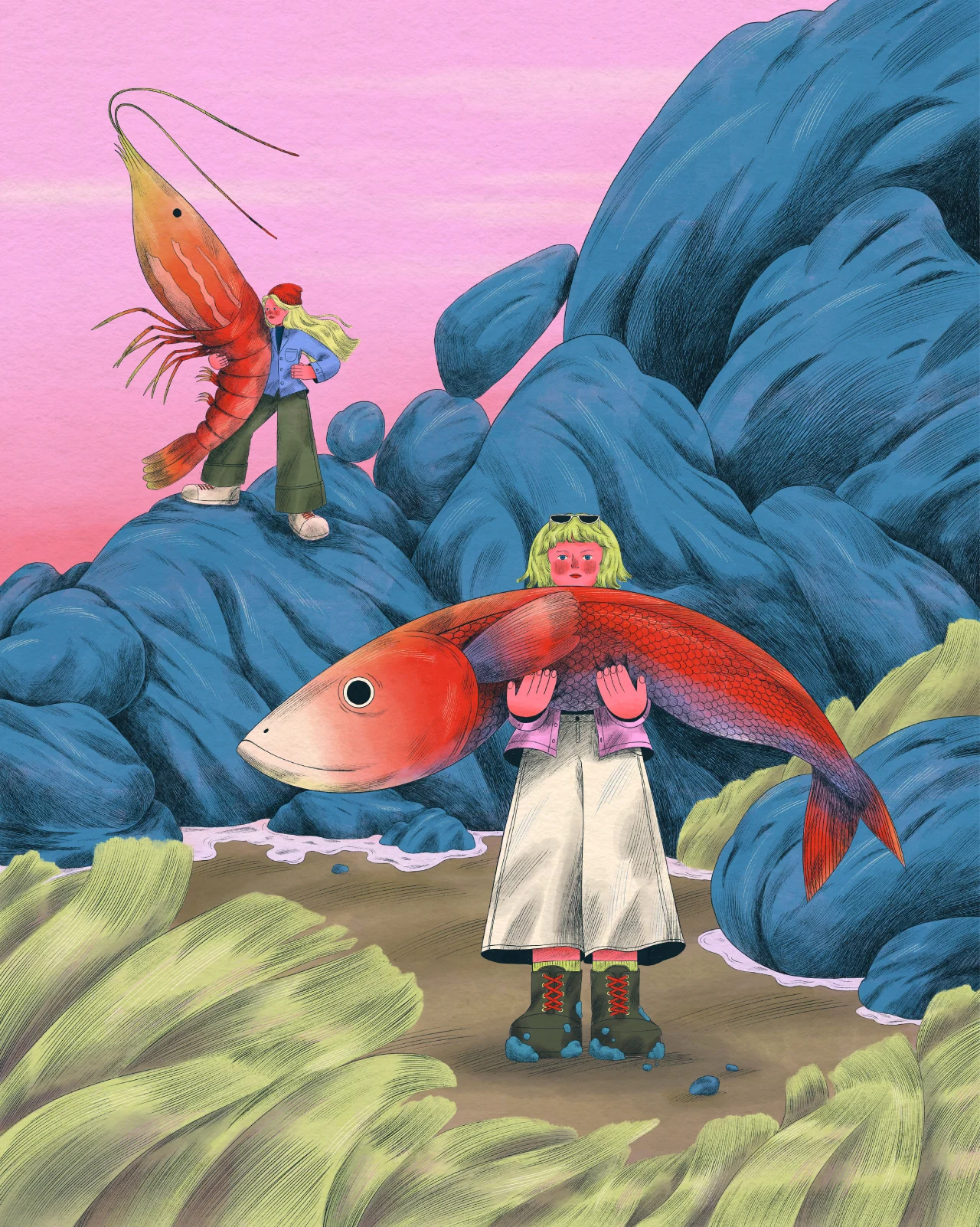
There is such a thing as being too honest and exposing, so Chanida builds some protection into her work. “I never try to make my work directly readable. I often use symbols and surreal imagery, allowing the work to communicate through a feeling or atmosphere rather than clearly revealing what everything means or who it’s about. This allows me to feel comfortable sharing something personal while still leaving space for people to interpret the work in their own way.”
These days, Chanida’s work travels far beyond Thailand, as she’s now represented by London agency POCKO, but she’s also seeing more opportunities for other local creatives in Bangkok.
“Recently, I’ve seen such a wide range of work from younger artists. They are exploring interesting ways of storytelling, experimenting with different mediums and becoming more confident in expressing things in their own ways. Compared with when I was younger, there are also many more possibilities for applying art across different areas of design in Thailand.”
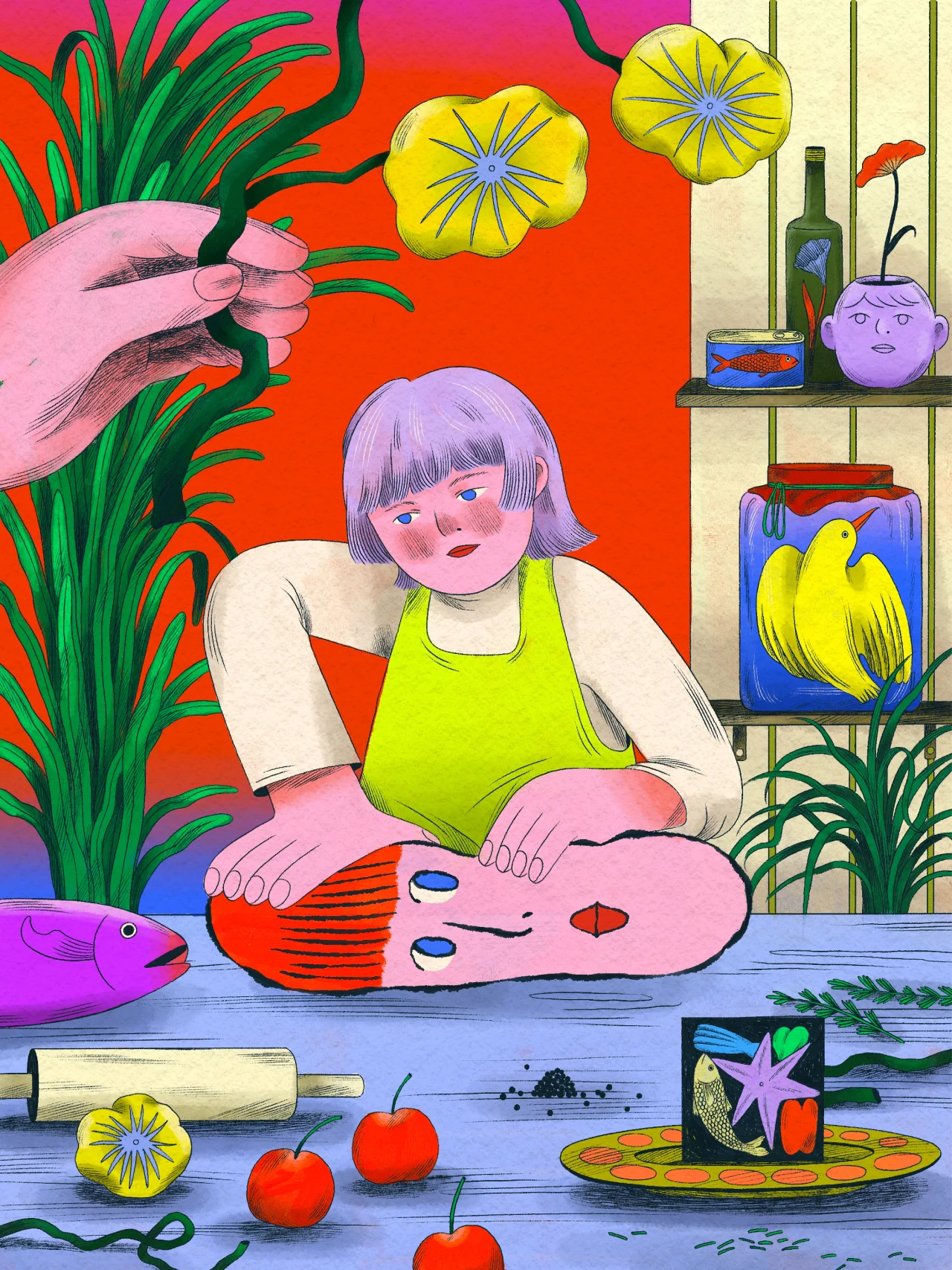
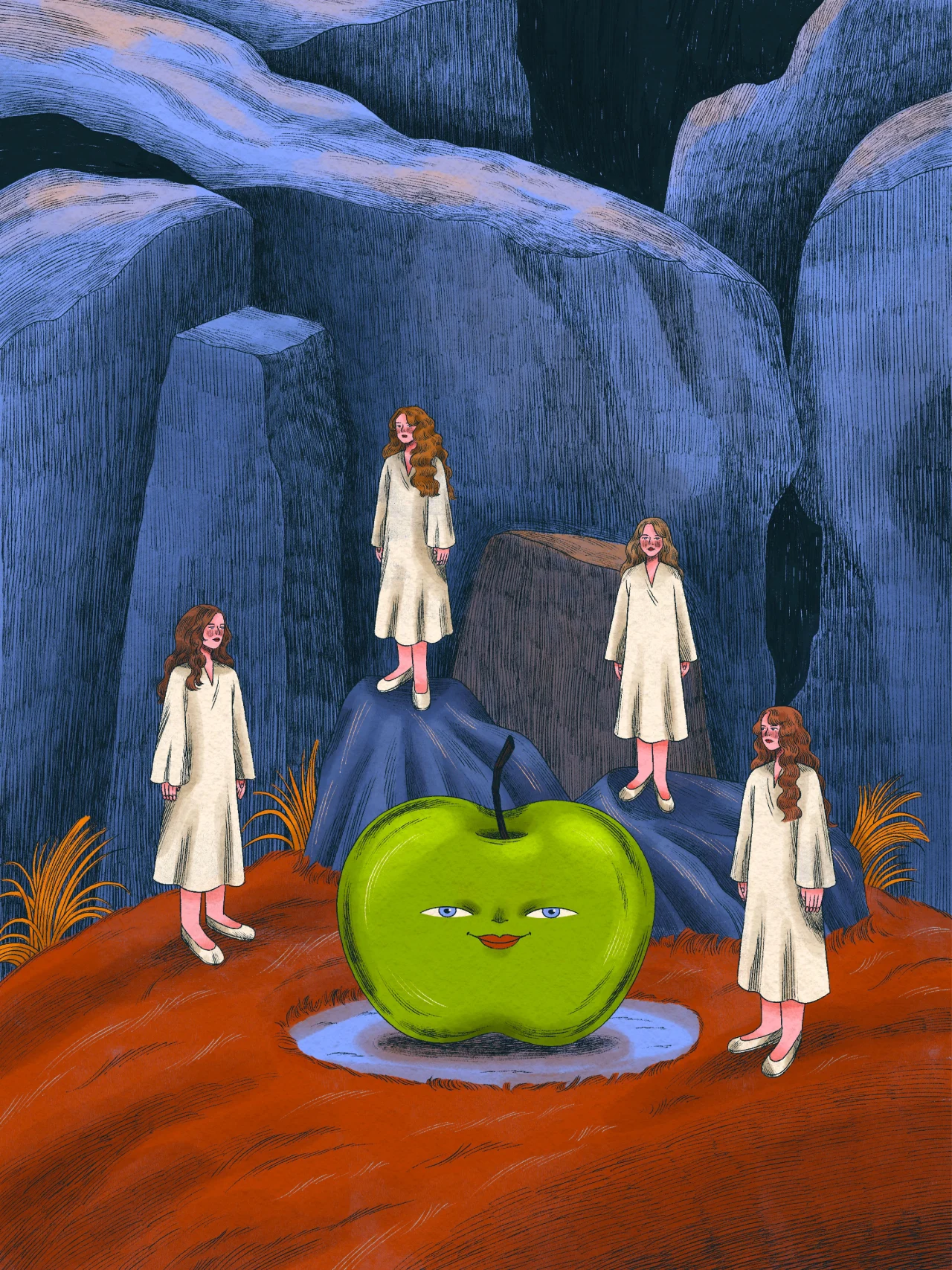
Chanida is currently preparing for a new exhibition at Ó! Galeria, an illustration gallery in Porto, opening in January. And she’s continuing her long-term character design project Chu-Billiken – a character from Osaka created for Japanese firm Tamurakoma, launched earlier in 2026 and now being rolled out worldwide.
There are secret projects, too, due to be revealed in 2027. “So, wish me luck!” she says. We’ll definitely be rooting for her—all the feels.