Trade Agreements
The automotive industry is a highly complex one; just like any industry that deals in development, production, and sales, there are a ton of factors that go into making the business run properly. One key aspect is that the globalization of the world’s economy and industries has forced nations to create trade agreements that benefit not just the nations but also the companies that do business there.
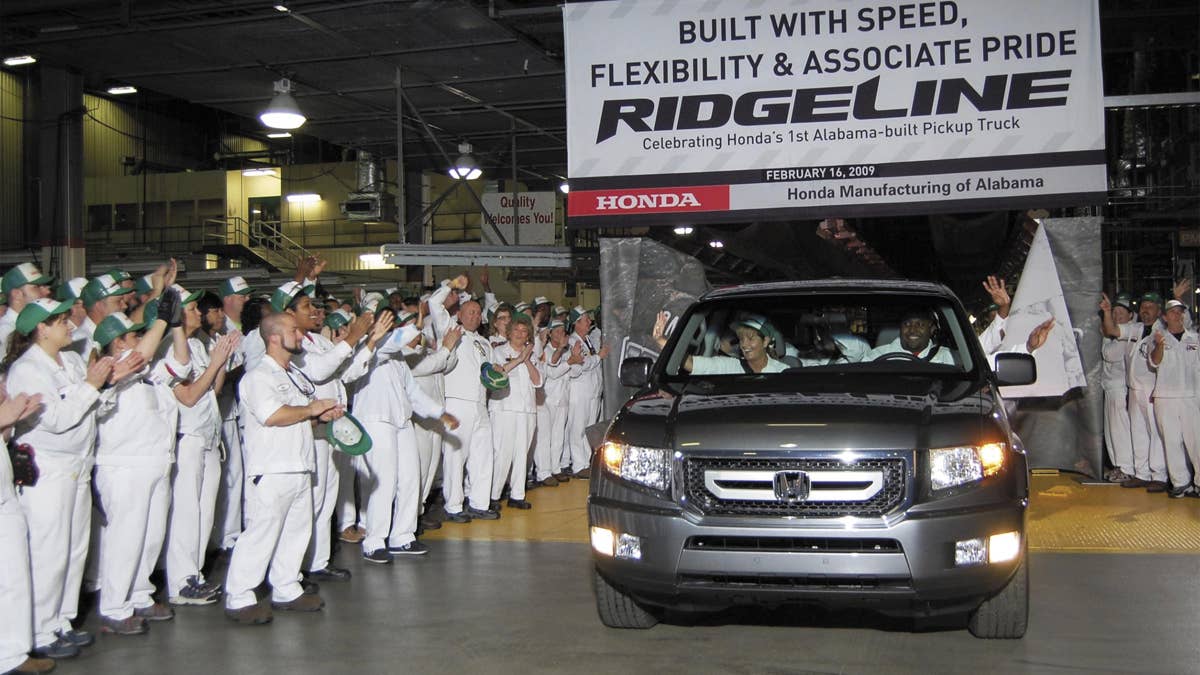
In the recent past, the automotive industry in the U.S. has been shaken up by the Administration’s trade policy. Trade agreements between the U.S. and some key countries have directly affected local and potentially global industries. Honda is one of the first and longest foreign car producers in North America, but recent developments reveal that the brand isn’t so keen on expanding its production footprint in the U.S.
Honda
No USMCA, No New Honda Plant
Automotive News just reported that Honda has gone on the record to say that it might not build its new production plant in North America unless a major trade deal is extended. The trade deal in question is the United States-Mexico-Canada Agreement (USMCA), which is currently being renegotiated between Washington, Canada, and Mexico.
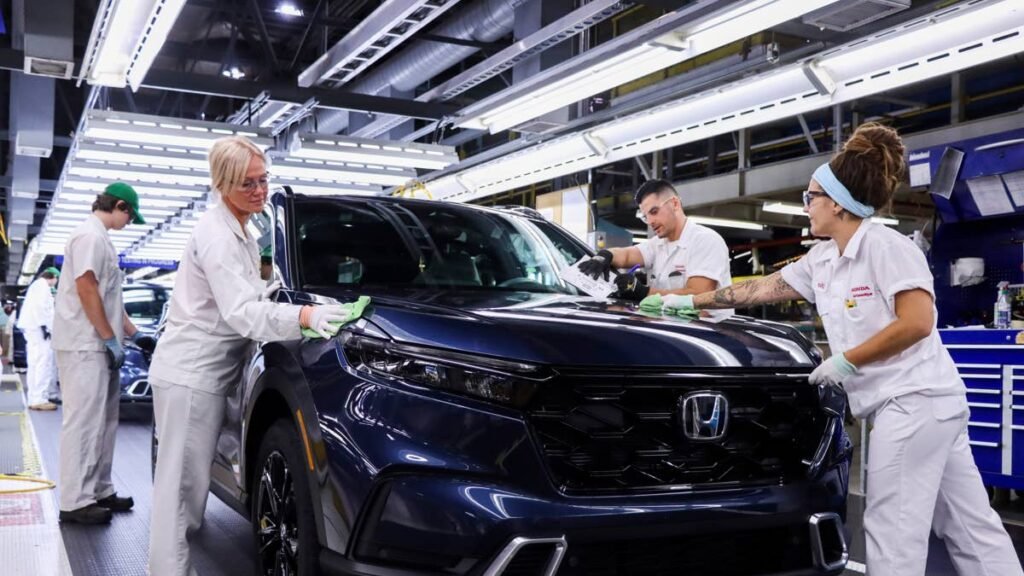
Honda’s Executive Vice President Noriya Kaihara was quoted during a roundtable with the media as saying that the automaker is very close to being at full production capacity in North America. This means that Honda needs a new production facility in the region to meet the production demand. The problem is, according to Kaihara, “if there is no USMCA agreement in the future, we may have to change our direction.” Ideally, Honda needs to make a decision on where the plant will be built by next year at the very least, since the target to have it fully operational is by 2030.
Demand Rise
Hyundai is another brand that has also experienced a sales rush due to the high fuel costs, but has also been honest about its reluctance to invest more in the U.S. if the USMCA doesn’t continue. Hyundai said last November that an early confirmation of the USMCA extension would unlock over $20 billion in new investments that would also create more jobs.
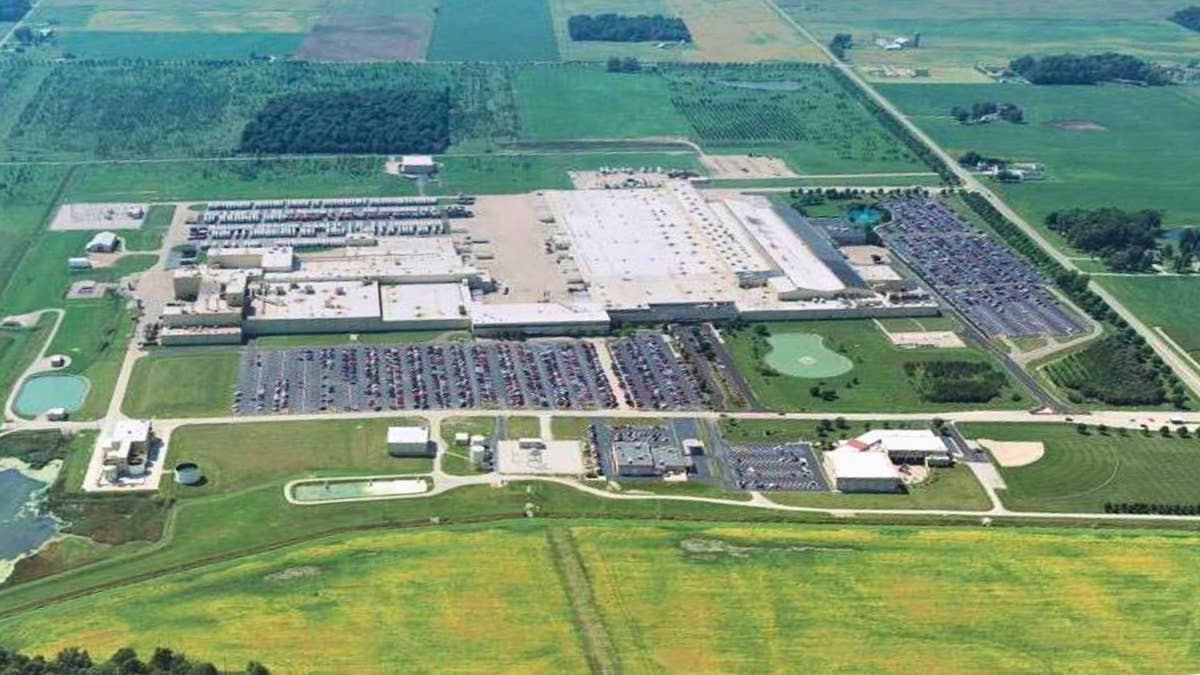
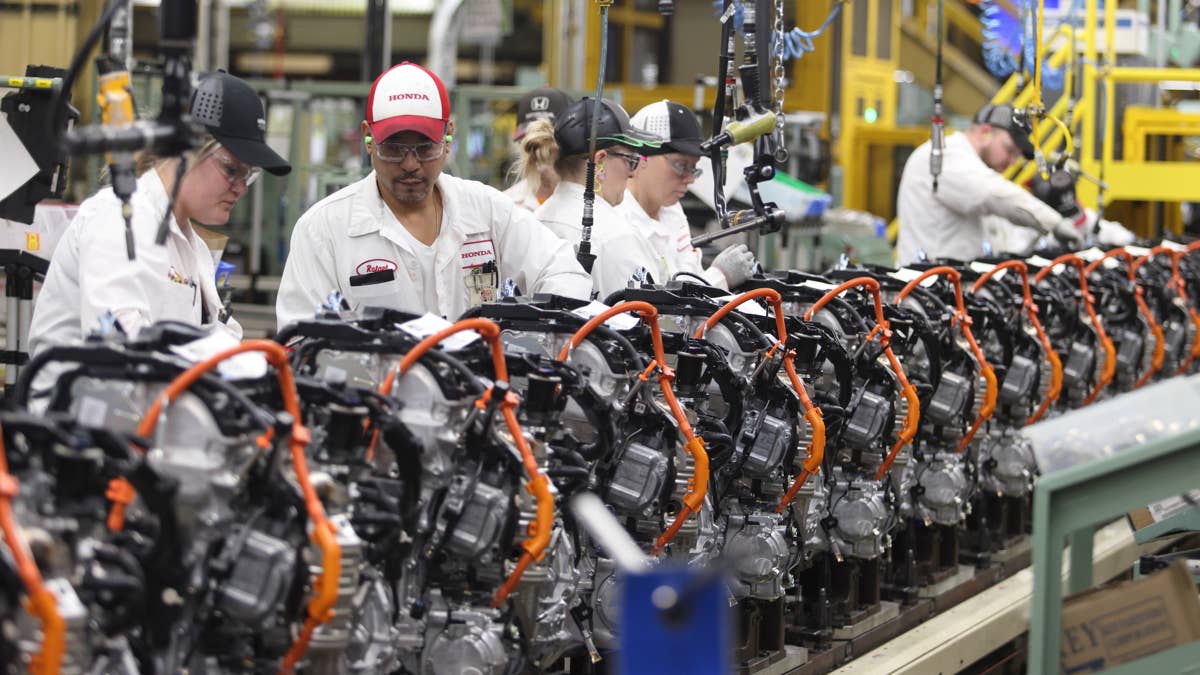
Honda’s eagerness to boost production comes as the brand is experiencing sales highs due to the rise in fuel costs. Newfound interest in Hybrids has pushed more sales towards the brand, which experienced its highest July sales in seven years. Currently, Honda has 7 major manufacturing sites in North America, located in Ohio, Indiana, Alabama, and Georgia.