- The owner of a Honda Clarity says she paid $3,000 for camera-related repairs.
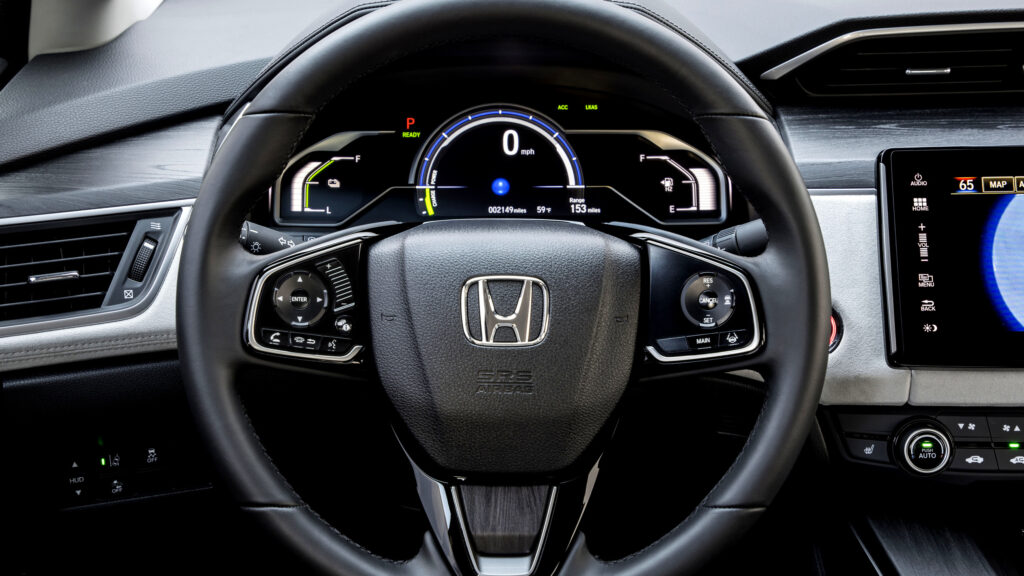
- Malfunctioning systems can trigger warning systems or fail completely.
- Two class actions have been filed in California over recent months.
Several Honda models have been named in a class action lawsuit in the US alleging issues with their front-camera sensors, which operate as part of the Honda Sensing safety system. It’s claimed that the automaker has known about the issues but hasn’t fixed them.
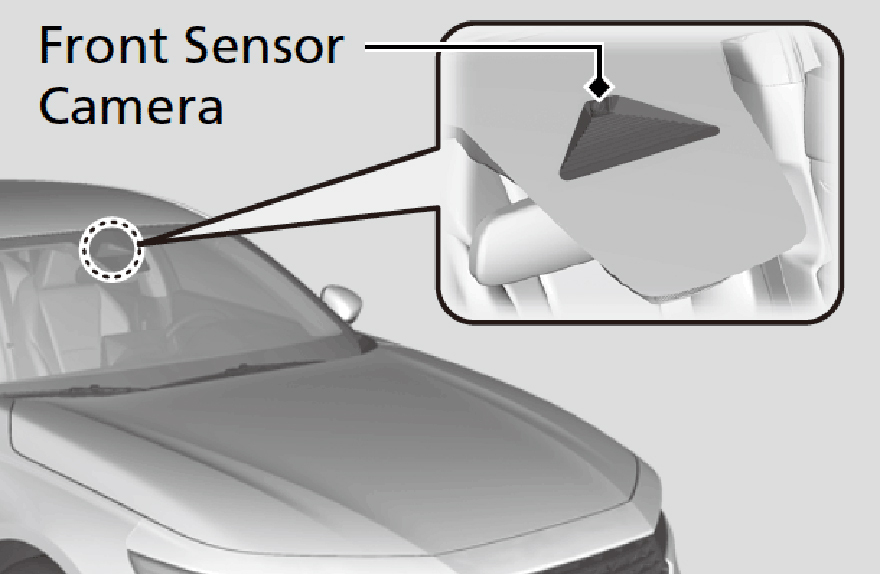
The lawsuit, filed by Virginia resident Beverly Mason, notes that the Honda Sensing system relies on a front camera mounted inside the windshield to detect road hazards, maintain lane position, and reduce the risk of collisions. It’s alleged that the system can malfunction, triggering various warning messages. It can also completely fail, the lawsuit states.
Read: CR-V And Accord Owners Lose Eight-Year Phantom Braking Case Against Honda

Mason says she purchased a 2018 Honda Clarity in 2019 and last December started receiving multiple warning messages about Honda Sensing functions. She says it cost almost $3,000 to have the camera and safety systems repaired and that, even after the fix, there’s no guarantee the problems won’t recur.
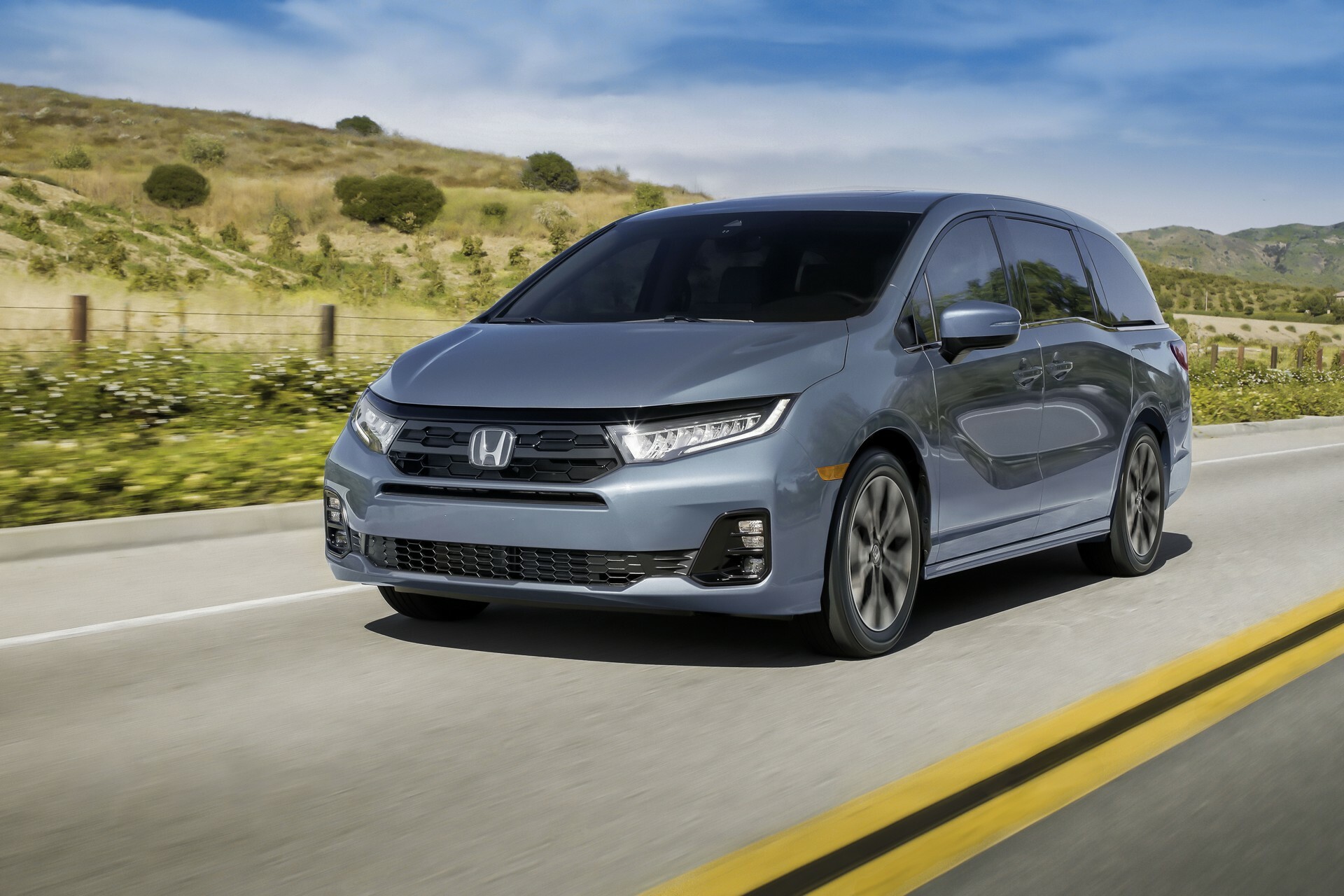
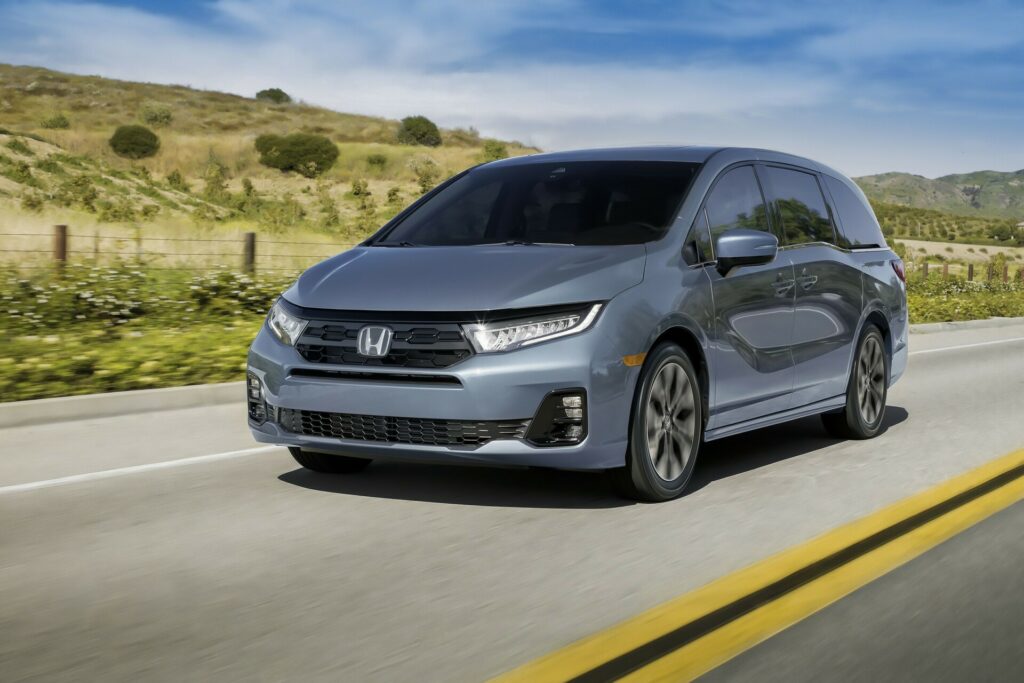
Impacted models named in the class action include the 2018-2025 Honda Odyssey, 2018-2025 Honda Pilot, 2022-2025 Honda Civic, 2023-2025 Honda HR-V, and 2018-2021 Honda Clarity.
Another Lawsuit, Same Issue
This lawsuit was filed in the US District Court for the Central District of California and comes less than two months after a separate class action was filed against Honda, also in California, alleging the same issues with the front cameras. That class action names five plaintiffs who claim to have experienced issues and received warning messages including “brake hold system problem,” “adaptive cruise control problem,” and “road departure mitigation system problem.”
As reported by CarComplaints, the newer filing takes the argument a step further, claiming Honda knew or should have known the cameras were defective, kept the affected models on dealer lots regardless, and left buyers to find out on their own.
Sources: CarComplaints