Tesla’s 2026 Summer Update fundamentally shifts the role of its xAI-powered assistant, transforming Grok from a basic talking companion into a fully integrated vehicle controller. While the assistant previously served primarily to answer questions and plot navigation routes, the new software iteration grants it direct access to both vehicle hardware and digital systems. Drivers can now operate various cabin elements through ordinary conversational speech.
This development highlights how robust the system has become over the past few quarters. While consumer surveys often indicate that AI ranks lower than standard hardware requirements for most buyers, this update clearly demonstrates the practical utility of a highly capable voice system. Tesla has built an interface capable of processing and executing several distinct requests simultaneously, streamlining the modern driving experience.
This is cool, you can now give Grok a ton of commands at once in your Tesla and it’ll do them all together.
The commands I gave:
• Fold mirrors
• Turn on wipers to fastest setting
• Change temp to 65°
• Open self-driving app
• Open gloveboxComes with Tesla’s 2026 Summer… pic.twitter.com/drZxoHrknv
— Sawyer Merritt (@SawyerMerritt) August 26, 2026
Unpacking the New Core Capabilities
According to a report from Teslarati, the standout feature of this software drop is Grok’s ability to handle stacked commands. Drivers can issue multiple directives in a single sentence, and the system executes them all without requiring separate prompts. For example, a driver can simultaneously instruct the car to fold the side mirrors, set the climate control to a specific temperature, and adjust the headlights.
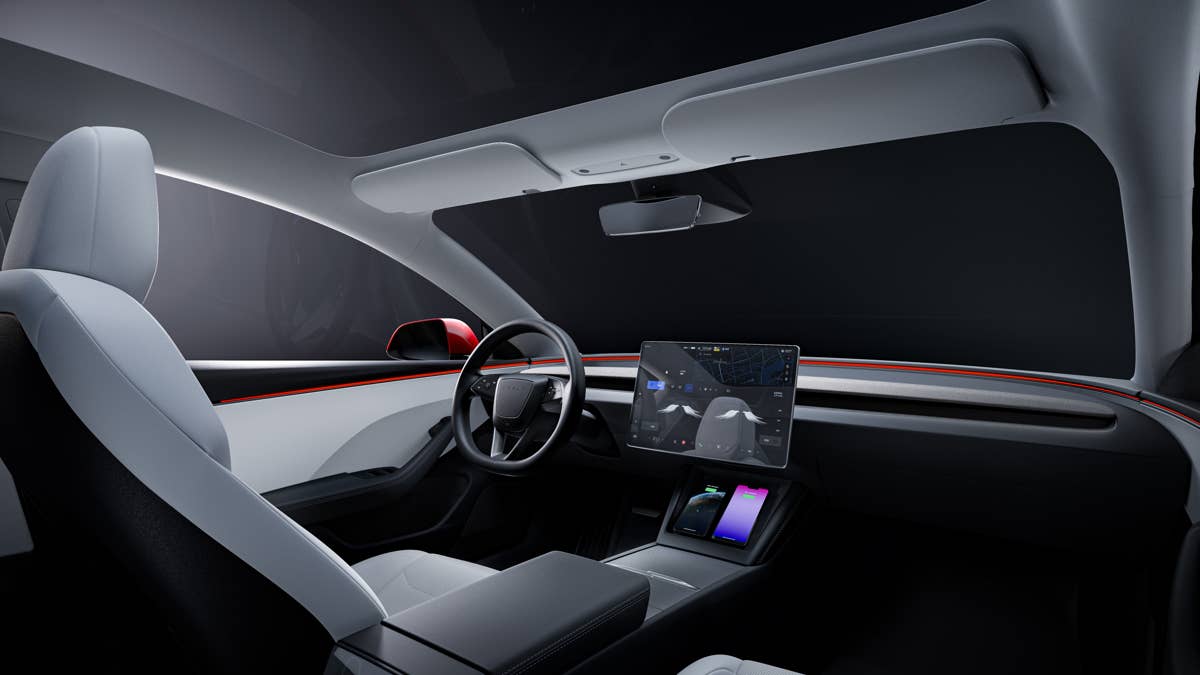
Beyond hardware manipulation, Tesla’s official Release Notes detail significant software integrations. The assistant can place phone calls from a paired mobile device, search streaming services to queue music, and navigate the complex Controls panel. Furthermore, owners can query the system about mechanical functions or ask for explanations regarding the new features delivered in frequent software updates.
Crucially, the system now manages fundamental driving settings and dynamics. It can alter user preferences that directly dictate how the car handles on the road. Where Tesla’s voice assistant previously trailed behind rivals in raw utility, this deep integration into the vehicle’s core operating system effectively closes the gap and provides a comprehensive hands-free environment.
Tesla
What Customers Actually Want
This update transitions Grok from a mere novelty into a legitimate daily use case. During highway commutes where Full Self-Driving manages the core automotive responsibilities, an intelligent interface that rapidly processes complex tasks is genuinely valuable. The most welcome quality-of-life improvement is the significantly reduced processing latency; the system now transitions from interpreting a prompt to executing the command almost instantaneously.
Despite the impressive technological leap, automakers must remember that advanced software does not replace fundamental automotive design. While managing climate settings via a complex AI model is an impressive engineering feat, many consumers still simply prioritize basic creature comforts and reliable physical controls. Nevertheless, Tesla’s aggressive push establishes a new industry benchmark for what connected car systems are expected to accomplish.