Hyundai is making the instrument cluster optional
A modern car without an instrument cluster sounds like something from a very cheap rental fleet, not a brand-new Hyundai. Yet that’s effectively what buyers of the base versions of Hyundai’s new Ioniq 3 and Korean-market Elantra can get. Hyundai has made its 9.9-inch Digital Supervision instrument cluster non-standard on the entry-level versions of both cars. Buyers who want an actual screen behind the steering wheel will either have to pay extra for the option or move up to a higher trim where it comes as standard. It is an unusual way to save money, particularly when even affordable cars treat digital displays as basic equipment.
The Upgrade Is About More Than Just A Bigger Screen
Hyundai
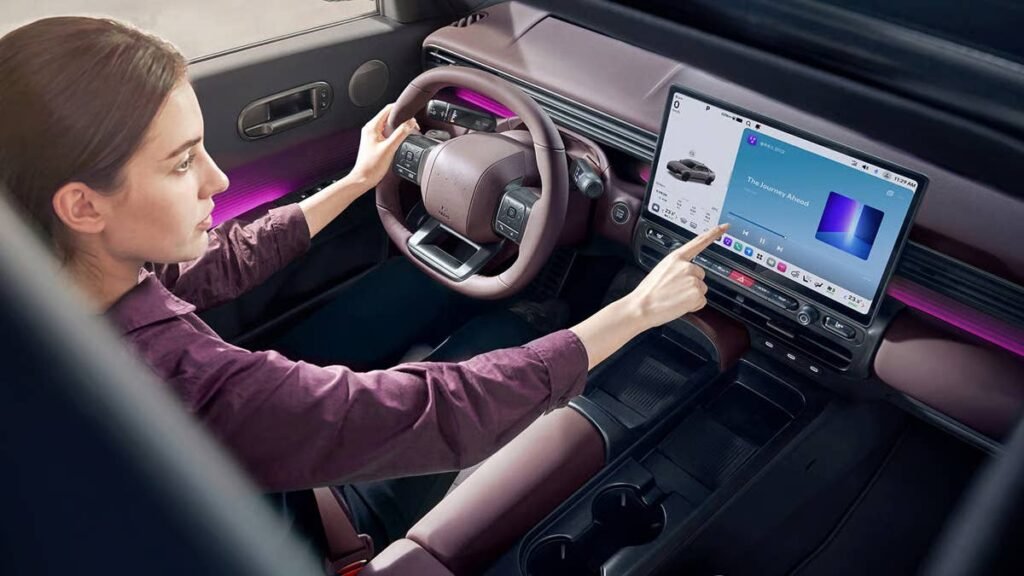
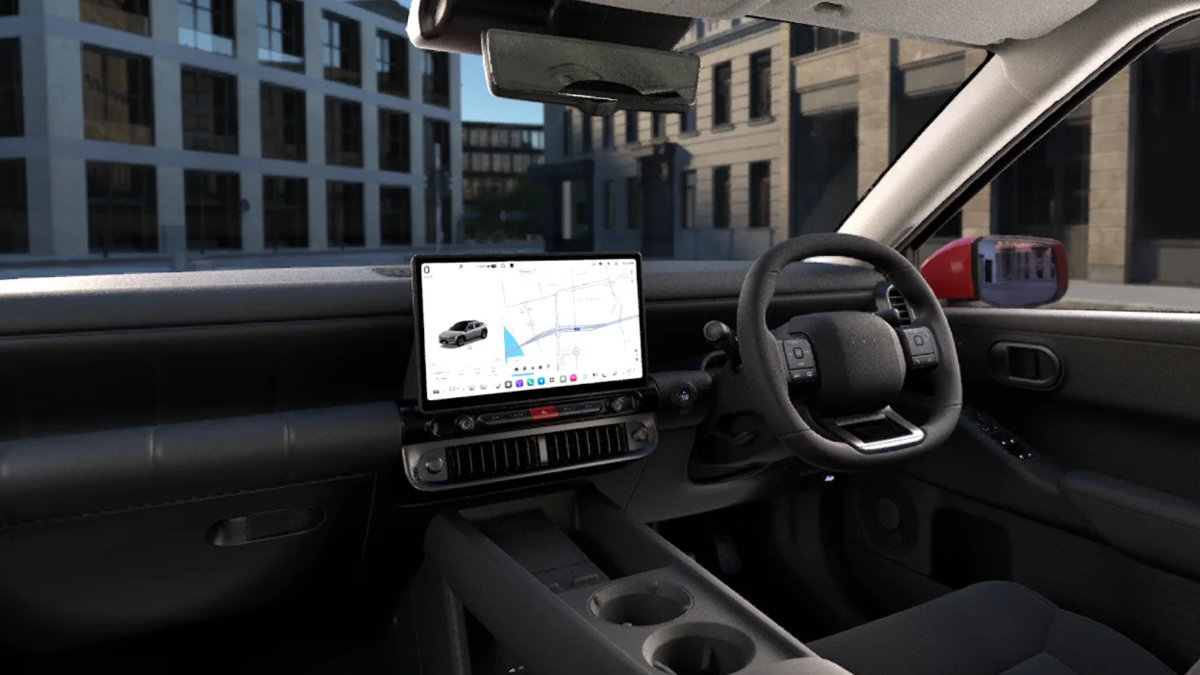
The Ioniq 3 and Elantra, which is sold as the Avante in Korea and other markets, can be ordered without the 9.9-inch digital cluster on their base configurations. Instead, Hyundai offers the display as an additional option, giving buyers a choice between spending more money or living without the conventional driver-facing screen. For buyers who don’t want to pay extra, the base car’s setup is obviously intended to provide the essential information another way – on the central infotainment display. That helps explain why Hyundai can remove the cluster without making the car undrivable, but it doesn’t make the decision any less strange.
And that’s where the cost-cutting logic starts to make sense. Removing equipment from the base car lets Hyundai advertise a lower entry price while nudging buyers toward options and more expensive trims. The same strategy has been used for years with wheels, upholstery and convenience features. Applying it to the driver’s display just makes the penny-pinching much harder to miss.
Hyundai’s Cheaper Cars Are Getting More Customizable
Hyundai
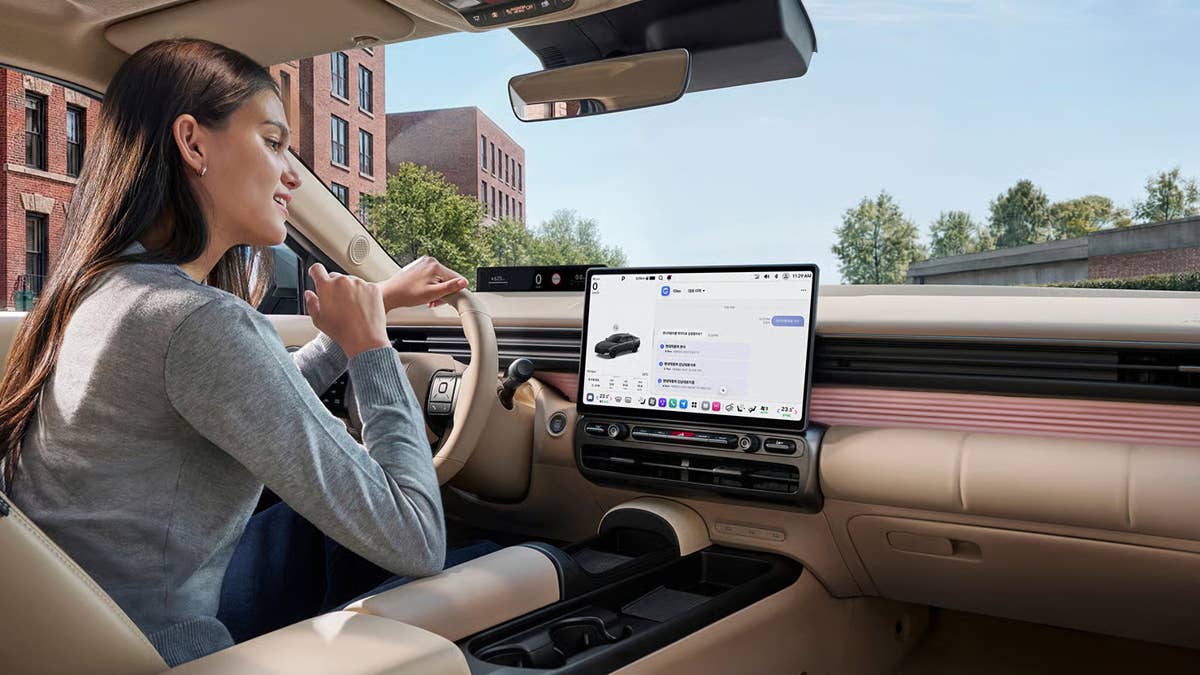
There is another way to look at the decision. Making the cluster optional allows Hyundai to offer a lower-priced configuration for buyers who genuinely don’t care about having a large digital display directly ahead of them. Not everyone wants every available gadget, particularly if the cheaper car still provides the information needed to drive it. Hyundai isn’t the first automaker to strip equipment from entry-level cars, and it certainly won’t be the last. Still, making the instrument cluster a paid upgrade is a particularly effective reminder of how aggressively manufacturers are trying to separate a car’s headline price from its fully equipped version.