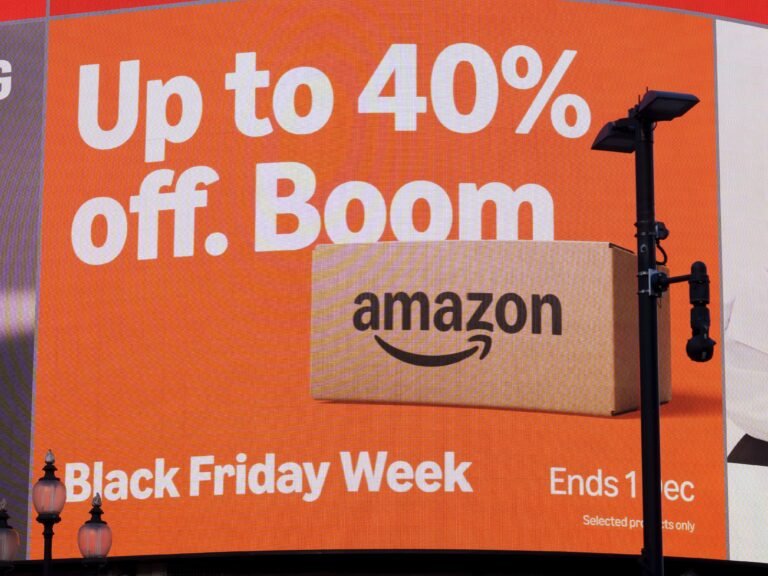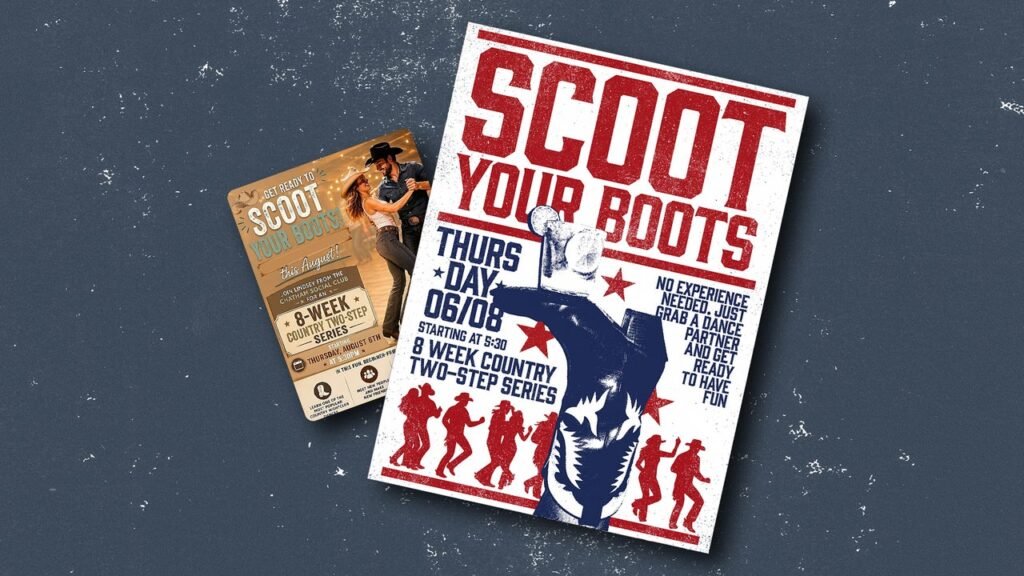
Bad AI-designed posters have become so prolific that actual, human graphic designers are redesigning them on their own just to show the value of a living, breathing designer’s touch.
AI-designed posters have a particular look. In addition to their unnatural sheen and patterns, the yellowish hue of their imagery, and the inconsistent details, they’re also information dense, populated with lots of copy and icons. Instead of a layout that’s optimized for the human eye, it’s a layout optimized to include all the information a chatbot was given in a prompt.
AI output is especially bad for restaurants since AI-generated imagery of food often produces bizarre, repeating patterns and shapes that look decidedly fake and completely unappetizing. A poorly lit photo taken by an old iPad camera would look better than some of the stuff actual delis are advertising their menus with using AI these days, and a human designer wouldn’t let a lot of this slop pass.
Designer Elizabeth Martin, founder of U.K.-based Ello Design Studio, started a series called “AI vs. Designer” on her Instagram account to draw attention to the importance of human design.
In the series, her studio competes against AI tools like Claude and ChatGPT by designing a visual identity based on a creative brief and comparing it to the AI output generated from the same brief. She’s also reworked actual AI-designed posters seen in the wild, like from a British eyewear brand and for an eight-week, beginner-friendly country dance course. The difference is striking. AI-generated posters are busy—more infographic than creative work.
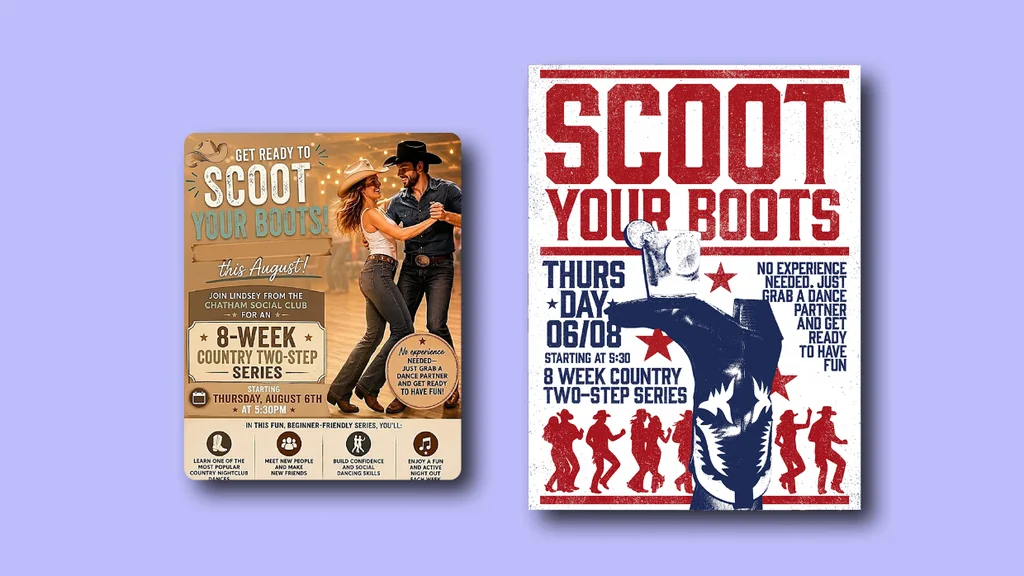
“I redesigned these posters to prove that when it comes to creativity, there’s still something pretty special about using a human designer over a robot,” Martin tells Fast Company. “In a world where businesses big and small are increasingly turning to AI to save time and money, I think it’s more important than ever to champion the people behind the work, especially when their jobs are being replaced by the very software they’re being asked to compete with.”
Martin says she’s noticed far fewer junior designer roles, contracts that are getting shorter, projects that are getting smaller, and, in some cases, the creative part of the job is also being reduced.
“I’ve had multiple clients send me AI renders or images of what they want instead of a written brief,” she says.
Other designers have also taken on AI design in social media posts, comparing it to their own human-made work and pointing out the advantages of working with a person for design projects.
Designers bring a human touch to their output, but there’s also a marketing incentive for businesses to hire them instead of using AI. According to a Bentley University-Gallup Business in Society survey released in August, nearly half of Americans interviewed said they feel negatively about businesses’ use of AI to create advertisements compared to just 19% who said they feel positively about it.
AI may be quick, cheap to use, and proliferating, but with a style called slop and proof it turns off a wide segment of potential customers, human-made design could be more important than ever.