Iceland is a country that is unique in its geography, flora and fauna. Located on 2 plates, creates a fissure in the earth’s crust, resulting in lots of natural geothermal areas around the country.
The landscape is dramatic in parts, with waterfalls that thunder off cliffs, black sand beaches stretch beneath crashing Atlantic waves and glaciers glow an impossible shade of blue against grey volcanic rock.
It’s a magnet for landscape photographers and modern day travellers. But travelling to these incredible places are not simple. Iceland’s landscapes are as unpredictable as they are beautiful, and knowing where to go, how to get there, and what to be careful of will make a massive difference.
Iceland’s Powerful Waterfalls
Iceland has some of the most dramatic and incredible waterfalls in Europe, and here are a few suggested places to visit for a first-time visitor.
Seljalandsfoss, on the South Coast, is famous for the narrow path that lets you walk almost all the way behind the curtain of water.
Skógafoss, just down the road, is one of Iceland’s biggest waterfalls by volume, with a viewing platform at the top reachable by a steep staircase.
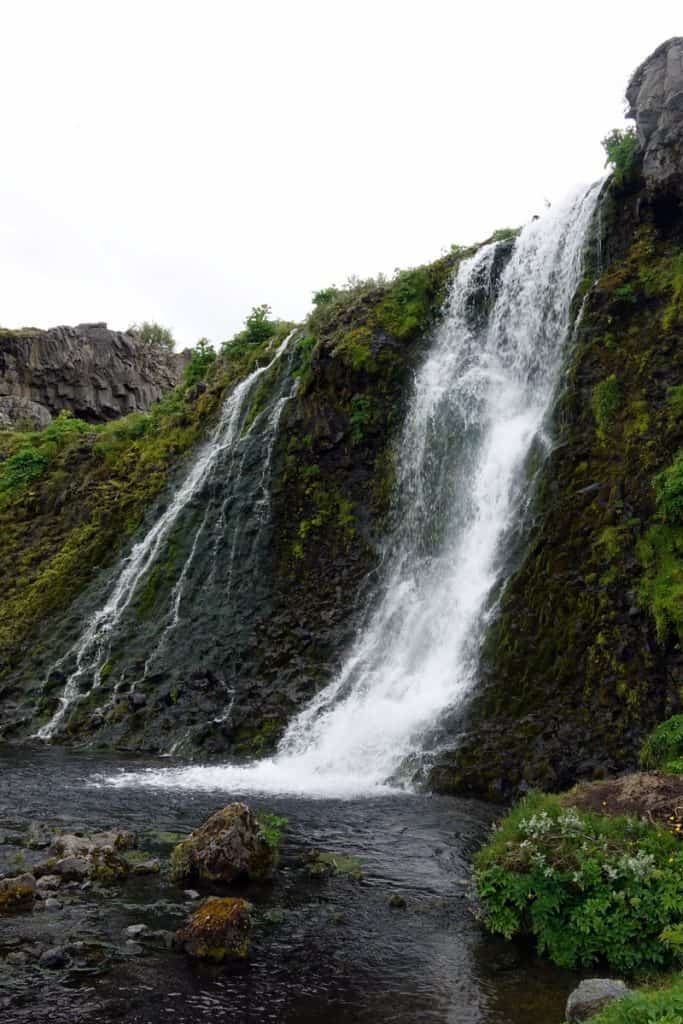
**Gjárfoss, a scenic waterfall located within the lush Gjáin gorge in the lush Þjórsárdalur valley of South Iceland.
Gullfoss, part of the Golden Circle route, drops in two dramatic stages into a rugged canyon and is one of the most visited sites in the country. Further off the beaten path,
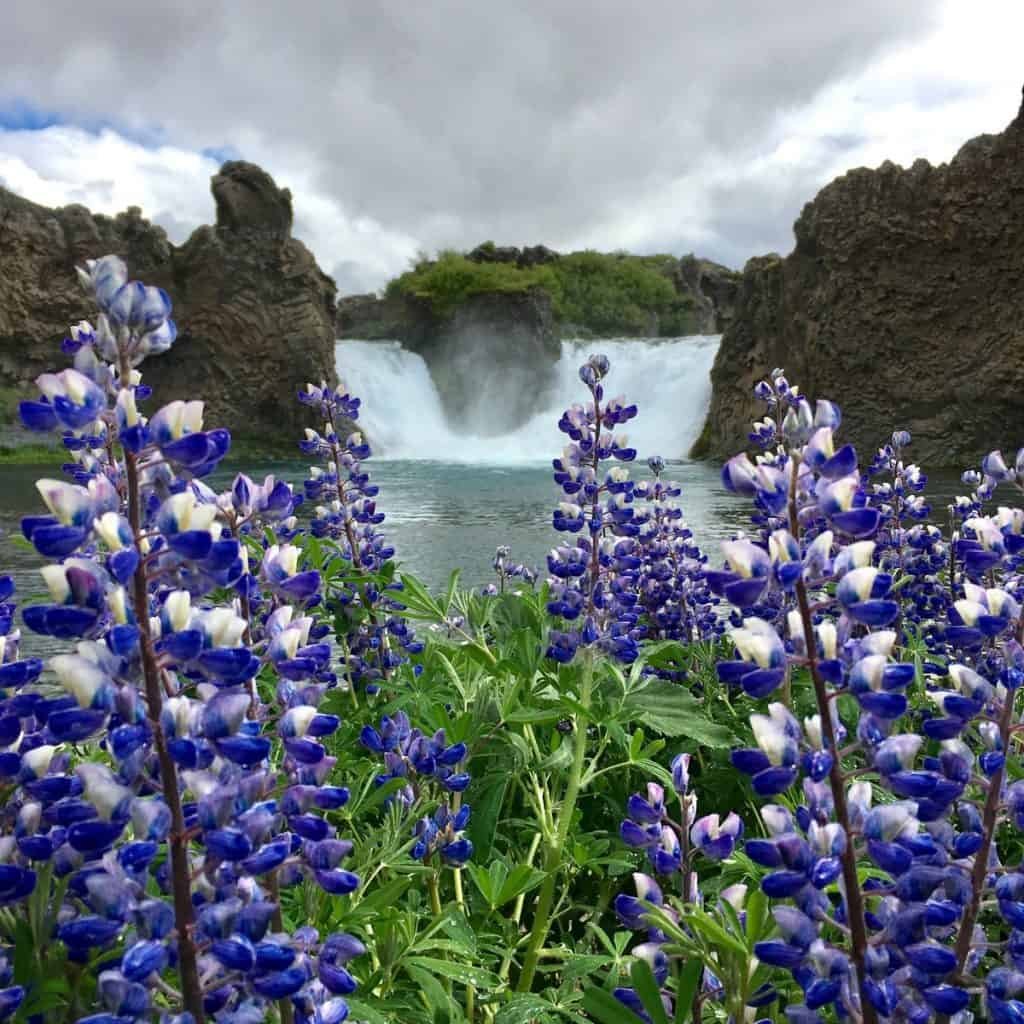
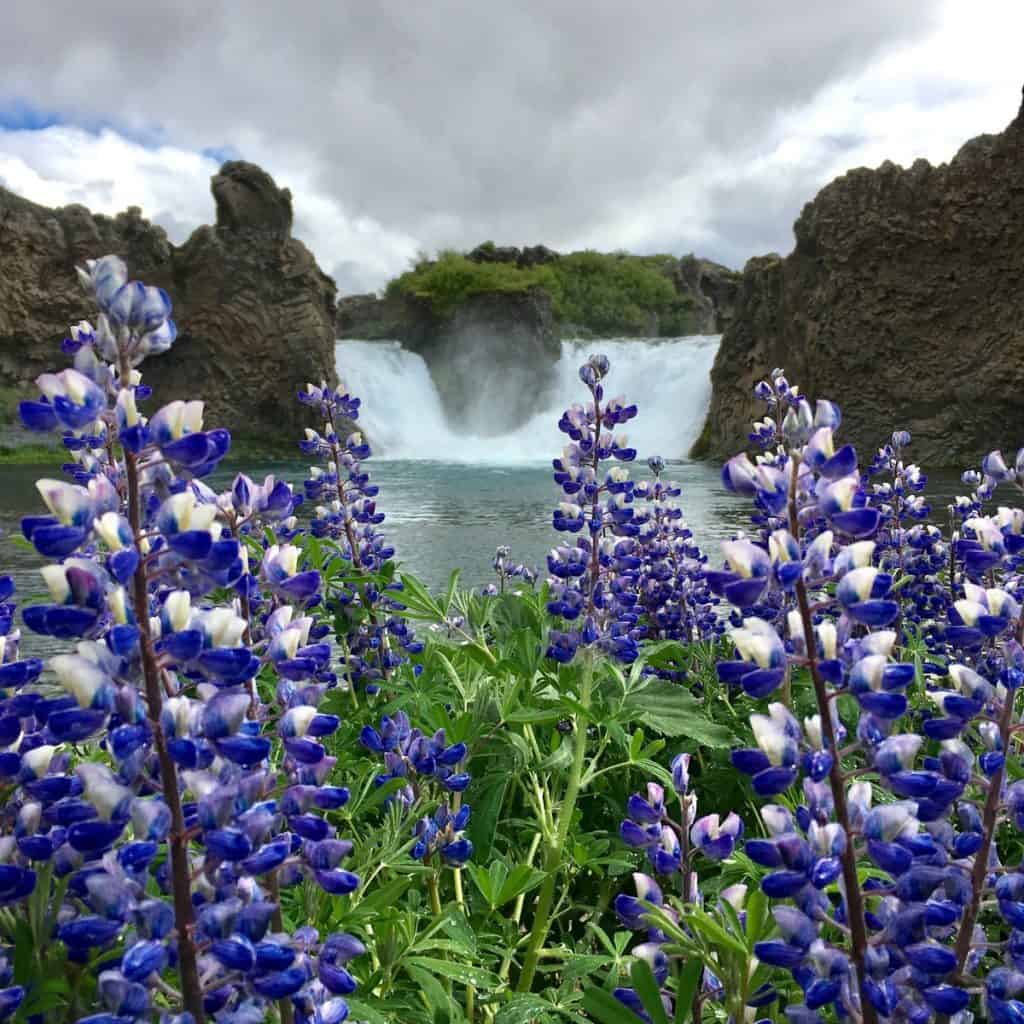
Hjálparfoss near Þjórsárdalur offers a quieter, less crowded alternative, framed by columnar basalt formations.
How to visit: Most of these waterfalls sit along well-maintained roads and are easily reached by rental car, organised day tour, or public bus from Reykjavík, particularly those along the South Coast and Golden Circle routes. Parking areas and marked paths are provided at all the major sites.
What to watch out for: The paths near waterfalls are often wet from spray and can be extremely slippery, especially in winter when they ice over. Sturdy, waterproof footwear with good grip is essential. Stay behind marked barriers, as the rock at the edges can be unstable, and resist the urge to climb over railings for a better photo.
Black Sand Beaches Formed by Volcanoes
Few coastal landscapes are as striking as a beach covered in jet-black volcanic sand. Reynisfjara, near the village of Vík, is Iceland’s most famous black sand beach, known for its towering basalt columns, the Reynisdrangar sea stacks rising from the ocean, and the dramatic Hálsanefshellir cave. Diamond Beach, near the Jökulsárlón glacier lagoon, offers a different but equally surreal experience, with chunks of glacial ice washed up and scattered across black sand like scattered diamonds.
How to visit: Both beaches are accessible by car along the Ring Road, with parking areas close to the shoreline, and both feature regularly on South Coast day tours from Reykjavík.
What to watch out for: This is the single most important safety warning in this entire guide. Reynisfjara is notorious for sneaker waves, sudden, powerful surges that can appear without warning and are far larger than the waves that came before them. They have injured and killed visitors who turned their backs on the ocean, often while distracted taking photographs.
Storms in early 2026 caused significant coastal erosion at Reynisfjara, shifting the shoreline and making some previously accessible areas, including parts of the basalt cave, harder to reach or temporarily closed off. Always check the coloured warning light at the beach entrance before heading down (red means stay away, yellow signals caution, green means conditions are calmer), never turn your back on the water, stay well above the visible waterline, and take official closures seriously even if the beach looks calm. The same sneaker-wave caution applies at Diamond Beach, where the surf can also pull loose ice chunks unpredictably.
Glaciers That Stretch to the Horizon
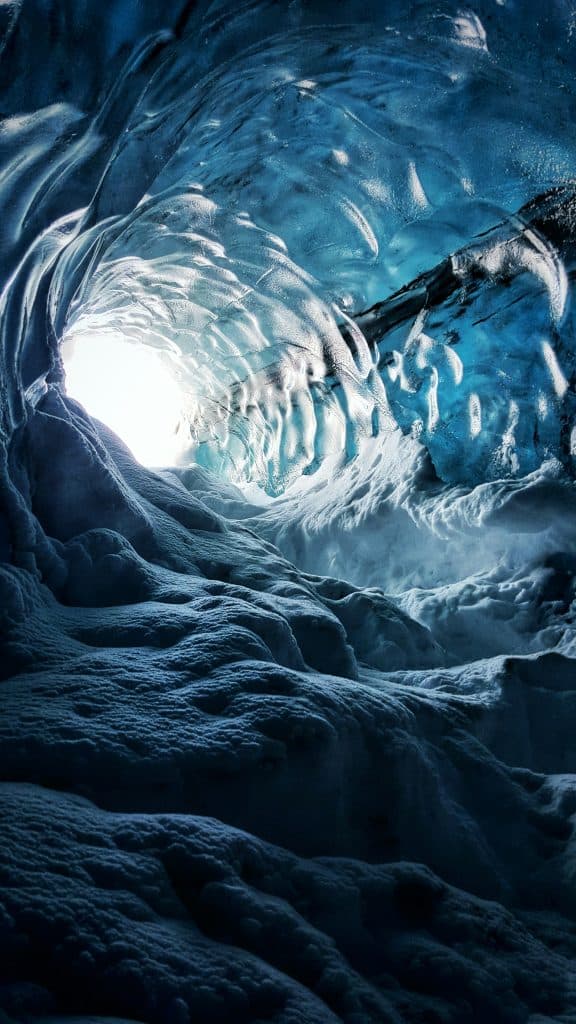
Iceland is home to some of Europe’s largest glaciers, including Vatnajökull, which covers roughly 8% of the country and feeds numerous outlet glaciers, and Sólheimajökull, a popular and more accessible tongue of ice on the South Coast. Exploring their crevasses, ice formations, and startlingly blue ice caves feels like stepping onto another planet entirely.
How to visit: Glacier hiking and ice cave tours should only ever be done with a certified local guide, both for safety and because access to many ice caves depends on the season and current ice conditions.
Blue ice caves are typically only open to visitors between roughly November and March, when the ice is stable enough for safe access; during warmer months, meltwater makes many caves unsafe or completely inaccessible.
What to watch out for: Glaciers are riddled with hidden crevasses, unstable ice bridges, and sudden meltwater channels that aren’t visible from the surface. Never attempt to walk onto a glacier or into an ice cave without a guide, proper crampons, and safety equipment, no matter how tempting or accessible it looks. Weather on and around glaciers can shift very quickly, so always check conditions before setting out.
Spectacular Coastal Scenery
While the Ring Road gives access to plenty of Iceland’s landscapes, many of the country’s most dramatic coastal views are found off the main route entirely.
The Westfjords offer steep cliffs, remote fjords, and some of the best bird-watching in the country, including at the towering Látrabjarg cliffs. Along the coastline more broadly, whale-watching boats regularly spot humpbacks, minke whales, and dolphins in the waters offshore.
How to visit: The more remote fjords are best reached with a rental car (ideally a 4×4 for gravel and mountain roads) or as part of a specialised multi-day tour, since public transport to the Westfjords is limited. For travellers who want to see the coastline from the water rather than the road, an Iceland cruise can offer unique access to remote fjords and coastal features that are difficult or impossible to reach by car.
What to watch out for: Roads in remote coastal areas can be narrow, gravel-surfaced, and exposed to strong winds, so check road and weather conditions before setting out, particularly outside summer. Cliff edges at bird-watching sites like Látrabjarg often have no barriers at all, so keep well back from the edge, especially in wind or wet conditions.
Other Worldly Geothermal Landscapes
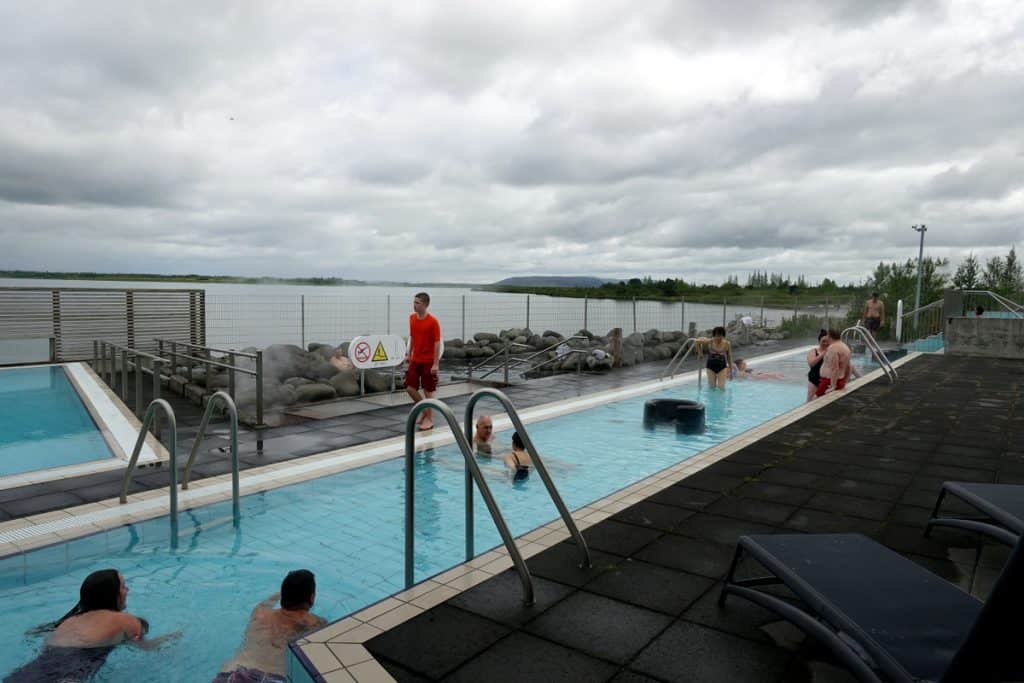
Iceland’s volcanic activity has created geothermal landscapes that genuinely look extraterrestrial: steaming vents, bubbling mud pools, and geysers erupting on a near-clockwork schedule.
Geysir, in the Golden Circle, gave its name to geysers worldwide, and while the original Geysir itself is largely dormant, its neighbour
Strokkur erupts every few minutes to reliable applause.
Landmannalaugar, in the highlands, combines geothermal hot springs with vividly coloured rhyolite mountains, while the
Blue Lagoon and other geothermal spas offer a more relaxed way to experience the country’s volcanic heat.
**Laugarvatn Fontana Hot Springs and geothermal bakery is less well known but highly I recommend as a stop here, especially to taste that bread baked in the hot sand.
How to visit: Geysir is easily reached by car or tour bus as part of the Golden Circle route. Landmannalaugar, by contrast, sits along Iceland’s F-roads (mountain roads), which are typically only open from around June to September and require a properly equipped 4×4 vehicle; it’s also reachable by scheduled highland bus in summer.
What to watch out for: The water and mud in geothermal areas can be scalding hot even when it looks calm and inviting, and the ground around vents and pools can be thin and unstable. Always stay on marked paths and boardwalks, and never touch or step into geothermal water outside of a designated bathing area. At Strokkur, keep a sensible distance, since eruptions send boiling water several metres into the air.