In this article
One of the most common feline emergencies seen in practice is the blocked cat. Obstruction of the male urethra can be deadly, and even when treatment is successful, the risks of reoccurrence are frustratingly high. In fact, research shows that urethral obstruction results in death or euthanasia of more than a quarter of patients, with the risk of recurrence being the primary reason.1
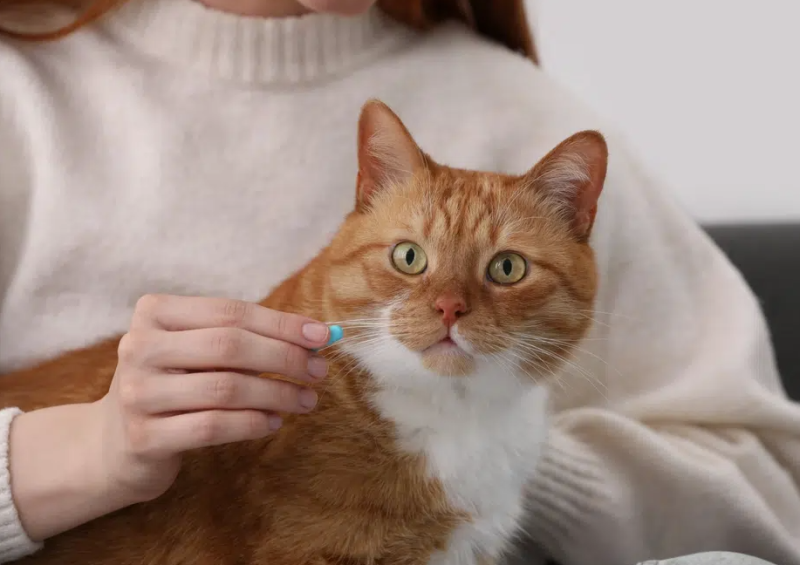
Those first few weeks at home are stressful. With litter box habits being closely monitored and the emergency vet on speed dial, it’s no wonder clinicians are turning to anti-anxiety medication. But it’s not for the cat owners; it’s for the cats.
Lorazepam, a drug more commonly used to treat seizures, anxiety, and muscle spasms in humans, may prove to be the most powerful weapon against recurrent feline urethral obstruction to date.
The Blocked Cat
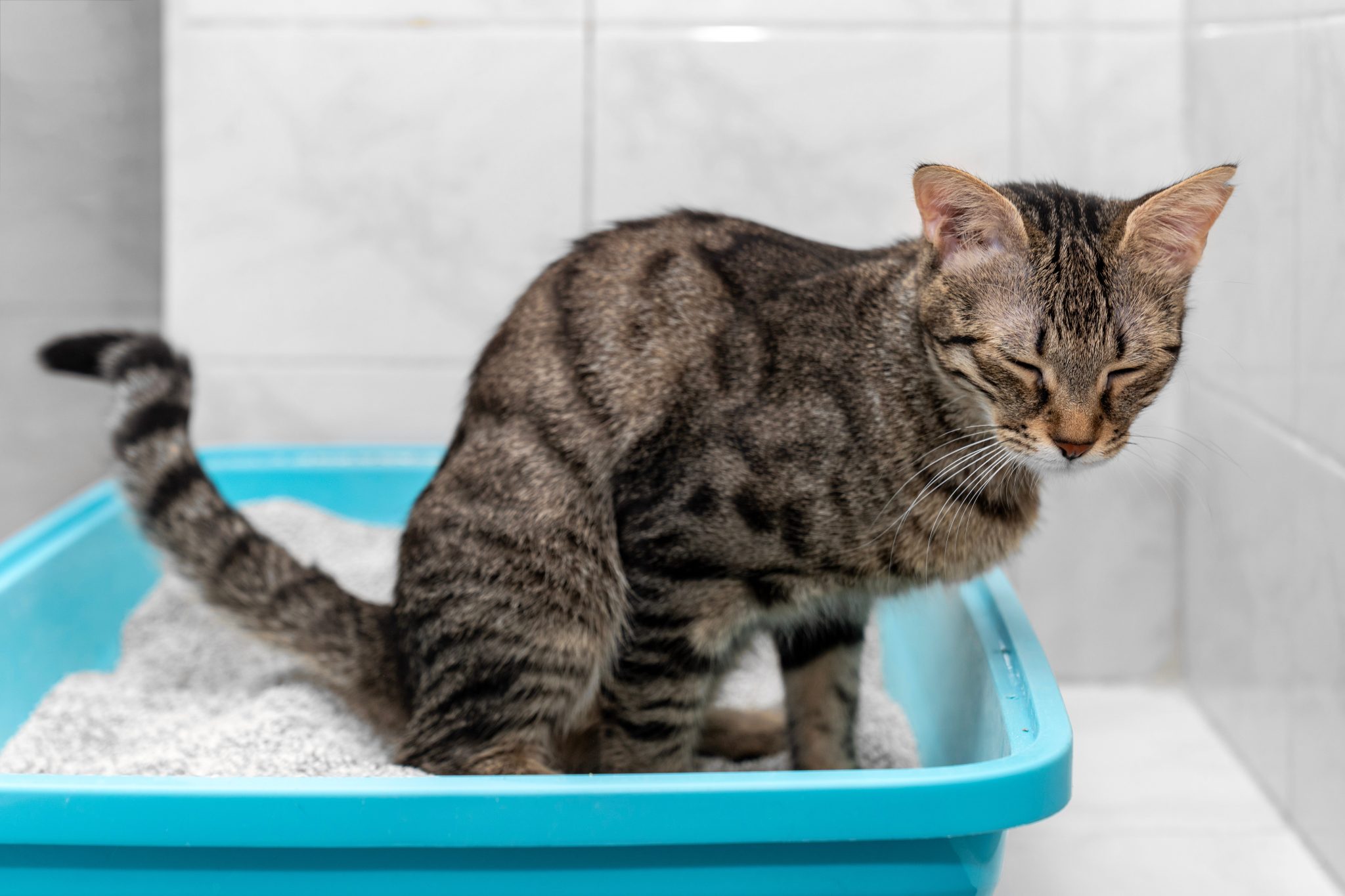
When a male cat cannot urinate, there is no time to wait and see what happens. A blocked cat is facing a potentially life-threatening emergency. If inflammation, mucus, crystals, or other material gets stuck in that narrow passage, urine can no longer leave the bladder, and things can become dangerous very quickly. The bladder keeps filling, while waste products and electrolytes build up in the bloodstream. Potassium can rise to dangerous levels, potentially causing metabolic acidosis, abnormal heart rhythms, and other serious complications.
Fortunately, we can usually get these cats unblocked and stabilized with prompt veterinary treatment. But getting the urine flowing again is only the first hurdle. Some cats block again after they go home, particularly during the first few weeks after hospitalization, leading to more complications, stress, and increased vet bills.
A new study published in the Journal of the American Veterinary Medical Association has brought an unexpected medication into this conversation. Researchers at the University of Minnesota investigated whether lorazepam, a medication more commonly associated with anxiety and muscle relaxation, could reduce recurrent urethral obstruction in male cats after a first episode. None of the cats receiving lorazepam re-obstructed during the study, compared with 15.7% of cats receiving a placebo.
Why Do Male Cats Block?
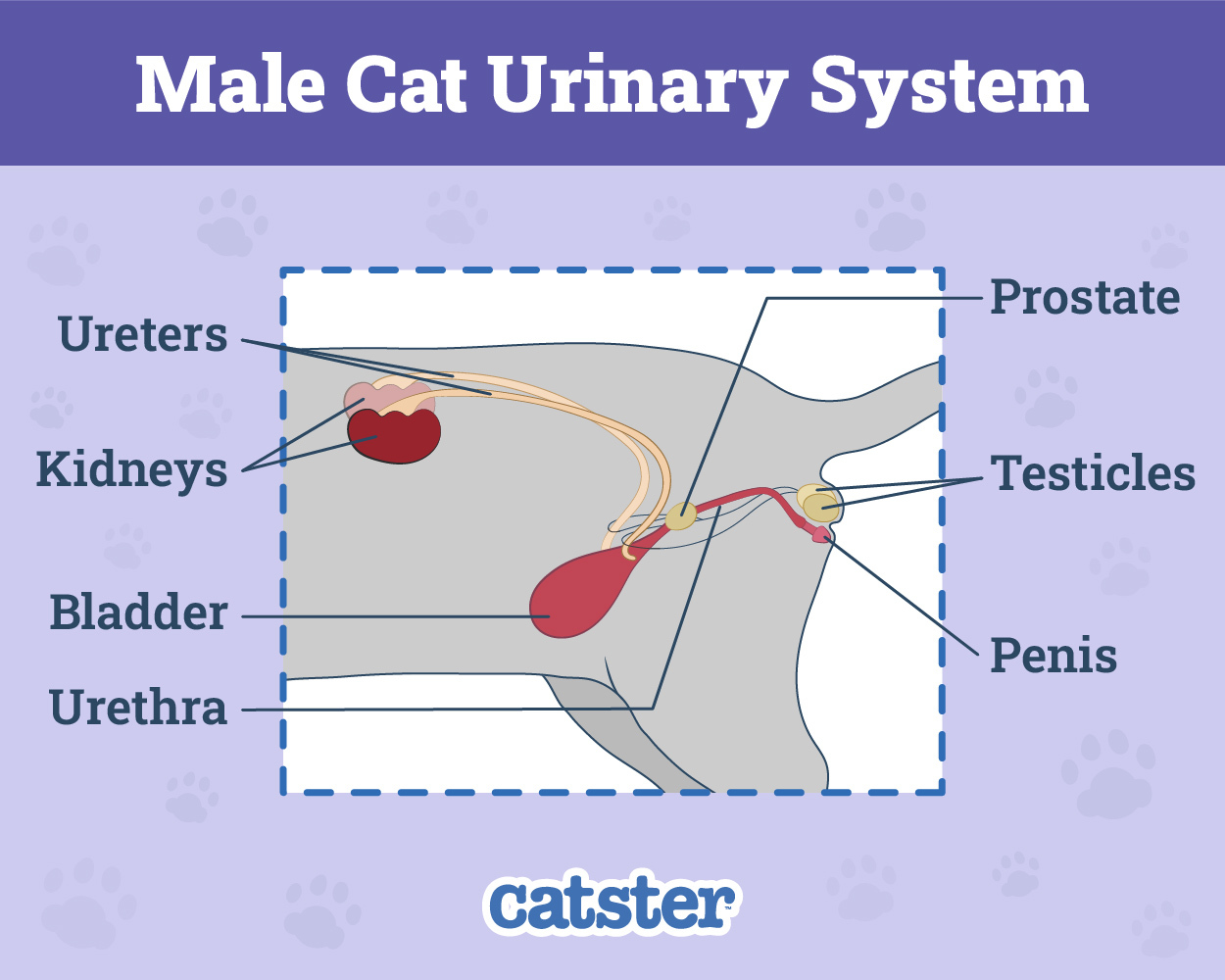
Male cats are more prone to urinary blockages because their urethra is long and narrow, with some of its narrowest portions made largely of skeletal muscle. These muscles can tighten or spasm, making it even harder for urine to pass through.
A blockage can start with a plug of mucus and crystals, but inflammation, swelling, pain, and muscle spasm can all contribute. This may help explain why a cat can remain at risk even after the original blockage has been removed. The plug may be gone, but the urethra can still be irritated, with the surrounding muscles remaining tense.
Unfortunately, recurrence is common. One study found that 51% of cats developed urinary symptoms again after going home, while 36% became blocked again, usually within 2-3 weeks. When this happens, some cats require more invasive surgery to address the problem, while many others are euthanized.
Why Lorazepam?
Medications such as prazosin and phenoxybenzamine have traditionally been used to relax smooth muscle in the feline urethra. But the parts of the male cat’s urethra where obstructions most commonly occur are primarily made of skeletal muscle. The researchers wondered whether a drug that relaxes skeletal muscle might be a better match for that part of the anatomy.
Lorazepam belongs to a group of medications called benzodiazepines. It is already used in cats for its anxiolytic effects, meaning it can help reduce anxiety. It also has skeletal muscle-relaxant effects.
An older study found that dantrolene, another skeletal muscle relaxant, reduced pressure in the postprostatic penile urethra of male cats with naturally occurring obstruction. That does not prove that lorazepam works exactly the same way, but it gave the researchers a reason to investigate it.
Because lorazepam can have an anxiolytic effect as well as a muscle-relaxing effect, the researchers were interested in whether it might address both the issue of muscle tension and another factor associated with feline lower urinary tract disease: stress.
The Clinical Trial
The study included 80 male cats experiencing their first urinary blockage. Cats with complicating factors like urinary tract infections or urolithiasis (urinary stones) were excluded, so this was a fairly specific group of patients.
The cats were randomly assigned to receive either 0.25 mg lorazepam or a placebo every 12 hours for 30 days. This was a double-blind trial, meaning neither the owners nor the researchers evaluating the cats knew which treatment the cats received until the end of the study.
All of the cats also received standard post-blockage care, including a prescription urinary diet and guidance on water intake, environmental enrichment, interactions with other cats, and stress management. Other medications could be used when needed.
Of the 80 cats enrolled, 72 completed the study. Five cats blocked again during the 30-day study period, and all five were in the placebo group.
None of the cats receiving lorazepam re-blocked while taking the medication.
The lorazepam group also had fewer reported urinary symptoms during the study, although the overall difference was not statistically significant.
It’s too soon to say that lorazepam is completely effective in preventing urinary blockages from coming back, but the results are certainly encouraging.
What About Side Effects?
Lorazepam was generally well tolerated, but some side effects were reported.
The most notable was ataxia, or being a little unsteady on their feet. It occurred in 4 of the 31 cats receiving lorazepam. Some cats were also sleepy, ate more, or vocalized more.
One important detail: almost all the cats also received gabapentin, which can also cause unsteadiness. So, the researchers couldn’t say for certain that lorazepam was responsible for every case of ataxia.
Does Lorazepam Reduce Urethral Obstruction Recurrence?
Urethral obstruction in cats is a multifactorial condition, so hoping for a single, silver-bullet solution is a little unrealistic. However, this study provides extremely promising results and highlights some previously overlooked components of managing the condition.
If skeletal muscle spasm contributes to obstruction, then targeting that muscle makes sense, particularly during the period when a cat is most vulnerable to blocking again. With stress being recognized as a significant factor in feline lower urinary tract disease, using a medication that addresses both stress and muscle tension seems like a logical solution.
There are still reasons to be cautious. The study was smaller than planned, with 80 cats enrolled and only 72 completing it, all from one university hospital. Larger, multicenter studies are needed to know how widely these results apply.
It’s also worth noting that although recurrence only occurred in cats receiving the placebo, the rate was quite low: 5 out of 39. Both groups received advice on diet, water intake, and stress management, which may have helped reduce recurrences on their own.
So, no, this study does not mean that lorazepam will prevent reobstruction, or that every male cat who has experienced a urinary blockage should automatically receive lorazepam.
It does give us something valuable. It gives us another possible way to think about preventing recurrence, and consider whether relaxing the skeletal muscle in the distal urethra could be a better-targeted approach for some cats.
For a cat who has already experienced the pain and danger of a urinary obstruction, and owners who have lived through the stress of seeing it happen, preventing the next one is a big deal. Lorazepam may not be the cure, but it certainly provides a promising new direction for the treatment of this life-threatening condition.
Feature Image Credit: New Africa, Shutterstock
Did You Know?
- Our brand-new posts are rounded up and included in our weekly emails. Don’t miss out on the latest – sign up for our newsletter below!