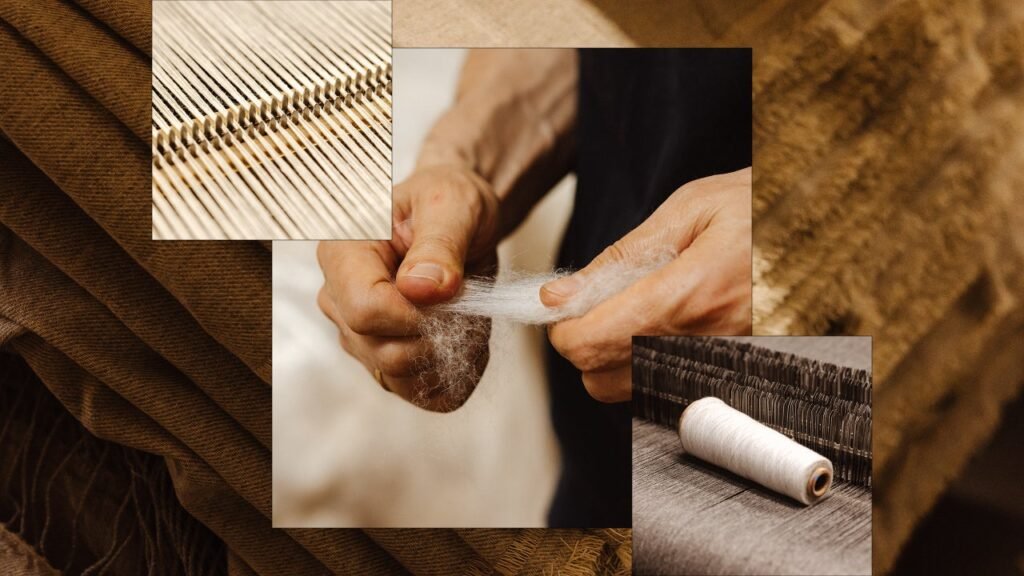
For centuries, cashmere was a fabric so rare that Persian merchants dubbed it “soft gold.” Mughal emperors and European aristocrats gave them as gifts to one another. It was sourced from Himalayan goats that needed delicate undercoats to survive freezing, high-altitude climates—then hand-combed by herders and spun into prized shawls.
Today, however, the “fiber of kings” has undergone a massive industrial shift. What was once a prized heirloom piece has been democratized into $45 Walmart sweaters and $130 Quince throw blankets. But the plummeting price tag of modern cashmere comes with hidden costs, from overgrazing to the abuse of goats.
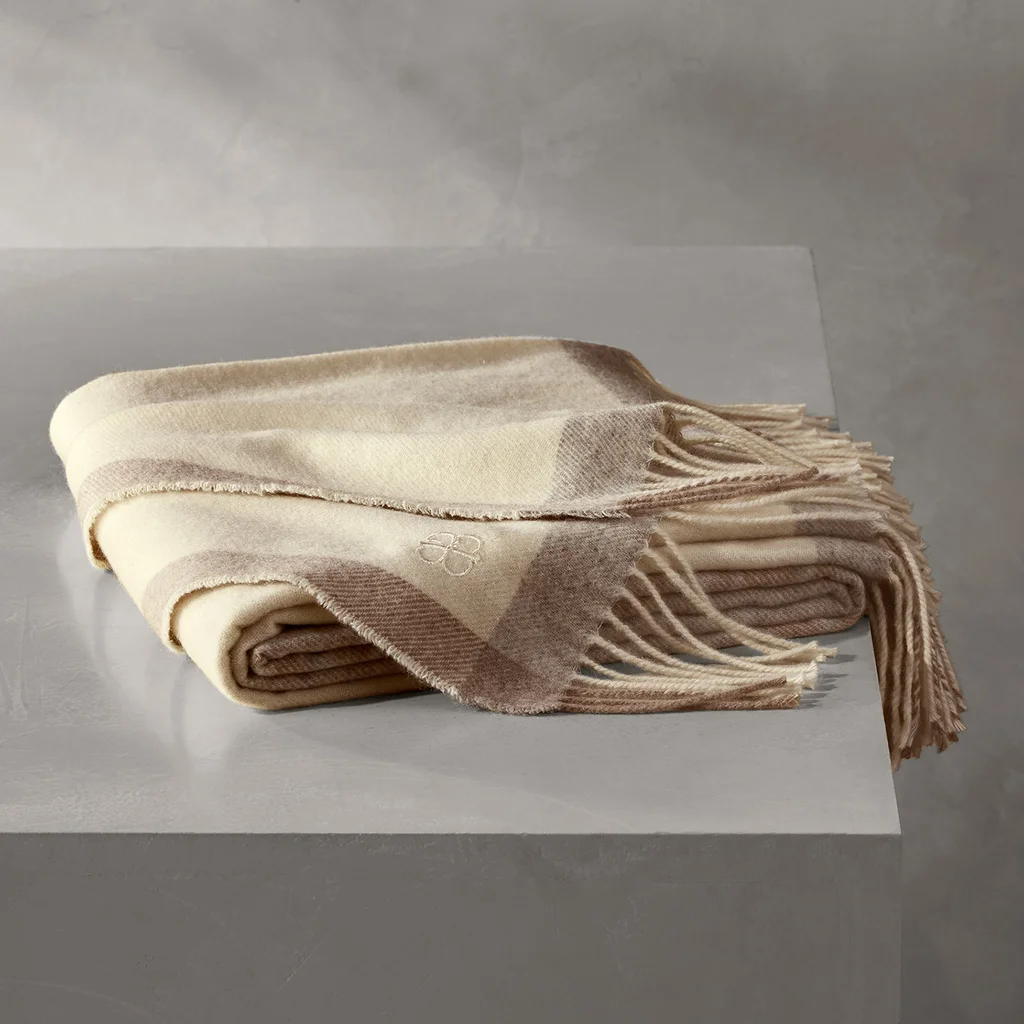
Now Boll & Branch—a brand built on pioneering ethical supply chains—is setting out to redefine what luxury cashmere should look like. The direct-to-consumer pioneer has launched a cashmere blanket, making it among the first home brands in the world to be certified by the Good Cashmere Standard.
Boll & Branch is targeting a luxury consumer with this blanket, pricing it at $999. But having built a cult following around its $300 organic sheets and $700 ultra-premium Reserve Collection, the brand believes there is a market of consumers who care just as much about the origins of their home goods as their quality.
Boll & Branch debuted in 2014 during the height of the DTC boom. Founders Missy and Scott Tannen launched the business when they learned that the global cotton supply chain is rife with forced labor and toxic pesticides that run into the groundwater. They wanted to see if they could develop a more ethical bedsheet, so they bypassed cotton brokers and went directly to organic cotton farms in India.
The Tannens found Fair Trade factories and ordered a few hundred sheets they were hoping to sell over the next year and a half. But that order sold out in 24 hours—suggesting that some customers would pay a premium not just for quality, but also for responsible sourcing.
In 2024, Boll & Branch undertook an ambitious project: to make every product in its supply chain traceable. When you type a product code into the brand’s website, you can learn exactly where the cotton was grown and where in the world it was shipped to be milled and turned into sheets.
But over the years, the Tannens have come to realize that ethics alone don’t sell a product. Consumers might feel good about a brand’s values, but they spend money on aesthetics, hand feel, and quality.
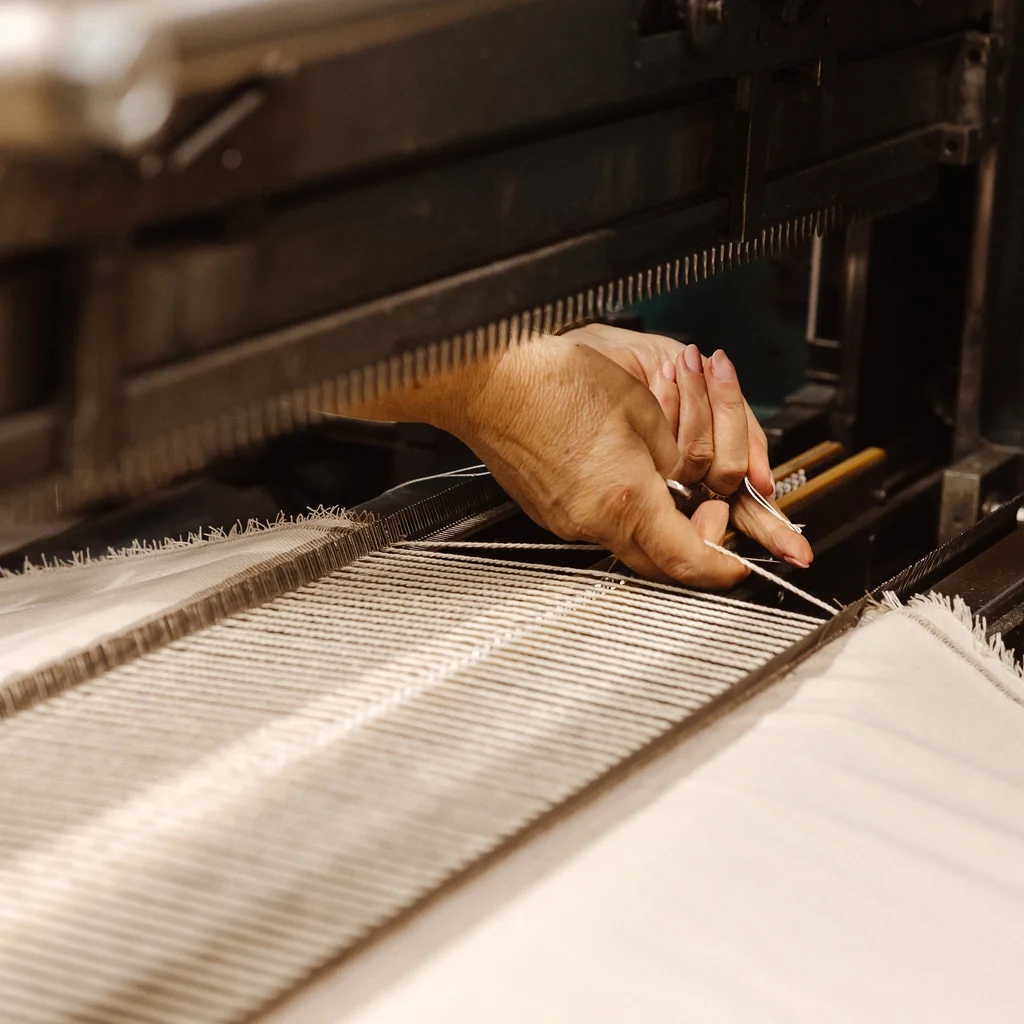
To win over buyers, Missy—the brand’s chief designer—has focused heavily on design, creating every pattern in-house, perfecting custom weaves, and holding products to rigorous inspection standards. “Customers just want a beautiful product,” she says.
This commitment to craftsmanship caught the eye of prominent private equity investors, including L Catterton and later the Carlyle Group, which poured $100 million into the company. This funding has fueled the brand’s expansion into 15 brick-and-mortar stores and a shop-within-shop model at 100 Bloomingdale’s and Nordstrom locations.
Having mastered organic cotton, Boll & Branch is now turning its attention to animal fibers. It has recently brought wool into its collection with merino wool blankets, but it wanted to develop something higher end with this cashmere throw.
As Missy began learning about how cashmere is made, she discovered that the spike in demand for cashmere over the last decade has led to exploitation across the supply chain. To harvest their wool at scale, farmers often subject goats to painful combing using sharp metal tools that tear their skin. To meet supply chain demands, many goats are shorn in the middle of winter, before their natural spring molting season, leaving them vulnerable to dying from cold. At the same time, overgrazing by rapidly expanding herds has degraded the Asian grasslands, destroying local ecosystems and leaving animals undernourished.
It can be hard to determine whether a cashmere product has gone through an ethical supply chain or not. Raw animal fibers are often bundled and traded as a commodity, making it difficult to identify their origin. In fact, an estimated 95% of the world’s animal fibers are untraceable.
“You can specify grade, but you don’t know where it came from,” Missy says. “Similar to cotton, any farmers just dump it off and it’s sold in the open market.”
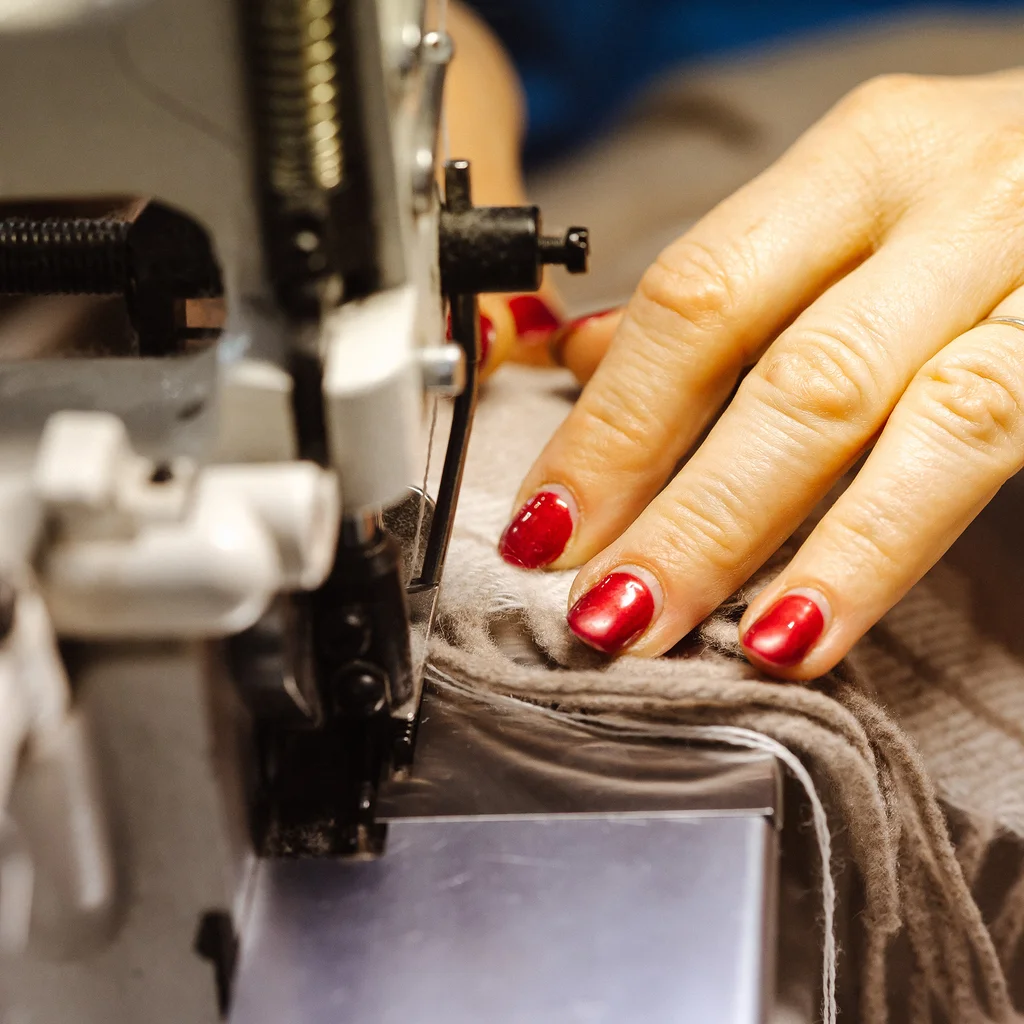
Missy wanted to create a traceable cashmere blanket. She spent six months working closely with Marzotto, a legendary 190-year-old family-run mill in Italy best known for weaving suiting fabrics. Boll & Branch worked with Marzotto to adopt the Good Cashmere Standard, which was developed in 2020 to improve the welfare of cashmere goats, protect the environment, and support herders. The standard evaluates farms for many criteria, including proper nutrition, pasture management, and whether the goats are free to roam. “They even evaluate their mental state, if you can believe it,” Missy says.
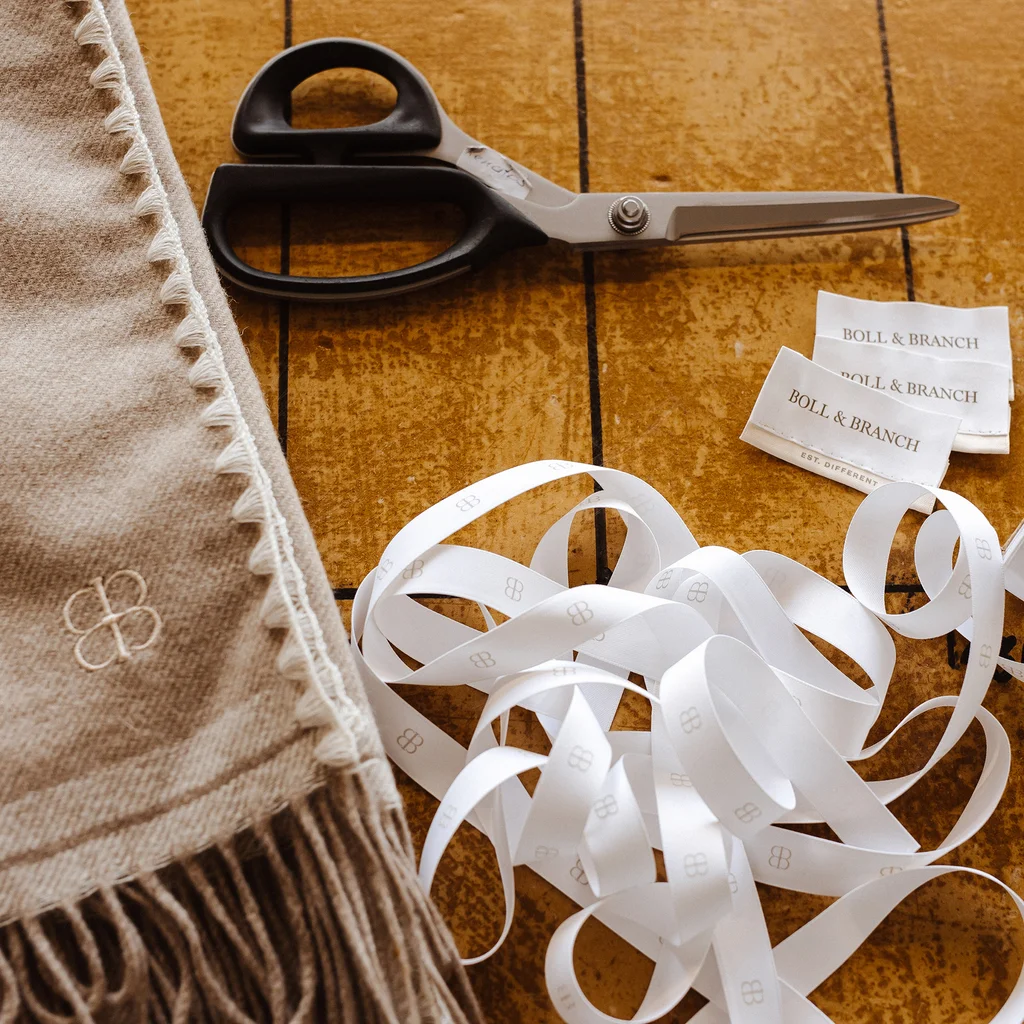
The resulting blanket features a solid twill weave, edged with a delicate shell-stitch embroidery made from wool. And customers can rest assured that the fibers were harvested only during the spring molting season and herders received fair wages.
While a $999 throw blanket is an investment, Boll & Branch views it as a natural extension of its high-end Reserve Collection of bedding made from an American-grown extra-long staple cotton called Summit Supima that makes up less than 0.01% of the world’s cotton supply. With prices starting at $729 for a set, these sheets rival luxury brands like Frette and Sferra. And they have become the fastest-growing part of Boll & Branch’s business.
Missy Tannen believes customers of luxury bedding are willing to spend a lot on quality; they want the softest, most beautifully draped fabrics on the market. It is Boll & Branch’s responsibility to tell the story of where these products came from.
“If you strip the ethics out, it still needs to be high-performing, soft, and tailored beautifully,” she explains. “It’s not charity.”