Reach and Influence
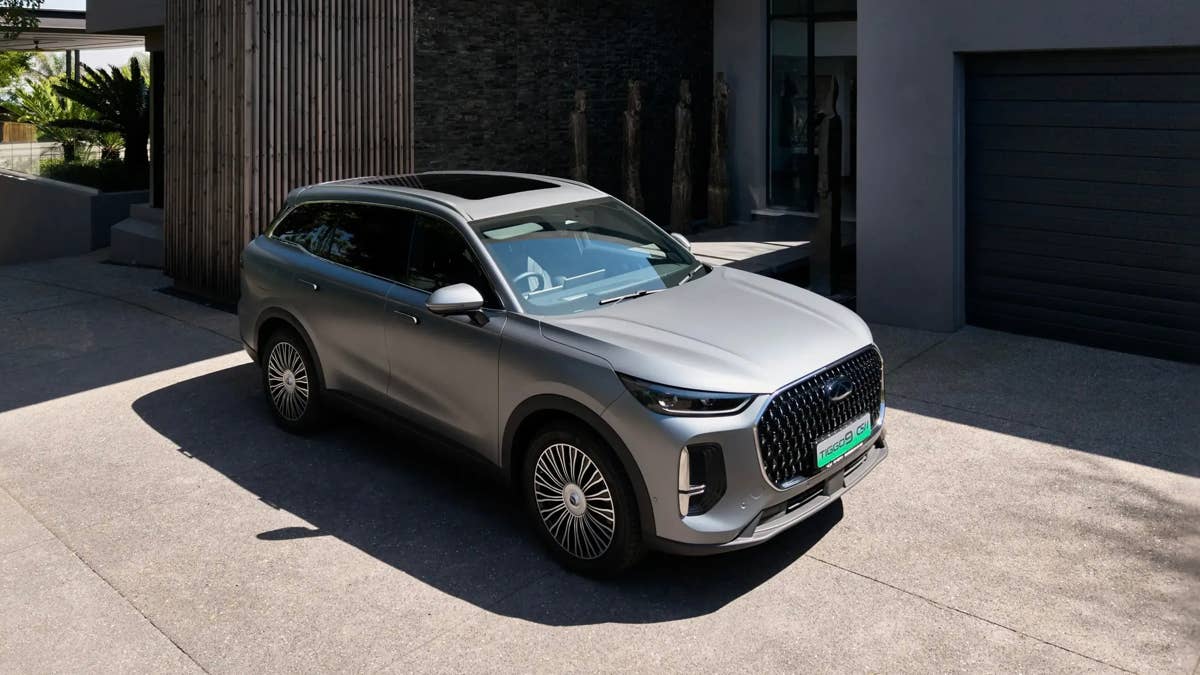
China has, in many ways, reshaped the automotive industry, and that’s even before its cars are sold stateside. It’s pressured many to adapt to faster design cycles, cater specifically to its market, and has influenced design trends inside and out. China’s influence is strong, whether you like it or not.
So far, the Chinese auto industry has made strong inroads across Asia and Oceania and has been chipping away at sales in Europe. The only market it has yet to take on is the U.S., mainly because of the many roadblocks in place.
Chery
Taking the Barriers Away
Many people are pleading with the government to keep these Chinese cars off U.S. soil, mainly on the grounds of protecting businesses and industry. Ford has been vocal about this, along with several others. But let’s assume for a moment that the blockades to keep Chinese cars away have been lifted. Will it actually make a difference?
According to industry analyst Peter Nagle, the answer is a big yes. Speaking to the Detriot Free Press, the associate director for North American sales forecasting at Mobility Global said “if we let the Chinese in right now, they could sell 1.7 million vehicles in the U.S. ― capturing a 11% market share.” He reckons that’s also possible by 2038, but that’s if the Chinese are let in now.
The thing is, these cars can only be kept out of the U.S. market for so long. One way or another, these will enter American shores with the promise of a much higher value proposition. That strategy worked for Asian and European markets, and with average car prices rising by the minute, it has all the potential to work in America.
The Message is Clear—and Challenging
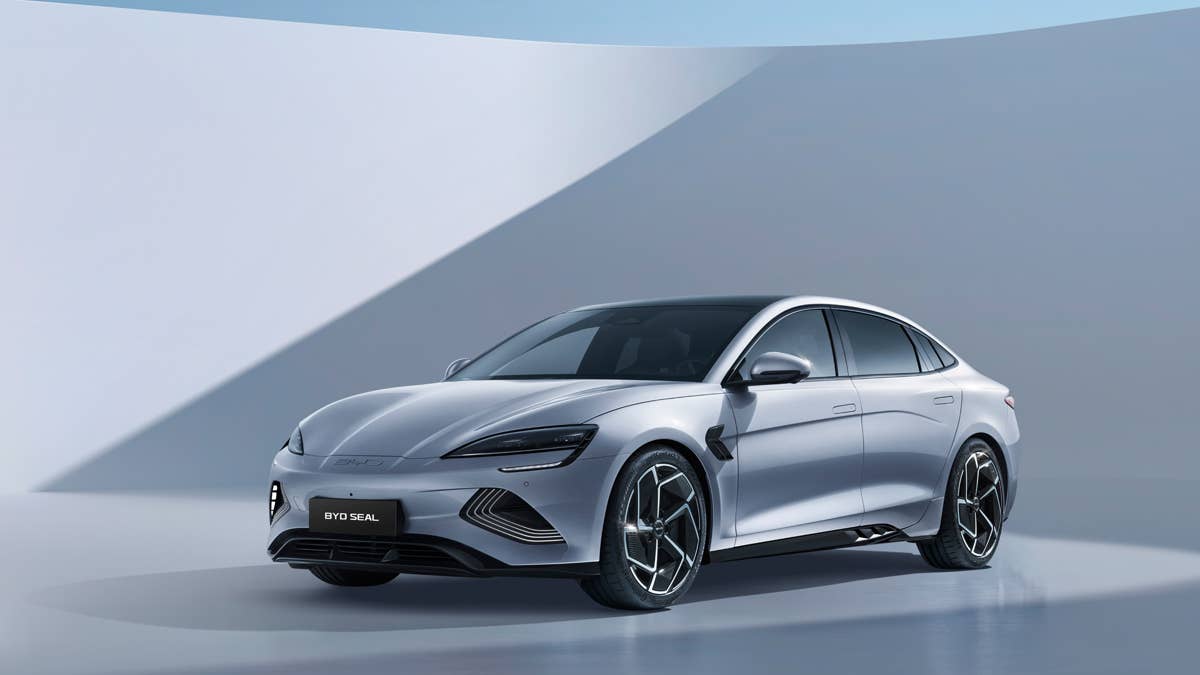
Chinese cars bank heavily on value propositions, normally offering cars one size bigger for less and stuffing these with heaps of tech. Europeans did the same to break into markets, as did the Japanese and Koreans. To counter that, legacy automakers need to enhance their value offerings as well, which has become increasingly difficult amid tariffs and geopolitical challenges. That’s not to say it’s impossible, but it won’t be easy, either.
Legacy automakers also need to, at the very least, match the pace of China’s development. Some automakers are already trying to adapt those methods and collaborate further with their partners there. Advances in artificial intelligence should help reduce development times, but they shouldn’t come at the cost of real-world data and testing that, in turn, compromises reliability and durability. Speed is good, but so is accuracy.
Xie Guiming/VCG via Getty Images
China Isn’t Immune from Stagnation, Either
Many of China’s automakers are backed by the government, and it’s more than willing to spend the money to churn out new models in rapid succession. The thing is, those subsidies won’t last forever, and the trade barriers won’t be permanent. There will come a time when Chinese cars have to sell on merit, not just price.
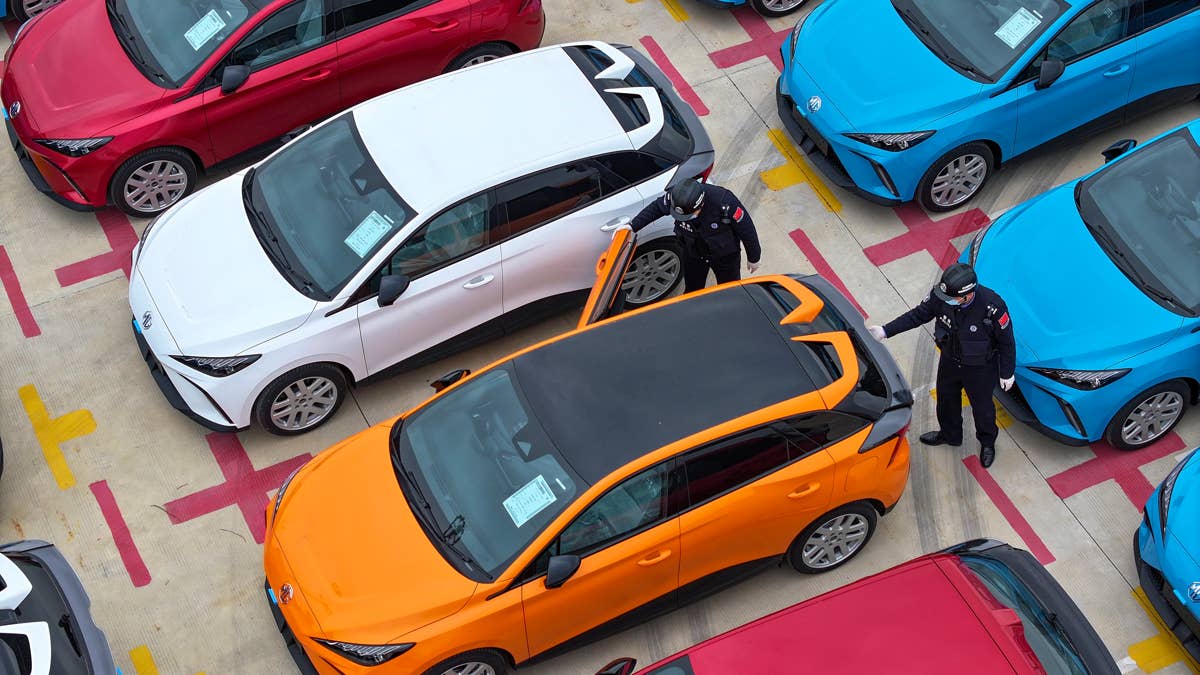
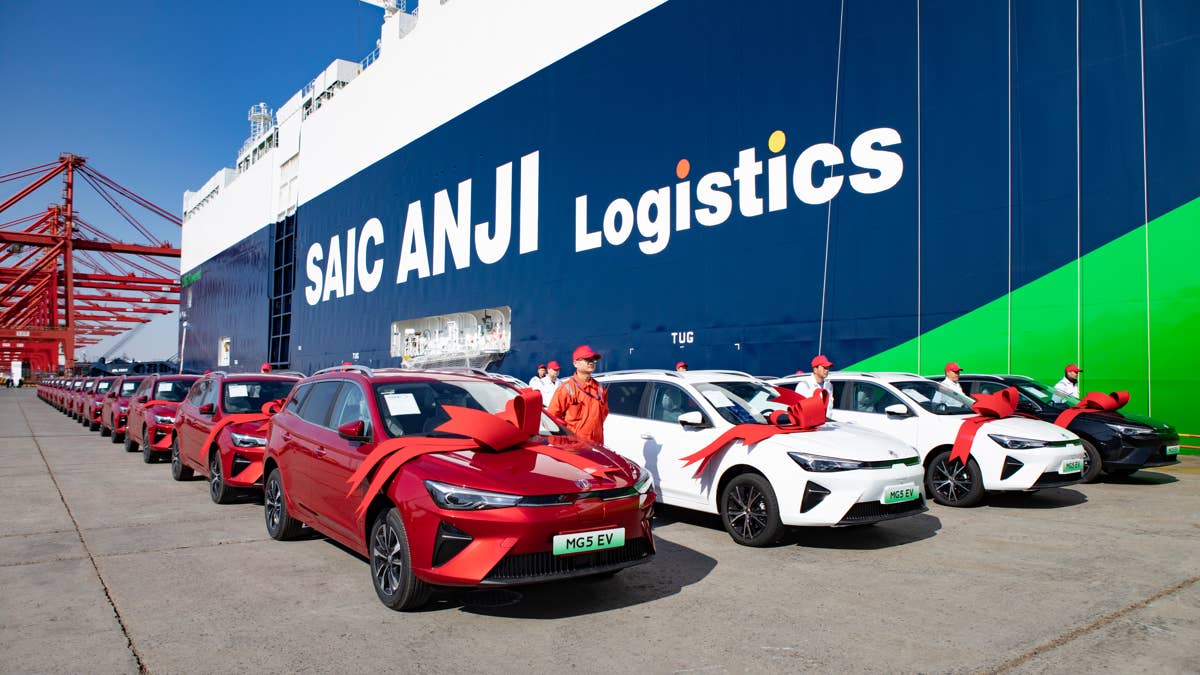
When that time comes, we could expect the Chinese auto industry to weed out weaker players, either by axing brands or absorbing them into conglomerates. As it is, the domestic market there has slowed, with sales down year on year. China has made millions and millions of cars, but now, the country isn’t big enough for these anymore. That’s one reason the Chinese are so aggressive about exporting their vehicles and planting more flags in different markets.
VCG/VCG via Getty Images