The union’s existing labor agreement with Stellantis expired on September 20, and negotiations to replace it have stalled just as the automaker moves toward selling off the idled Brampton Assembly Plant entirely. “Bargaining remains extremely challenging right now, and we are at an impasse,” Unifor president Lana Payne said. “Therefore, strike action remains a real possibility.”
A Plant Stellantis Already Gave Up On
Chrysler
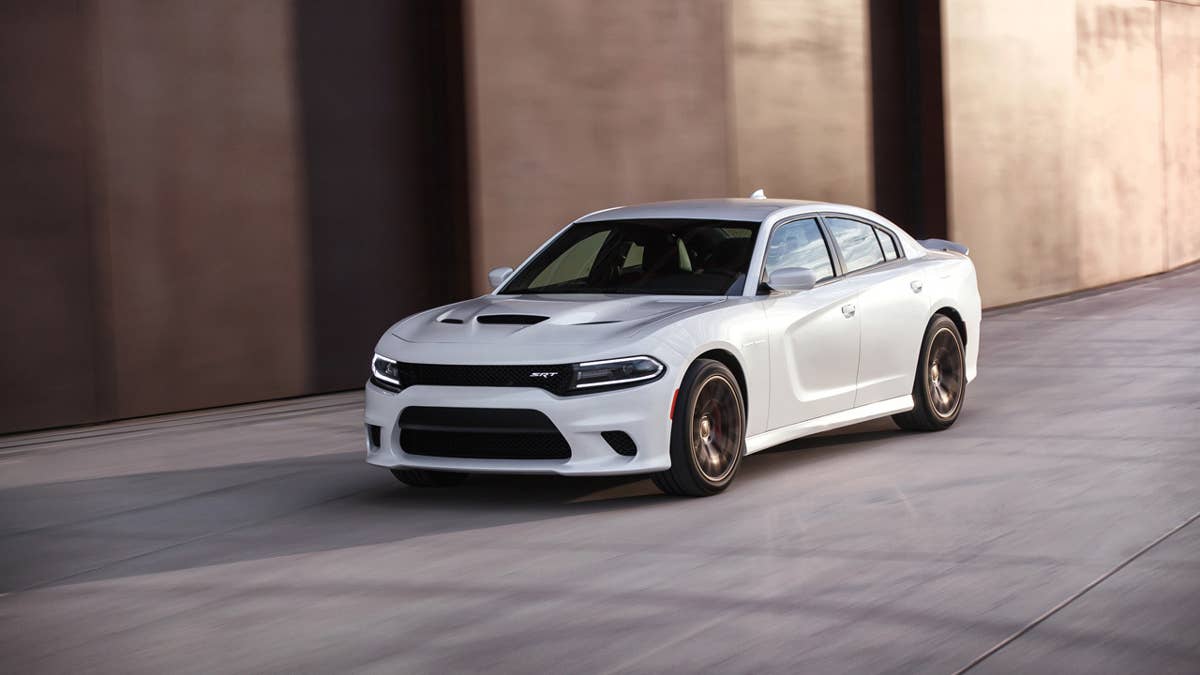
Brampton stopped building cars in late 2023, last producing the previous-generation Dodge Charger, Challenger, and Chrysler 300. Stellantis had originally committed the plant to build the redesigned Jeep Compass as part of its Unifor contract renewal, but shifted that production to a $600 million retooling of its Belvidere, Illinois plant instead, leaving Brampton without a product and its workers without a clear future. According to WSJ, Stellantis Canada CEO Trevor Longley told employees in a letter that the company had exhausted its options: “each option was carefully reviewed (but) none provided a sustainable long-term business case that would support continued operations at the facility.”
A Sale That’s Already In Motion
What’s actually driving the current standoff is a memorandum of understanding Stellantis quietly signed on September 11 with Roshel, a Canadian defense contractor being considered to turn the plant into an armored-vehicle manufacturing site rather than an auto factory of any kind. Payne responded by sending a letter to Canadian Industry Minister Melanie Joly asking her to block the deal outright. Roshel says its plans would create 2,000 jobs and give “first consideration” to former Stellantis workers, but the company is reportedly looking at building just two to three vehicles a day using an existing chassis and powertrain — a fraction of the 500 to 1,000 vehicles Brampton produced daily under Stellantis, a drop steep enough to threaten the local supplier network that depended on that volume.
The Broader Pattern Unifor Is Fighting

Stellantis
This isn’t the first time Unifor has framed Brampton’s fate as a symbol of something bigger. When Stellantis first confirmed the shift to Belvidere, Payne accused the company of sacrificing Canadian jobs to satisfy US tariff pressure, and the union has since had to contend with reports that Chinese automakers Leapmotor and BYD were also asked about taking over the site before Roshel emerged as the frontrunner. A Stellantis spokeswoman told the Wall Street Journal the company remains willing to restart labor talks and wants Unifor to meet directly with Roshel to understand its plans — but with the contract already expired and a strike now openly on the table, the gap between where both sides stand looks wider than a single meeting is likely to close.