- Suzuki unveils 10-year tech roadmap with faster vehicle development.
- Modular e-Axles will be used across BEVs, Series HEVs, and Light REEVs.
- The plan includes a new turbo engine and weight-saving measures.
Suzuki has announced its roadmap for the next decade, focusing on a multi-pathway approach, reduced development times, and increased modularity. The company is working on a new turbo gasoline engine, a mild-hybrid system, and a modular series hybrid family of powertrains which is set to include its first-ever light range extender setup.
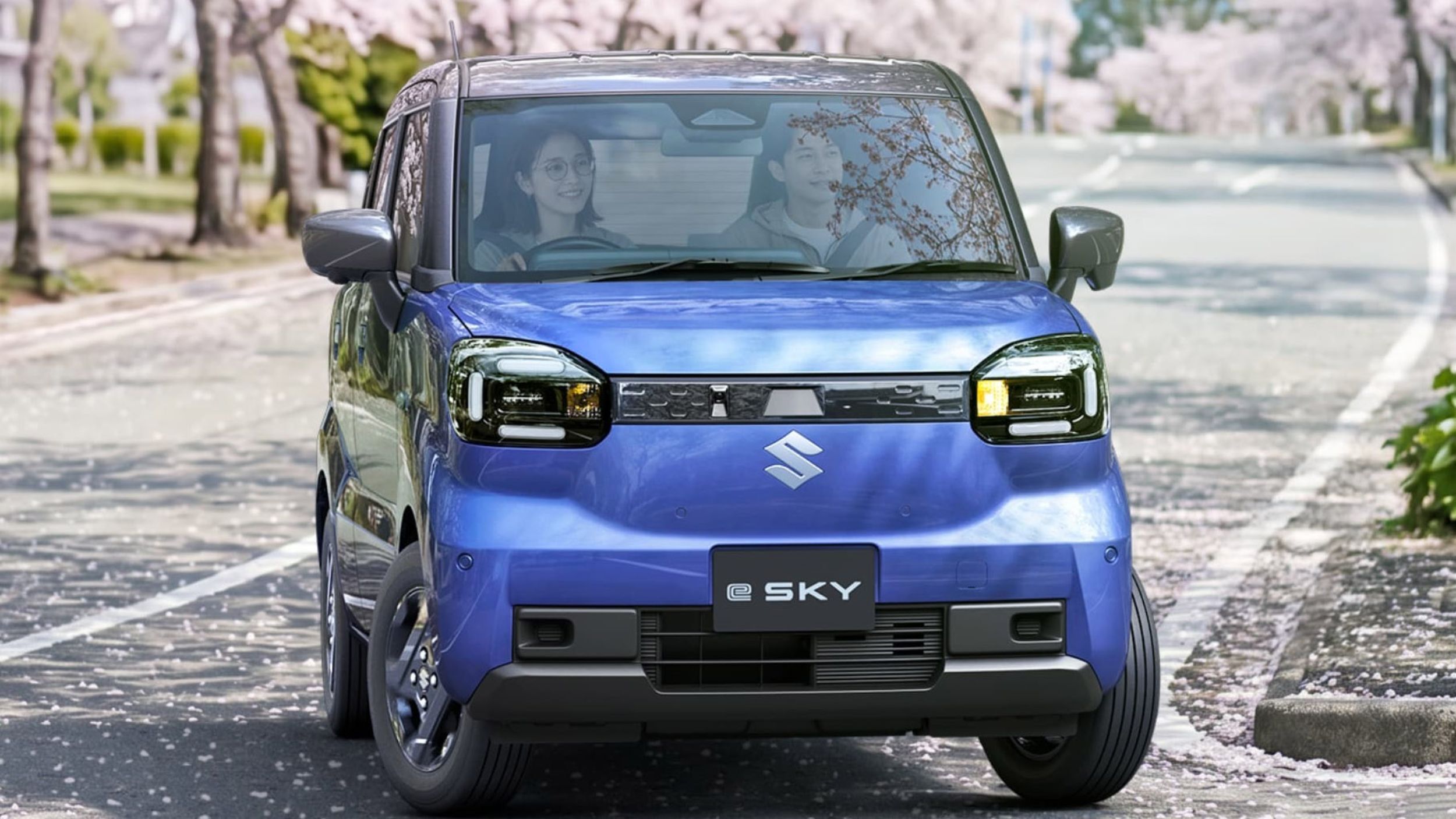
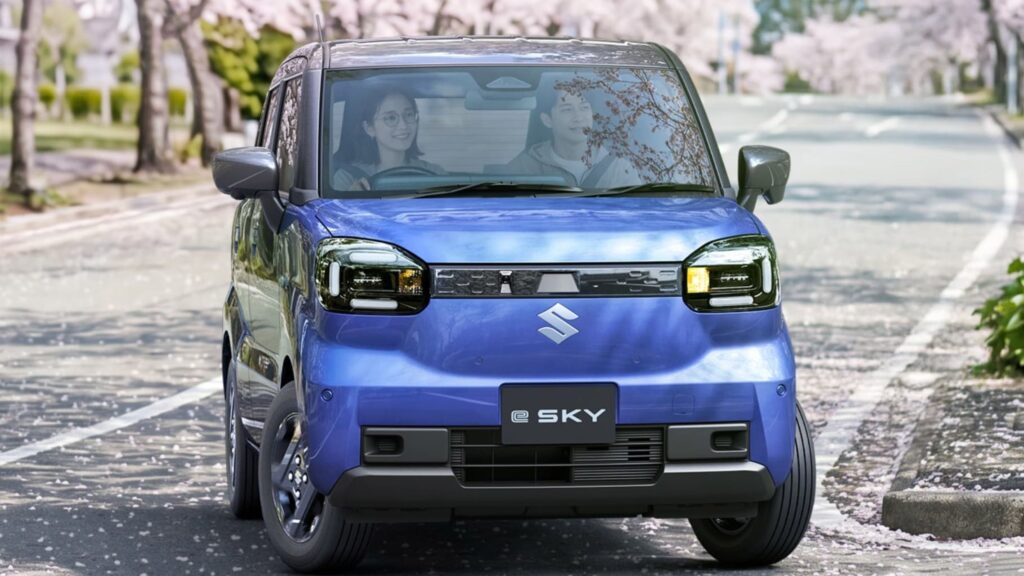
According to Suzuki, the new e-Axle 3-in-1 system used in the fully electric e Sky kei car, will evolve into a modular 6-in-1 unit with the exact same dimensions. This will be shared across BEVs and HEVs, under the “Right x Light Mobile Tech” philosophy, and will also be available in a 10% larger version for subcompact, compact, and midsize models.
More: Suzuki’s New Electric Kei Car Squeezes 193 Miles From A Really Tiny Battery
Urban EVs such as the e Sky will get a 94 hp (70 kW / 95 PS) front electric motor paired with a 13 hp (10 kW / 14 PS) rear motor in 4WD trims.
Larger models will feature a more potent 174 hp (130 kW / 177 PS) primary e-Axle and an optional 40 hp (30 kW / 41 PS) e-4WD unit at the back. Suzuki wants its electric motors to be free of Heavy Rare Earths, improving their recyclability.
Hybrids And Light REEVs
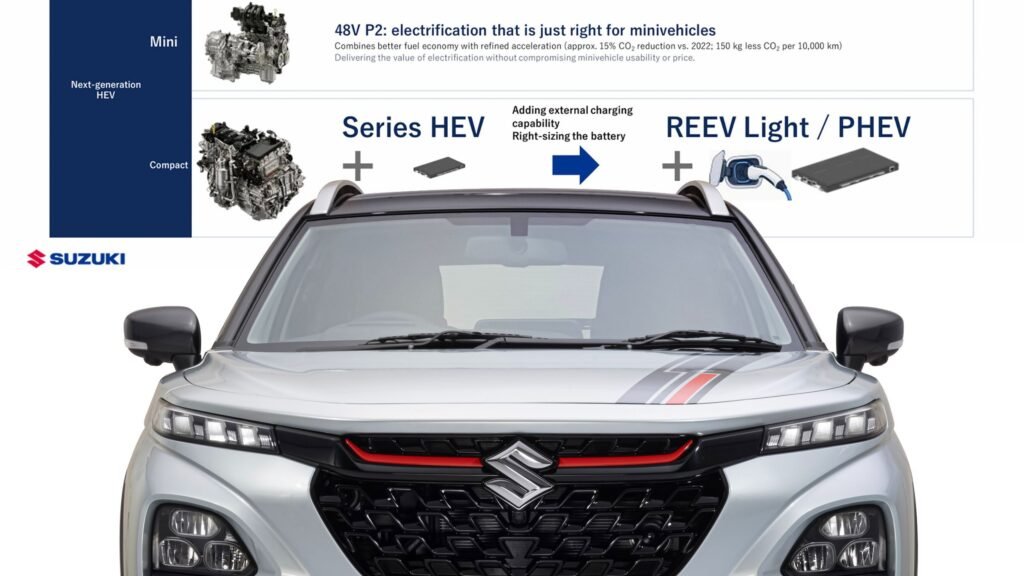
Smaller models will benefit from a new mild-hybrid system, targeting to cut down carbon emissions by 15% which translates to 150 kg (331 lbs) less CO2 for every 10,000 km (6,214 miles). The more advanced Series HEV powertrain targets a 29% reduction, doubling the CO2 savings to 300 kg (661 lbs) per 10,000 km (6,214 miles).
More: Think You Know The Suzuki Alto? There Are Five Different Versions On Sale Right Now
More importantly, in the new Series HEV powertrain which sounds like a successor to the current Strong Hybrid unit, the ICE will be working as a generator. This allows engineers to evolve it further into a “REEV Light” setup by adding plug-in capability and “right-sizing” the battery pack. Suzuki said that its range-extender won’t require an oversize battery, and will combat range anxiety compared to BEVs.
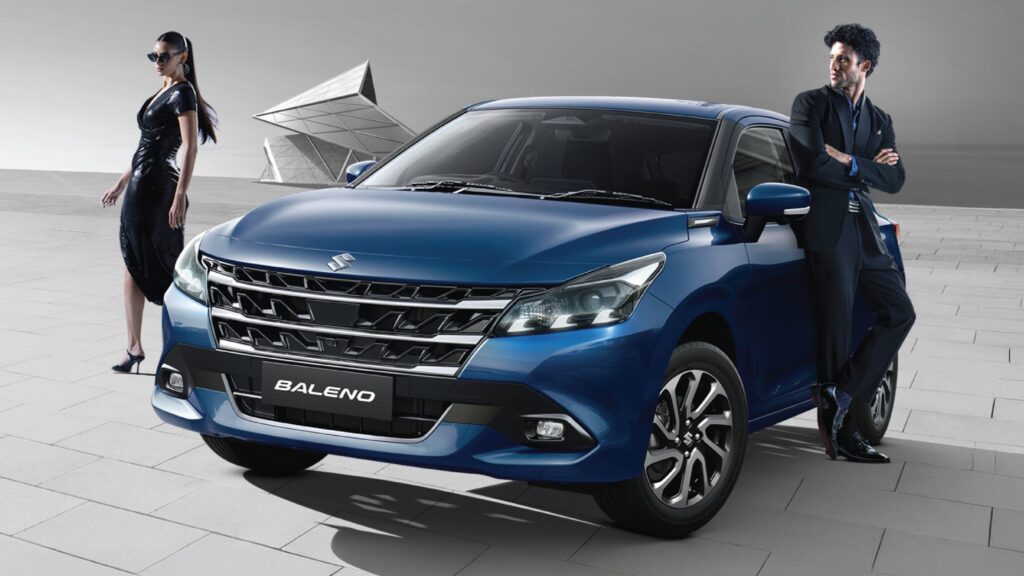
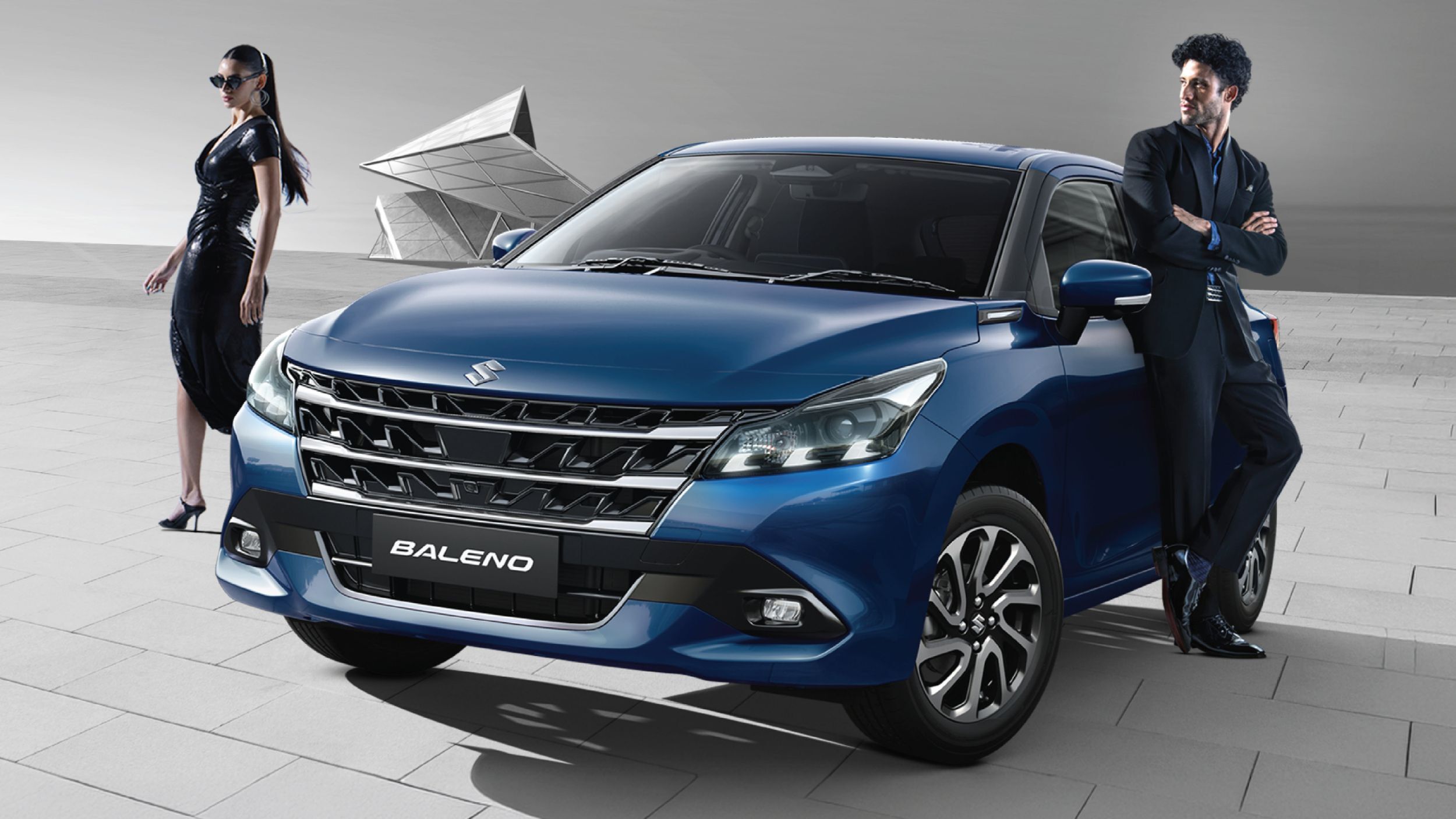
As reported by Autocar India, the smallest Suzuki models to get the upcoming Series HEV system are expected to be the Baleno hatchback and the Fronx SUV. This means that the S-Cross, Vitara, Grand Vitara, and Victoris, are potential candidates.
New Turbo ICE
Despite the focus on modular electrified powertrains, the Japanese automaker remains loyal to combustion power. A new Direct Injection Turbocharged gasoline engine is being developed for markets like India, likely to be joined by a CNG variant.
More: Suzuki’s Decade-Old $6,500 Hatch Loses A Cylinder To Chase Mileage
The long term goal of Suzuki engineers is to improve ICE thermal efficiency from the 40% of the current 1.2-liter Z12E three-cylinder engine to an ambitious 50% on future powertrains. This can be achieved by high-EGR lean combustion, waste-heat recovery, low-viscosity lubricants, nano-carbon materials, and an improved Miller-cycle operation.
Lighter Is Better
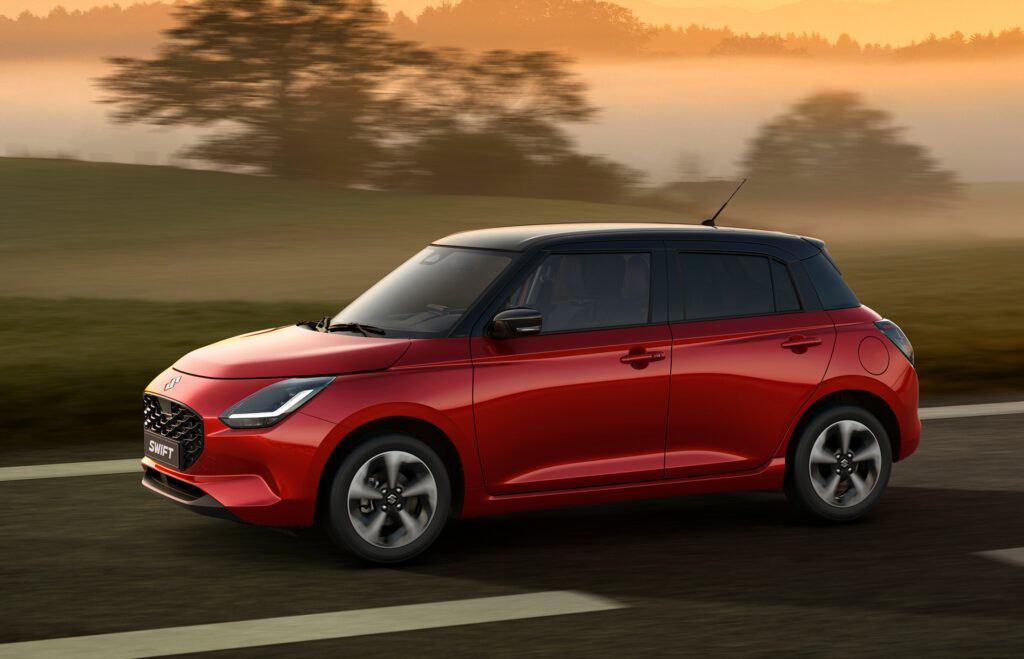
Suzuki is known for producing lightweight cars, and will continue to do so in the future, despite the fact that stricter safety and emission regulations for 2030 and beyond are expected to add 80 kg (176 lbs) to each vehicle. In order to offset these mandatory gains, the automaker plans to reduce weight by 100-120 kg (220-265 lbs) per vehicle across its entire lineup, without compromising safety.
More: Suzuki’s Old Swift Sport Made 138 HP. The New One Makes A Splitter
Engineers went to great lengths for the new “S Light” weight-reduction initiative. Examples include the use of M8 bolts with smaller heads that could save 1 gram per unit across over 2,000 fasteners per car, and utilizing 1,470 MPa ultra-high-tensile steel for crash-critical zones.
The strategy briefing also included the “SDV Lite” term for a simplified Software-Defined Vehicle architecture. As for safety, the company wants to find ways to route heavy masses away from the occupants in the event of a crash, and standardize ADAS across its future lineup. Starting from 2031, a new Central Zone ECU will slash electronic costs by 30% and module weight by 15%.
Faster Development To Fight The Chinese
Another important element of the future roadmap is development times. Suzuki wants to halve them to 24 months by 2030, matching the fast-paced cycles of Chinese automakers. The plan includes boosting development efficiency by 30% and production efficiency by 50% at the Manesar plant in India, by using digital tools and modular components.
Finally, the company has announced its goal of increasing its annual manufacturing capacity in India to 4 million units by 2030.
Suzuki