- A lawsuit claims GM’s CVT issue can trigger a complete loss of motive power.
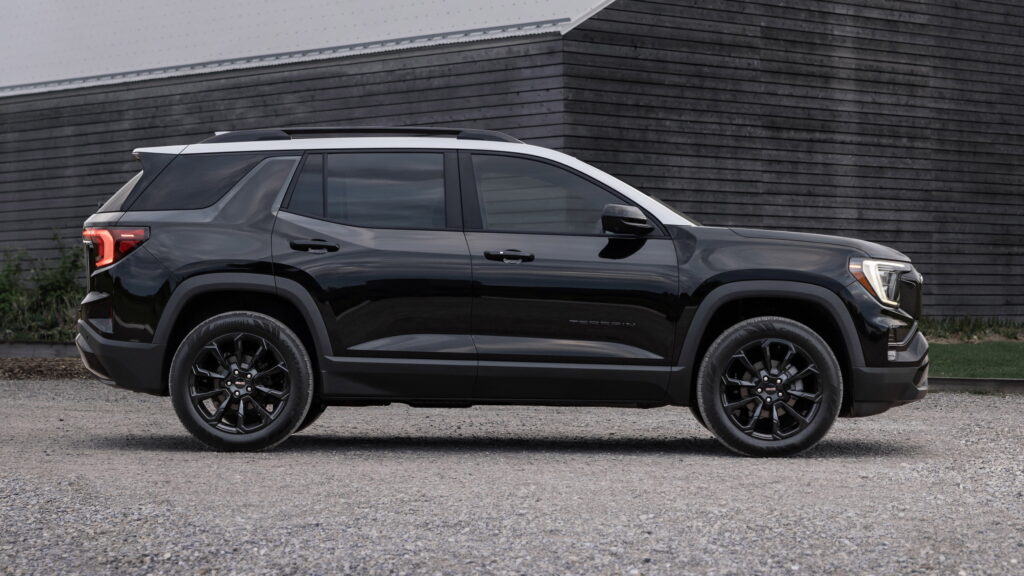
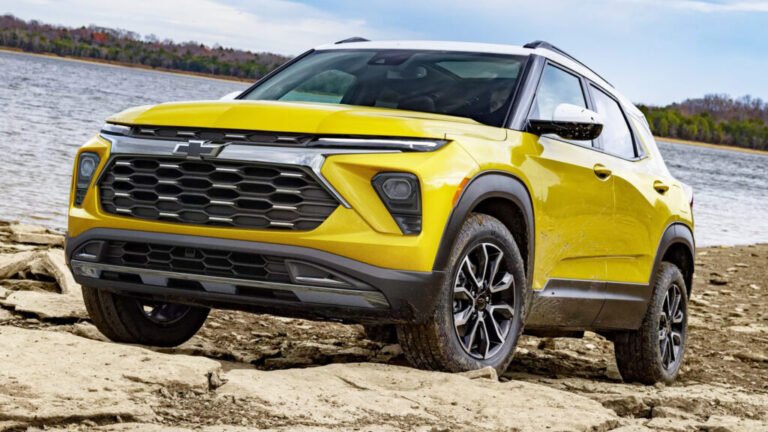
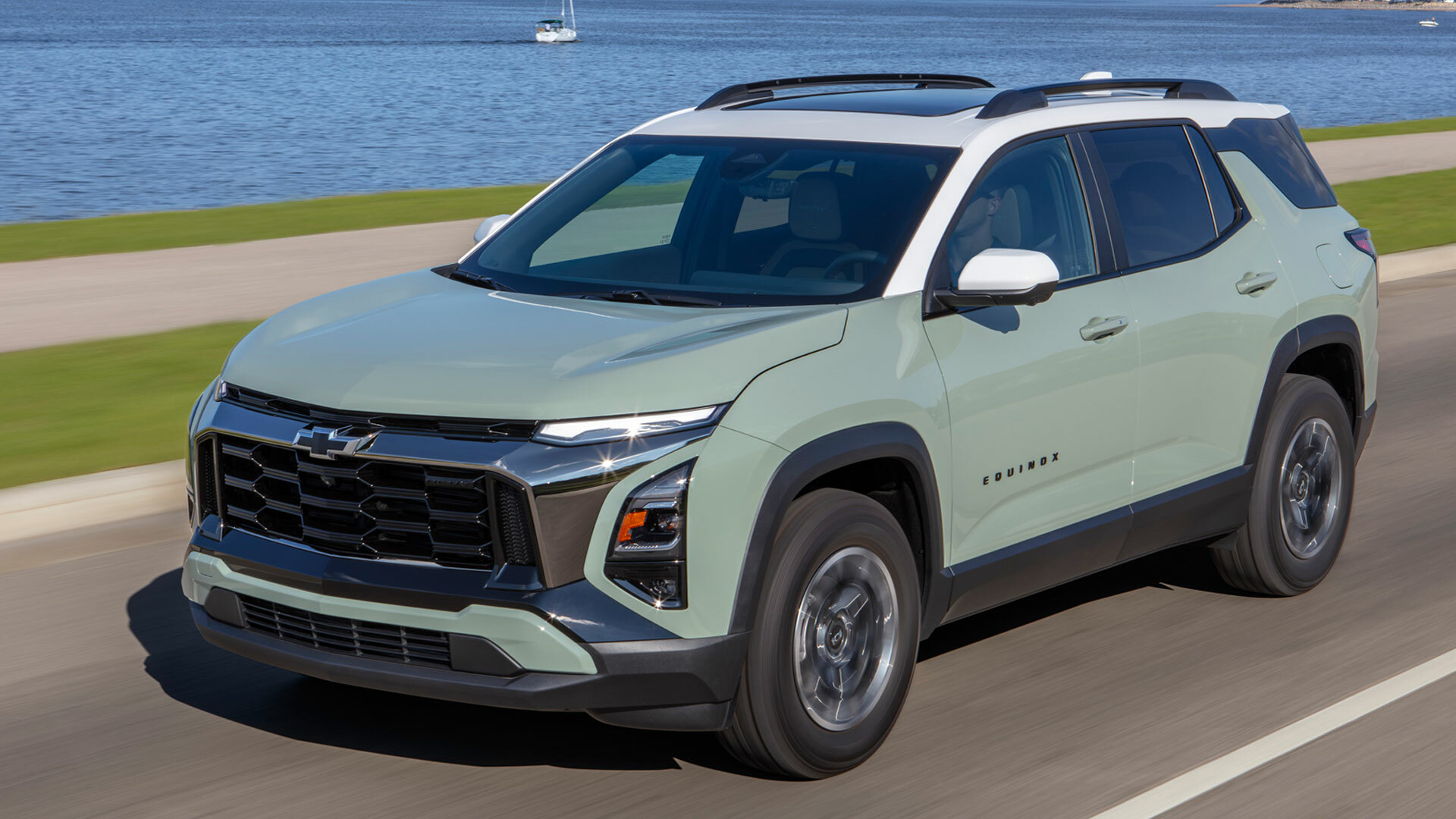
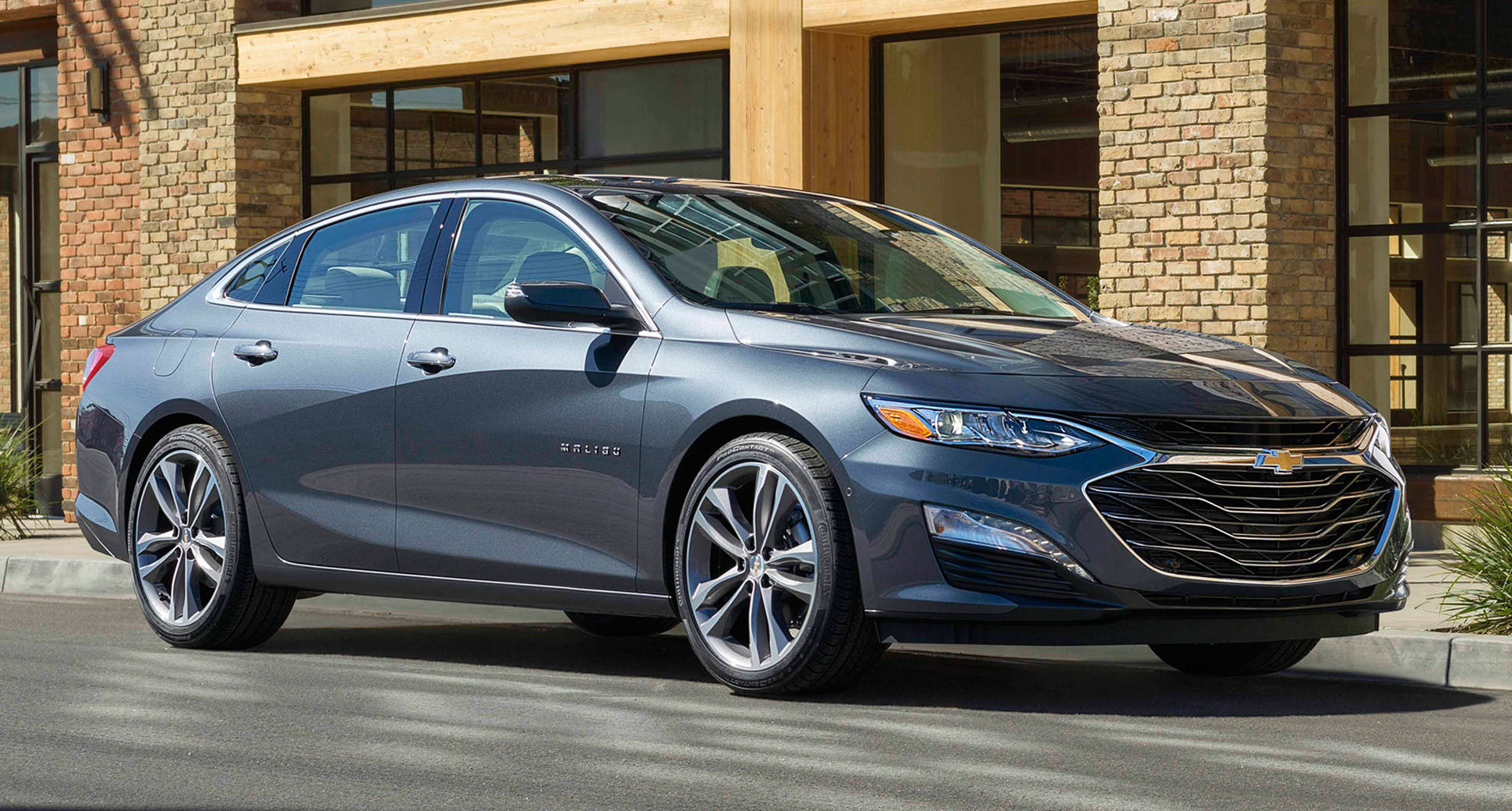
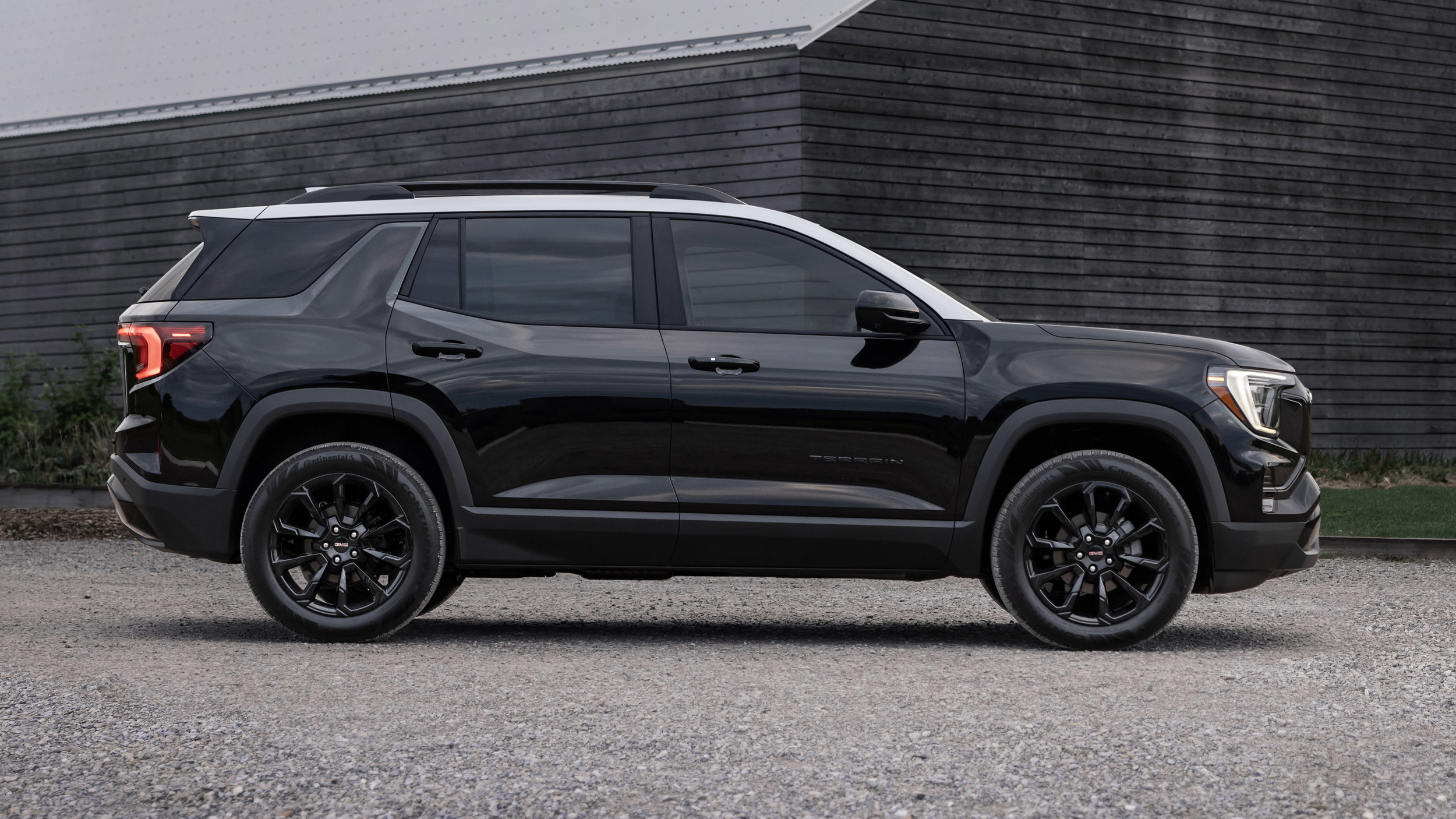
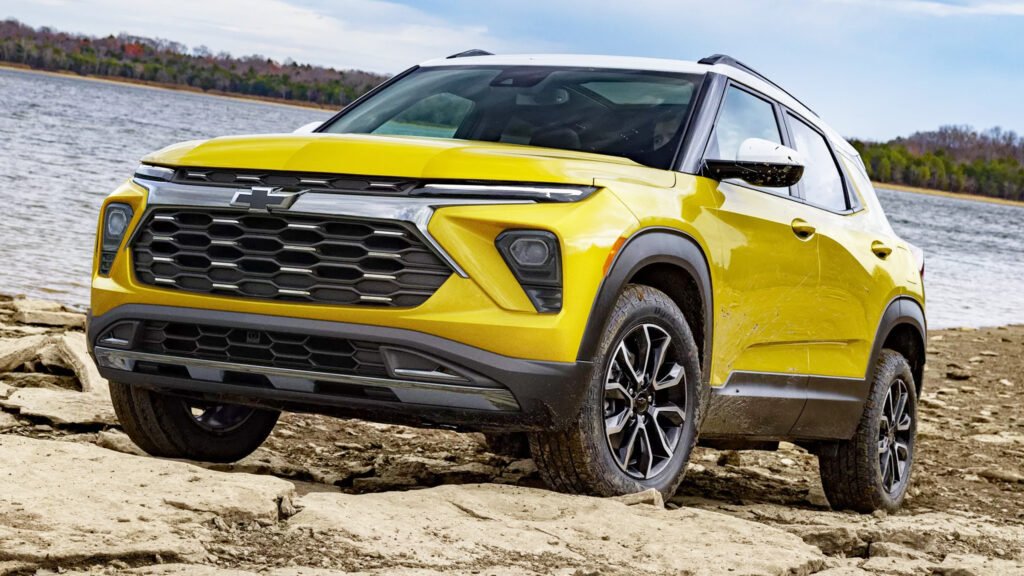
- The Chevy Malibu, Trailblazer, Equinox, and GMC Terrain are named in the lawsuit.
- At least 358 complaints over GM’s CVTs have been made with NHTSA.
Many people hate continuously variable transmissions, which add nothing to the driving experience, are often costly to repair, and create an unpleasant drone. For General Motors, the CVT found in several of its models is now the subject of a proposed class action lawsuit.
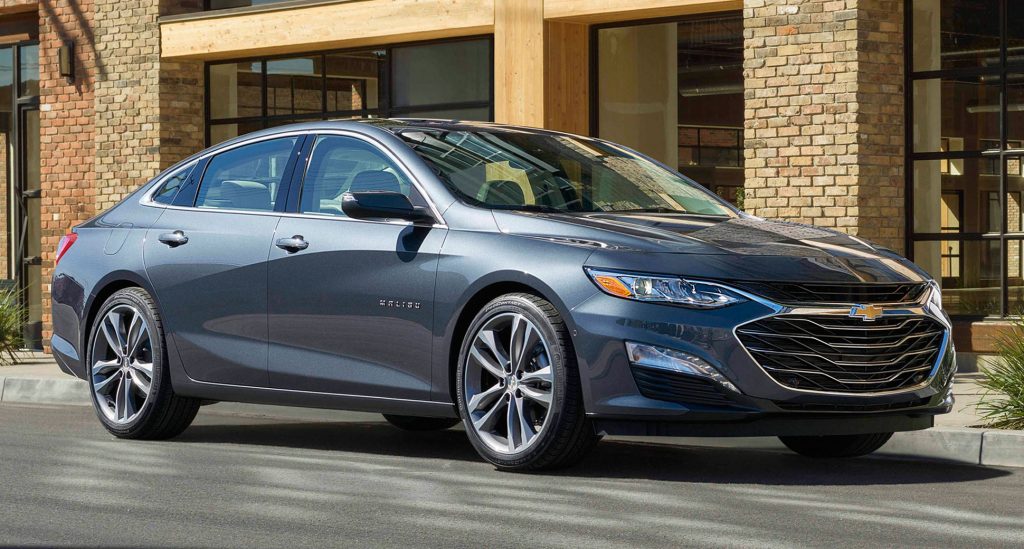
The lawsuit, filed in Delaware earlier this month, claims that 2019-2025 Chevrolet Malibu, 2021-2025 Chevrolet Trailblazer, 2024-present Chevrolet Equinox, and 2024-present GMC Terrain models use a CVT with a defective clutch regulator, valve body, drive chain, pulleys, and bearings.
Read: GM Faces Massive Lawsuit After Tens Of Thousands Of Complaints Over Its V8
According to plaintiff John Williams, CVT issues create slipping, shuddering, and juddering in impacted vehicles. The suit even claims a defective CVT can lead to the “sudden and complete loss of motive power” while an affected GM product is being driven.
Plaintiff Says Issues Started At 7,000 Miles
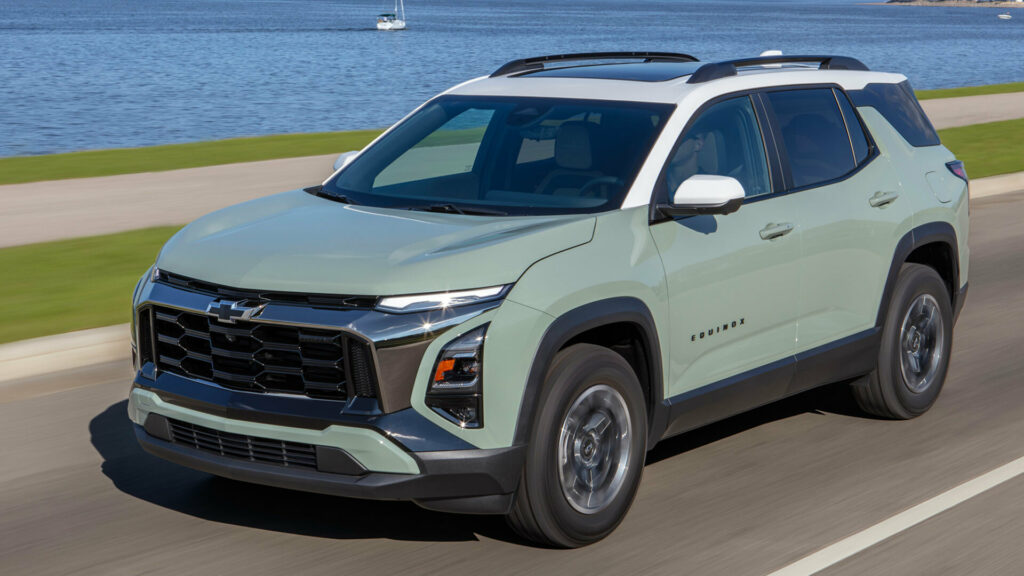
Williams purchased a new 2025 Chevrolet Equinox in October 2024 from Epic Chevrolet in Sacramento, California. At approximately 7,000 miles, he says he started noticing rough shifting and delayed acceleration caused by the CVT. Williams alerted his local dealership to the issues after roughly 14,000 miles. Rather than diagnosing any problems with the CVT, the dealer said the Chevy’s front axles were defective, so they were replaced. Williams says the CVT issues continued after that.
The lawsuit, which wants to represent all impacted owners and lessees of applicable GM models in California, says there have been 358 complaints filed with the National Highway Traffic Safety Administration (NHTSA) about CVT issues in Chevy Malibu, Trailblazer, Equinox, and GMC Terrain vehicles. Yet, it claims GM hasn’t done anything to remedy the concerns.
It’s alleged that GM has known about the risk of premature CVT failures since 2021, if not earlier, and that it has actively tried to conceal the fault, telling dealers to instruct owners that their vehicles are “operating normally” or “operating as intended.” Several technical service bulletins and preliminary information bulletins have been issued, but the lawsuit says they have failed to adequately address and fix the faults.
The plaintiff is seeking a jury trial and compensatory, exemplary, and statutory damages, including interest, as well as an award of attorneys’ fees and costs.