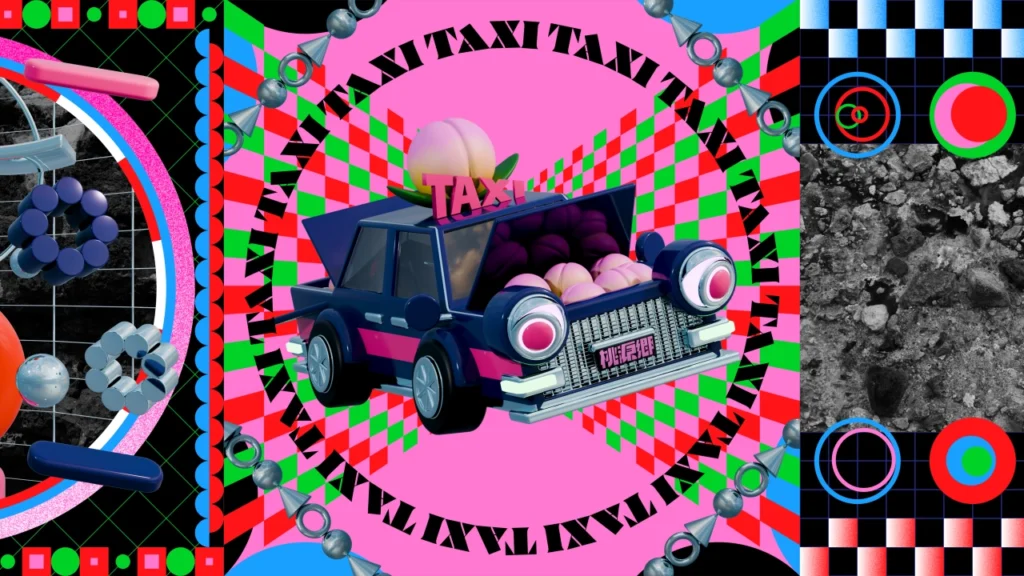
The Tokyo-based designer and video artist lets us in on their journey and the process behind making music videos, posters and 3D-printed figures.
There’s no right or wrong way into the industry. Some may land an internship, others may get a foot in the door at a studio, and others – like Tamura Ikuho – may dive straight into freelancing. “I have never worked within a design studio or advertising agency,” they say. “Instead, I have continued to work in relatively independent environments since the early stages of my career. This has allowed me to avoid limiting my practice to a specific discipline and to gradually expand the scope of my work by incorporating new forms of expression and technologies that capture my interest along the way.”
Tamura was born in Ehime, Japan, studied graphic design at a university in Hiroshima and moved to Tokyo after graduating. Early on, they focused primarily on printed matter, but before long they started to receive more opportunities to create digital flyers for club events, “My interest gradually shifted towards digital expression and motion,” they say. Over the past few years, that has grown into music videos, teaser films, 3D-printed figures and VJ performances.
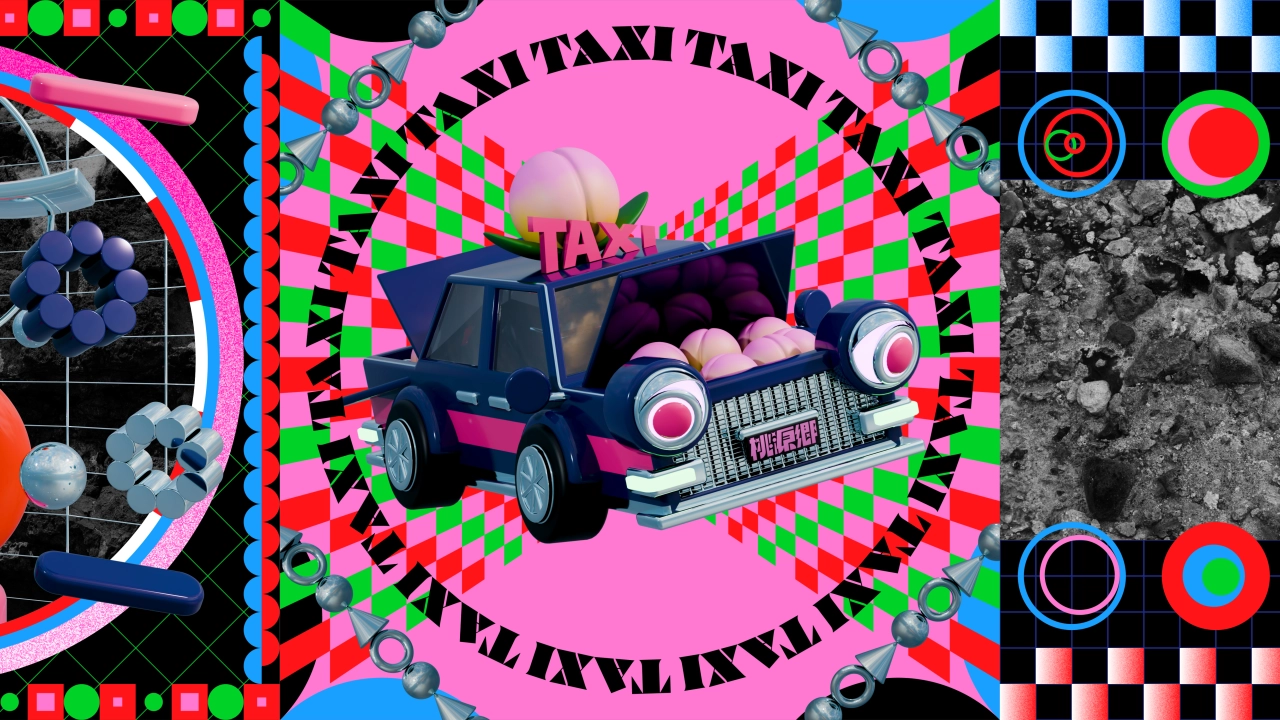
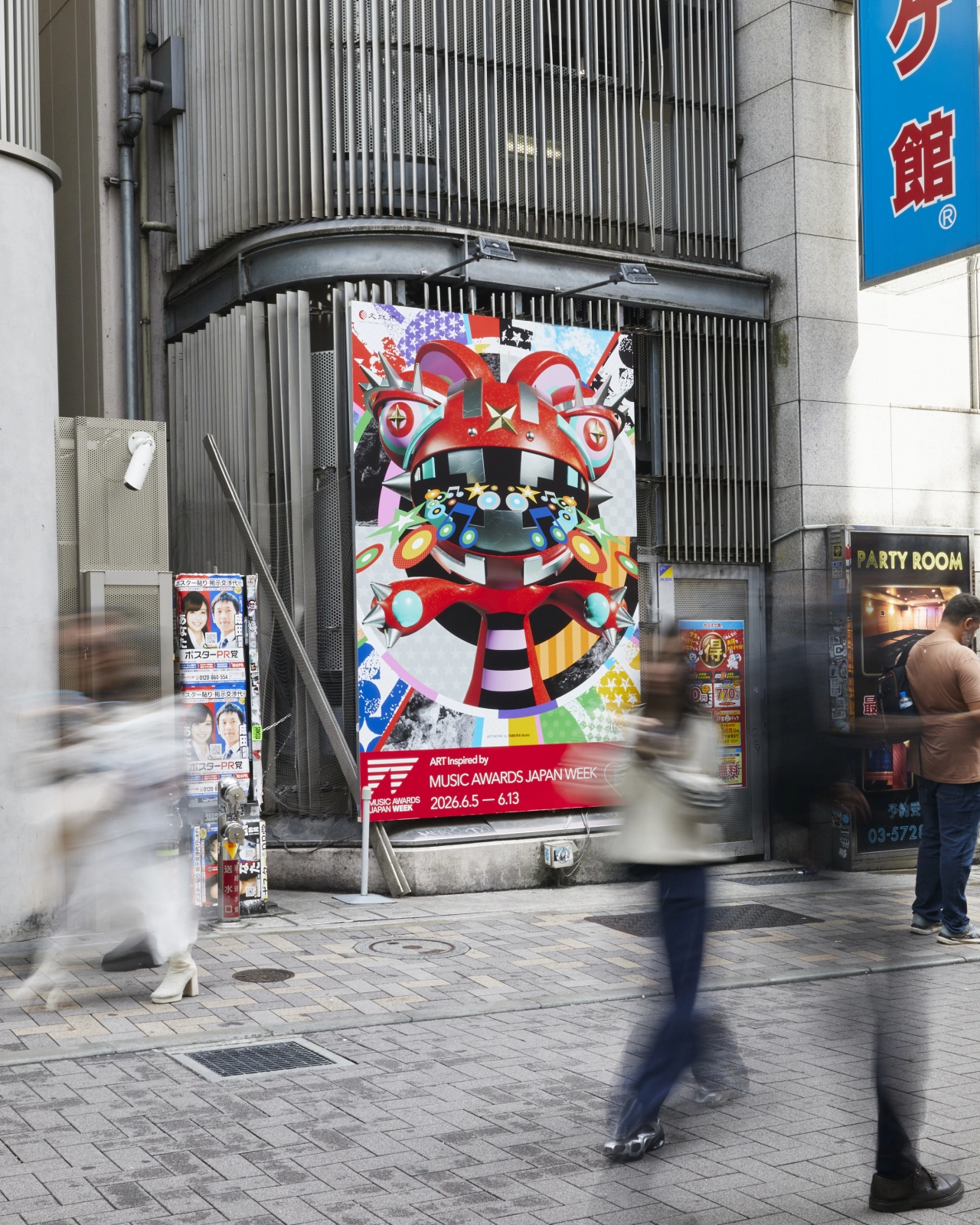
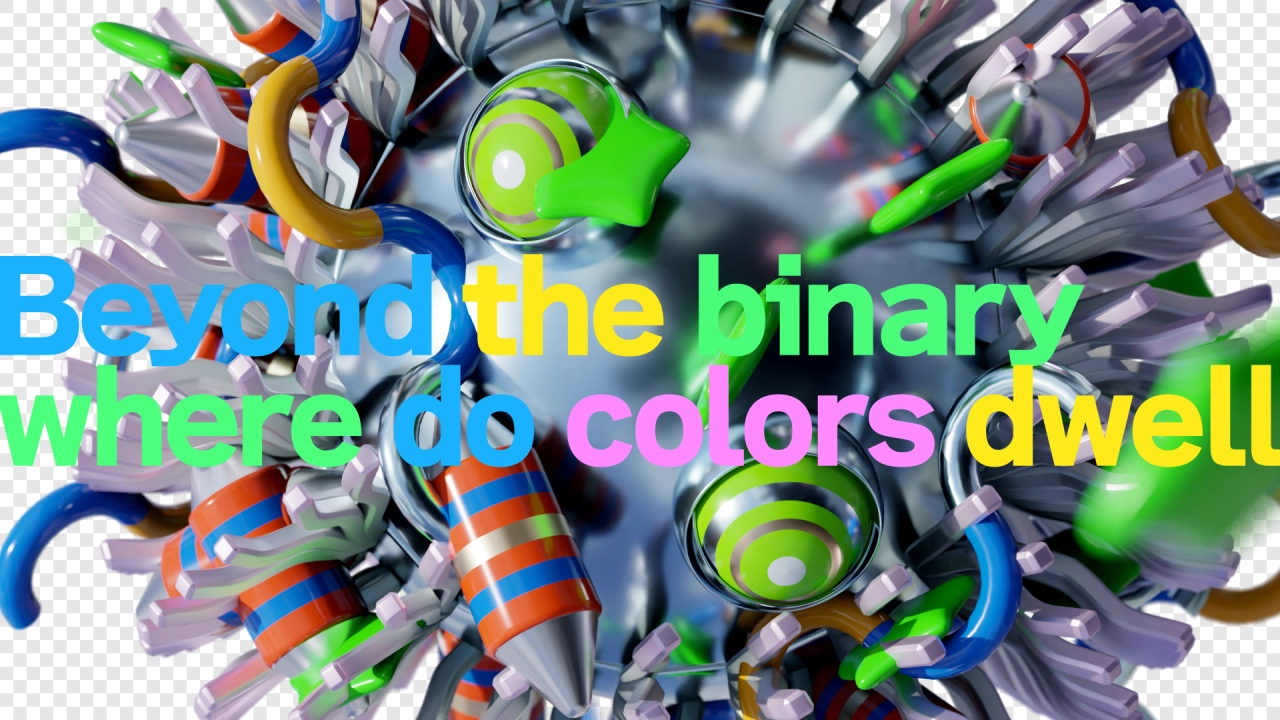
Tamura’s sources of inspiration have changed, too. Tamura used to scroll through their phone for ideas, but now, they find the feed too samey. “With the way social media algorithms work today, people around the world are increasingly exposed to similar information and visual content,” they explain. “I encounter fewer unexpected discoveries and moments of genuine excitement than I used to.” As a result, Tamura goes outside to look at things instead, visiting aquariums and zoos and watching nature documentaries about the shapes and movements of animals. “I value going to places in person, seeing things with my own eyes, touching them and discovering something unexpectedly along the way.”
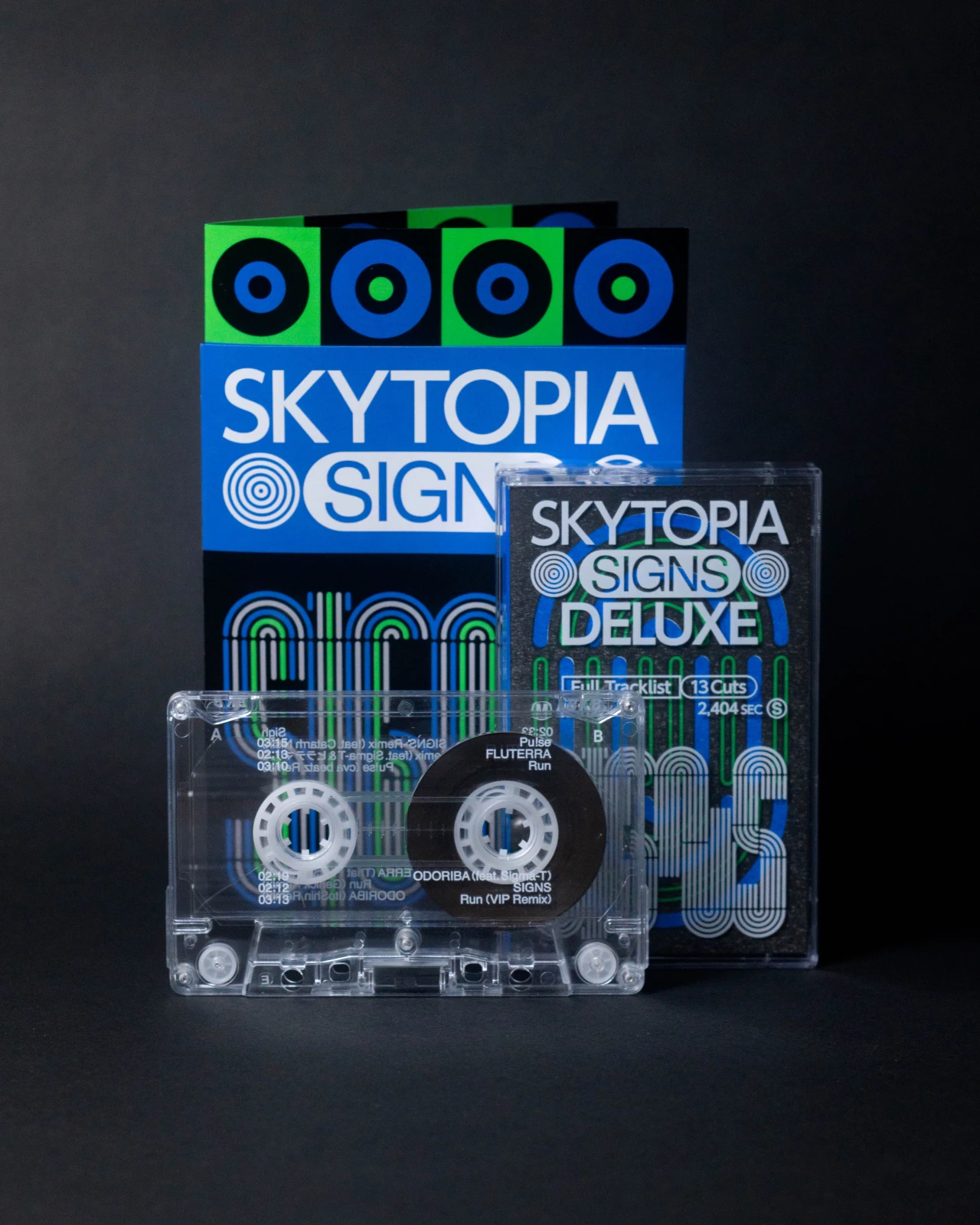
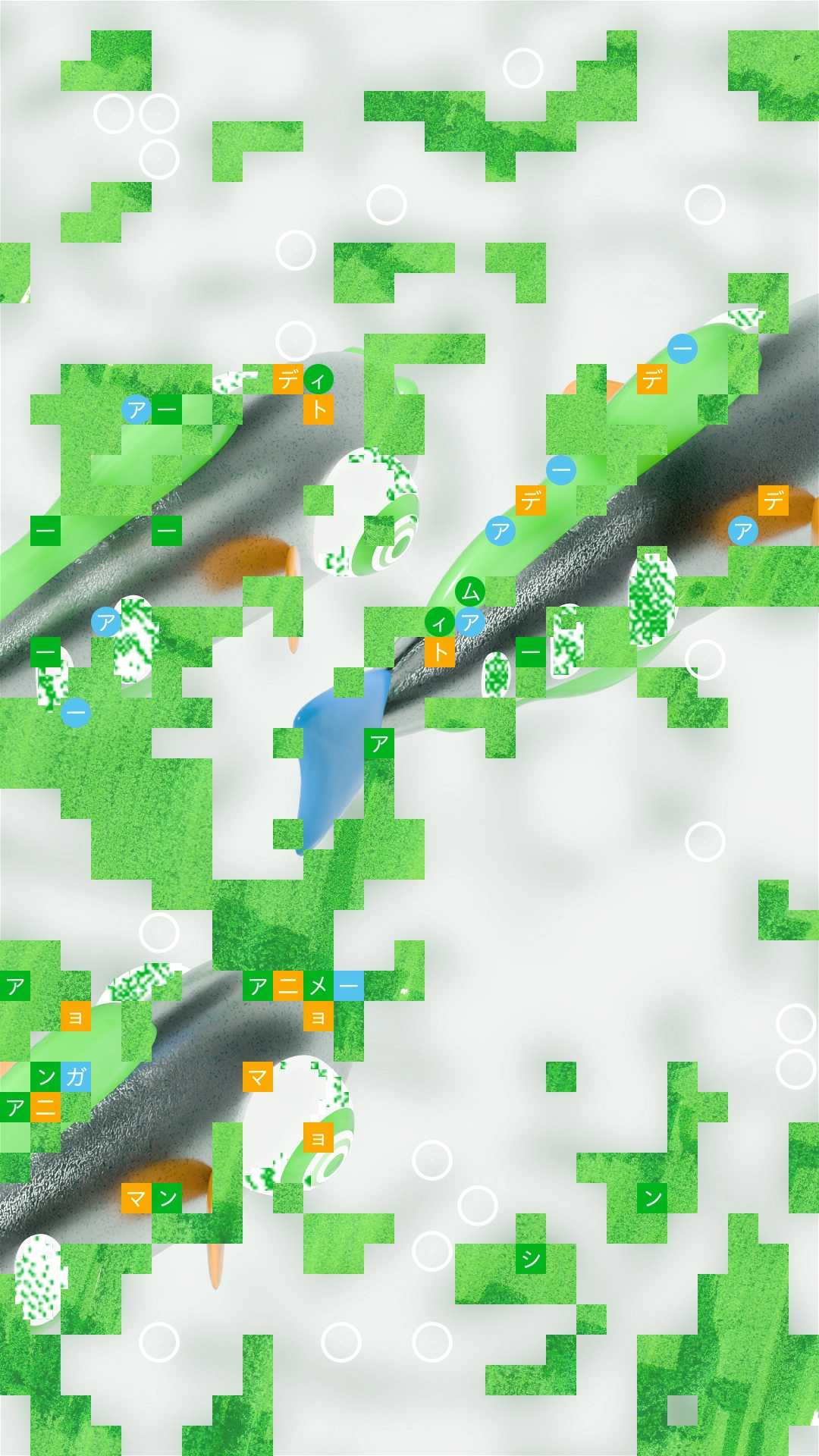
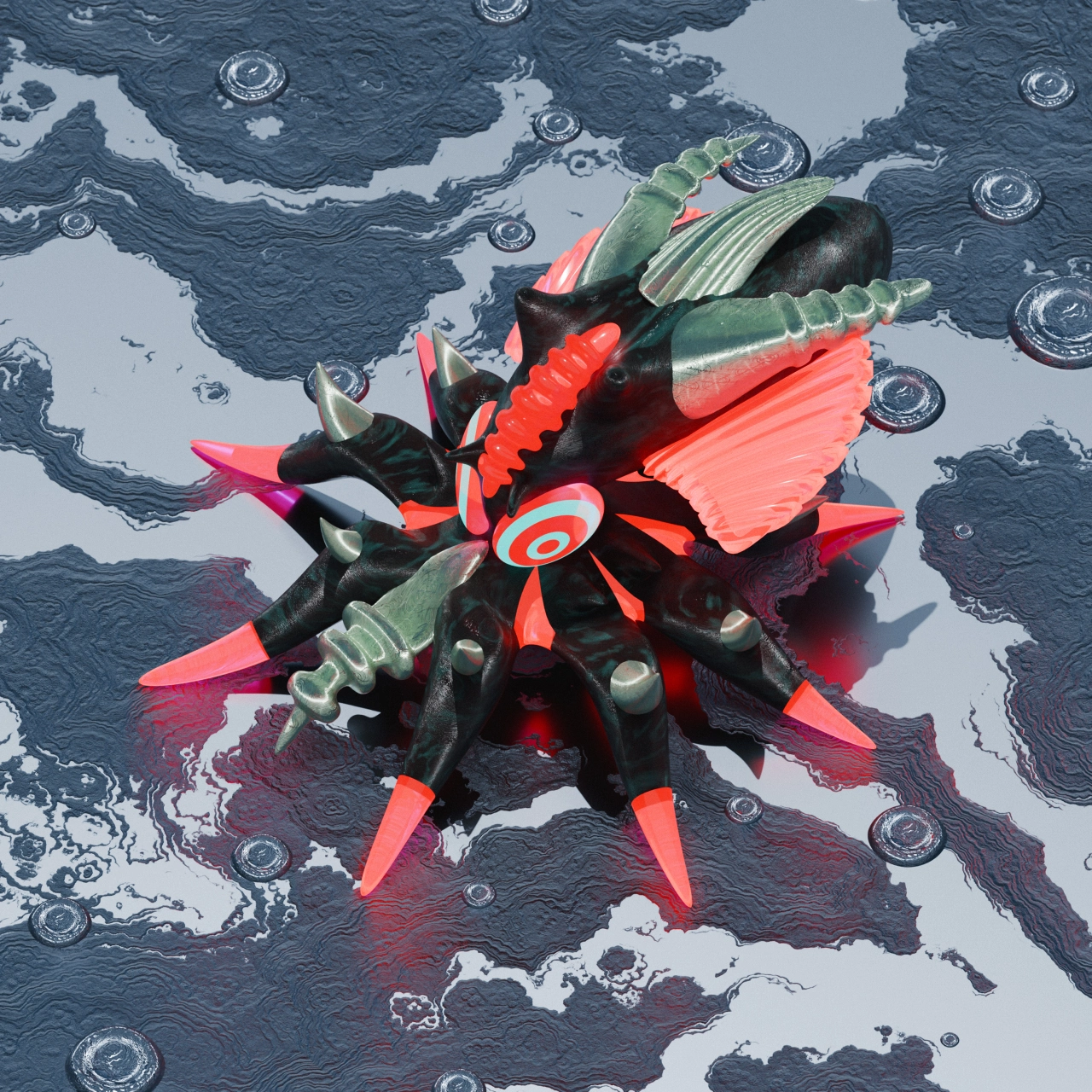
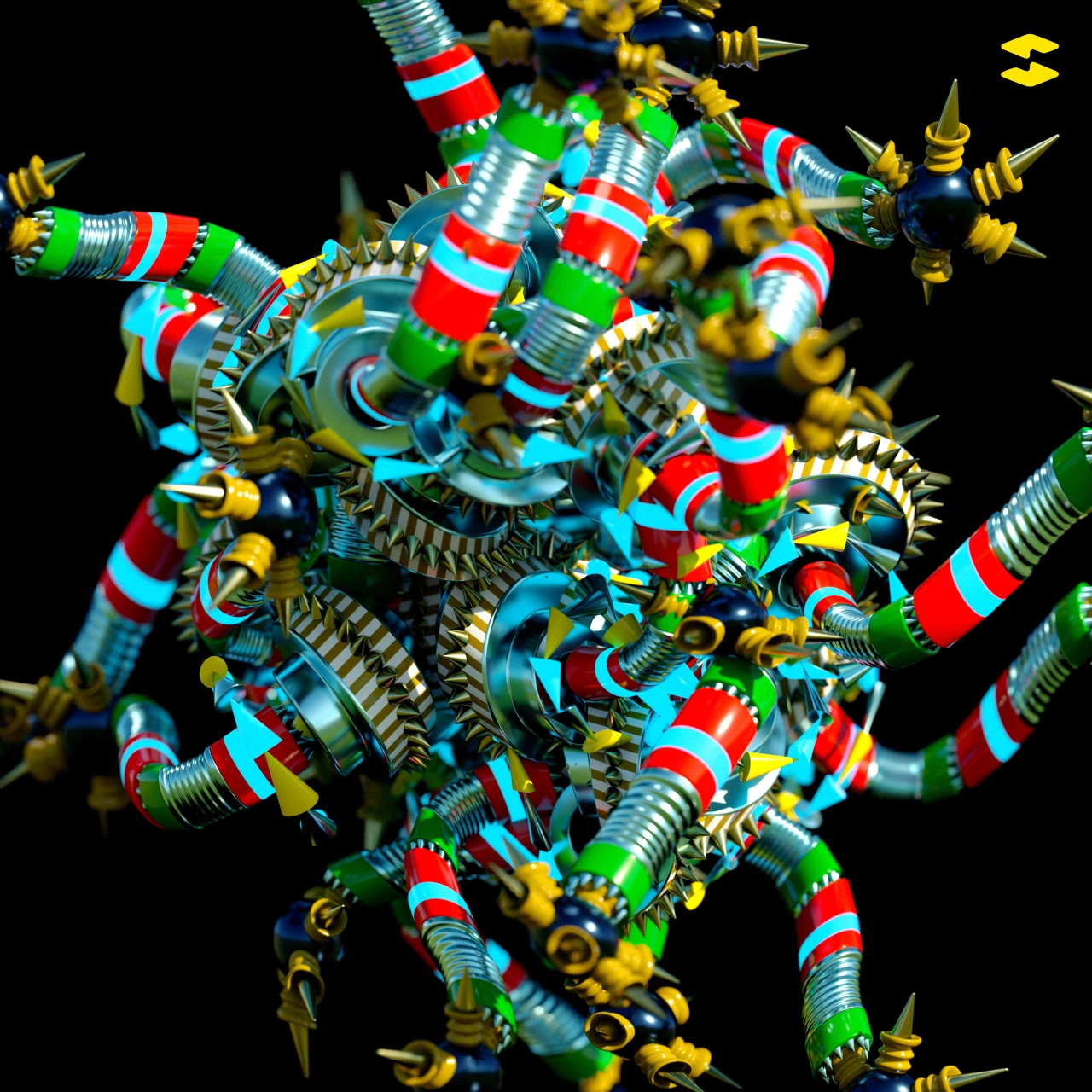
All of that goes straight into the work, and is the reason behind the crafty, wacky, nature-inspired subject matter. You’ll see animated creatures crawling through the screen – characters including beetle-like bugs with netted blue and green domes scuttling across a glossy rainbow ground in the video Rain, for Tokyo-based electronic producer and DJ Skytopia. Tamura has worked on numerous projects as an art director, video director and designer for the artist, including creating a spiked red-and-black creature sitting on rippling, rain-pocked water for Pressure. On the cover for Skytopia’s Pulse Remixes, a tangle of striped, studded limbs writhes against a stark black background. A black cassette box in blue, green and yellow sits behind a clear tape for Signs (Deluxe), with geometric patterns and an almost Bauhaus-looking choice in typography for the tracklist title.
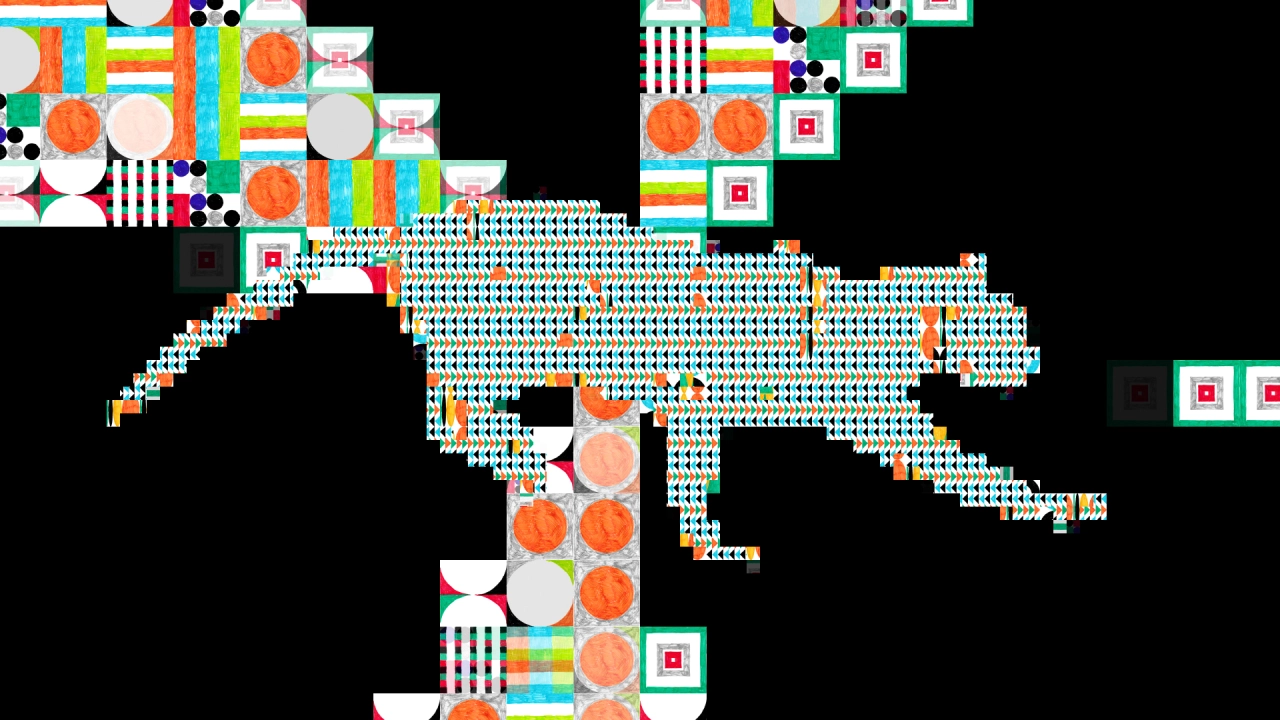
For the music video Run, again created for Skytopia, Tamura draws on Eadweard Muybridge’s sequential photographs of motion. A running animal is built from a mosaic of patterned tiles on black, a look that nods to pixel art and ASCII art, but Tamura drew the building blocks by hand. “I chose to create the fundamental visual modules of the piece – such as the shapes that make up a single ‘cell’ and the movements of animals – through analogue drawing techniques.” It screened at the Belgium music festival Pukkelpop and was nominated for a 2025 International Creative Award.
Tamura’s process is fast and hands-on, tackling everything from logos and 3D modelling to visual coding in TouchDesigner. “I try to turn the image in my head into something tangible as quickly as possible and create a prototype,” they say. “It is only at that point that I can really evaluate for myself whether the idea works as an original and compelling visual.” Sometimes the prototype is on the table at the first client meeting, because “having something concrete to look at makes it much easier to move the conversation forward”. When Tamura brings in collaborators for sound design or live-action shooting, the budget is open, and the fees are fair, because “better work emerges when everyone involved in a production is able to approach the project from a positive and healthy position”.
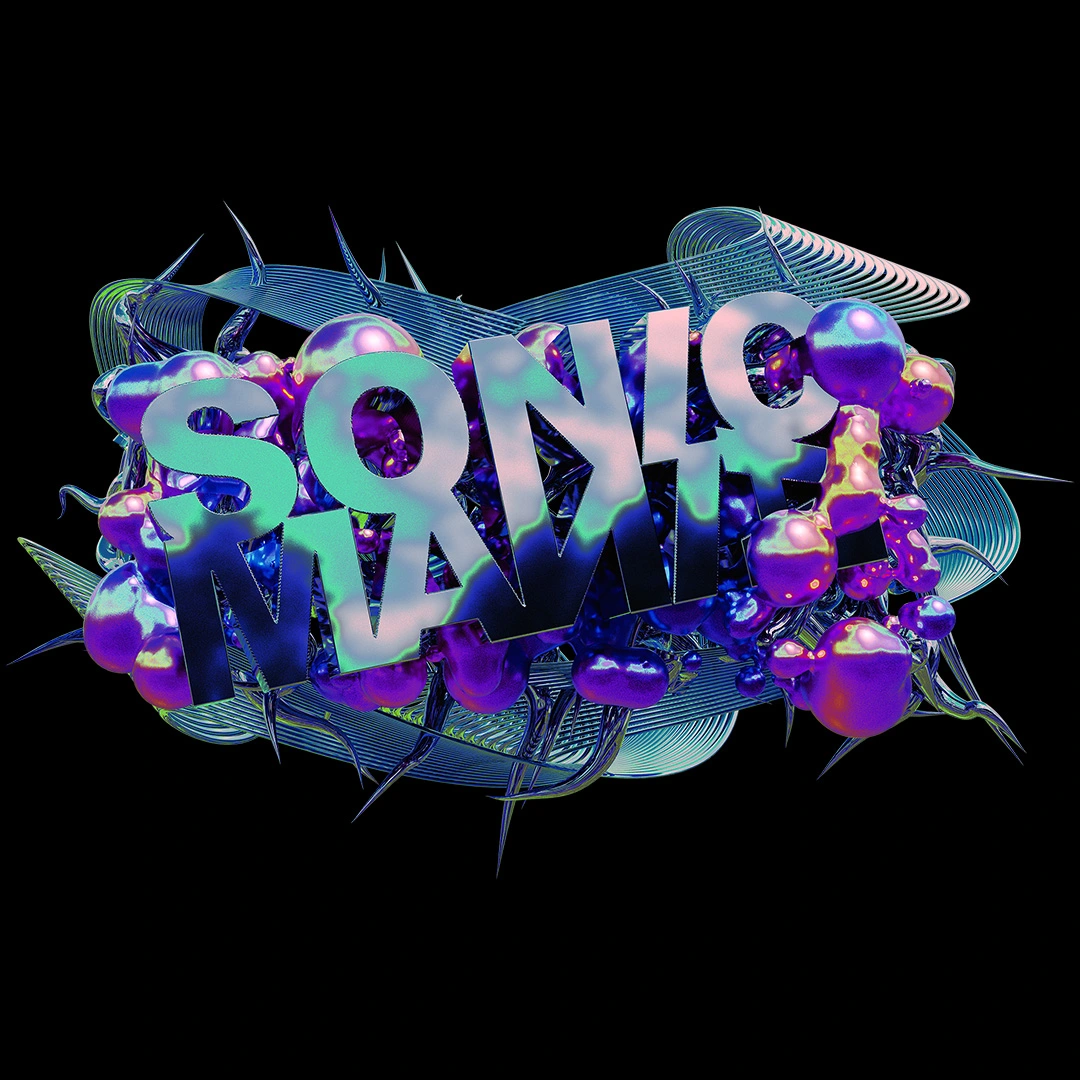
Tamura has heard some criticism, with some people asking: “Why is a graphic designer making moving image?” And some people have said that working alone is “not sustainable”. Tamura answers: “If my creative practice grows to a point where working alone is no longer realistic, then I can find a new way of working when that time comes.” For now, Tamura treats the whole practice as a “puzzle that I am putting together throughout my life” – and hopes viewers will look at the trial and error behind the finished pieces.
“If someone encounters my work and feels inspired to try something new themselves, or gains even a little courage to pursue something they truly believe in, then I think that is what I ultimately want to communicate.”