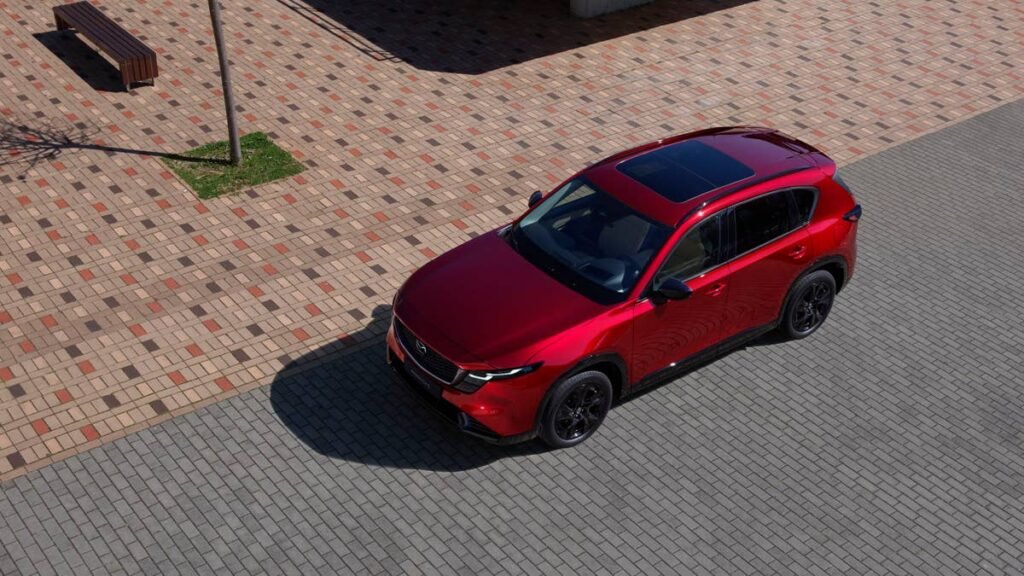
Rising Demand
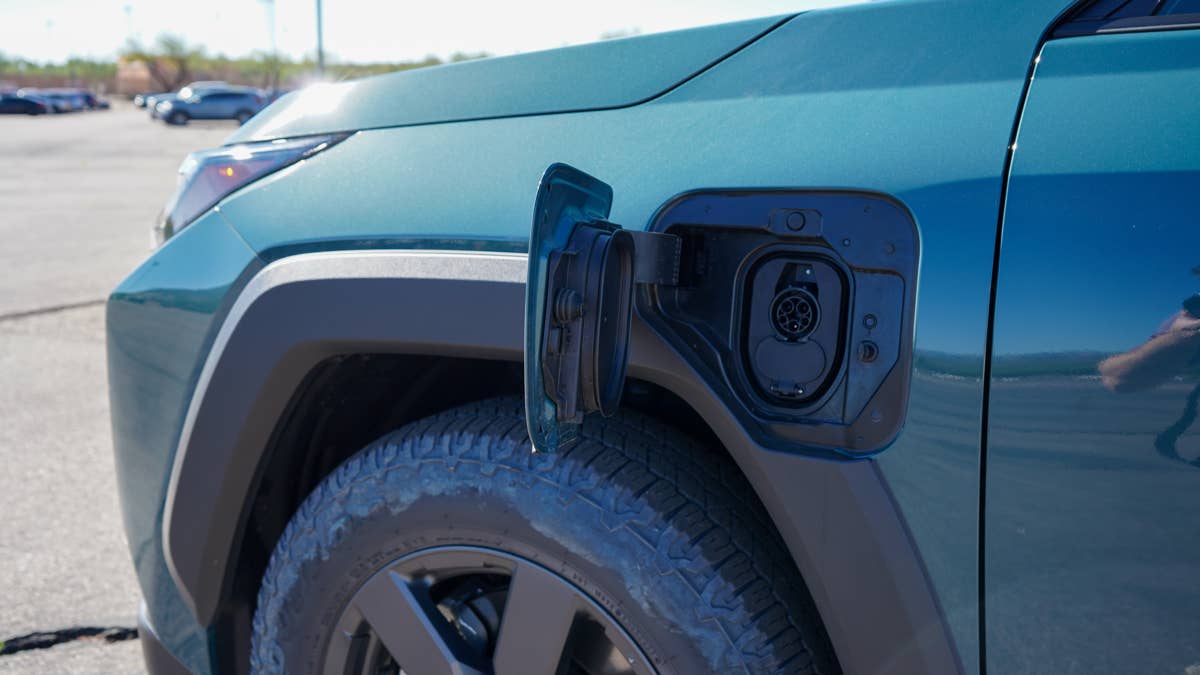
Plug-In Hybrids (PHEV) are becoming the preferred powertrain for most new car buyers who want the flexibility; they feature the best of both worlds in terms of ICE support but offer better savings with true EV capabilities and range. Most automakers are trying to come out with their own versions in order to get a slice of the PHEV pie.
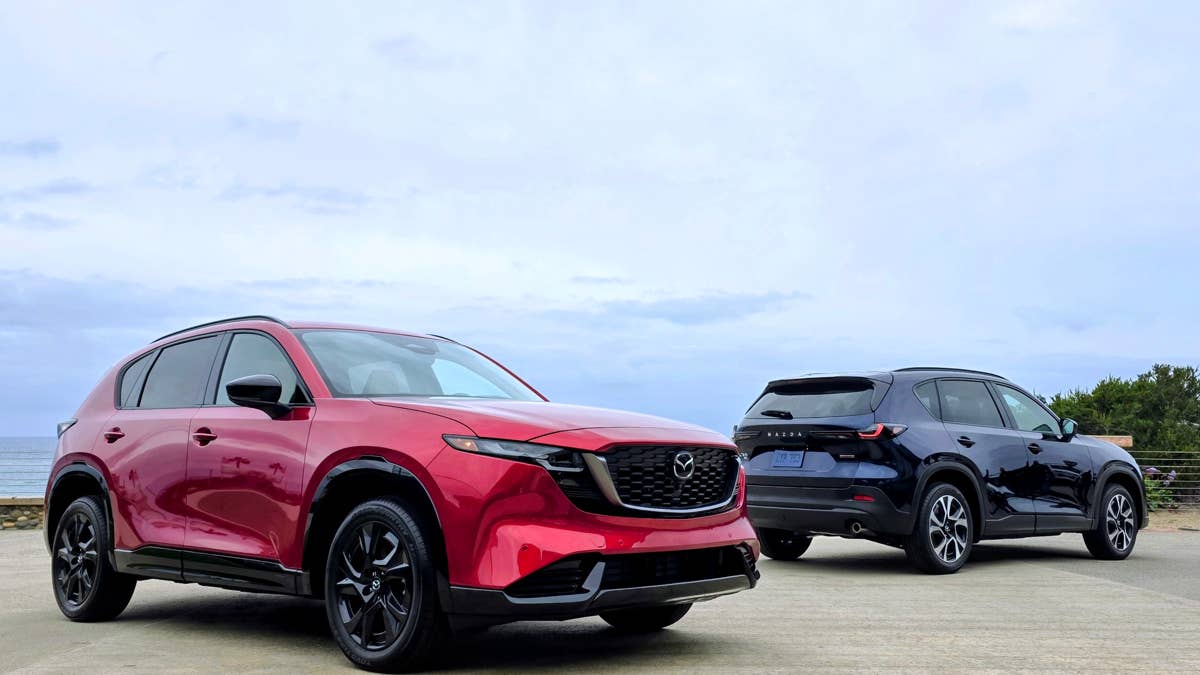
However, some don’t feel the need to go into PHEVs. Mazda has always been a brand that does what it wants, and in this case, the maker says there’s no need for a PHEV in the all-new CX-5.
Kyle Edward
No PHEV
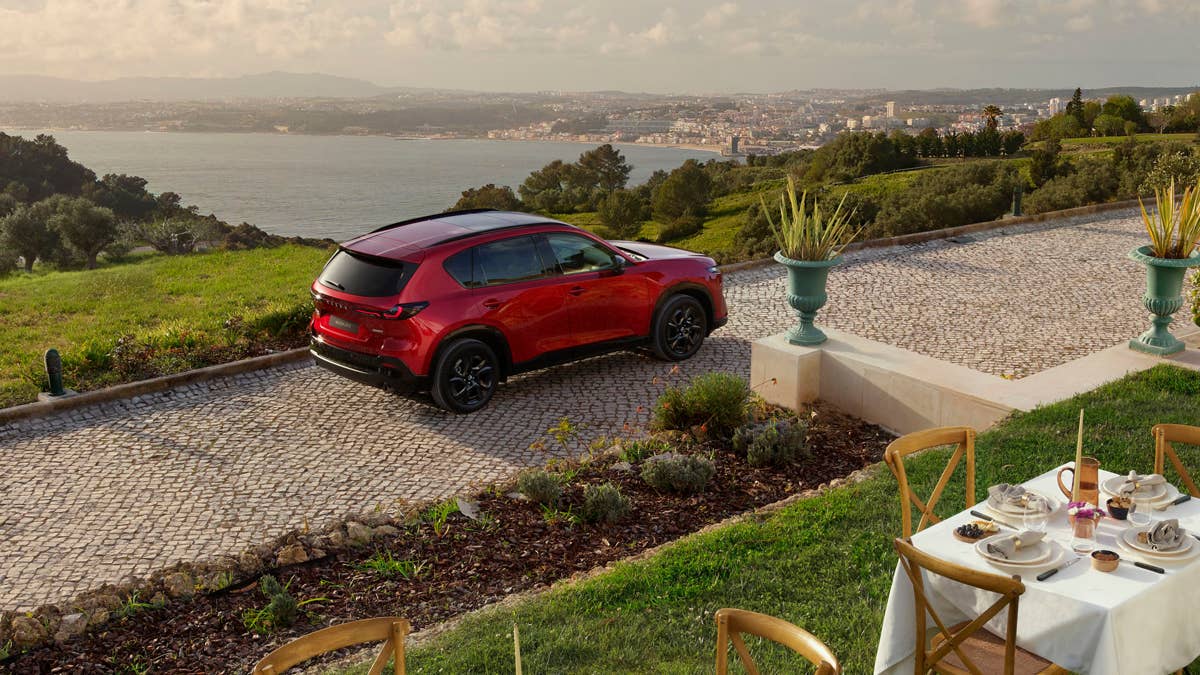
We’ve known for a while that the new Mazda CX-5 is about to get a new full-hybrid engine, likely the SKYACTIV-Z, which is still in development. Reports say Mazda meant to debut this new engine technology in the CX-5 and will reveal it globally sometime next year. A new report by CarsGuide says the CX-5 will get a full hybrid, and any plans for a PHEV aren’t in the cards.
The publication got a statement from Mazda Australia MD Vinesh Bhindi, who said there is no PHEV for the CX-5 since the bigger CX-60 already has it. So it seems Mazda is spreading its engine options across its lineup, with the bigger CX SUVs receiving the PHEV option to keep them profitable. It’s surprising that Mazda didn’t consider a CX-5 PHEV, given that it’s Mazda’s best-selling crossover/SUV and the segment it competes in is adding more PHEV options. One of the CX-5’s main rivals, the RAV4, sells well as a regular hybrid but recently introduced a PHEV to further its sales.
Mazda
Market Dependent
While it might seem surprising or perplexing to some, Mazda’s decision might be a shrewd one. In the U.S., HEVs are dramatically outperforming PHEVs. According to the U.S. Energy Information Administration (EIA), traditional hybrids have surged to a 16.3% market share in 2026, while PHEVs dropped to just 1.4% in the same period.
However, in other regions outside the U.S., PHEVs are growing, showing that this type of hybrid depends heavily on market conditions and demand. Mazda’s move to keep the CX-5 as a conventional hybrid makes it more broadly appealing to a wider segment of the global automotive market.
Cole Attisha