Too Smart for Their Own Good
As cars become more advanced, future models will likely come with bigger screens, smarter software systems, and more generous in-car technology packages. However, some innovations have had serious consequences, including Tesla’s electronic flush-type door handles, which have reportedly left some occupants trapped in emergencies.
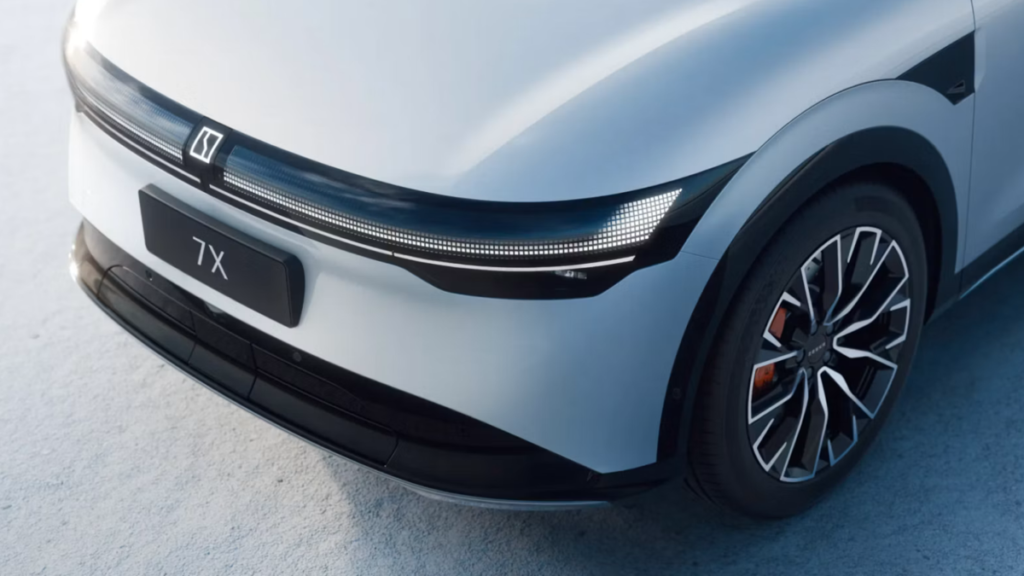
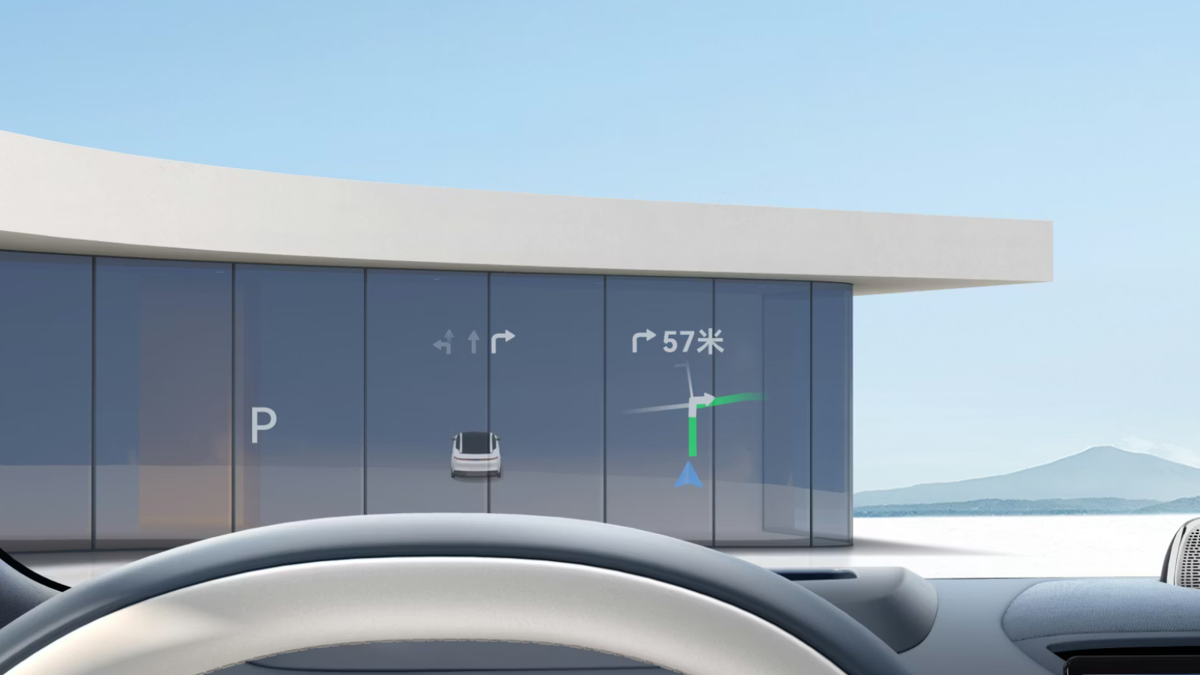
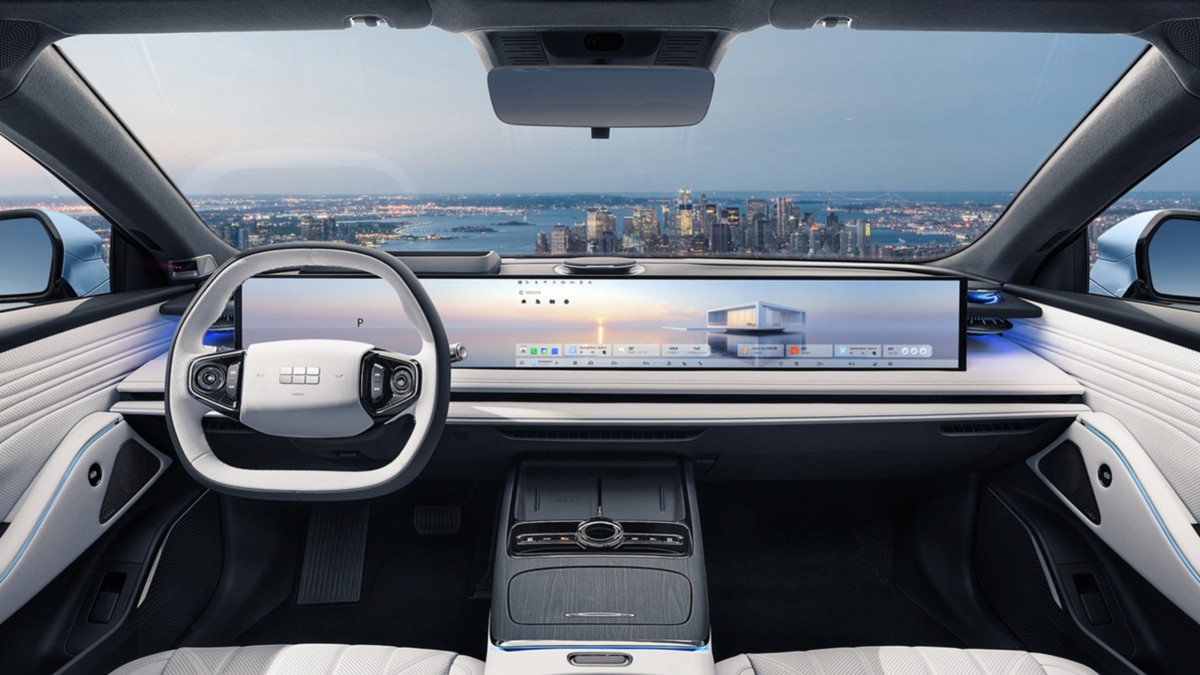
China has already addressed that issue after approving a ban on fully concealed door handles starting January 1, 2027, for newly approved models. But according to CarNewsChina, citing China’s Ministry of Industry and Information Technology (MIIT), regulators are proposing stricter rules on more advanced in-car technologies that Chinese automakers have used as selling points to attract buyers at competitive prices. These features include large screens, zero-gravity seats, and headlight messaging.
Zeekr
The Flex Stops Here
Regulators aren’t necessarily looking to ban large screens and complex head-up displays, but rather subject them to stricter safety assessments. They are seeking to eliminate foldable and flexible displays. The Hongqi Guoya, China’s answer to Bentley and Rolls-Royce, features a 14.2-inch sliding-and-rolling AMOLED display, but it’s unclear whether this technology would fall under the proposed restrictions.
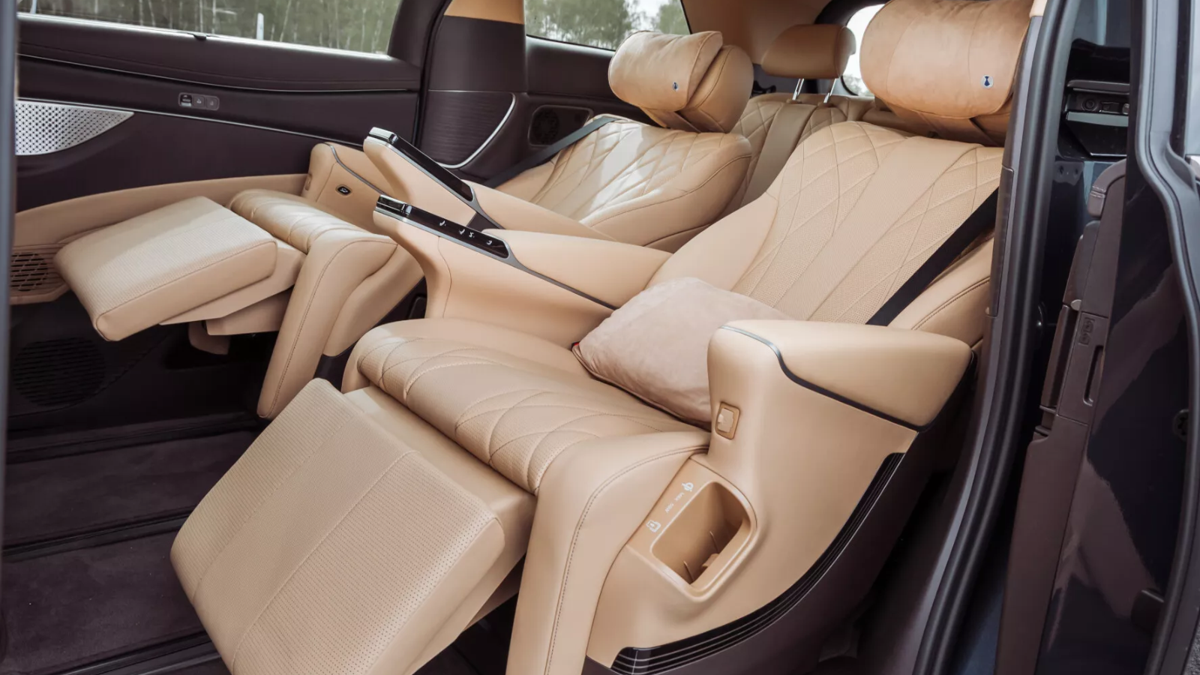
Meanwhile, zero-gravity seats may offer superior comfort, but their heavily reclined positions can compromise safety. The Denza D9, a luxury MPV (similar to a minivan), even offers zero-gravity seats that recline up to 152 degrees, which, in a collision, could increase the risk of passengers “submarining,” or sliding beneath their lap belts. Under the proposal, these reclining functions would be restricted while the vehicle is moving.
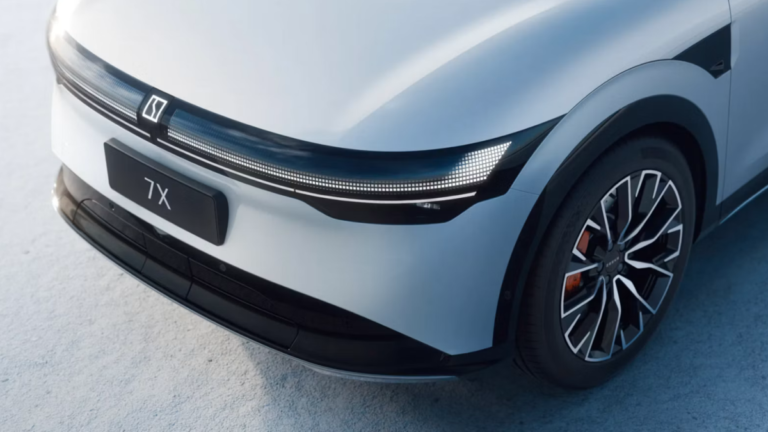
As for headlight messaging, it is under scrutiny over concerns about road safety and the content drivers could display publicly. While Audi’s Digital Matrix LED headlights can project symbols and graphics onto the road, China’s proposed rules focus particularly on customizable messages that could affect other road users.
Denza
A Change of Direction
Again, these are proposals so far, so nothing has been finalized yet. But given that China is the world’s largest car market, any regulatory changes could influence the designs of foreign automakers, especially those selling vehicles in the country. That’s particularly relevant now that Chinese automakers have a growing global presence, including in North America, outside the U.S., at least in the foreseeable future.
While automakers have been pushing the boundaries of in-car technology, with Mercedes-Benz even offering a pillar-to-pillar Hyperscreen, China’s proposed regulations suggest that some of these advancements may need to be reined in. That might not be a bad thing, especially if it means putting safety ahead of flashy features.
Geely