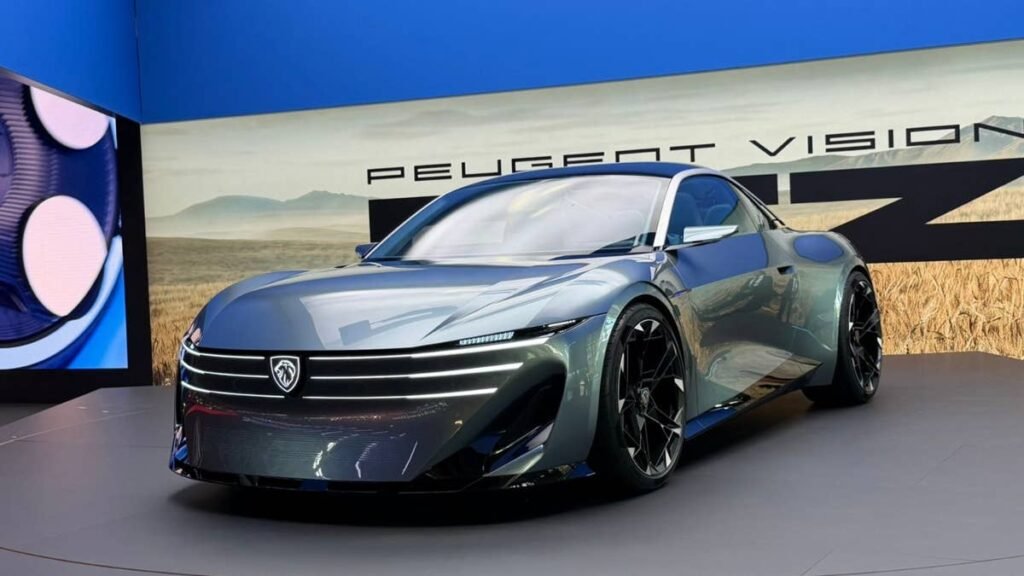
Peugeot’s Colorful Coupe History
Coupes have thinned out by a lot over the years. Simply put, the money isn’t in those cars anymore, and the small sales figures they make aren’t much incentive for automakers to bother building them. Still, there’s the occasional flight of fancy that eventually reaches showrooms, but more often than not, coupe concepts remain, well, concepts.
While Peugeot has zero presence in North America as hard as it tried, the French automaker has rolled out genuinely great cars over the years. Its coupes, in particular, have been lookers, not merely sedans with the rear doors removed. The coupe versions of the 304, 404, 504, and 406 come to mind, most of which Pininfarina designed. Its last production coupe was the RCZ, which was produced from 2009 to 2015. While it wasn’t particularly mind-blowing to drive, it was certainly distinct-looking.
Adam Lynton/Autoblog
RCZ Take Two
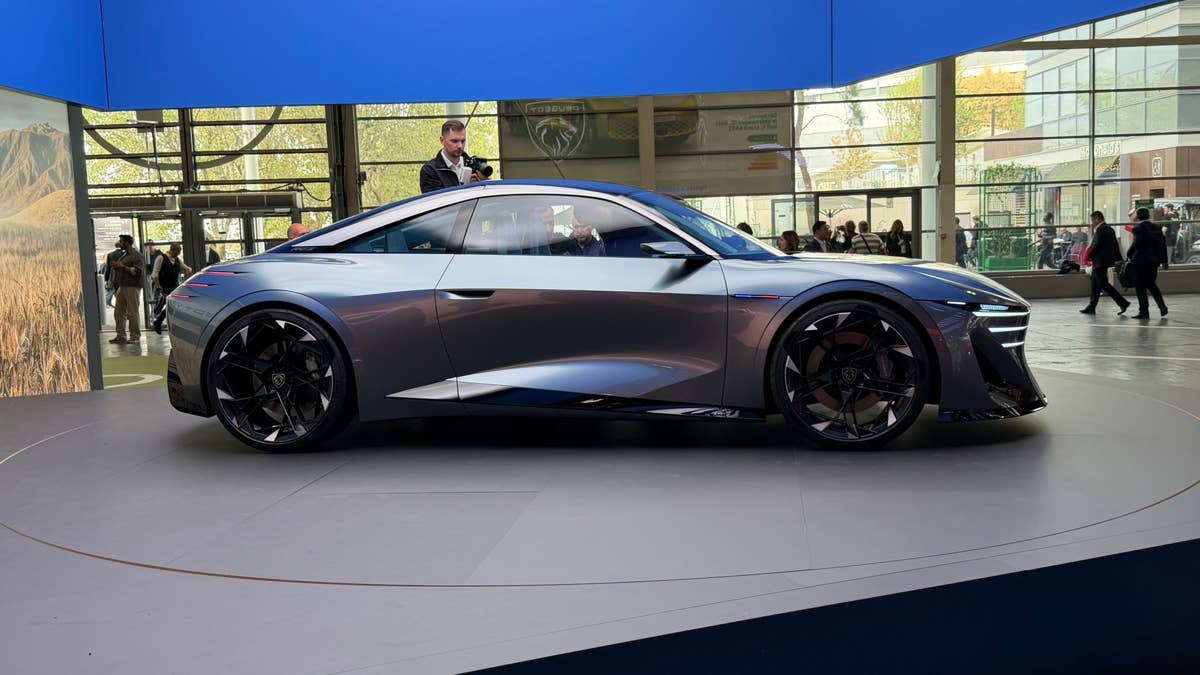
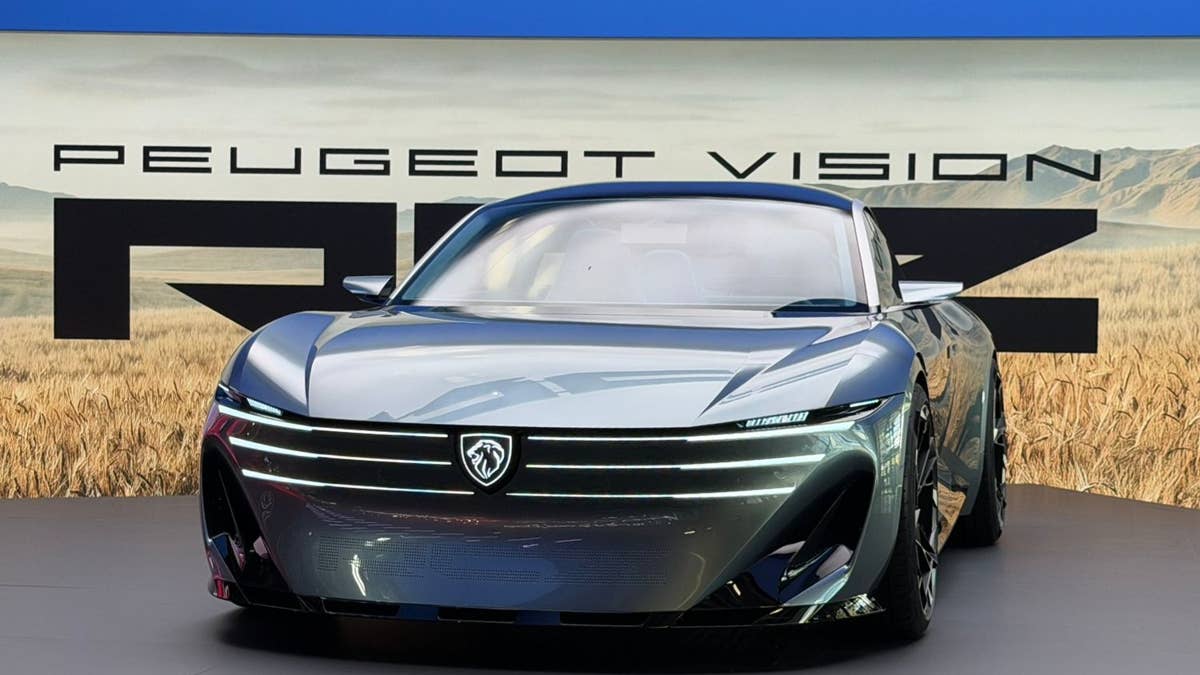
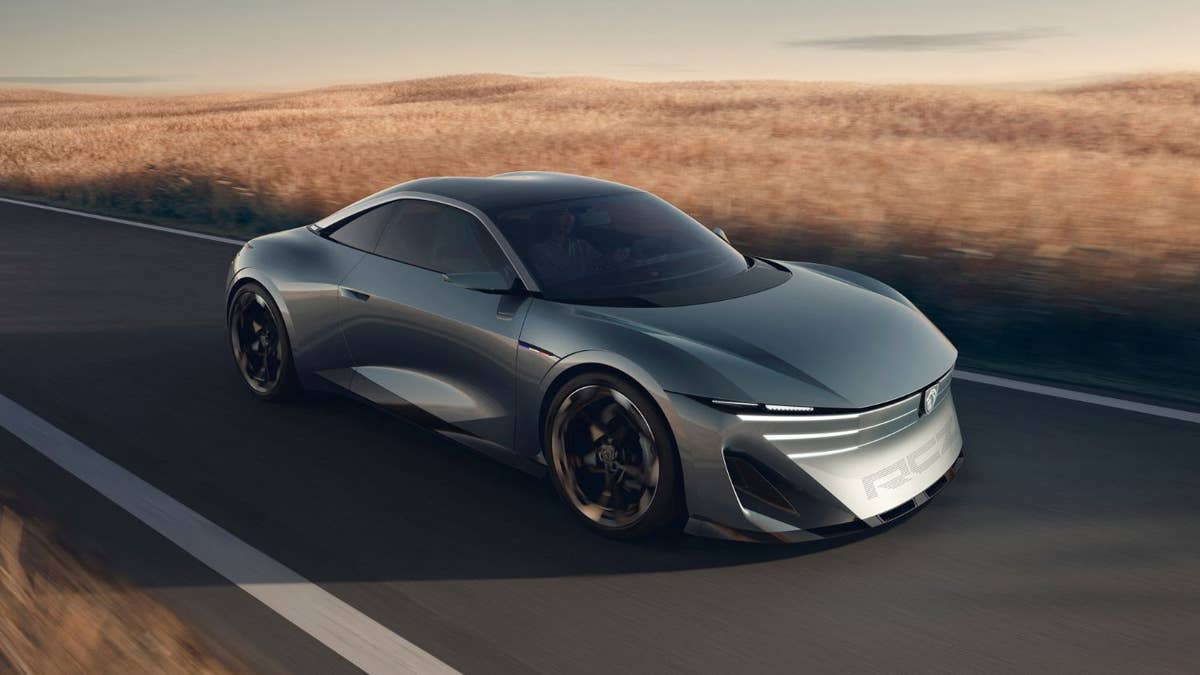
It’s been over a decade since the last RCZ rolled off Peugeot’s assembly line. The company made a coupe concept a couple of years ago with the e-Legend, but it never reached production. Now it’s trying again with the RCZ Vision, and it seems Peugeot is more serious about building it.
While there’s no confirmation of production, a couple of clues make it likely a road-going version will be made. The concept rides on Stellantis’ STLA One platform, which is bound to be used in other models under Stellantis’ wing. As Peugeot is also one of the main brands that the conglomerate is pouring more resources into, a showroom version of the RCZ Vision might serve as a proof of concept that one may buy soon.
Adam Lynton/Autoblog
Concept Highlights
Peugeot claims it uses a 1,000v architecture, allowing rapid charging from 10 to 80% in just 10 minutes. Battery size wasn’t mentioned, but it has a solid-state battery developed with Factorial Energy. Range is estimated at 373 miles on a single full charge. As for power, it’s rated at 500 hp, which is far more than the most powerful RCZ model made over a decade ago.
Adam Lynton / Autoblog
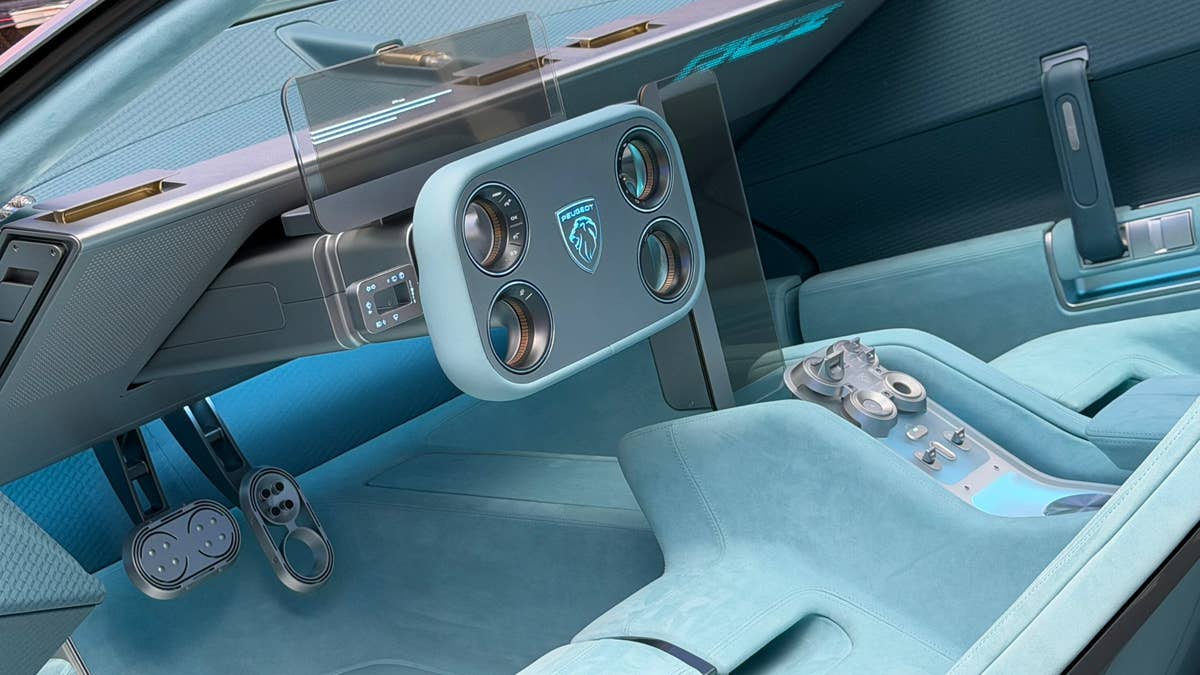
Its interior is something worth talking about, mainly because Peugeot wants to implement as many of the things seen inside in actual production models. It looks wild, but you’ll be pleased to see real, physical controls rather than everything being controlled via a screen. If Peugeot wants to put those in its cars soon, then we very much approve of that decision. There’s also the ‘Hypersquare’ steering wheel that is said to reach other Peugeot cars as early as next year.
Adam Lynton/Autoblog
Faithful to the Original?
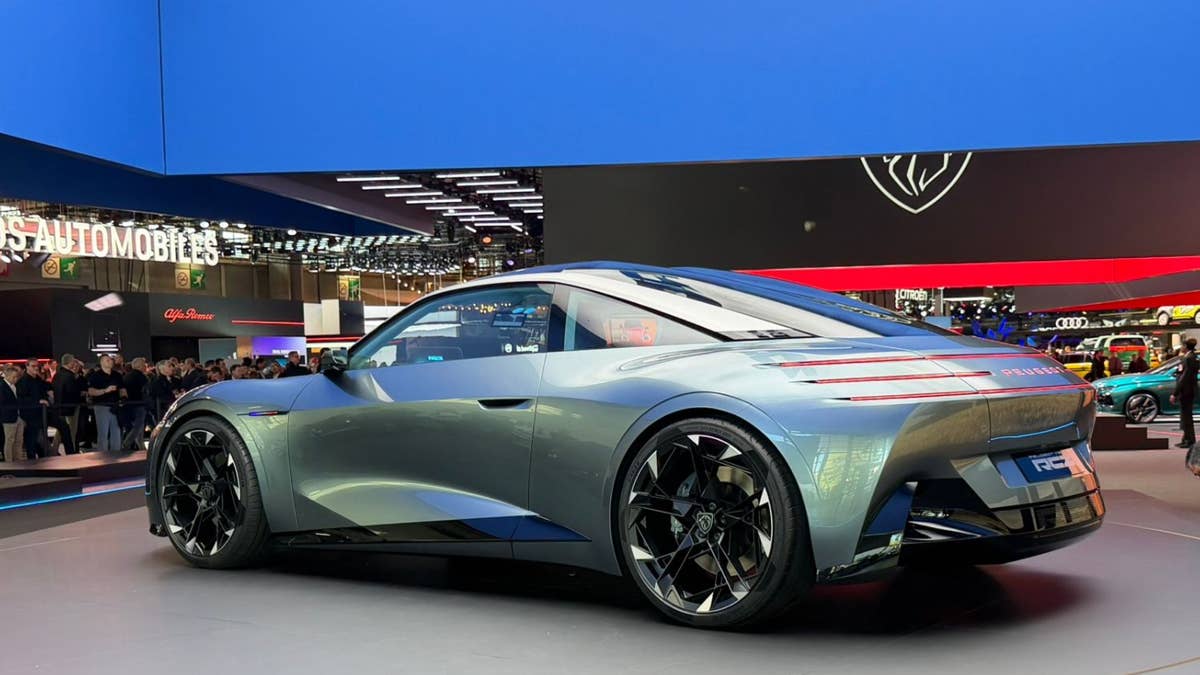
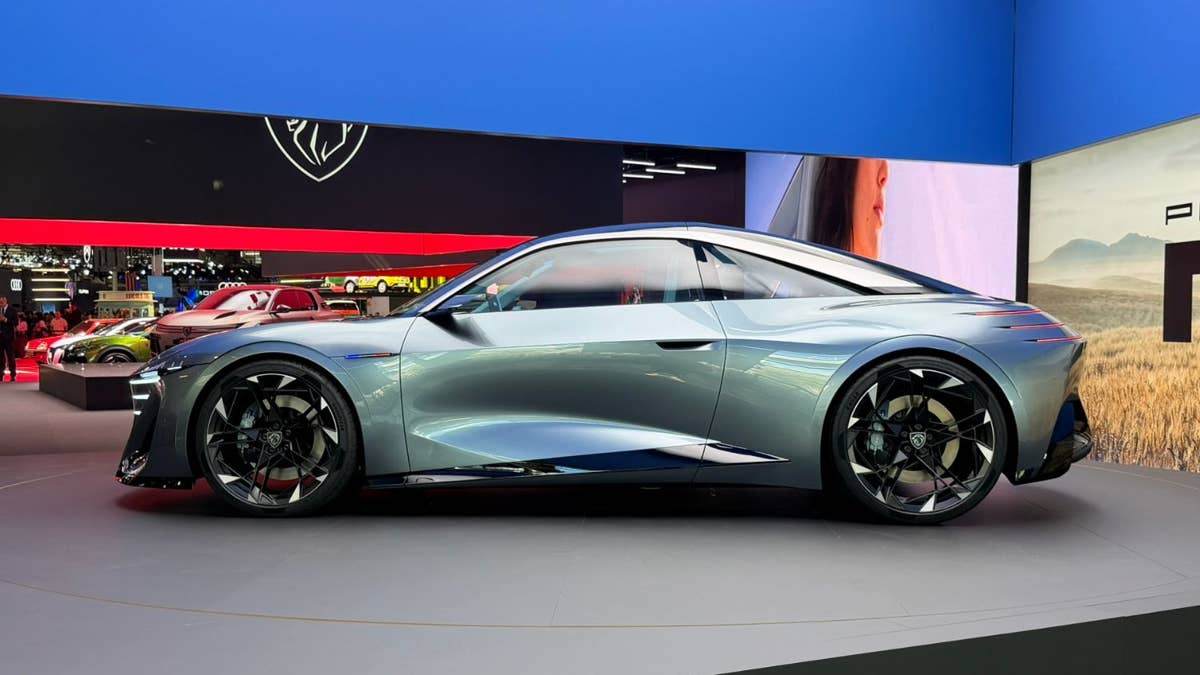
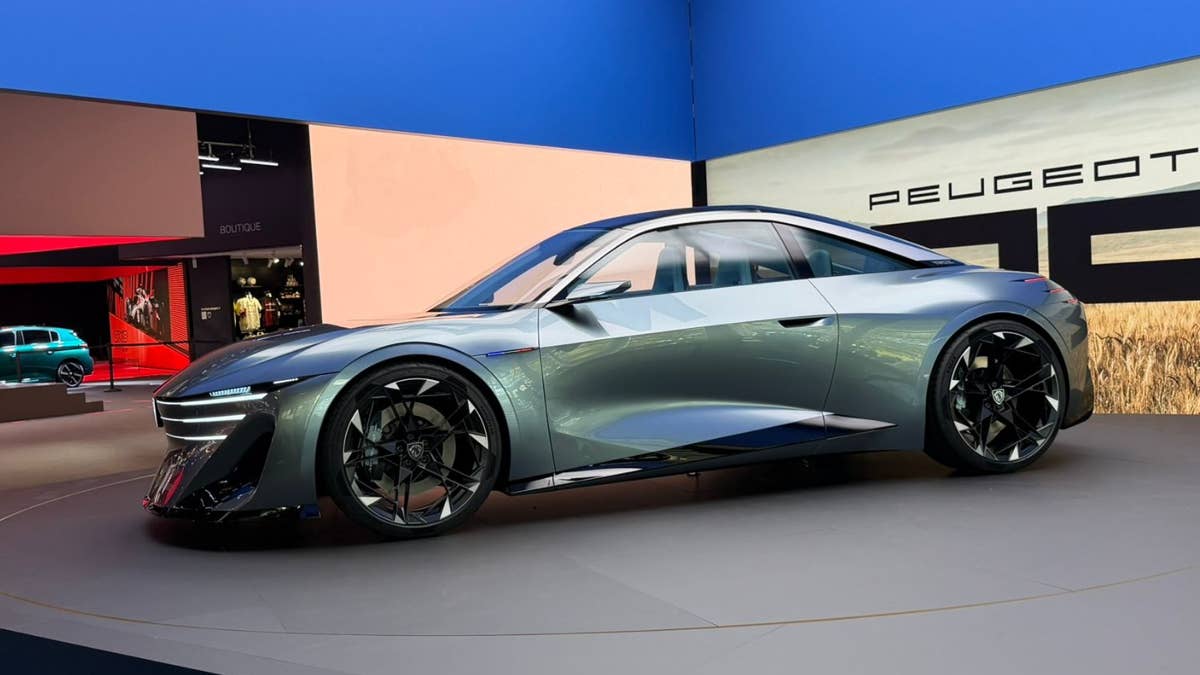
When the original RCZ launched 17 years ago, it was a shocking design that barely changed from the concept. The RCZ Vision takes many cues from the older car, namely its glass bubble roof and short nose. The elongated rear end is another nod to the past.
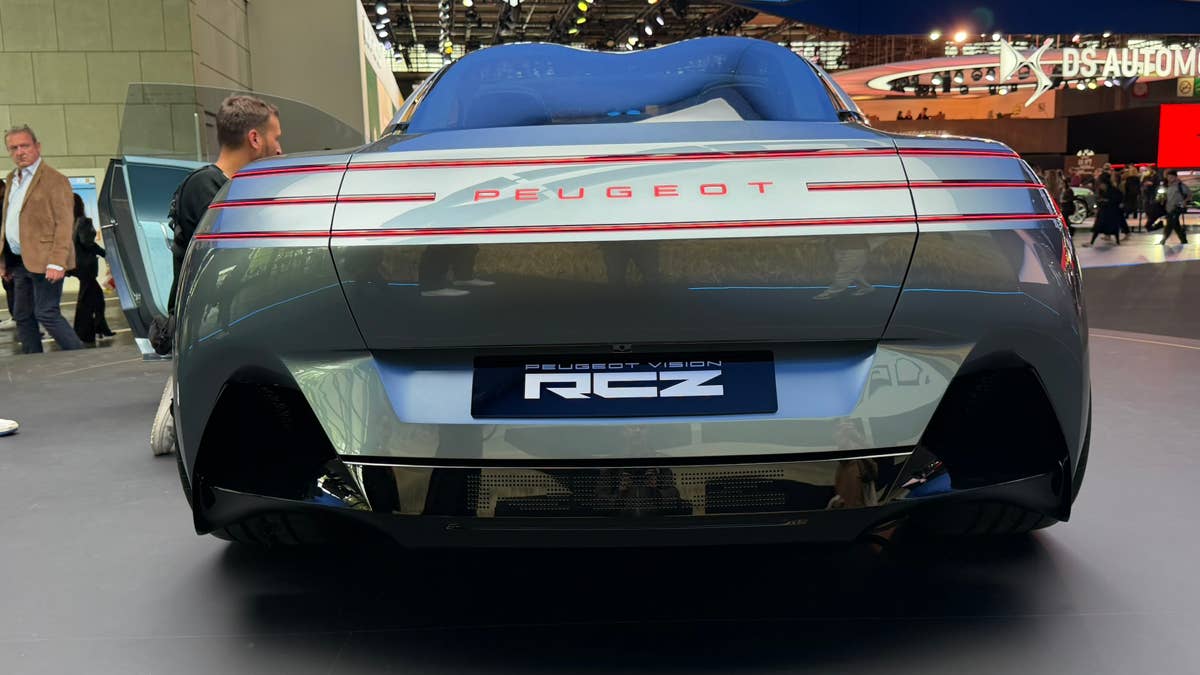
What’s different are the lights, which are part of Peugeot’s new design language, Feline Future. The front and rear lights each consist of three light bars, creating a rather interesting 3D illusion. Park it side by side with the 2009 model, and you’ll see that the lineage is clear, but modernized.
Adam Lynton / Autoblog
As for the rest of the car, it has heaps of ‘by-wire’ tech. The steering, brakes, and powertrain are all done with no physical connections, and Peugeot and Stellantis as a whole would like to put this in most (if not all) of its future products. While it’s unlikely we’ll see Peugeot back in America any time soon, some of the tech shown here might eventually make its way to a Jeep, Chrysler, or Ram model.
Adam Lynton/Autoblog
Peugeot