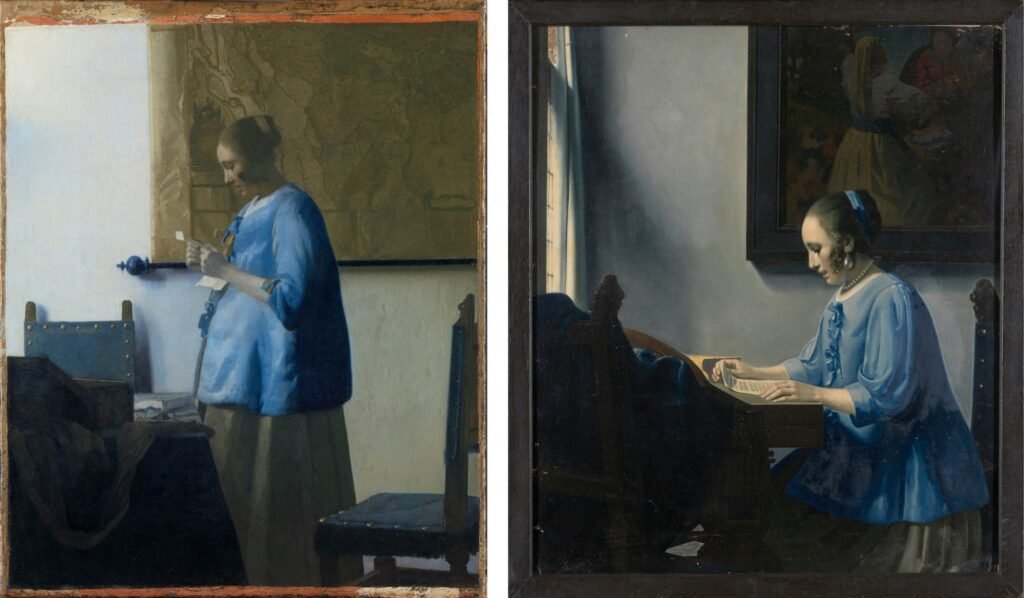
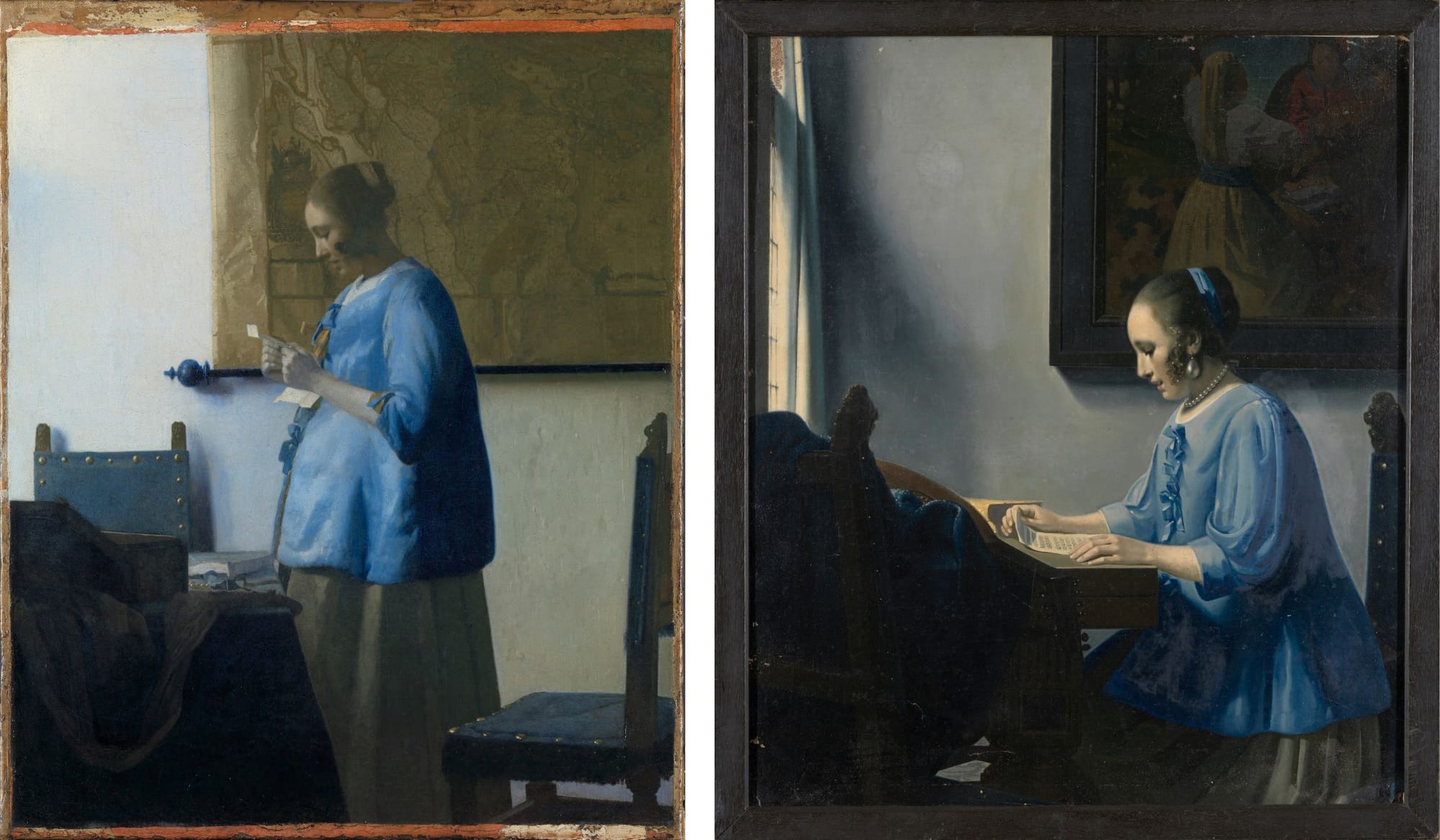
As strange as it may sound, Johannes Vermeer’s fame is a relatively recent phenomenon. The Dutch painter known for his exquisite, enigmatic interior scenes fell into obscurity shortly after he died deeply in debt at only 43 years old in 1675. Vermeer was barely a footnote in the annals of art history until the mid-19th century, when the Parisian critic Théophile Thoré rediscovered his work. “Here’s someone we don’t know in France, and who very much deserves to be known!” the writer proclaimed in 1866.
Thoré was drawn to Vermeer for the same reason he still fascinates museumgoers today: His small selection of attributed paintings — some 35 to date — and still-hazy biography spark more questions than answers. But in the three and a half centuries since his death, Vermeer’s mysterious works have also inspired a wealth of visual art, cinema, poetry, and literature.
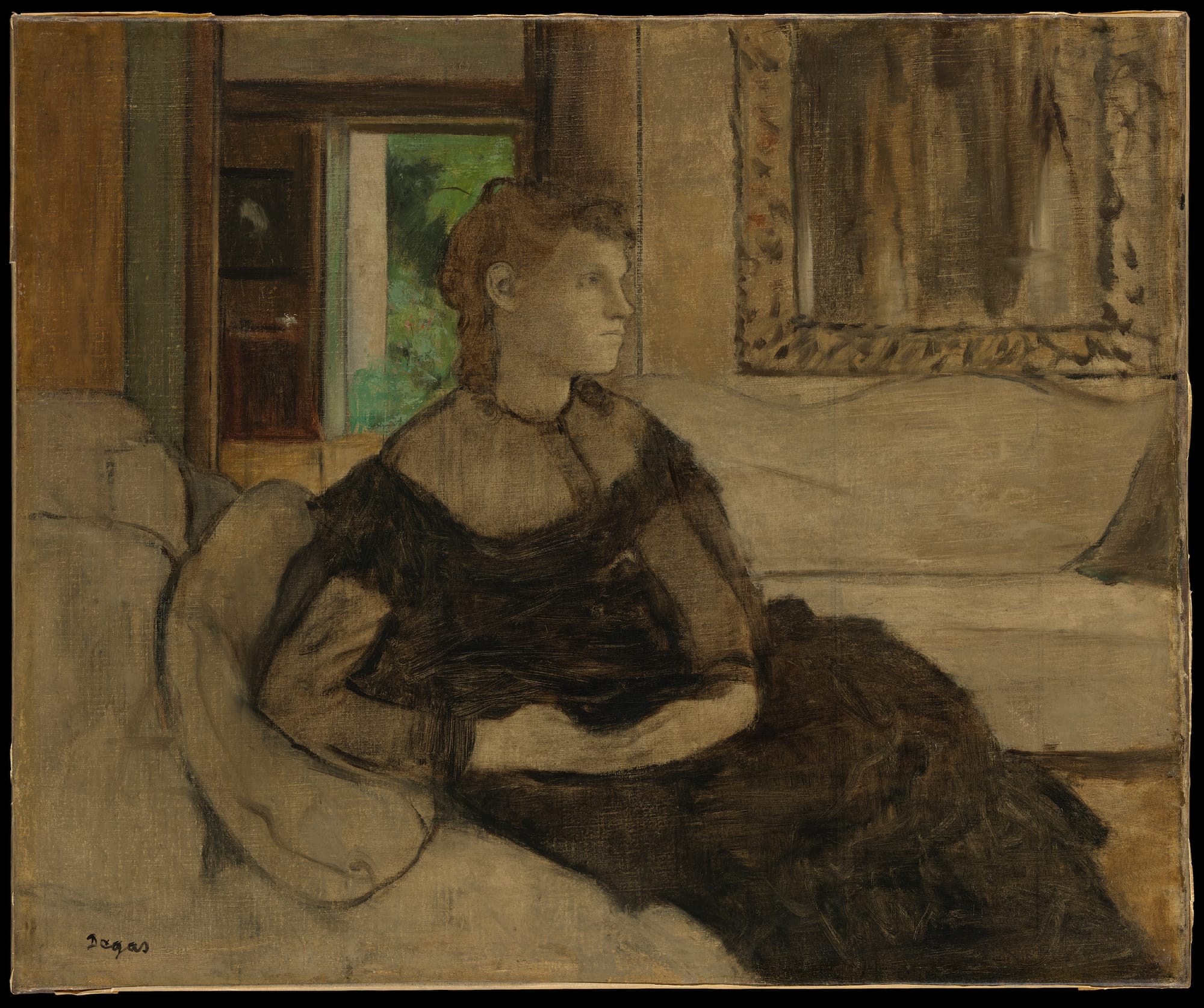
These artistic echoes are the focus of scholar Ruth Bernard Yeazell’s Vermeer’s Afterlives (2026), a richly illustrated exploration of the artist’s enduring and remarkably widespread impact through a careful survey of works made in his mythologized shadow. From Danish painter Vilhelm Hammershøi’s hushed canvases to experimental 20th-century film and sensual contemporary verse, Yeazell meticulously catalogs and analyzes the Delft painter’s iconography — especially his recurring solitary female figures gently illuminated by daylight filtered through nearby windows — and persistent commitment to open-ended interpretation over a singular narrative.