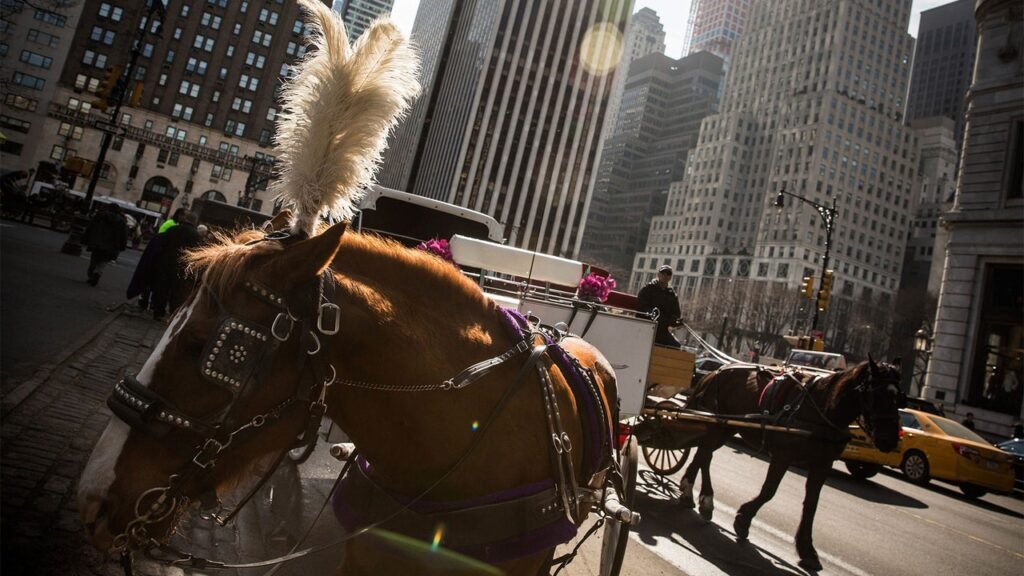
The iconic but controversial horse-drawn carriages in New York City might finally halt as Mayor Zohran Mamdani and New York City Council Speaker Julie Menin reached a deal Tuesday to outlaw them.
If enacted, the proposed bill would ban rides for hire starting June 1, 2028.
Other mayors have contributed to this effort, but none facilitated a full ban. Mamdani could be the first to achieve the full support of City Council to effectively ban horse-drawn carriages.
How prior mayors dealt with carriage controversies
When a horse collapsed from exhaustion in 2011, then-mayor Mike Bloomberg dismissed a call to ban the industry, citing the importance of maintaining a livelihood of New York City’s carriage drivers.
In 2013, former mayor Bill de Blasio was the first mayor to announce plans for a full ban. Without support from City Council, however, the effort proved fruitless.
Just months before the end of his mayorship, de Blasio’s successor, Eric Adams, attempted to end horse-drawn carriages, which also lost to little support from the council.
Why is Mamdani acting now?
An 18-year-old tourist from India, Romanch Mahajan, died after falling from a carriage in July, which prompted “Romanch’s Law.”
The legislation will phase-out the carriages, while also providing a plan for protection of the workers whose livelihoods rely on the popular tourist activity. This time around, council members are expected to support the act, after Menin publicly endorsed the law in July.
“The horse carriage industry is coming to an end in New York City. Our administration will make sure workers and owners are protected and the horses are safe,” Mamdani said in a statement on X on Tuesday.
What’s at stake for the industry?
The industry salary is estimated at $65,000 to $70,000 per year, with approximately 68 active licenses and just under 160 horses licensed at the end of last year, according to the council’s Committee on Health.
As of May 3, 2025, the maximum fare for a carriage ride is $72.22 for the first 20 minutes, plus $28.89 for each additional 10 minutes.
The 163-year-old industry brings tourism dollars into the city, although current estimates for how much are hard to come by. (We’ve asked the NYC Horse & Carriage Alliance for more details.)
But it also has yielded unsafe conditions for the horses and passengers. There been 40 horse deaths between 1982 and 2026, the Manhattan Borough President’s office found.
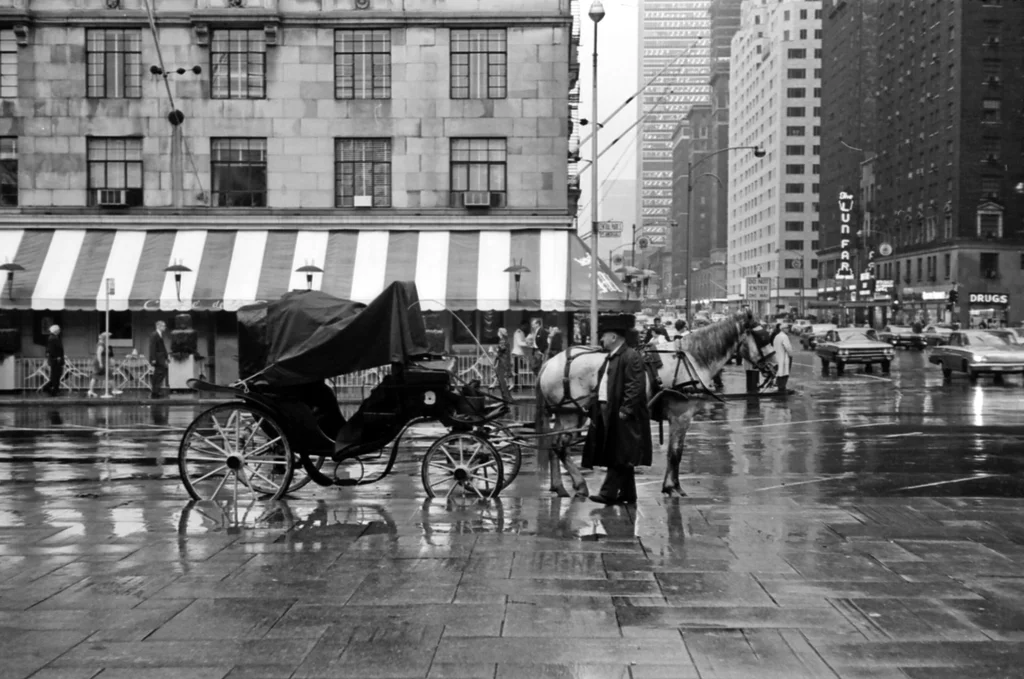
As the city moves toward a ban, the mayor is taking workers into consideration in the next stages.
CarriageOn, a coalition of carriage operators, cites themselves as a diverse workforce, with immigrants at the forefront of operation. There are questions about the future of these carriage operators, which the Mamdani administration aims to address.
The Mayor’s Office has been working on a detailed plan for the transition of the workforce and industry a spokesperson on Mamdani’s team told Fast Company.
Why does NYC have the horses in the first place?
Horse-drawn carriage rides for tourists date back to when Central Park first opened in the 1800s, when carriages were already a mode of everyday transportation. Even then, people cited concerns about horse-drawn carriages.
One of the most outspoken organizations is ASPCA, which was founded in New York City in 1866 amid a growing concern about the wellbeing of horses in the city.
Its original logo brandished an image of a carriage operator abusing a horse, while an angel hovered over the animal. Cruelty toward horses was a driving factor for the organization’s foundation, but horses also remained a vital part of transportation in the city.
What a ban would mean for the horses?
As the tradition phases out, the horses need somewhere to go.
“If Romanch’s Law is enacted, the ASPCA stands ready to support the City through this transition,” ASPCA president and CEO Matt Bershadker told Fast Company. The organization is ready to provide “grant funding or other resources if necessary to help ensure humane placement and a safe future for every horse in need of a home,” he added.
Speaker Menin announced on Wednesday that the full council will vote on October 22 on the legislation.
“We have been working closely with the City Council, union partners, carriage drivers, animal welfare advocates, and community leaders to deliver a just transition that protects workers while ending horse-drawn carriages in Central Park once and for all,” press secretary for the mayor’s office Sneha Choudhary told Fast Company.