AI Integration Hits the Assembly Line
Artificial intelligence is no longer just a buzzword for autonomous driving. It is fundamentally changing how automakers manufacture vehicles globally. While software developers embraced machine learning early, the physical auto industry is catching up. Brands are leaning into algorithmic assistance to streamline production and reduce overhead costs.
This manufacturing shift is happening at breakneck speed. For example, Audi’s manufacturing strategy relies heavily on algorithms to maximize factory floor efficiency. Across the Pacific, Nissan’s production speed has increased dramatically by using intelligent robotics. American giants are also pushing the envelope, with Ford’s durable engines setting a new standard for AI-assisted longevity. While factory automation is expected, the leap into creative departments has the industry reeling.
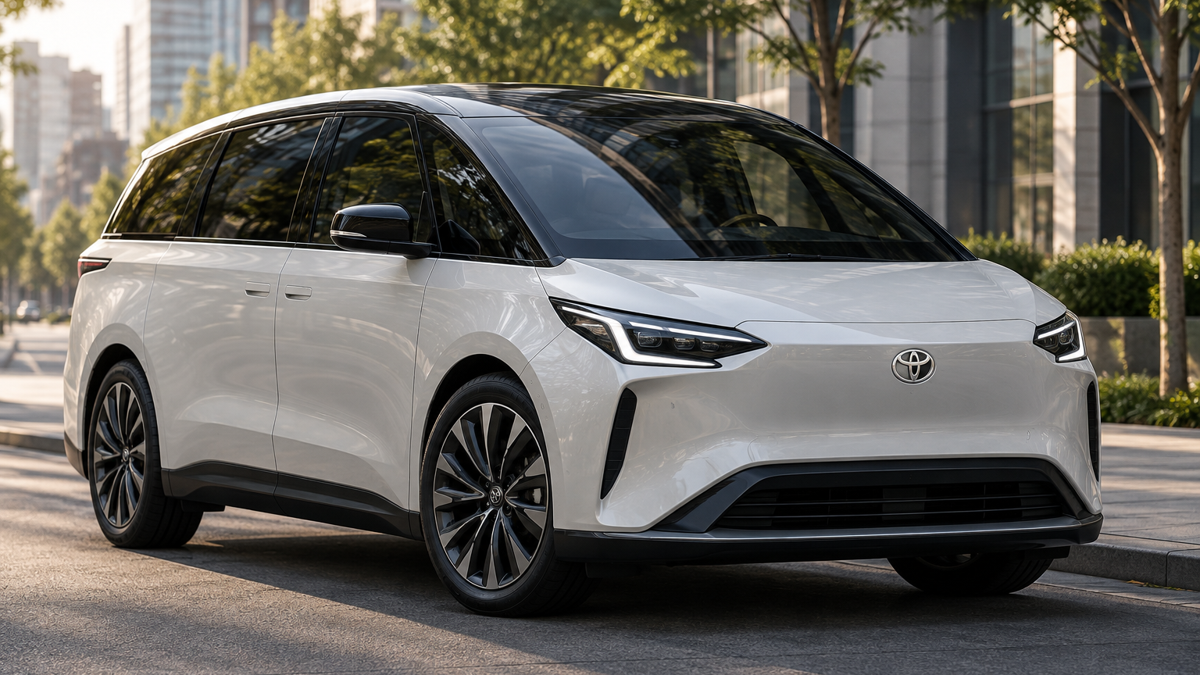
Amos Kwon using Perplexity AI
Skoda Design Chief Sounds the Alarm on AI Renderings
Karl Neuhold, Head of Exterior Design at VW Group’s Skoda brand, recently admitted to Auto Week that he is shocked by the capabilities of modern artificial intelligence. The days of endlessly refining digital surfaces are disappearing. Today, advanced neural networks generate flawless automotive concepts in seconds.
Neuhold explained that simple text prompts let these AI systems take a rough hand-drawn sketch and turn it into a photorealistic digital rendering. The technology computes complex lighting, realistic shadows, and proportional accuracy. While earlier versions struggled with brand logos, recent software updates have ironed out those awkward visual glitches.
This technological leap is a double-edged sword for the styling community. Because these tools let design studios work exponentially faster, automakers need fewer people to finalize exteriors. Neuhold warned this efficiency poses a genuine threat to human labor, making it difficult for young artists to break into the automotive profession.
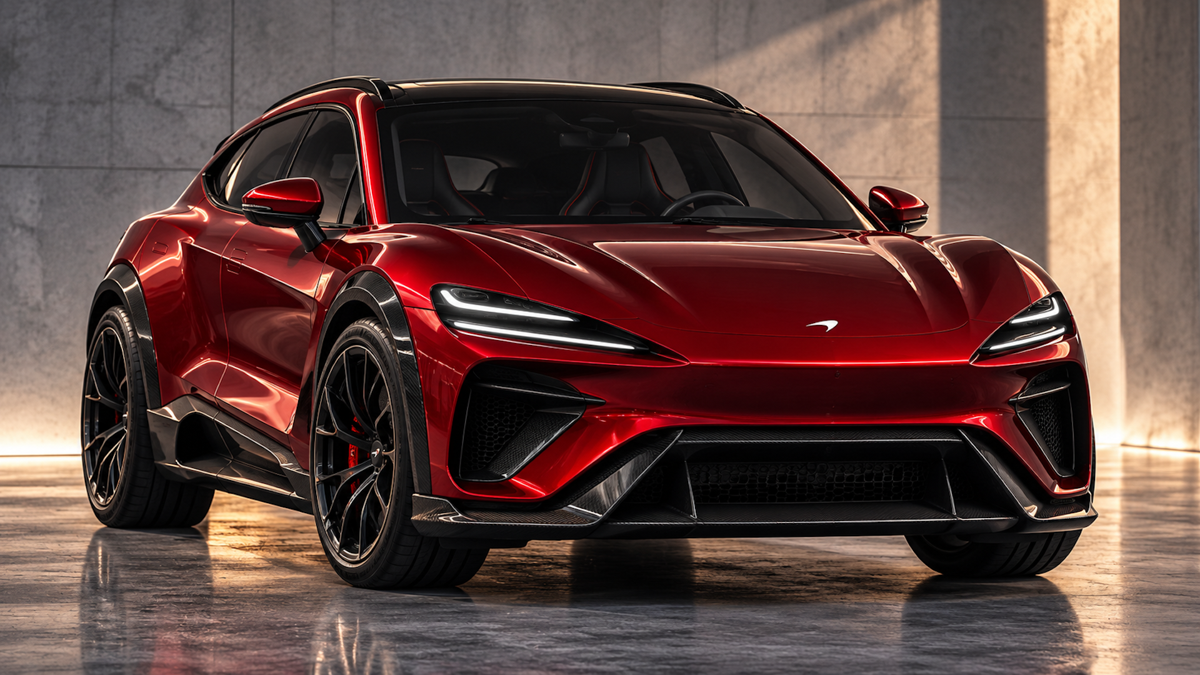
AI-generated image/Autoblog
Why Human Intuition Will Always Beat the Algorithm
Algorithms can easily spit out a perfectly proportioned crossover, but truly great cars require a soul. Iconic vehicles like the original Mustang were born from the fiery passion and gut instincts of human artists.
Computers have a hard limit on what they can synthesize without real-world emotional understanding and mechanical knowledge. We have already seen the limits of trusting software, as Ford’s veteran engineers have irreplaceable hands-on intuition that computers completely lack. If we allow artificial intelligence to dictate aesthetic direction, we risk entering a bleak era of soulless, cookie-cutter transportation appliances.

Simran Rastogi/Gemini