The Software Shift
At this point, software-defined vehicles (SDVs) seem inevitable. They essentially rely on advanced software systems that monitor, control, and even upgrade cars through over-the-air updates. Volkswagen has tapped Rivian to develop an SDV architecture, while Nissan and Honda have agreed to share key operating system components.
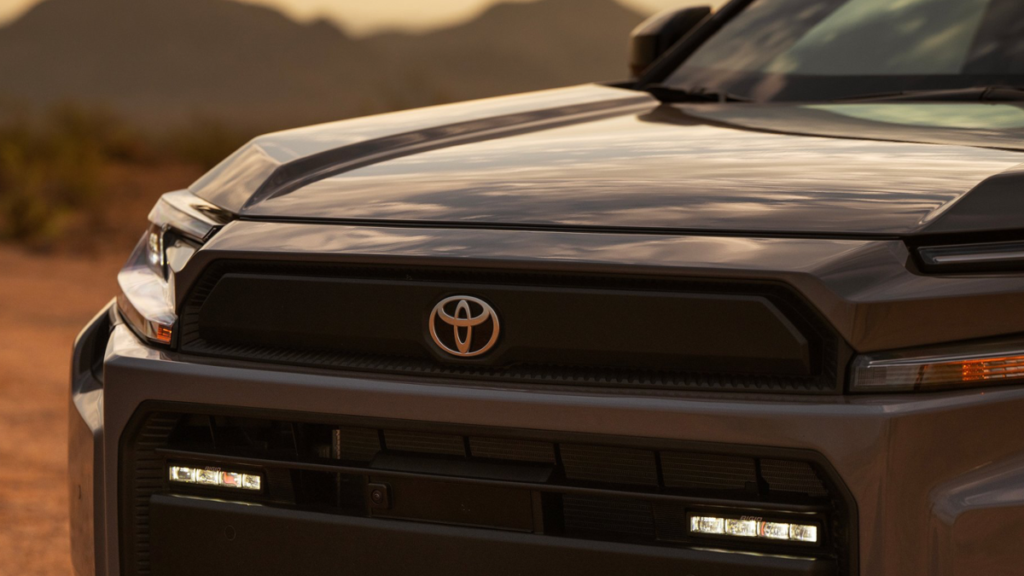
Now, Toyota has announced a similar strategy with its software platform called Arene. According to Automotive News, the Japanese marque aims to expand Arene from two models today to 50 nameplates and 10 million vehicles annually by 2030. As the world’s best-selling automaker, the expansion could accelerate the adoption of SDVs, signaling a shift away from traditional, hardware-focused vehicles.
Kristen Brown
Arene’s Big Break
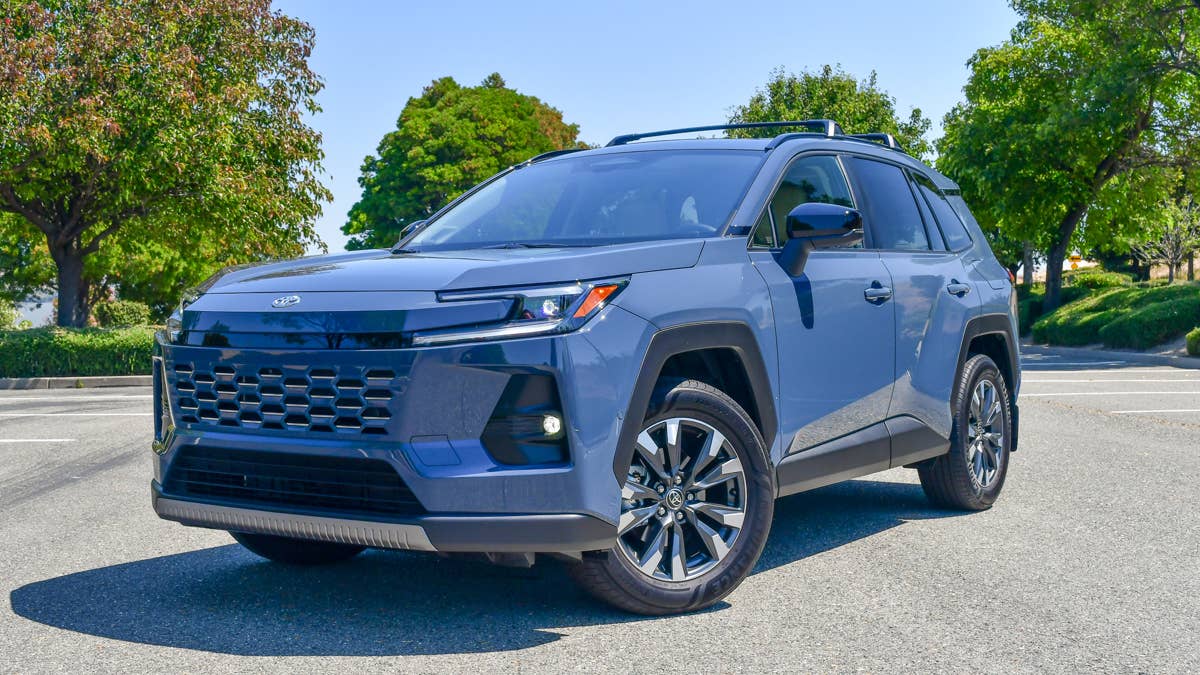
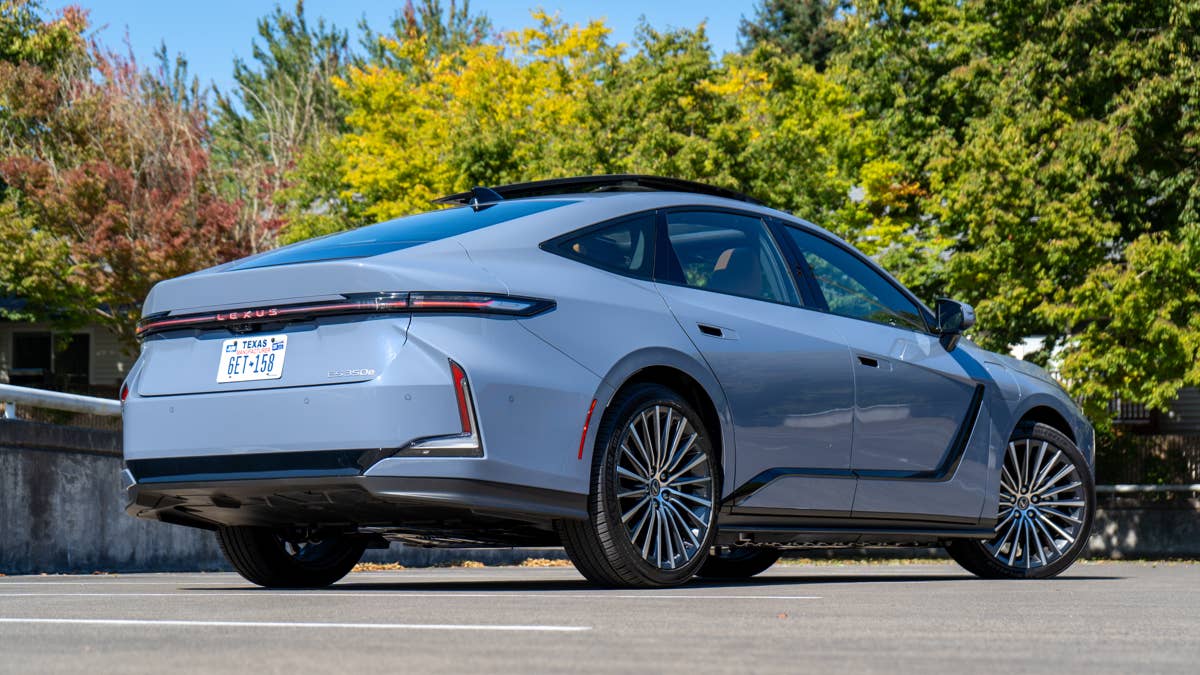
The Toyota RAV4 and Lexus ES are the two models currently using Arene, which supports advanced safety systems and digital cockpits. Toyota plans to expand the platform to manage body controls and powertrain functions.
Beyond the vehicles themselves, Toyota said Arene reduced the time needed to evaluate advanced driver-assistance software in the new RAV4 by 70%. As such, the platform could help accelerate development, reduce engineering expenses, and bring software improvements to customers faster.
This is a noteworthy development, as many high-profile SDV initiatives have focused on EVs, including Tesla’s approach. Given the EV slowdown, Toyota could help introduce SDVs to more mass-market buyers, especially considering that the automaker plans to share the system with alliance partners, including Suzuki, Daihatsu, Mazda, and Subaru, around 2035. This could expand Arene’s reach to approximately 16 million vehicles annually.
However, the report didn’t specify which models will receive the software platform next, though with 2030 just a few years away, more details should emerge soon.
Cole Attisha
The Next Digital Frontier
In the future, SDVs could pave the way for smarter capabilities, including fully autonomous driving. Continuous software updates could help automakers refine these systems to better handle complex road conditions and unexpected situations. For now, however, most automakers offer SAE Level 2 systems, which still require constant driver supervision. BMW and Mercedes-Benz’s decisions to scale back their Level 3 systems also highlight the challenges of bringing these costly technologies to market.
Beyond cars, Toyota plans to expand Arene into infrastructure systems, homes, and even robotics, an area Tesla is also exploring with Optimus. This could open up new revenue streams while providing valuable data to further refine and improve the platform.
Toyota